”Nattliga börser kan bli en mardröm för investerare”
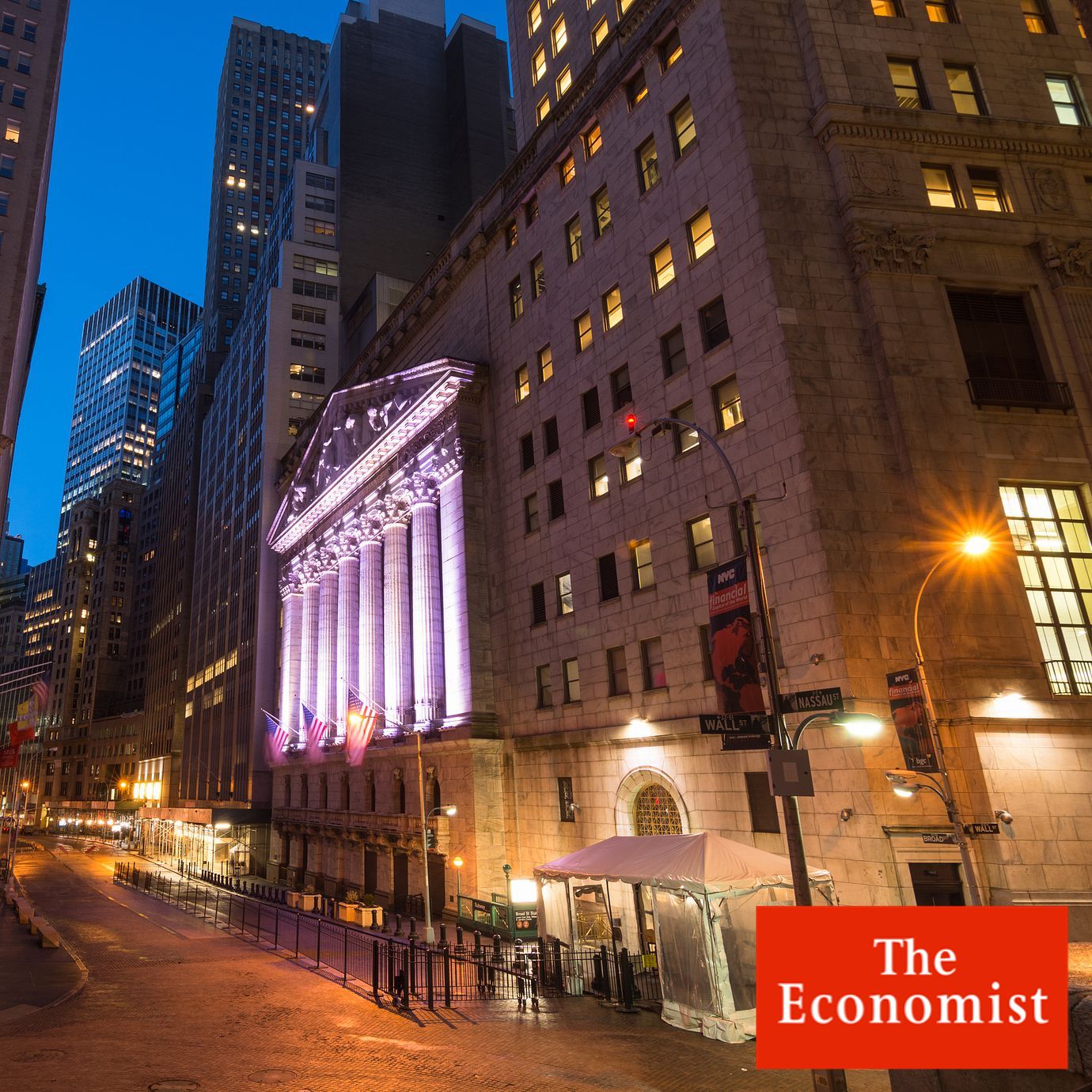
Börsernas klassiska öppettider kan snart vara ett minne blott. Nasdaq och NYSE planerar att kraftigt förlänga handeln, med målet om dygnet-runt-öppning redan nästa år.
Men kritiken växer. Låg likviditet nattetid och uteblivna pauser för viktiga avstämningar kan leda till dyrare och mer riskfylld handel.
”Begränsade öppettider verkar kanske gammaldags. Men var beredd på att sakna dem när de väl är borta”, skriver The Economist.
 The Economist
Why 24/7 trading is a bad idea
There are advantages to the old-fashioned working day.
Stock exchanges are the quaintest corners of modern finance. At other financial institutions, the typical trading floor features people in t-shirts sat at ergonomic keyboards, sipping herbal tea and reviewing computer code. Enter New York’s bourse, meanwhile, and you might as well have been through a time warp. Tense-looking people bustle everywhere sporting headsets and relics known as neckties. Everyone looks as if they shout a lot. As in a cattle market, opening and closing bells are rung to mark either end of the day’s trading session, at 9.30am and 4pm.
This last bit is the most anachronistic, and not because of the bells. Today’s markets, after all, have long ceased to respect the working day. Currencies, American Treasury bonds and crypto assets all trade around the clock.
Although investors the world over want to buy and sell American stocks, standard trading at both the New York Stock Exchange (NYSE) and its digital cousin, the Nasdaq, begins close to Hong Kongers’ bedtime and ends while Californians are having lunch. Pre- and post-market sessions facilitate some transactions from New York’s 4am and until 8pm. But few marketmakers operate during these, and liquidity can evaporate. Stock exchanges in Europe and Asia keep similar core hours to American ones, adjusted by time zone.
So are investors, traders and financial plumbers ready for another market that never sleeps?
Now change is afoot. Both the NYSE and Nasdaq have applied for regulatory permission to extend their trading sessions, to 22 and 24 hours a day respectively. On July 20th the Financial Times reported that the London Stock Exchange is considering something similar. The transition is coming fast: Nasdaq expects to be open all night from the second half of 2026. So are investors, traders and financial plumbers ready for another market that never sleeps?
Some certainly are. Stock exchanges might not yet trade overnight, but plenty of alternative platforms do. In May 2023 Robinhood, a digital retail broker, began to allow all-night trading of 43 popular single stocks, before expanding this to many more. It joined Charles Schwab and Interactive Brokers, two rivals already facilitating some overnight trading; this year, on July 21st, Schwab said it would start offering the service for 1,100 securities. For decades institutional investors have had “dark pools”—venues for off-exchange stock trading, which can stay open all night. It is through these pools that the retail platforms often execute their clients’ overnight trades.
The problem with such trading is that price discovery can be fraught with difficulty. In fact, this is partly why institutional investors like dark pools: their lighter reporting requirements, compared with exchanges, allow big orders to be executed without alerting the wider market beforehand, which would move the price. Professionals taking the other side of these trades accept the risks and know how to navigate them. Amateurs, getting a worse price than they might have done in daylight, often do not.
Overnight exchanges would improve transparency, but might not improve the second drawback of the small hours: low liquidity. Even during the day trading is concentrated around the opening and closing auctions (held just before the respective bells), with much lower volumes at other times. The phenomenon is self-fulfilling, since high auction volumes allow for better price discovery, which means professionals often prefer to place their trades during them.
Once trading is non-stop, there will be no pause for the financial plumbing to clear
Regulators could compel marketmakers to offer quotes throughout the night, as they currently do throughout the day. However, thin liquidity decreases the proportion of buy and sell orders that can be netted off, forcing marketmakers to hold positions on their books for longer. The result is more risk, more capital that must be held against it and therefore higher trading costs. Even then, prices would remain more volatile than during the day.
And that is before considering the logistical nightmare that 24-hour exchanges would entail. The witching hours are currently when all manner of dull, but vital, post-trade processes take place, from settlement and valuation to the reconciliation of mistakes. Once trading is non-stop, there will be no pause for the financial plumbing to clear. Nor for traders to rest in the knowledge that the market is resting with them, so there is no need to refresh their screens. In today’s always-on world, stock exchanges’ limited opening hours might seem old-fashioned. But get ready to miss them once they’re gone.
© 2025 The Economist Newspaper Limited. All rights reserved.