Skälen till att oljesektorn oväntat tvekar om Trump
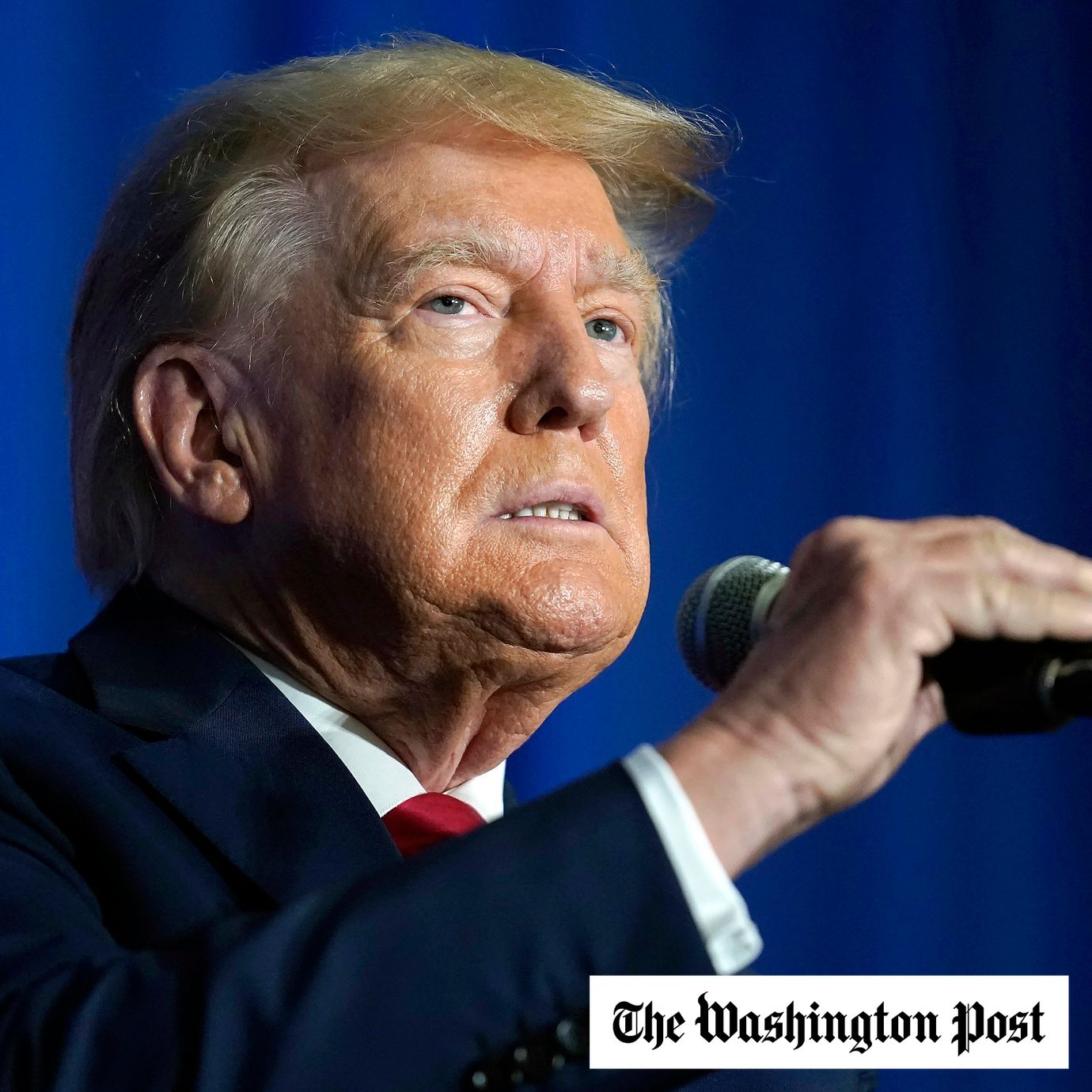
Några av världens största olje- och gasbolag är inte så exalterade över möjligheten att Donald Trump återigen kan bli USA:s president som man kanske hade kunnat tro. Det skriver Washington Post, som pratat med flera ledare inom sektorn.
Enligt tidningen har företagen även upptäckt flera saker de tycker om med president Bidens nya klimatlag. Trumps utlovade importskatter kan göra det betydligt dyrare att bygga nya oljeledningar och annan infrastruktur. Och så finns förstås oron för ett globalt handelskrig.
(Svensk översättning av Omni).
 Washington Post
The surprising reasons why Big Oil may not want a second Trump term
Some of the world’s biggest oil and gas companies are not as excited about a possible Trump victory in the 2024 election as one might expect.
HOUSTON - As president, Donald Trump vowed to unleash American “energy dominance,” while on the campaign trail, he has summarized his energy policies with the slogan “drill, baby, drill.”
Yet a possible Trump victory in the 2024 election is not delighting oil and gas executives as much as one might expect, according to interviews with several industry leaders at a recent energy conference in Houston.
Fossil fuel firms have found a lot to like in President Biden’s signature climate law, the Inflation Reduction Act, which Trump has vowed to unravel. The law offers lucrative tax credits for companies to capture and store carbon dioxide - subsidies that several oil giants are eager to exploit, even as they pump record amounts of crude oil and post near-record profits.
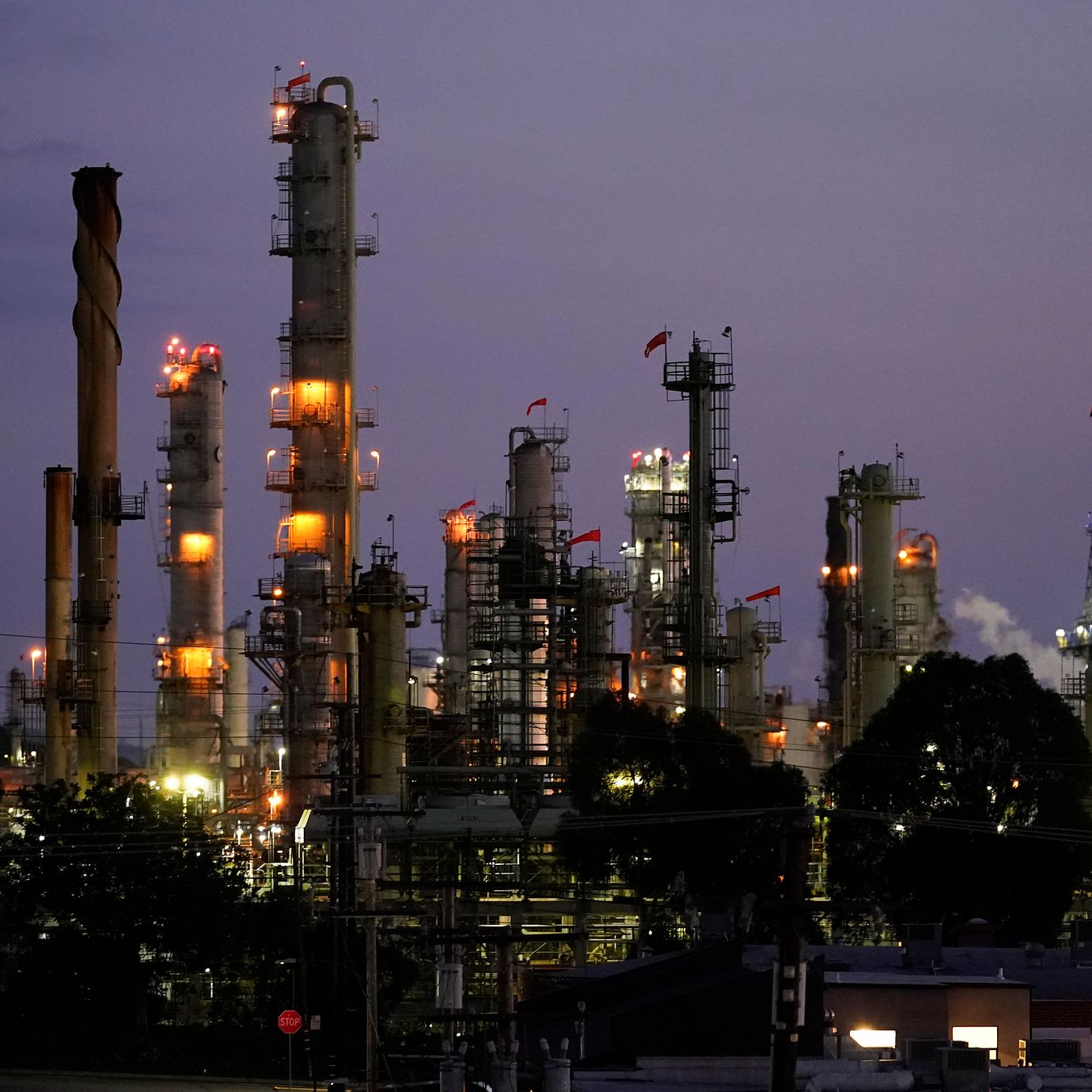
In addition, Trump has championed an “America First” approach to trade policy that prioritizes steep tariffs on imported goods. The approach could hike the costs of building new pipelines and other energy infrastructure, and it could heighten anxieties about a global trade war.
Still, fossil fuel executives have slammed Biden’s decision to pause approvals of new liquefied natural gas exports. And during the GOP presidential primary, oil barons filled Trump’s campaign coffers far more than those of his competitors.
If a poll were conducted among energy executives about the 2024 election, the results “would be a little more balanced than people might expect,” Alan Armstrong, president and CEO of the gas pipeline company Williams, said in an interview at CERAWeek by S&P Global.
“If you’re asking people personally, they’re probably tired of being told they’re bad people by the current administration. But from a business objective standpoint, it would be a much more balanced perspective.”
Armstrong said many fossil fuel executives feel the Biden administration has unfairly demonized their industry because of its role in causing climate change. But that’s a personal sentiment, not a professional one, he said.
“If you’re asking people personally, they’re probably tired of being told they’re bad people by the current administration,” Armstrong said. “But from a business objective standpoint, it would be a much more balanced perspective.”
Trump plans to gut the Inflation Reduction Act, including its generous tax credits for clean energy and electric vehicles, should he return to the White House, according to senior campaign officials and advisers to the former president.
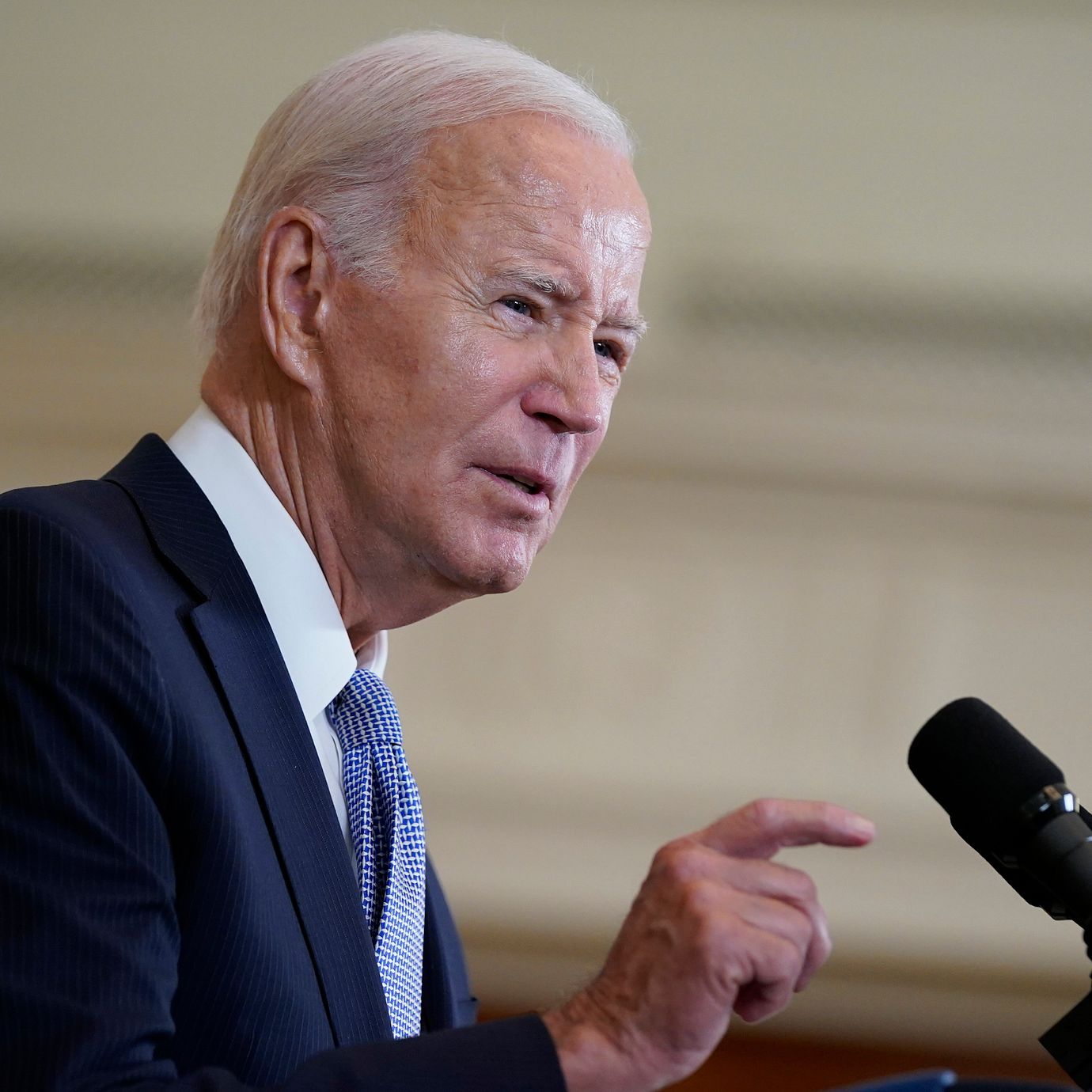
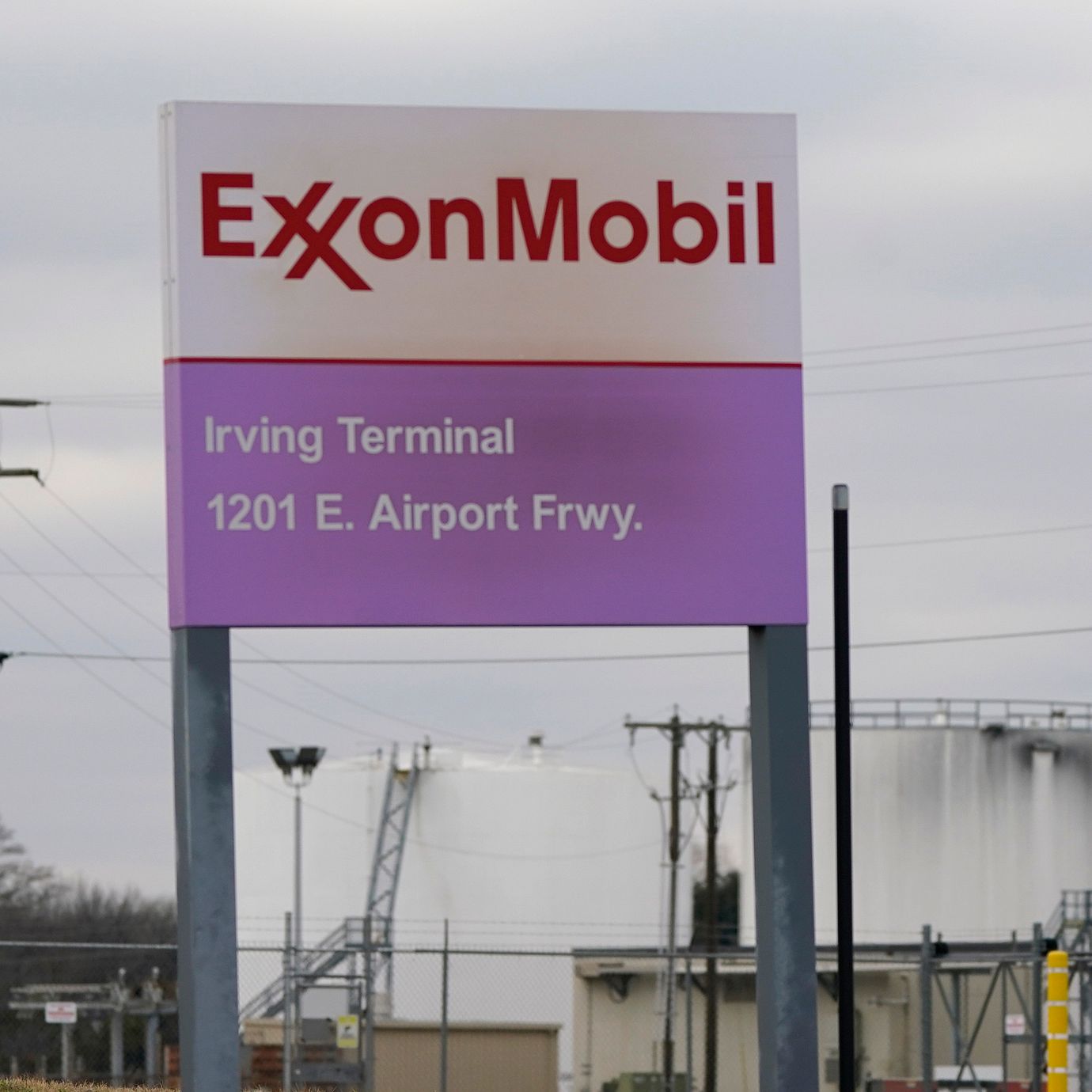
Yet several oil industry executives have praised the Inflation Reduction Act - the IRA for short - for helping their companies pursue still-unproven green technologies such as carbon capture and clean hydrogen. The subsidy for carbon capture has especially benefited ExxonMobil, CEO Darren Woods acknowledged at CERAWeek.
“I was very supportive of the IRA - I am very supportive of the IRA - because as legislated the IRA focuses on carbon intensity and in theory is technology-agnostic,” Woods said. “They’re not trying to pick a particular technology.”
Vijay Swarup, Exxon’s senior director of climate strategy and technology, added that the IRA is “getting projects to advance.” Exxon has signed contracts to store the carbon captured from an ammonia plant and a steel plant in Louisiana, as well as a yet-to-be-built hydrogen plant in Texas, Swarup said in an interview.
While in the White House, Trump proclaimed himself a “Tariff Man” - and he has no intention of abandoning that self-appointed title if reelected.
Of course, Trump could not unilaterally repeal the IRA subsidies. He would need Congress to pass legislation, meaning Republicans would need to maintain control of the House and retake the Senate, in addition to clinching the White House.
In that scenario, Mike Sommers, president and chief executive of the American Petroleum Institute, said the trade group would aggressively lobby against any proposals to scrap green subsidies that have helped the industry.
“I suspect that when there is an attempt to repeal the IRA - and there will be - it will end up looking more like a scalpel-like approach rather than a butcher knife,” Sommers said. “And we’ll advocate for the provisions that we support.”
While in the White House, Trump proclaimed himself a “Tariff Man” - and he has no intention of abandoning that self-appointed title if reelected.
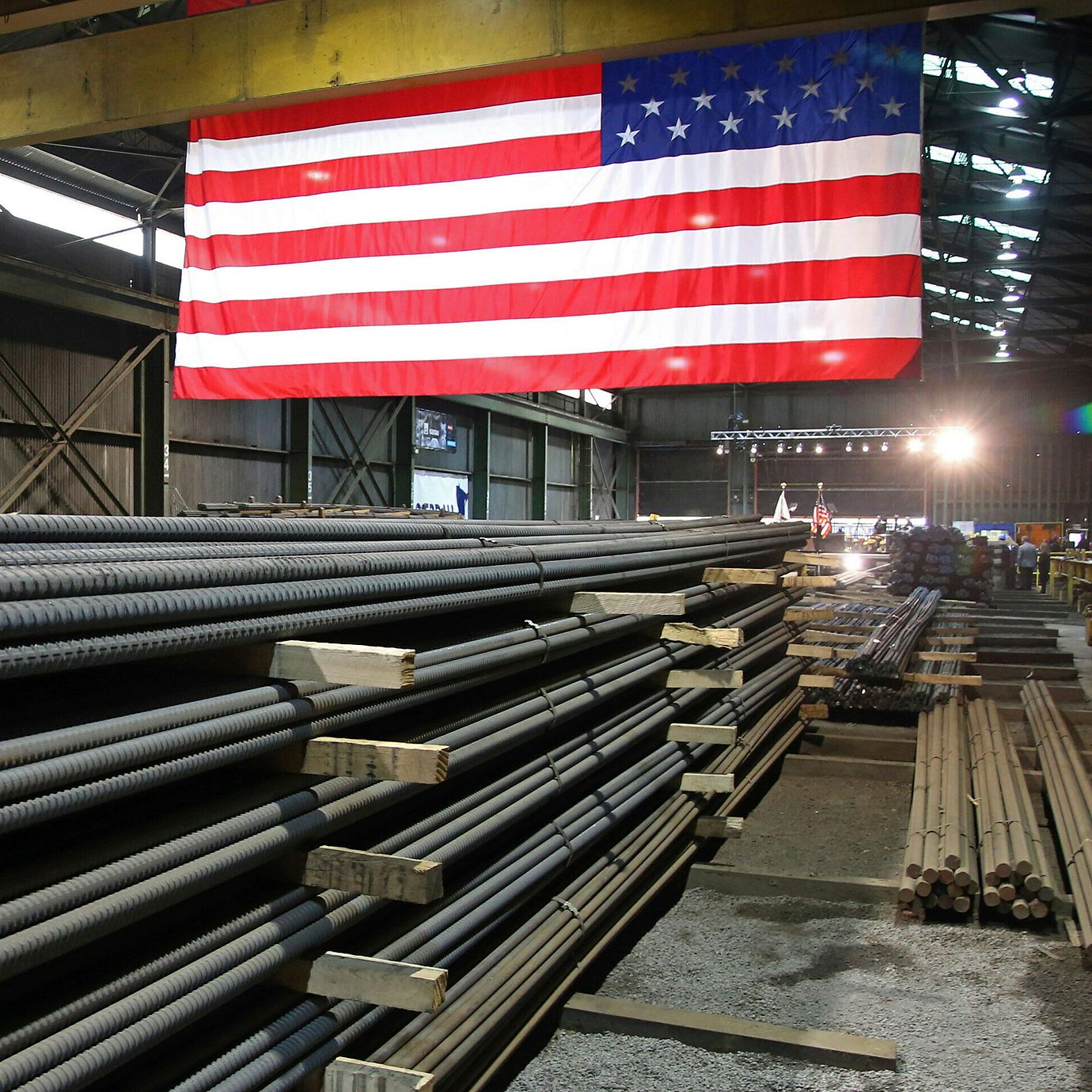
Publicly, Trump has floated the idea of imposing a 10 percent tariff on every good coming into the United States. Privately, he has discussed with advisers the possibility of imposing a flat 60 percent tariff on all Chinese imports, The Washington Post previously reported.
At a rally in Ohio this month, Trump also pledged to slap a 100 percent tariff on Chinese vehicle imports - part of a broader tirade in which he warned of a “bloodbath” for the U.S. auto industry if he is not reelected.
Sommers said such proposals, which are widely viewed as likely to spark a global trade war, carry “risks” for his sector.
“Particularly for the products that are produced here in the United States, we need free trade for these goods to flow,” he said. “I think we are concerned about kind of a retrenchment to a more nationalistic approach on trade policy. So that’s one example of an area where we’re not going to be aligned with a potential President Trump.”
But Dan Eberhart, chief executive of the oil-field services company Canary and a Trump supporter, said he isn’t worried about the former president’s trade policies. He said any adverse impact of tariffs would be canceled out by other pro-fossil-fuel policies, such as more offshore oil and gas lease sales in the Gulf of Mexico.
“In general, I don’t like protectionist policy,” Eberhart said. “But I really think that the Trump administration will be more pro-oil and gas than the Biden administration.”
The Trump campaign did not respond to specific questions for this story. In an emailed statement, spokeswoman Karoline Leavitt said that “on day one, President Trump will unleash American Energy to lower inflation for all Americans, pay down debt, strengthen national security, and establish the United States as the manufacturing superpower of the world.”
The Biden campaign did not immediately respond to a request for comment.
© 2024 The Washington Post. Sign up for the Today's Worldview newsletter here.