Nya SEC-regler kan ändra priset på tusentals aktier
USA:s finansinspektion SEC har antagit nya regler som förändrar prissättningen av aktier och handelsavgifter. Syftet är att förbättra marknadslikviditeten och sänka kostnaderna för investerare, skriver Barron’s.
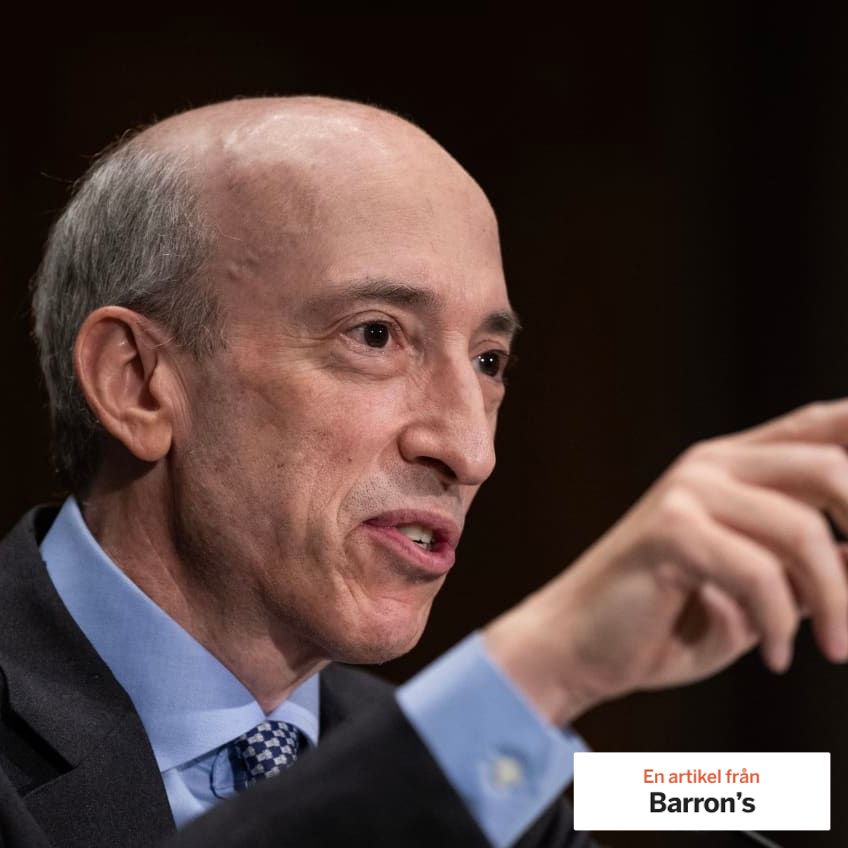
SEC-toppen Gary Gensler kallar det för en ”fantastisk dag” för investerare. Börsoperatören Nasdaq är inte lika optimistisk, utan menar att reglerna kan orsaka ”allvarlig skada” för de amerikanska börserna.
Ändringarna kan vara en av Genslers sista stora reformer innan ett möjligt ledarskifte inom SEC efter presidentvalet.
 Barron's
New SEC Rules Will Change the Price of Thousands of Stocks
New rules that change how stocks are priced, and the cost to trade them, were adopted unanimously at Wednesday morning’s meeting of the U.S. Securities and Exchange Commission.
The proposals are tamer versions of the ambitious revamp of American stock trading that SEC Chair Gary Gensler proposed two years ago. In an outcome that has been rare in recent years, the commission’s Republican members joined the Democrat majority in voting for the changes.
Still, the new rules could affect the revenue of stock-exchange operators such as Nasdaq and Intercontinental Exchange , parent of the New York Stock Exchange. Those exchange operators were not happy with change.
One new rule will reduce the smallest increment for a stock-price quote from today’s one penny, to half a cent on popular stocks where there is evidence that bids and offers would appear at those narrower spreads. The new quote increments, commonly known as “ticks,” will apply to stocks priced above $1, narrowing the spread between the best bid and offer.
“This is a great day for investors, the SEC, and our equity markets”
Stocks quotes have been set in penny increments since 2005, noted Gensler in his prepared remarks.
“When I started on Wall Street, markets were quoted in fractions of dollars as they had been all the way back to the 18th century,” he said. “By the 1990s, though stock exchanges had shifted their rules to allow quotes in sixteenths of a dollar, investors were clamoring for lower quote increments. Such wide spreads may have benefited brokers and dealers, but investors benefit when quoted spreads are tighter.”
Last year, about 74% of share volume and half of dollar volume was in stocks with less than 1.5 cents between the best quoted bid and offer. That tight spread suggested that more investors would have traded at a narrower spread—in other words, trading liquidity in the stock was constrained by the tick sizes.
SEC economists estimate that quotes for as many as 1,750 stocks were constrained by the penny tick-size last year. Typically, such tick-constrained names are the most popular, high volume stocks, in which traders would be willing to make bids and offers at smaller price increments. Under the new rule, a stock’s eligibility for the half-cent spread could change twice a year, depending on its trading.
The rule changes price quotes, but not the prices at which stocks actually trade. An earlier proposal would have also narrowed trading increments.
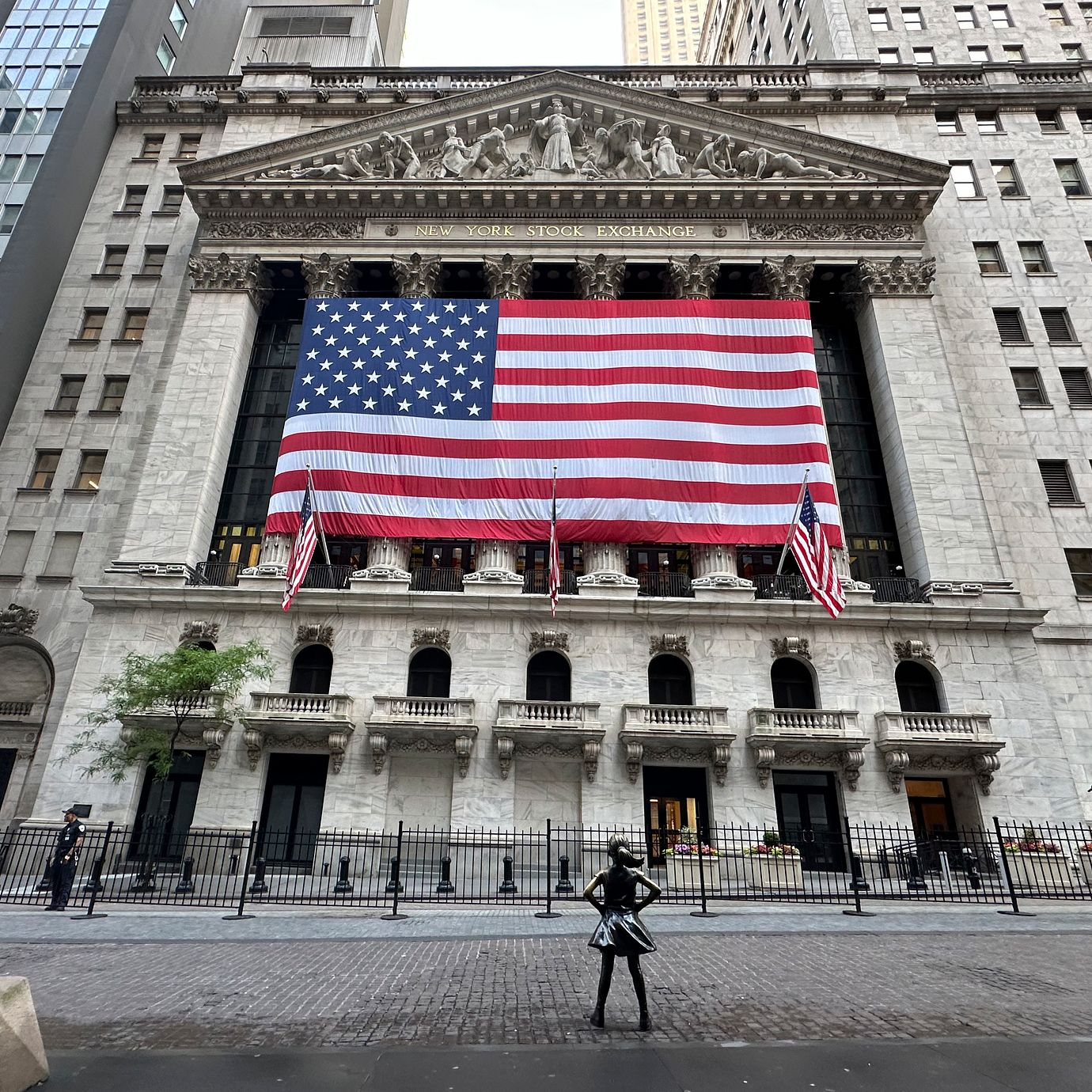
Another rule reduces the fees and rebate payments that stock exchanges pay to encourage trading in less liquid stocks. Today, fees and rebates are capped at 30 hundredths of a cent per share. The rule will cap them at 10 hundredths.
Rebates are an important way that exchanges such as Nasdaq compete to attract liquidity—traders who stand ready to take the other side of a bid or offer. The exchanges won’t be happy if the new cap becomes law, and it remains to be seen whether they will mount a court challenge.
While Nasdaq said it is reviewing the rule, it didn’t like what it saw.
“Our initial assessment suggests that the Commission’s rules lack foresight and do not consider the intricate dynamics of the equity market, ignoring the concerns expressed by a diverse array of market participants,” said the exchange operator, in a written statement. “We believe the rules will impose serious harm to the long-term strength of the U.S. equity market, weaken the National Best Bid and Offer, and ultimately increase costs for investors and listed companies.”
Buyside investors seemed to like the rules, however. A hedge fund trade group known as the Managed Funds Association expressed support.
“The market structure amendments will enhance U.S. capital markets and all investors will benefit from the move to half-penny tick sizes,” said MFA chief Bryan Corbett, in a statement. “It will improve market liquidity, efficiency, and resiliency and lower costs for market participants.”
“We believe the rules will impose serious harm to the long-term strength of the U.S. equity market”
The rules received the backing of Republican commissioners Hester Peirce and Mark Uyeda, leading to a unanimous vote. Their support reflects the modesty of the changes, compared with Gensler’s original ambition.
In 2022, Gensler and the commission proposed a sweeping overhaul of U.S. stock trading. They urged an end to payments made by off-exchange market makers, such as Citadel Securities and Virtu Financial , to stockbrokers for the trading orders of the brokers’ retail customers. Other proposals would have shifted trading volumes from “unlit” venues like Citadel, and back to the exchanges. Yet another of the proposals would have formalized brokers’ obligation to get the best price and trading execution for their clients.
The SEC chair has pushed for changes he believes will shift profits from Wall Street operators to investors. Many of Gensler’s ideas encountered an angry outcry, and in the end, the commission has voted on greatly narrowed versions, including the rules adopted Wednesday.
With a presidential election less than two months away, a change in administrations could result in an end to Gensler’s tenure. So the Wednesday reforms may be one of his last opportunities to change Wall Street’s rules.
“This is a great day for investors, the SEC, and our equity markets,” said Gensler.