Apples vd-byte pekar mot nya prylar – inte bara AI
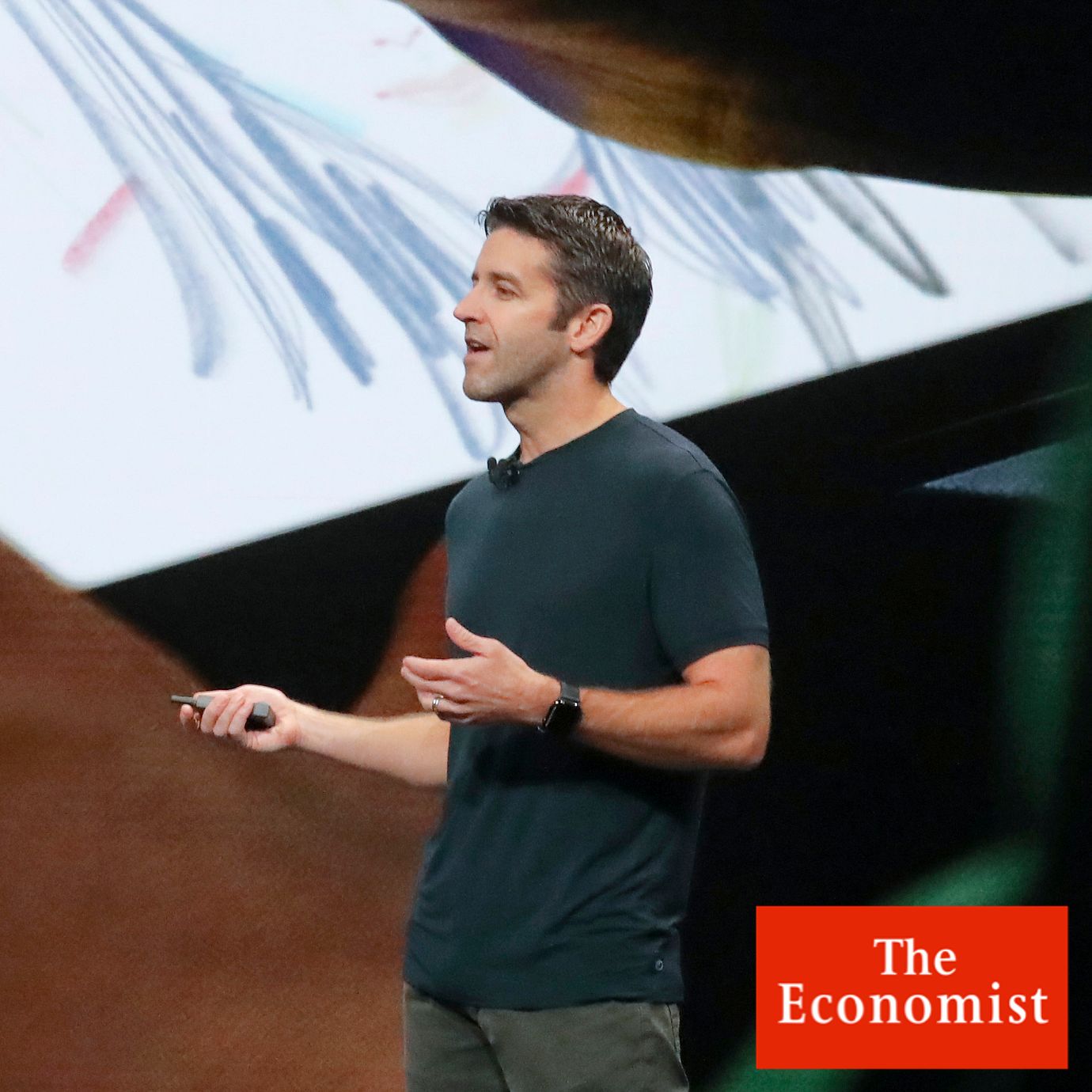
Apple väljer hårdvaruspåret i AI-racet, skriver The Economist. När Tim Cook lämnar vd-posten i september tar hårdvaruchefen John Ternus över – ett val som pekar mot att bolagets nästa stora kliv inte bara ska ske i AI-tjänster, utan i nya prylar.
Ternus får i uppdrag att hitta Apples nästa formfaktor efter Iphone, Mac och Ipod.
– Om man befordrar hårdvarukillen till vd vill man att innovationen ska komma från hårdvarusidan, säger Gil Luria, aktieanalytiker på DA Davidson.
 The Economist
Tim Cook hands Apple over to its hardware guru
John Ternus’s task is to transform the iPhone-maker for the AI era.
One of the hallmarks of Tim Cook’s 15-year tenure at the helm of Apple has been an almost metronomic reliability. This may be true even when it comes to succession. On April 20th the iPhone-maker announced that Mr Cook would hand over the CEO role to John Ternus, Apple’s head of hardware engineering. Few corporate leadership changes are more noteworthy. Yet in late trading, Apple’s shares barely faltered on the news.
Mr Cook, who took over from Steve Jobs, the company’s co-founder, in 2011, will remain at Apple as executive chairman. He is stepping aside with the company near the top of its game; iPhone sales are booming and its market value has risen by more than 40% to over $4trn in the past year. Yet the question raised by the shake-up is whether Mr Ternus, who has spent almost half his life at Apple and is steward of the iPhone’s recent success, can transform the company for the era of artificial intelligence. As yet, neither Mr Cook nor he have risen to the challenge.
He thinks the new boss will focus on new form factors, such as smart glasses, virtual-reality kit and other AI-friendly gadgets
The timing of the announcement, which is due to take effect on September 1st, came a bit sooner than some had expected. But it was not a shock. This year is Apple’s 50th anniversary. Mr Cook is 65. Mr Ternus, 50, had emerged as the most likely heir-apparent, partly because of his success in revamping the iPhone, and also because he shares some of Mr Cook’s unflashy but unflappable qualities.
Some argue that in the age of AI, Apple needs more of a software-and-services focus. Its much ballyhooed “Apple Intelligence”, which is aimed at serving AI to users of Apple devices, has been a flop since it was unveiled almost two years ago. Siri, Apple’s voice assistant, has not been transformed by AI in the way many had hoped. Apple is relying on Gemini models from its big-tech rival, Alphabet’s Google, to dig it—and Siri—out of an AI hole.
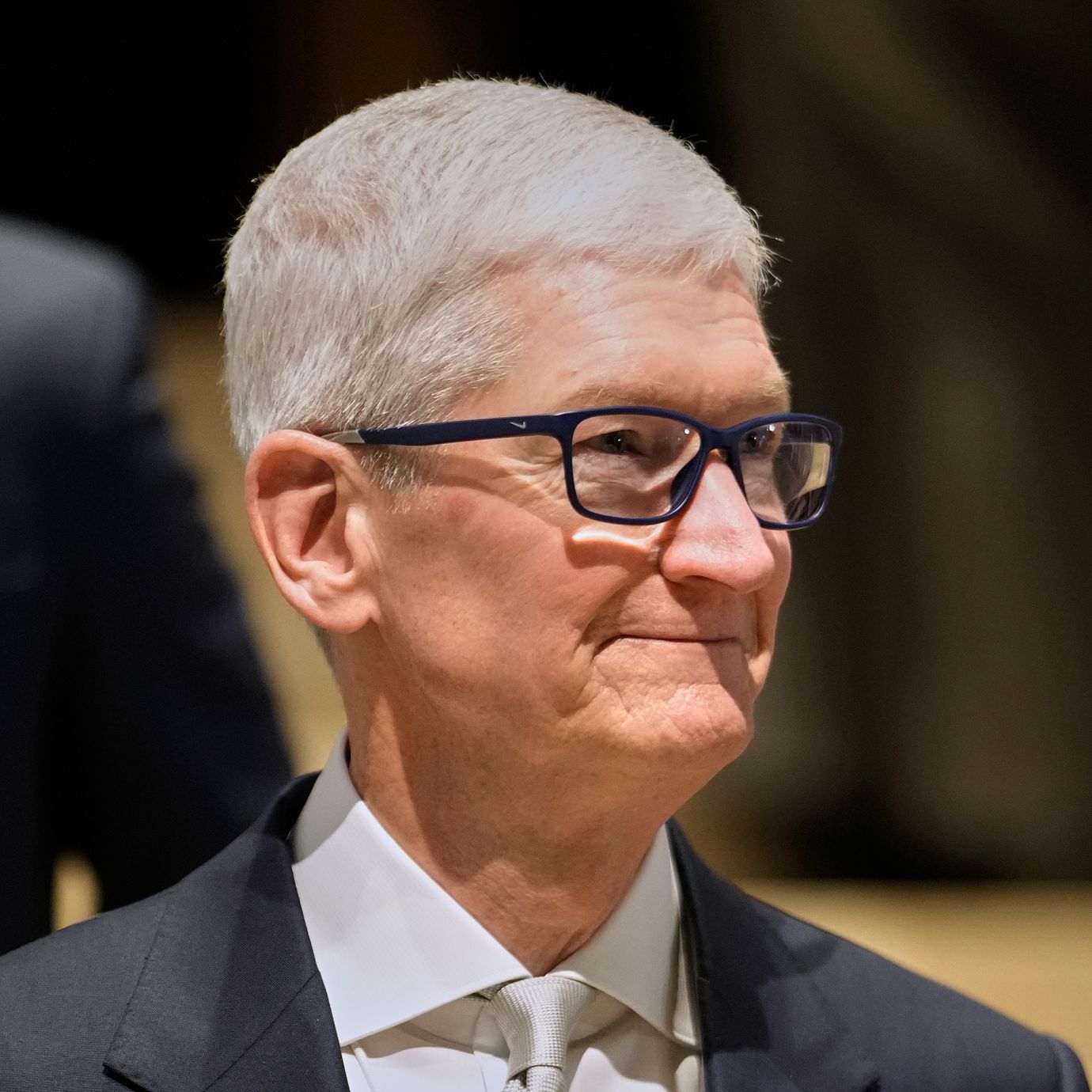
But the elevation of Mr Ternus and a powerful new role for Johny Srouji, who has helped drive Apple’s chip strategy, shows that the company believes doubling down on hardware, rather than software, is the best way forward. “It seems like if I’m promoting the hardware guy to be CEO, I want innovation to come from the hardware side,” surmises Gil Luria, a tech equity analyst at D.A. Davidson, a financial-services firm.
Hardware innovations—or new “form factors”—have been pivotal in Apple’s history: the Mac shook up desktop computing; the iPod transformed listening to music; and the iPhone gave new meaning to the smartphone. But all these happened during Jobs’s tenure. Under Mr Cook, Apple’s success has been more down to ground-breaking process improvements, especially building a supply chain in China, rather than revolutionary products. Mr Luria expects Mr Ternus to change that. He thinks the new boss will focus on new form factors, such as smart glasses, virtual-reality kit and other AI-friendly gadgets. Double-digit growth in annualised iPhone sales so far this year, thanks to improvements in the latest models, suggests Mr Ternus is up to the job, Mr Luria reckons.
That gives Mr Ternus particularly big shoes to fill
As for Mr Cook, he can step aside with pride. In the decade and a half since 2011, Apple’s annual sales have risen from $108bn to $416bn. Its profits have ballooned. Its share price has risen almost 2,000%. And it has returned huge amounts of cash to shareholders, through dividends and share buy-backs. He has proved wrong the adage that you don’t want to be the CEO who follows a legend. That gives Mr Ternus particularly big shoes to fill. He will be the CEO to follow two successive legends.
© 2026 The Economist Newspaper Limited. All rights reserved.