Buffett och Dimon pekar ut bättre väg än slopade delår

USA:s finansmyndighet SEC vill lätta på rapportkraven för amerikanska börsbolag och öppna för halvårsrapporter i stället för kvartalsvisa uppdateringar. Tanken är att sänka kostnaderna och dämpa kvartalshetsen. Men det finns en uppenbar risk: att marknadens insyn försämras.
I stället kan SEC hämta inspiration från Warren Buffett och Jamie Dimon, skriver Barron’s. När de 2018 argumenterade för mindre kortsiktighet pekade de inte ut rapporterna som huvudproblemet, utan prognoserna.
”Kvartalsvis vinstguidning leder ofta till ett osunt fokus på kortsiktiga vinster på bekostnad av långsiktig strategi, tillväxt och hållbarhet”, skrev Buffett och Dimon.
 Barron's
Kill Quarterly Earnings Reports?
Warren Buffett and Jamie Dimon Had a Better Idea.
Farmers have removed the edible wheat from the indigestible chaff of their grain crops for centuries, in a practice that has spawned a host of analogies, including religious texts, about separating the good from the bad.
The Securities and Exchange Commission, in an attempt to address a long-simmering disconnect between long-term investors and Wall Street when it comes to corporate reporting, appears to be focusing on the wheat of quarterly corporate reporting. It may do better to address the chaff of quarterly earnings guidance.
At the behest of President Donald Trump, and a groundswell of smaller company advocates, the SEC is looking to end a longstanding requirement that listed companies publish detailed investor updates every three months. The proposal, reported Tuesday by The Wall Street Journal, would instead give companies the option to file semi-annual reports.
Supporters of the proposal said it will save companies time and money, reduce the incentive to chase short-term goals, and align their communications with requirements in other markets around the world.
There’s merit in both camps
Opponents argue it will reduce transparency, stoke market volatility, and increase the cost of capital as investors demand higher returns to compensate for the reduction in updates.
There’s merit in both camps.
The cost, in time and red tape untangling, of quarterly reporting is immense, and for larger firms can approach $100 million a year when audit fees are included. Slimming this down to twice a year would boost shareholder returns.
But transparency, especially when investors are grappling with hidden risks in private credit markets that are rattling nerves on Wall Street, has value beyond its line-item cost.
In a fast-moving economy, gripped by evolving technologies like artificial intelligence, a company’s entire existence can be challenged in a six-month window.
Threading the needle between investors’ need for information and a company’s ability to focus on its core competency isn’t easy—but in some ways the SEC’s proposal fails at both.
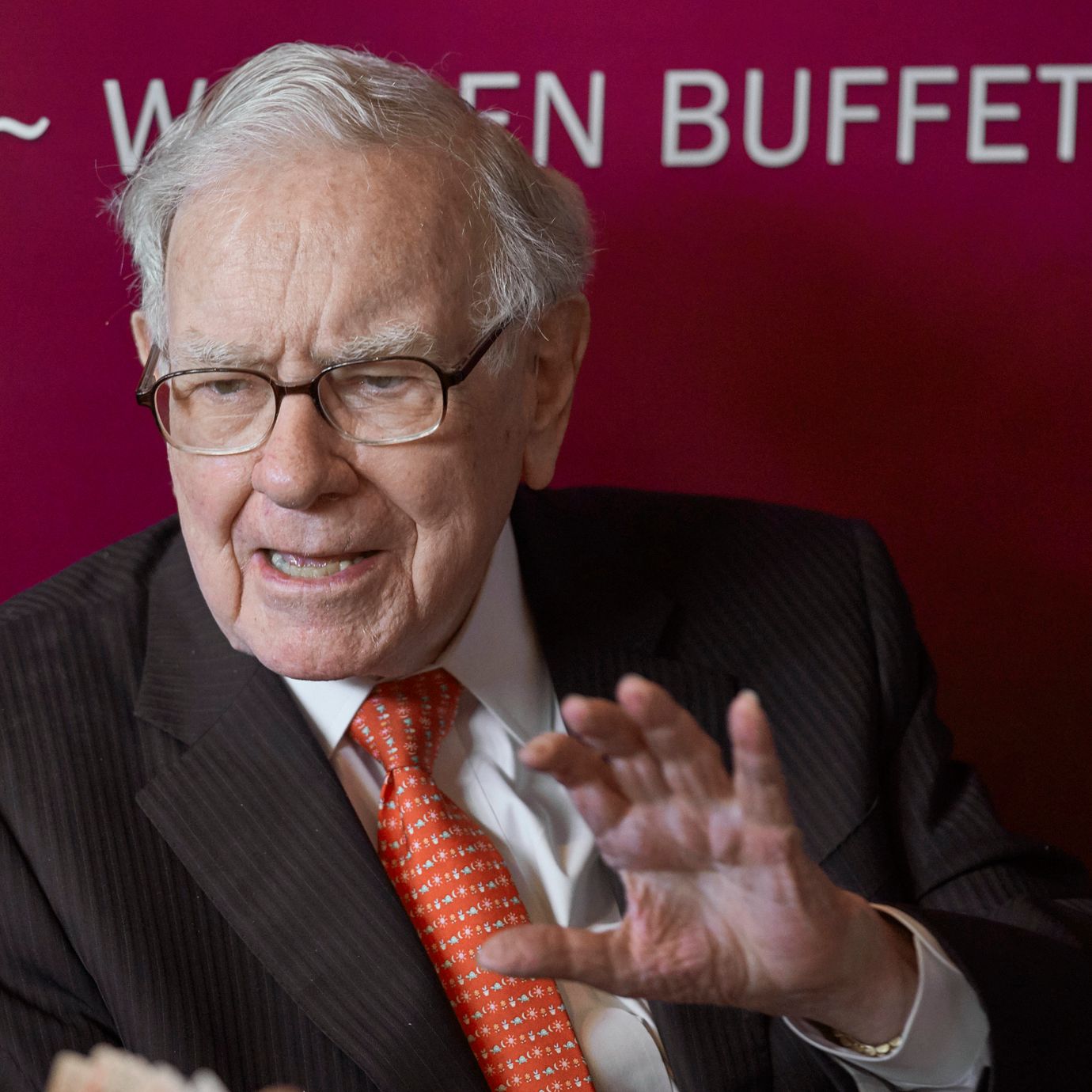
A better approach was offered by two of America’s most-respected financial voices nearly a decade ago. And it seems even more pertinent today.
Billionaire investor Warren Buffett, chairman of Berkshire Hathaway, alongside JPMorgan Chase CEO Jamie Dimon, penned a Wall Street Journal piece in 2018 that argued for the end of quarterly earnings guidance, or the practice of company bosses attempting to predict short-term profits for the benefit of Wall Street analysts.
“The pressure to meet short-term earnings estimates has contributed to the decline in the number of public companies,” the pair said. “Short-term-oriented capital markets have discouraged companies with a longer term view from going public at all, depriving the economy of innovation and opportunity.”
“Fewer public companies has also meant fewer opportunities for retail investors to create wealth through their 401ks and individual retirement accounts,” they added.
CEOs claim not to care about the day-to-day movements in their share price but few outside of their management team would accept that as true
Buffett and Dimon didn’t explicitly say that earnings guidance contributes substantial fuel to Wall Street’s “sell-side” engine, but anyone who follows financial markets will tell you that it does.
A company can publish big year-on-year profit gains but see its stock decline because the bottom line didn’t meet a consensus forecast figure collated from a dozen or so investment banks.
CEOs claim not to care about the day-to-day movements in their share price but few outside of their management team would accept that as true.
So pressure to meet forecasts can result in both understated outlooks, which can confuse investors, and decisions on capital allocation, innovation and hiring that can damage a company over time.
In addition, the “gamification” of stock markets, where betting on “beats” and “misses” in earnings reports can result in big gains or losses, becomes more deeply entrenched.
“In our experience, quarterly earnings guidance often leads to an unhealthy focus on short-term profits at the expense of long-term strategy, growth and sustainability,” Buffett and Dimon said.
The SEC would be much-better served by taking on this issue—the chaff of the financial markets—than severing the wheat of corporate transparency.