”EU-valet i skuggan på börsen – allt ljus på Trump”
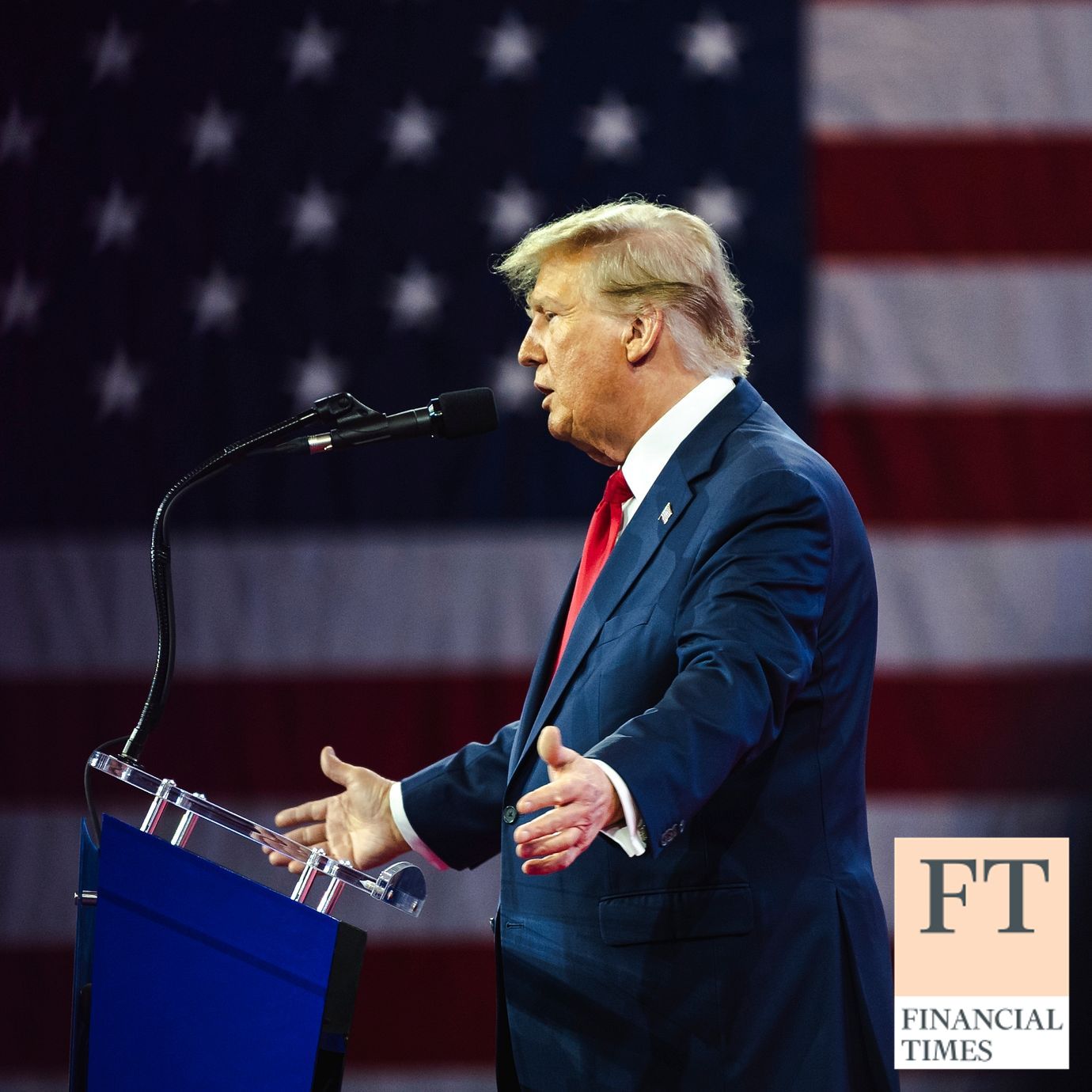
Med det kommande presidentvalet i USA blir det allt svårare för marknaden att ignorera den politiska oron. Donald Trumps återvalskampanj tvingar investerare att omvärdera sina strategier, skriver Financial Times Katie Martin i en opinionsartikel.
Medan EU-valet har tappat i betydelse på grund av EU-parlamentets ”tandlösa” natur, har USA-valet en annan genomslagskraft.
Trumps retorik och politik kan visa sig bli avgörande för den ekonomiska stabiliteten. Investerare måste nu skifta sitt fokus från företagsvinster till politiska risker.
 Financial Times
Markets cannot keep ignoring Trump’s bid for re-election
The stakes of US fiscal policy are too high.
Investors are generally able to ignore the noise of national politics and focus on drier matters such as corporate earnings or the minutiae of monetary policy, enabling them to keep their cool around the tawdry drama and bright lights of elections.
The upcoming UK general election campaign, for example, is unlikely to leave a serious or lasting mark on the country’s stocks and bonds. It is tough to find an investor with a strong view on the EU parliament vote coming up in early June, either. The latter’s “diminished significance” for investors stems from the “toothless” nature of the EU parliament, says German asset manager DWS. Harsh but fair.
Fund managers suffered from several big blind spots in the aftermath of the pandemic
Level-headed strategists have also declared that it is foolhardy for investors to take a stance on US politics. After all, the commonly accepted argument in 2016 that a victory for Donald Trump would harm US stocks proved to be wide of the mark.
But as the November presidential vote comes closer, this keep-calm-and-carry-on attitude is likely to buckle. In part, that is because of the potentially high stakes of US fiscal policy. Unchecked, lavish government spending poses a risk to the stability of US government bonds, the bedrock of the global financial system. Here, however, reasonable people can disagree over how much pain this can inflict. Already, bonds trade at somewhat weaker levels than the interest rate outlook alone would suggest, meaning some risks are already priced in.
The bigger, and often under-appreciated, dividing line for markets in US politics is immigration. This is unfamiliar territory with high stakes and two main candidates sketching out radically different stances.
Fund managers suffered from several big blind spots in the aftermath of the pandemic. One was the resilience of the mighty US consumer, buoyed along by surprisingly robust household savings after the lockdowns. Another was the economic support delivered by US fiscal expansion. The biggest was the huge flow of migrants to the US — north of 3mn people in 2023, compared with the 1mn predicted before the pandemic, according to the Congressional Budget Office.

Typically, investors see immigration as a somewhat unsavoury, divisive issue that is perfect for politics but not for markets. The overshoot, however, is large enough to make it meaningful for portfolios. It has made the US economy larger, producing more consumption. But it has also placed a lid on wage demands and in turn helped to pull down inflation levels and fuel expectations that interest rates could soon fall. Some analysts reckon it helped to suppress core inflation, on the Federal Reserve’s preferred measure, by as much as half a percentage point.
“Immigration was a key driver last year,” said Greg Peters, co-chief investment officer at PGIM Fixed Income. “That broadening of the labour supply eased the pressure and allowed some disinflation. Part of our US exceptionalism story is around immigration.”
The Kansas City Fed said this month that the “remarkable” resurgence in immigration after the end of travel restrictions in 2022 and 2023 “appears to have helped alleviate the severe staffing shortages in certain industries that were pervasive during the pandemic’s volatile period”.
“The scenario where stocks get pushed over the edge wanders into politics”
Navigating markets for the rest of the year demands that investors perform a near-impossible task, and get inside Trump’s head. On the campaign trail, the would-be comeback president has talked about a desire for mass deportations to counteract immigration that he says is “poisoning the blood” of the US. Is he serious? Some political analysts fear he is. Business groups are expressing alarm, saying any significant immigration crackdown would cut off an important source of cheap labour.
The issue is not entirely binary. President Joe Biden is also under pressure from Democrats to address the record-breaking levels of migration from the country’s southern border.
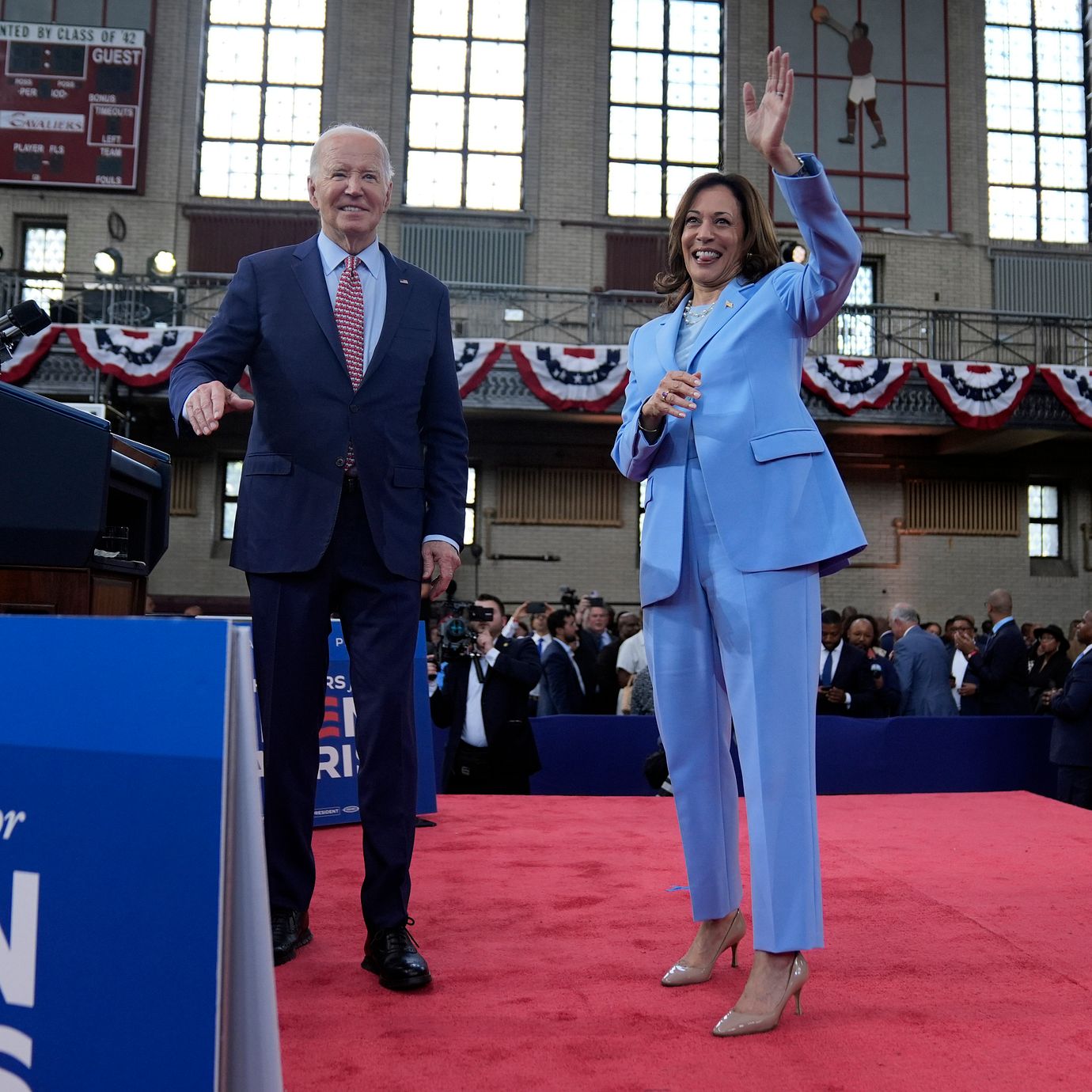
Investors are watching closely. “The scenario where stocks get pushed over the edge wanders into politics,” said Michael Kelly, head of multi-asset at PineBridge Investments. Two of Trump’s favourite topics — punishing tariffs on imports and a tough stance on border issues — are both potential sources of a resurgence in inflation that could put interest rate rises back on the agenda.
Expect this issue to be “at the forefront as we enter the home stretch of the 2024 US election”, noted the economics team at Deutsche Bank.
Politics doesn’t matter for markets until it does. Investors will have little choice but to immerse themselves in the uncomfortable reality of Trump’s rhetoric in the coming months.
©The Financial Times Limited 2024. All Rights Reserved. FT and Financial Times are trademarks of the Financial Times Ltd. Not to be redistributed, copied or modified in any way.