Trumps miljardspel i Caracas vilar på skakig grund
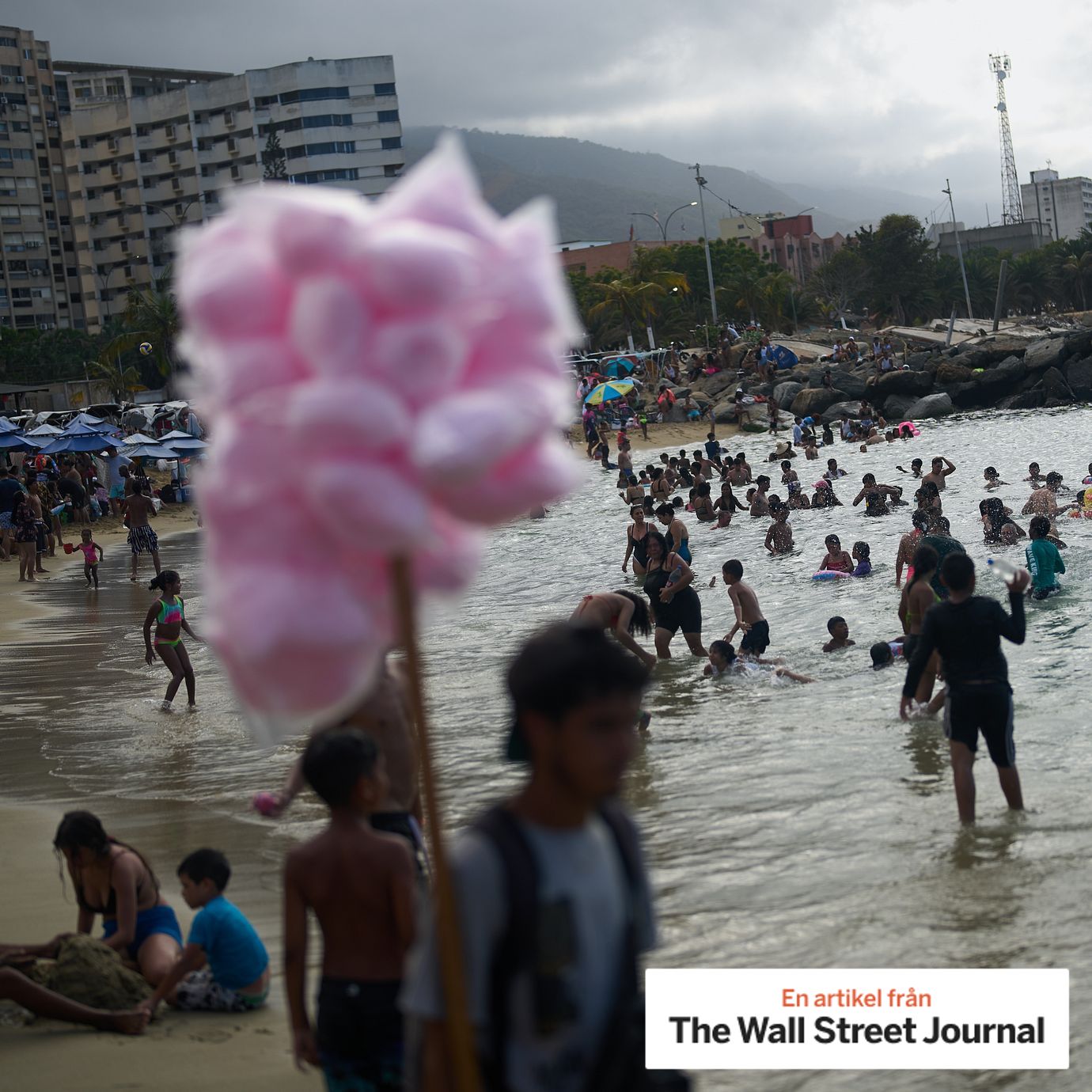
Trots att Nicolás Maduro förts till USA sitter samma maktelit kvar vid rodret i Caracas. Under deras styre har Venezuelas ekonomi krympt med nära 70 procent sedan 2013, enligt IMF.
När räkjätten Grupo Lamar beslagtogs rasade exporten – ett exempel på hur regimen tagit över och kört företag i botten.
– Det är samma taktik som alltid, sa inrikesminister Diosdado Cabello om tillslaget.
Nu hoppas USA på en nystart och nya investeringar i landet. Men bristen på rättsstat och äganderätt fortsätter att avskräcka kapital, skriver Wall Street Journal.
 The Wall Street Journal
Venezuela’s Leaders Killed the Economy. They Are Still In Charge.
With Nicolás Maduro in custody, the U.S. expects regime leaders to attract investors by fixing all they broke—from property rights to the rule of law.
Dozens of armed government agents swarmed the offices of shrimp producer Grupo Lamar, a family owned business that had emerged as one of Venezuela’s largest exporters after the collapse of the oil industry.
The owners are terrorists, agents told petrified workers. You now work for the Venezuelan state, the agents said, according to people familiar with what happened.
In a news conference about the seizure, Diosdado Cabello, Venezuela’s interior minister, said Grupo Lamar’s owners had been plotting to overthrow the government, sabotage the electrical grid—and even ruin the holiday season.
“It’s the same playbook as always—trying to cancel Christmas in Venezuela,” said Cabello, who is responsible for quashing dissent against the regime.
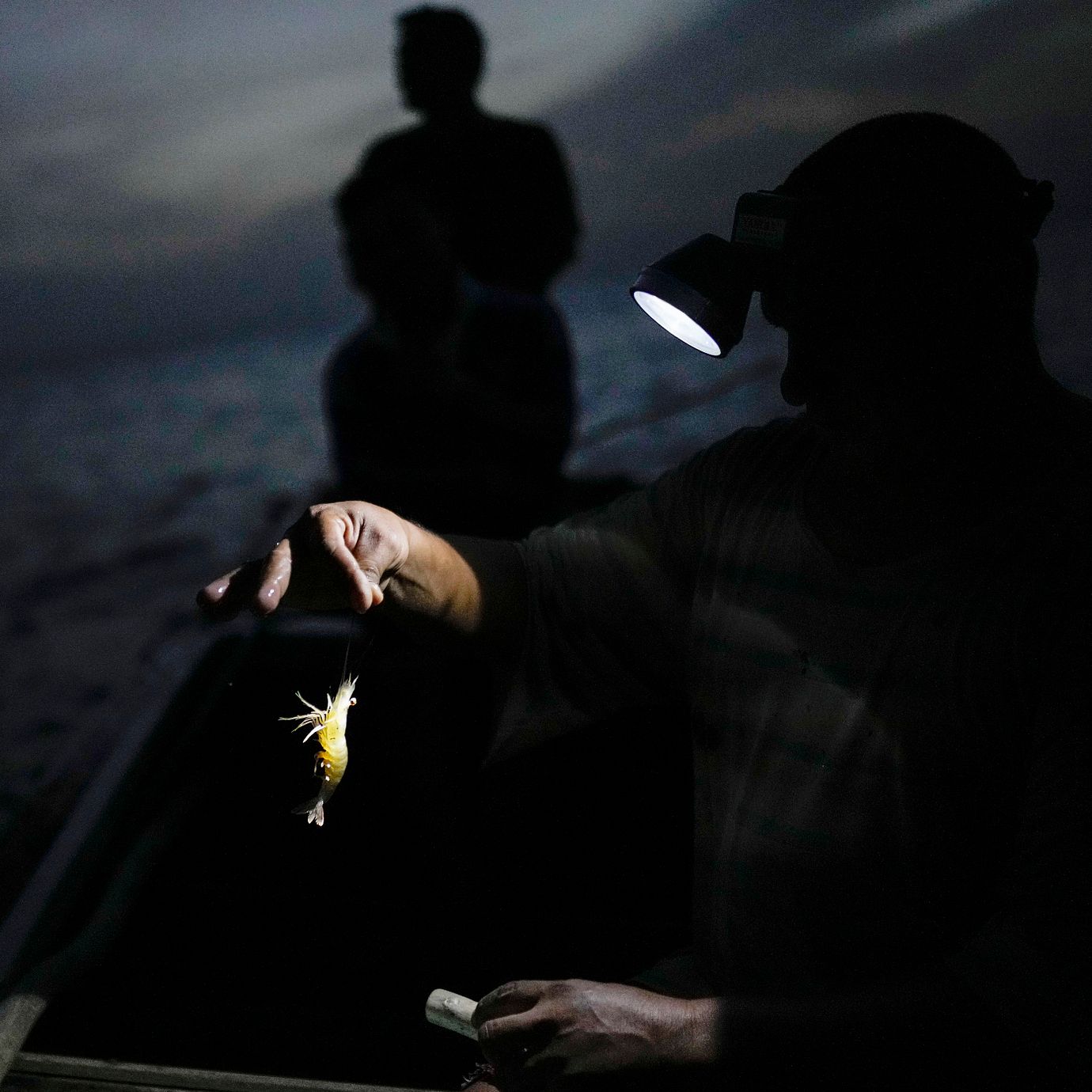
Venezuelan officials fired top managers at Grupo Lamar and took control of operations. Before long, shrimp exports were falling even faster than oil output had dropped years earlier. No one was surprised: The regime has been seizing companies and running them into the ground for more than two decades, turning what was once Latin America’s most affluent country into one of its poorest.
President Trump is now betting those same officials can resurrect Venezuela’s economy and make the country safe for the $100 billion in private investment that he is trying to coax from American oil companies. It is a tall order given the regime’s 27-year record of corruption, lawlessness and the hyperinflation that has led to food shortages.
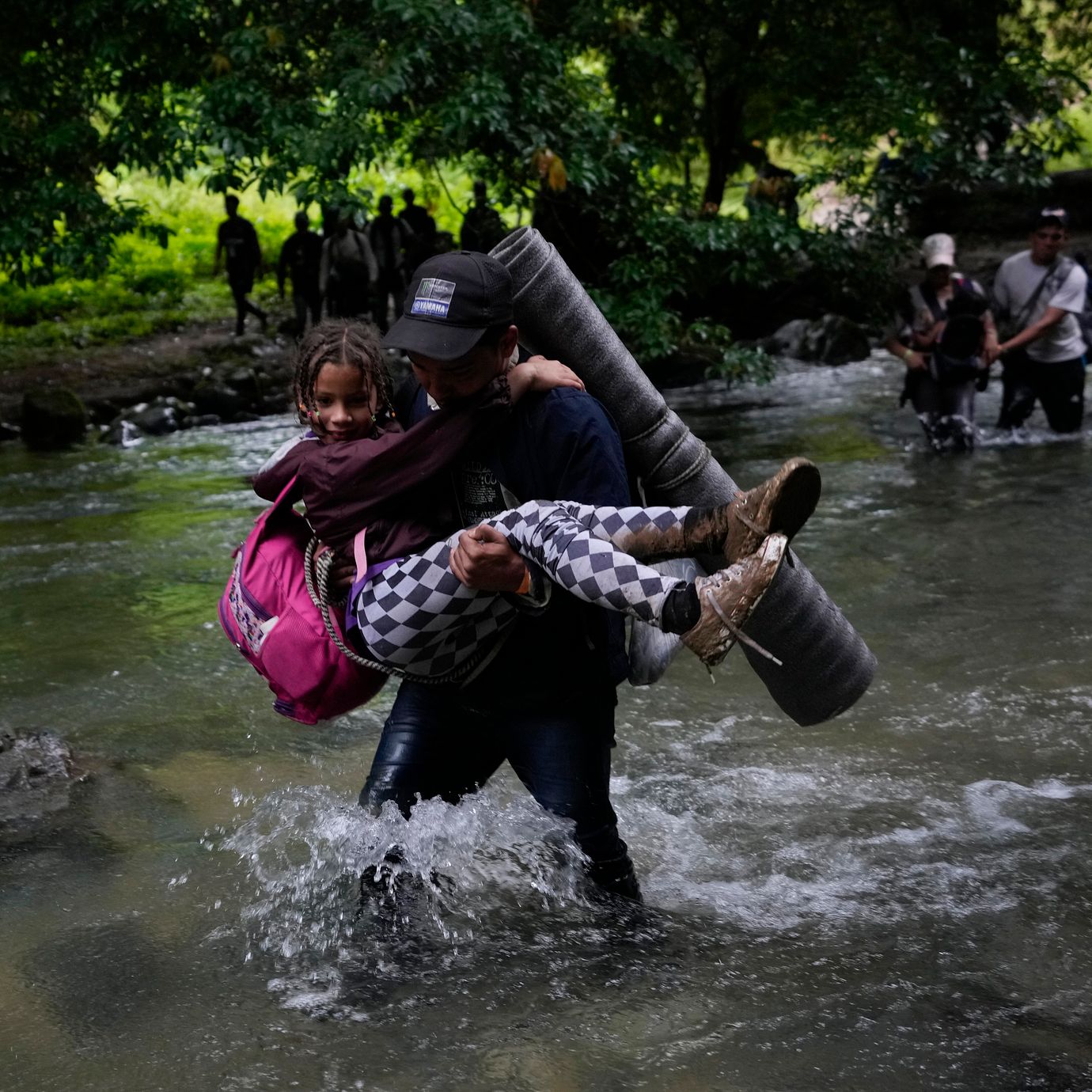
After American commandos whisked former President Nicolás Maduro and his wife, Cilia Flores, out of the country last month, Delcy Rodriguez, the vice president, was left in charge as interim president. She, along with Maduro, Cabello and other insiders, had ruled an economy the International Monetary Fund estimates contracted nearly 70% from 2013 to 2025. More than eight million Venezuelans have fled abroad since 2014, exceeding the number who escaped wars in Syria and Ukraine.
Maduro’s family and allies, meanwhile, allegedly reaped illicit profits that U.S. prosecutors say amount to billions of dollars. U.S. officials allege Maduro turned Venezuela into a narco-state.
“We are dealing with people over there that have spent most of their lives living in a gangster paradise,” Secretary of State Marco Rubio said in a Jan. 28 Senate hearing.
Relatives of Flores, Maduro’s wife, controlled financing at Petróleos de Venezuela SA, the state oil company known as PdVSA, and black-market oil sales, and engaged in money laundering, according to U.S. prosecutors and Venezuela experts. Maduro and Flores are in U.S. custody awaiting trial on drug-trafficking charges. They have denied wrongdoing.
More than eight million Venezuelans have fled abroad since 2014, exceeding the number who escaped wars in Syria and Ukraine
To ensure their loyalty, the regime gave members of the Venezuelan military and security forces a green light to operate such side businesses as illegal gold mining in Venezuela’s jungles, extortion rackets and shakedowns, according to U.S. prosecutors. Alejandro Andrade, national treasurer from 2007 to 2010, admitted to pocketing more than $1 billion in bribes to allow businessmen to conduct illicit foreign-currency transactions.
Cabello has been accused by Venezuela’s former top prosecutor of taking $100 million in bribes from Brazilian construction firm Odebrecht in exchange for state contracts. The U.S. has offered a $25 million bounty for information leading to his arrest or conviction.
Through a spokeswoman, Cabello denied the allegations involving Odebrecht and disputes the claim that he directs armed militias.
The U.S. is banking on Rodriguez to keep the peace. But Venezuelan experts say her power will be tested should armed groups controlled by her allies lose access to cash streams from oil, gold-smuggling and drug-trafficking. Cabello and Gen. Vladimir Padrino, Venezuela’s defense minister, allegedly oversee a network of generals and senior officials loosely known as the “Cartel of the Suns,” which has profited by allowing the passage of thousands of tons of cocaine through Venezuela, according to U.S. and Colombian officials.
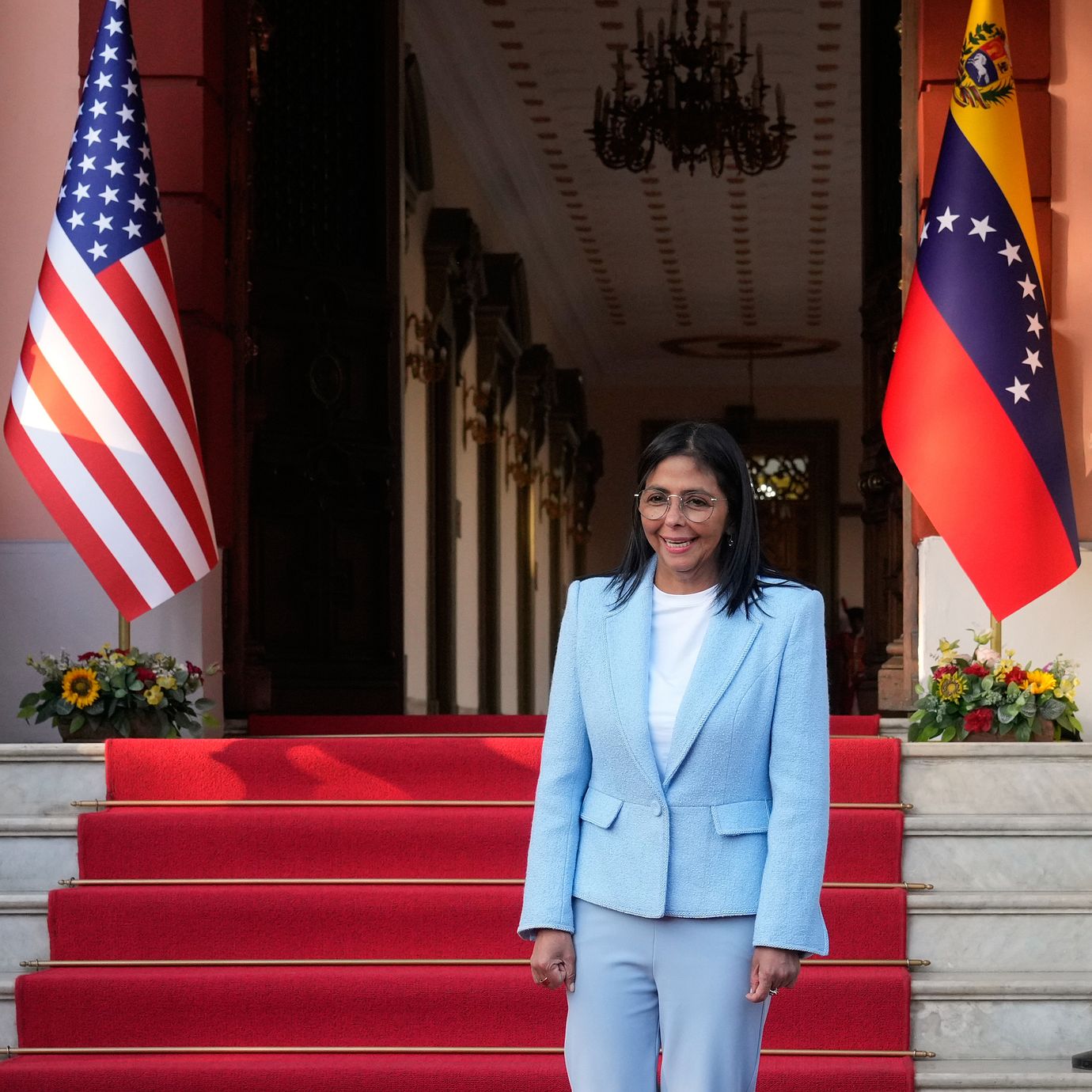
Despite Rodriguez’s longstanding role in the regime, U.S. officials have been pleased with her interim presidency so far. “I’m loving Venezuela,” Trump told reporters last month. “They’ve been working with us so well. It’s been so nice.”
Analysts say it isn’t clear how the U.S. will coax foreign investors back to Venezuela, given the regime’s history of seizing businesses and arresting executives.
“I believe that we can solve those problems and challenges and move on to the tremendous opportunities in front of us,” Energy Secretary Christopher Wright said in a Feb. 11 news conference alongside Rodriguez in Caracas.
Boom and bust
Venezuela, home to the world’s largest proven oil reserves, was the world’s top petroleum exporter for decades after ramping up production in the 1920s. By the early 1960s, its per capita economic output was higher than Japan’s.
The roots of Venezuela’s current system go back to the 14-year rule of former President Hugo Chávez, a former paratrooper elected in 1998 after almost two decades of deepening wealth inequality and stagnant living standards.
Chavez nationalized hundreds of private businesses, dismantled democratic institutions, and upended the state oil company by replacing technical experts with political appointees. The charismatic strongman developed a loyal following among Venezuela’s impoverished citizens, aided by a historic boom in oil prices during the 2000s that masked sagging production.
Maduro, Chavez’s vice president, won his first election after the leader’s death in 2013. But the former bus driver had neither his mentor’s charisma nor political hold. To make matters worse, oil prices fell by half in the first two years of Maduro’s presidency, cratering public finances.
“As the economy crashed, the illicit economy spiked,” said Patrick Duddy, the U.S. ambassador to Venezuela from 2007 to 2010.
Falling oil prices sent Venezuela’s economy into a spiral that yielded a hunger crisis. Per capita meat consumption fell from 185 pounds in 2013 to less than 40 pounds in 2018, according to the U.S. Department of Agriculture. Most of the population lost weight, and a 2020 report found that 13% of children under the age of 5 were stunted.
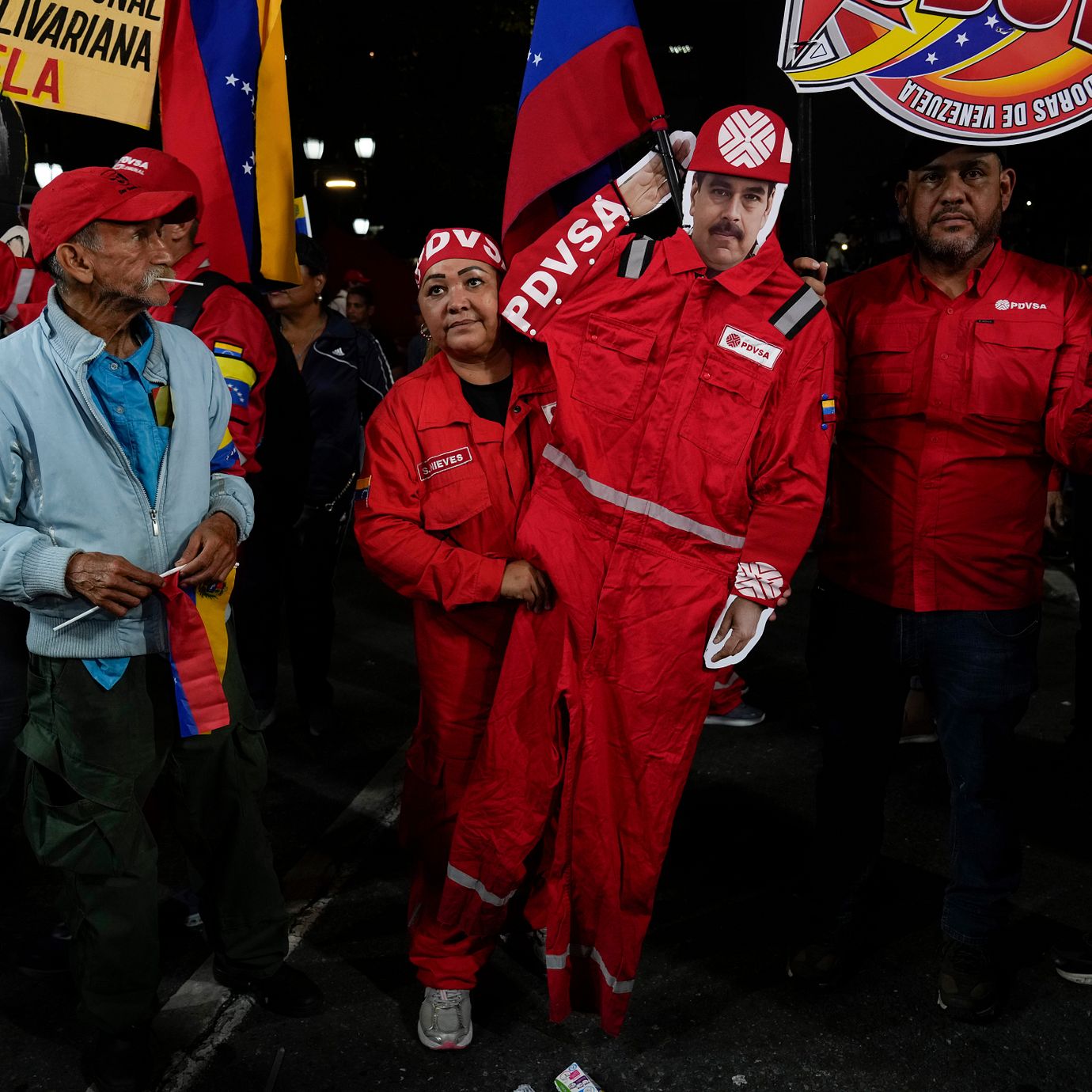
Maduro’s weakness forced him to share power, instilling loyalty through patronage. Under Maduro, Venezuela’s ruling group operated like an alliance of Mafia families, said prosecutors and political analysts. The regime is “a coalition of fiefs of corruption,” said Francisco Monaldi, a Venezuelan expert on the country’s oil sector at Rice University.
Early in Rodriguez’s tenure as Maduro’s vice president, she oversaw Venezuela’s national intelligence service, which detained and tortured thousands of political prisoners. She and her brother, Jorge Rodriguez, were sanctioned by the Treasury Department in 2018 for helping Maduro “maintain his grip on power, as his regime systematically plunders what remains of Venezuela’s wealth.”
After seven years in which Venezuela’s gross domestic product contracted 80%, the Maduro regime was forced to abandon its state-led model after the Covid-19 pandemic in favor of a form of crony capitalism reminiscent of post-Soviet Russia.
Rodriguez, as minister of economy at the time, spearheaded the effort. Price controls were lifted on basic goods, tariffs were eliminated on imports and tax enforcement on businesses and individuals virtually halted. A National Casinos Commission overseen by army generals sold dozens of licenses—at $350,000 each—to open casinos around Venezuela with such names as Baywatch, Bellagio and Hotel Dubai.
Rodriguez and her brother, top lawmaker Jorge Rodriguez, gained considerable power after the 2023 arrest of former Oil Minister Tareck El Aissami for alleged corruption. Rodriguez and her allies took control of PdVSA’s black-market oil sales and partnerships, according to Venezuelan analysts.
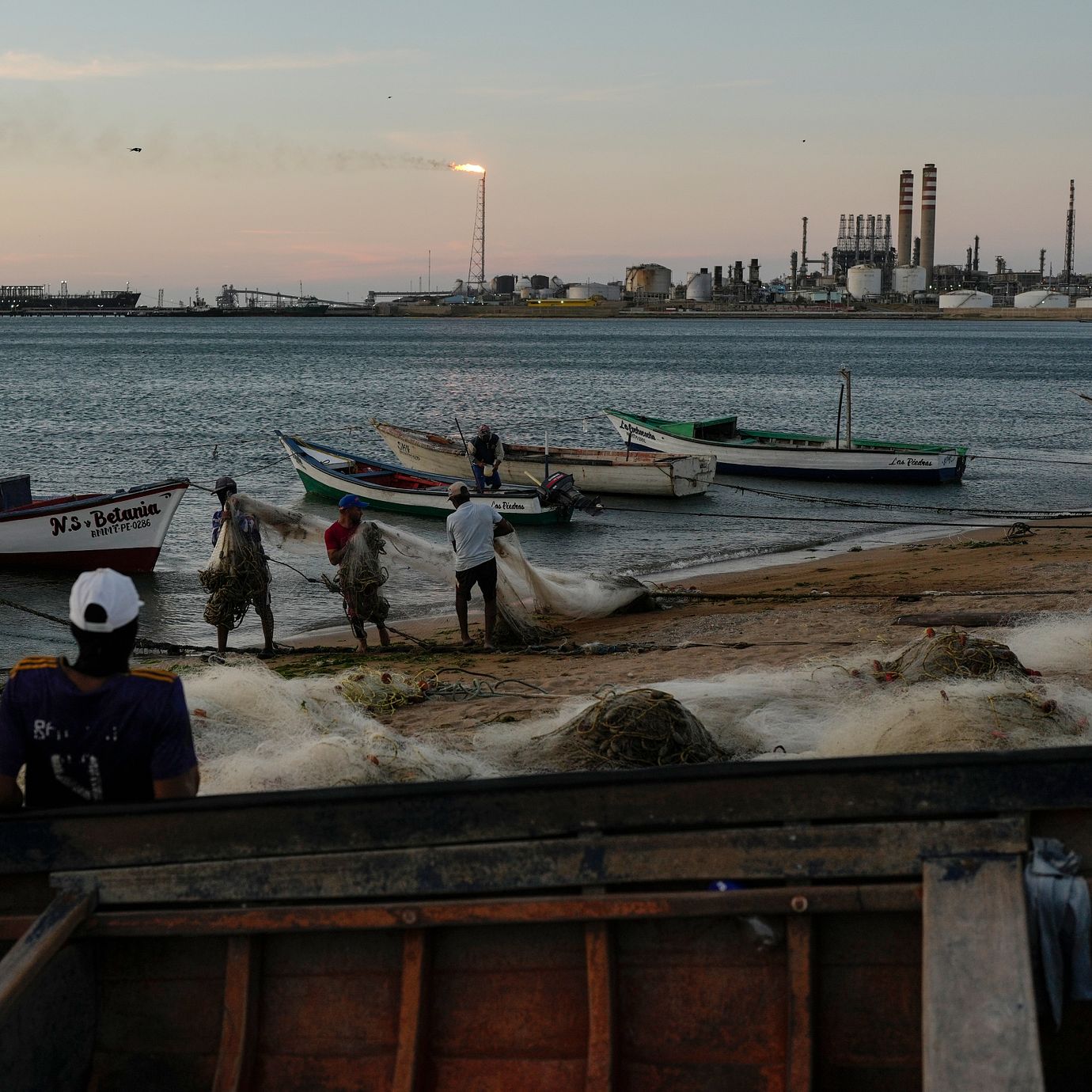
Though it remained a fraction of its former size, Venezuela’s economy doubled from 2020 to 2024. Shortages eased, at least for Venezuelans who had access to dollars. Years of hyperinflation—estimated by the IMF at 65,370% in 2018—has left the country’s bolivar currency virtually worthless.
The reforms were chaotic and did little to strengthen property rights or the rule of law, said Juan Barreto, a former mayor of Caracas who supported Chavez but broke with Maduro. He now earns the equivalent of $12 a month teaching at the Central University of Venezuela.
”Economic development doesn’t come first, and then this and that, and then democracy at the very end, like a cosmetic,” Barreto said. “It has to happen at the same time, to show that the whole country is speaking with its own voice.”
Venezuela’s economy stalled after 2024. International observers determined Maduro had stolen a U.S.-brokered presidential election that year, prompting the U.S. to tighten sanctions—and the Venezuelan regime to reassert its dominance over all sectors of society.
Authorities suppressed protests with mass arrests and seized assets of individuals and companies the government suspected of supporting opposition leader Maria Corina Machado, who later won the Nobel Prize. Some Venezuelans were detained because of anonymous accusations on social media.
Grupo Lamar, the shrimp producer, became one of the regime’s highest-profile targets.
No Christmas
The company, which was founded in 1988, had expanded rapidly in the years before the 2024 election, taking advantage of the ideal water temperatures and salinity for farming shrimp in Lake Maracaibo, a giant coastal estuary, according to Fernando Villamizar, president of the Venezuelan shrimp producers’ association.
In an economy where access to dollars was tightly controlled, Venezuela allowed shrimp producers to keep most of the greenbacks they received from exports, enabling companies to fund expansion. Exports quadrupled from 2016 to 2023, according to Trade Data Monitor. Much of that was driven by Grupo Lamar, industry officials said.
“We were all investing, but the one that was doing it the most aggressively was Grupo Lamar,” said Fernando Villamizar, president of the Venezuelan shrimp producers’ association. “They never stopped betting on the country.”
But after the 2024 election, Cabello, the interior minister, said he received a tip from an informant that Grupo Lamar’s owner had financed Machado and bribed judges.
“One begins to see the power that they have amassed managing riches, money,” Cabello said in a TV news conference after his agents had swarmed the company’s headquarters.
Without providing proof, Cabello accused the firm’s owners of planning to attack the electrical grid and prevent Maduro from taking office in an alleged plot named “Operation No Christmas.” Authorities covered a table with assault rifles, hand grenades and a drone that Cabello said were found in Grupo Lamar’s facilities.
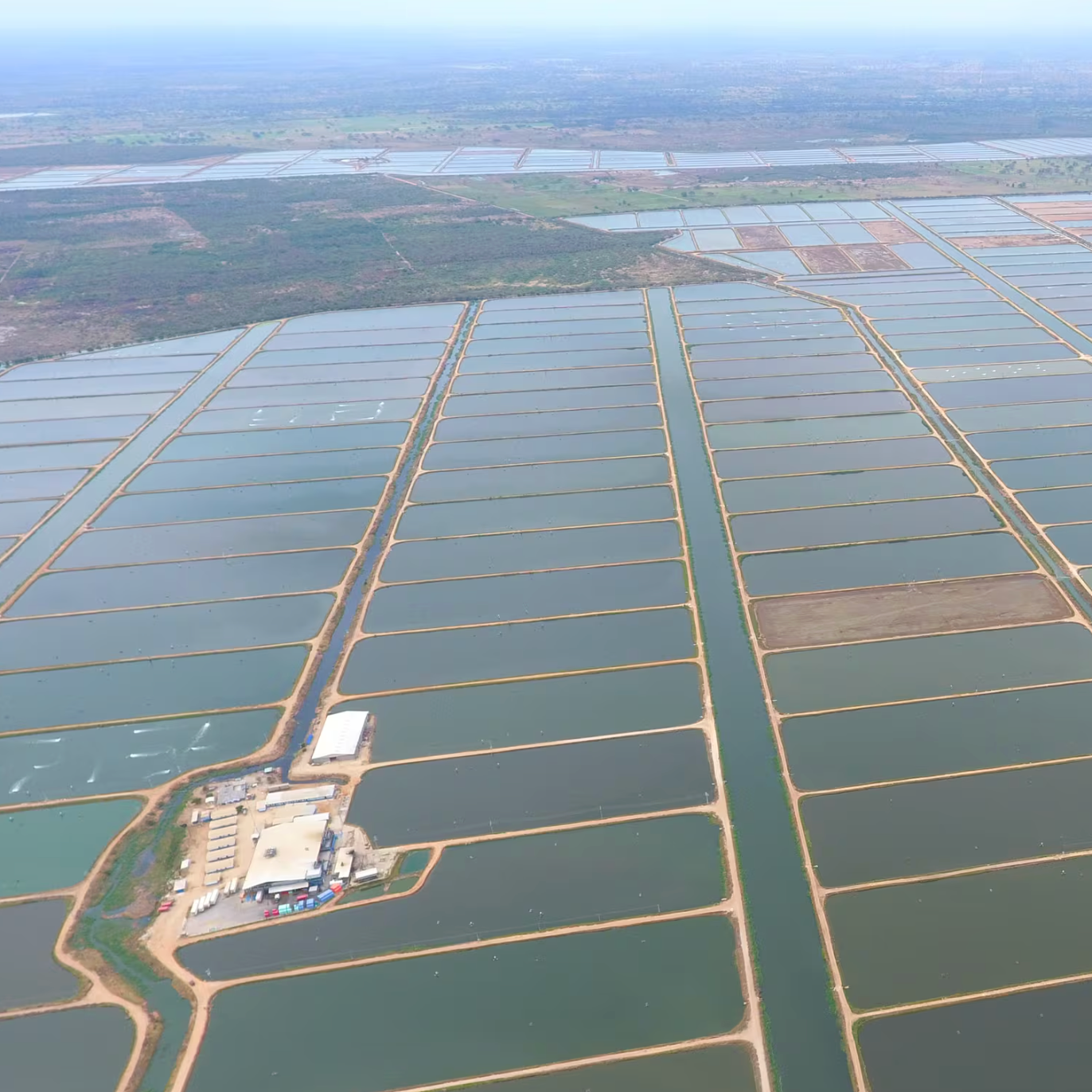
More than $500 million of Grupo Lamar’s assets were seized without a court order, and the company’s owners fled Venezuela. There are no court records citing formal accusations against Grupo Lamar’s owners.
Venezuela’s Fishing and Aquaculture Ministry operated the shrimp farms before transferring them to Turkish industrial conglomerate Miller Holding last year. The country’s shrimp exports fell about 50% from 2024 to 2025, according to Trade Data Monitor. Grupo Lamar’s workforce shrank to 4,000 workers from nearly 12,000, people familiar with the firm said.
A spokeswoman for Miller Holding said only that the company operated Grupo Lamar but didn’t buy it.
By the time Grupo Lamar was seized, there were few businesses left to nationalize. During the reigns of Chavez and Maduro, the state had taken over assets of more than 1,000 private firms, both foreign and domestic, including Exxon, ConocoPhillips, Coca-Cola bottlers, supermarkets, steelmakers, farms, TV stations and hotels.
The rigged 2024 election and subsequent crackdown reminded investors that the Venezuelan economy operates at the whim of regime leaders rather than the rule of law.
Growth stagnated last year, according to the International Monetary Fund, which forecasts a 3% contraction in 2026 and annual inflation approaching 700%. The United Nations World Food Program estimated that 5 million of Venezuela’s 29 million people need urgent assistance.
The Trump administration has sold over $1 billion of Venezuelan oil and has agreements to bring in another $5 billion in coming months, Energy Secretary Christopher Wright said in an interview on NBC News recorded on Feb. 11. He said all the money from oil sales is returning to Venezuela.
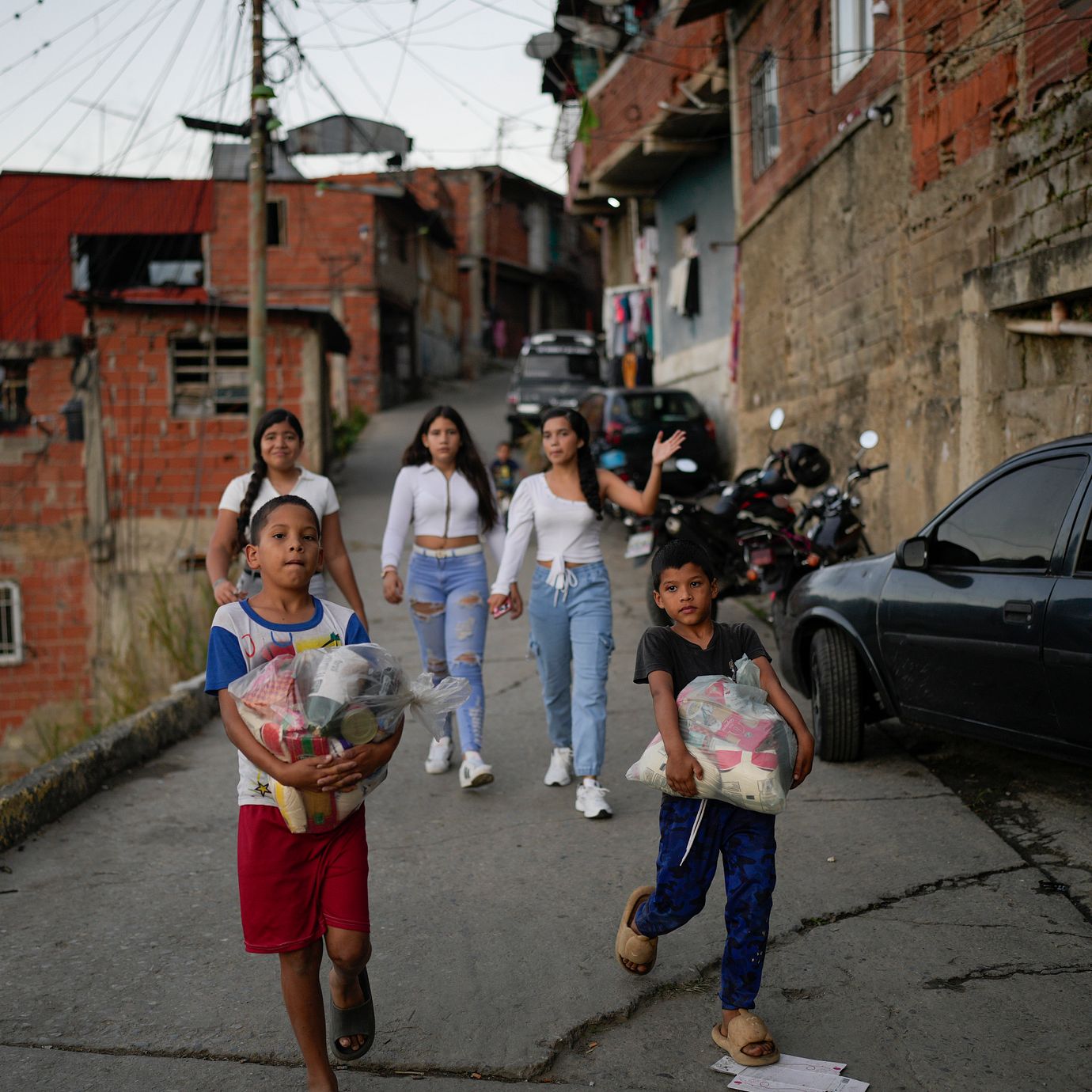
Meat prices have fallen nearly 60%, and ordinary Venezuelans are hoping for a better day-to-day life. Yet the country will see only limited economic improvement as long as oil output remains depressed.
Wright predicted Venezuela’s crude production would rise 50% to 100% by the time Trump leaves office in January 2029. U.S. oil companies have signaled they remain gun-shy about spending billions of dollars to rebuild infrastructure in a country that has already seized their assets—twice in Exxon’s case.
Darren Woods, Exxon’s chief executive, called Venezuela uninvestable during a White House meeting hosted by Trump last month. His counterpart at Chevron, CEO Mike Wirth, has said it was too early to determine Venezuela’s long-term outlook.
Wright, the energy secretary, said this month that Venezuela was “on the road to becoming investible.”
But that road requires more than the removal of Maduro and temporary stability under U.S. oversight. To make long-term investments, businesses want rule of law, property rights and due process—conditions all but impossible to guarantee in Venezuela.
For the U.S., the clock is ticking. Trump has three years left in the Oval Office, while the Venezuelan regime has survived for nearly three decades, including past attempts by the U.S. to restore democracy.
“More than anything, these people know how to bide their time and resist,” said Zair Mundaray, a former Venezuelan prosecutor who fled the country in 2017.