USA börjar alltmer likna kinesisk statskapitalism
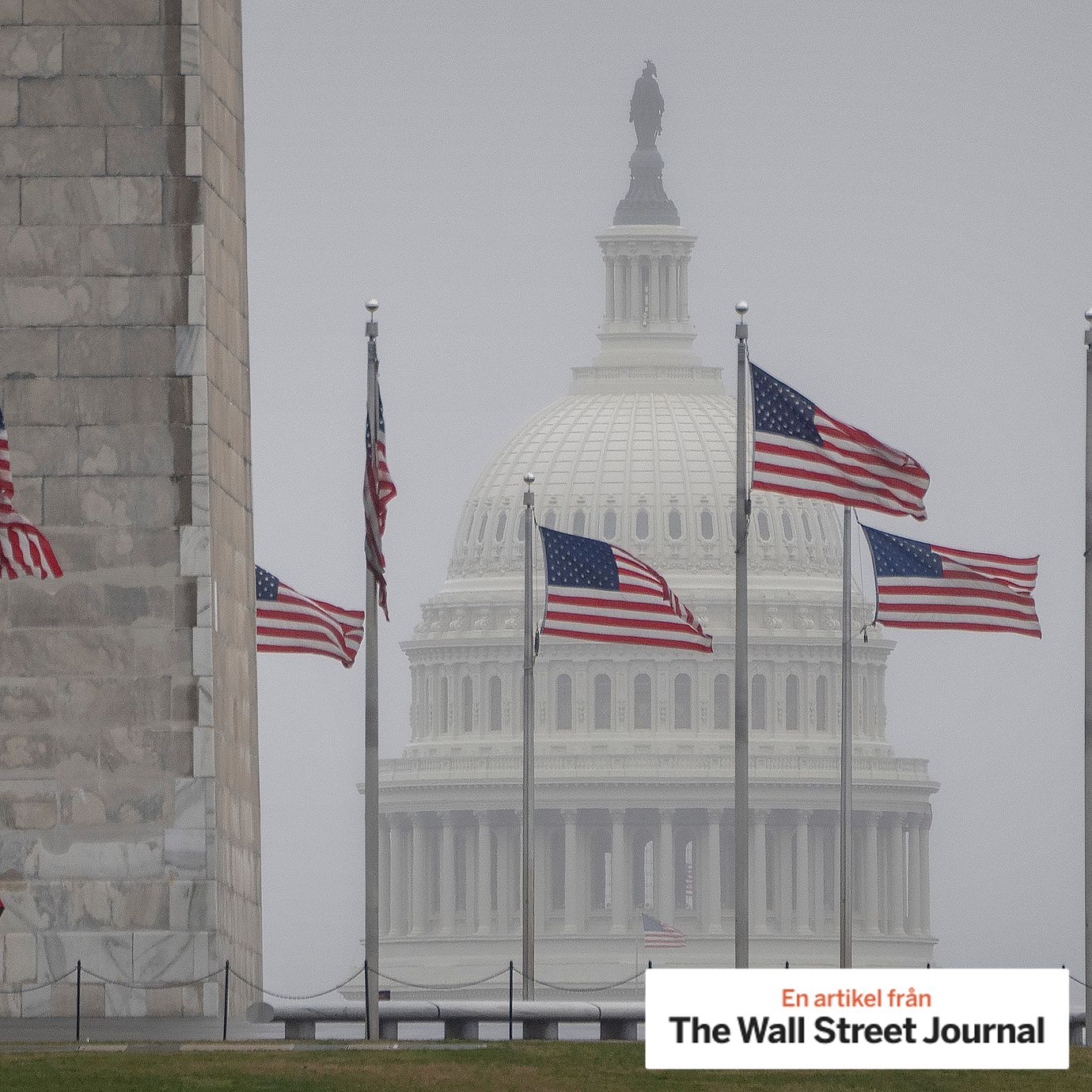
Vem bestämmer över Tiktoks öde? Vem bestämmer om US Steel ska få säljas till Japan? Vem pumpar in miljarder i Intel för att säkra amerikansk chiptillverkning? USA börjar mer likna kinesisk statskapitalism än en fri marknad, skriver WSJ:s krönikör Greg Ip.
Men USA är inte Kina och varken Joe Biden eller Donald Trump kan diktera hur privata bolag ska agera. Men den ökade politiska påtryckningen får företagen att ändra sina prioriteringar, från att följa den fria marknadens logik till att försöka blidka makthavarna.
 The Wall Street Journal
America Is Sliding Toward Chinese-Style Capitalism
In the name of national security, politics take priority over profits
Who decides whether TikTok stays Chinese, is banned or sold ? Washington. Who determines whether an American or Japanese company gets to buy United States Steel? Washington. Who is giving Intel $8.5 billion to make semiconductors in the U.S.? You get the picture.
Across the U.S., business decisions once made in boardrooms or shareholder meetings increasingly depend on politics. The U.S. isn’t sliding toward socialism, in which the government controls the means of production. It may, however, be slouching toward state capitalism, in which government regularly intervenes in business to ensure it serves the national interest.
The problem, as both the TikTok and U.S. Steel affairs show, is that the national interest is constantly being redefined to fit the political priorities of the day.
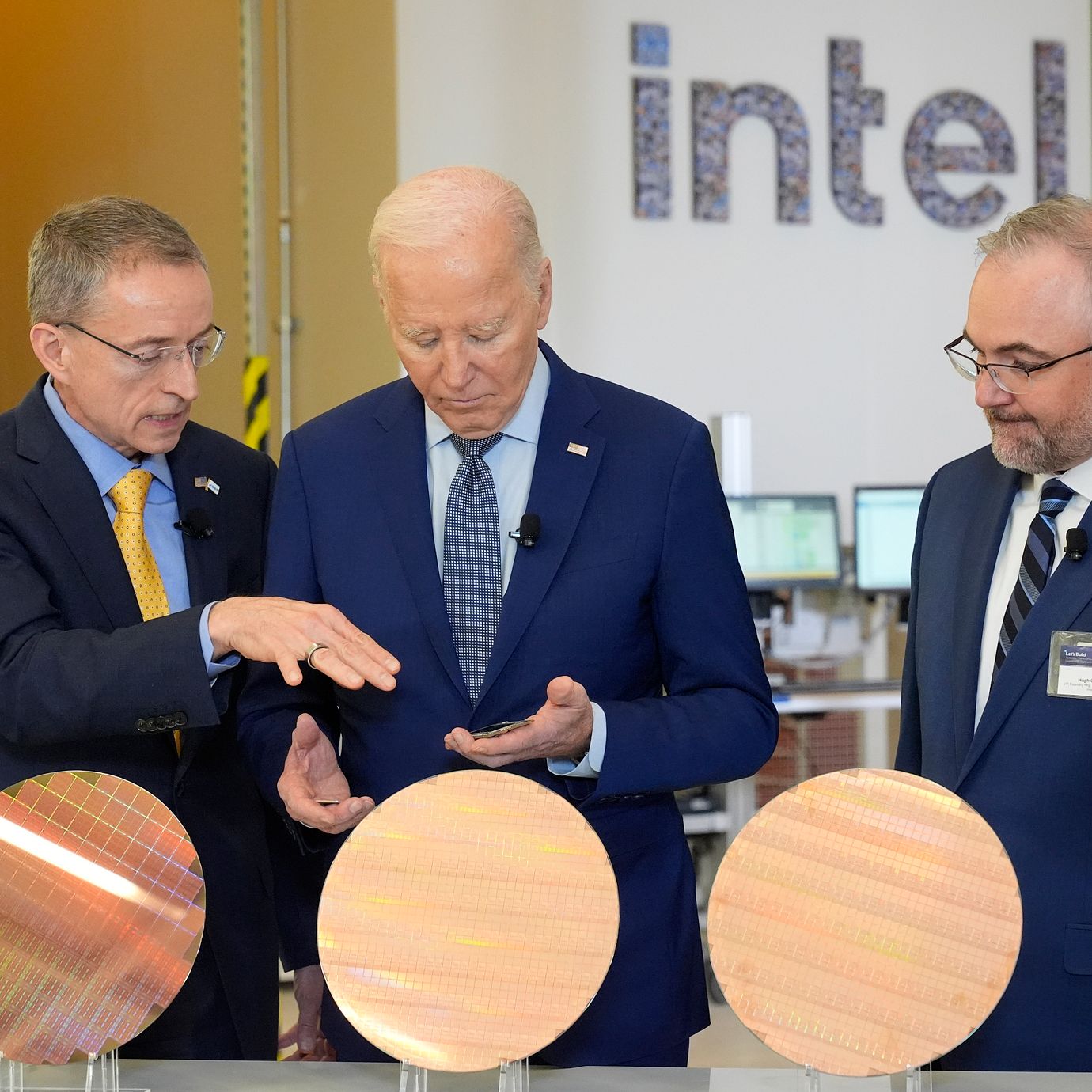
While the U.S. has never been a laissez-faire paradise, more than other countries it believed in free-market capitalism and let efficiency and profits determine the allocation of capital.
Neither Donald Trump nor President Biden believe in that. Both are happy to use all the levers of the federal government, whether taxes, subsidies, regulations or the bully pulpit, to tilt business decisions toward their own vision of the national interest.
When the House of Representatives voted to force the sale or ban of TikTok, the short-video app owned by Beijing-based ByteDance, China’s Ministry of Commerce demanded, according to Xinhua, that the U.S. “earnestly respect the market economy and the principle of fair competition, and provide an open, fair, just and nondiscriminatory environment for enterprises from all countries.”
”Earnestly respect the market economy and the principle of fair competition, and provide an open, fair, just and nondiscriminatory environment for enterprises from all countries.”
Either irony is dead, or the Chinese Communist Party has a subversive sense of humor. Its entire economic model revolves around selectively flouting principles of the market economy and fair competition, including by systematically discriminating against foreign enterprises. China’s state capitalism has so effectively tilted the international playing field in its own favor that it has forced others, including the U.S., to adopt their own versions of state capitalism.
Trump was an early convert to state capitalism, albeit a somewhat personal, ad hoc kind. He browbeat one company into keeping a factory open instead of moving it to Mexico. He used trade policy to punish foreign competitors and favor American companies.
At the request of Boeing, Trump’s Commerce Department hit Canada’s Bombardier with crippling tariffs. This forced it to sell control of a new regional jet, whose production soon moved to Alabama from Canada.
Claiming the U.S. military needed a domestic source of steel, Trump imposed tariffs on imports of the metal — from military allies. In 2020, he tried, and failed, to force the sale of TikTok to American investors.
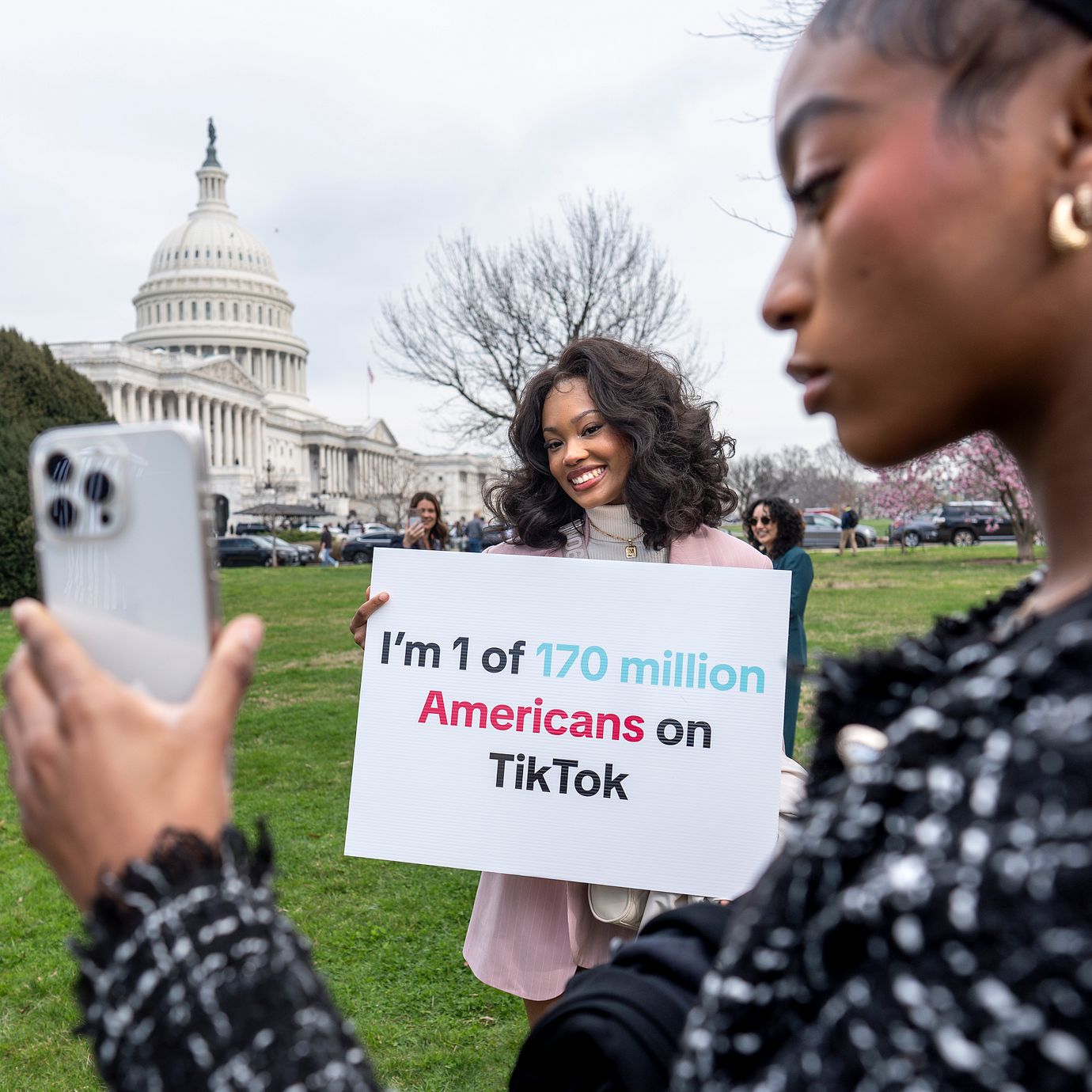
Trump has now decided that Chinese ownership of TikTok is less of a threat to the public than Facebook , which suspended Trump’s account after the Jan. 6, 2021, Capitol riot. Earlier this month, he came out against banning TikTok, before demurring —instantly weakening Republican support for a sale or ban.
Biden has pursued a less personal, more refined version of state capitalism with two stated aims: promoting domestic manufacturing and green energy, and safeguarding national security by restricting the export of sensitive technology and knowledge.
In practice, these have become the same thing. When every microchip has a military and civilian application and any database can become a channel of foreign influence, then even cargo cranes are fair game.
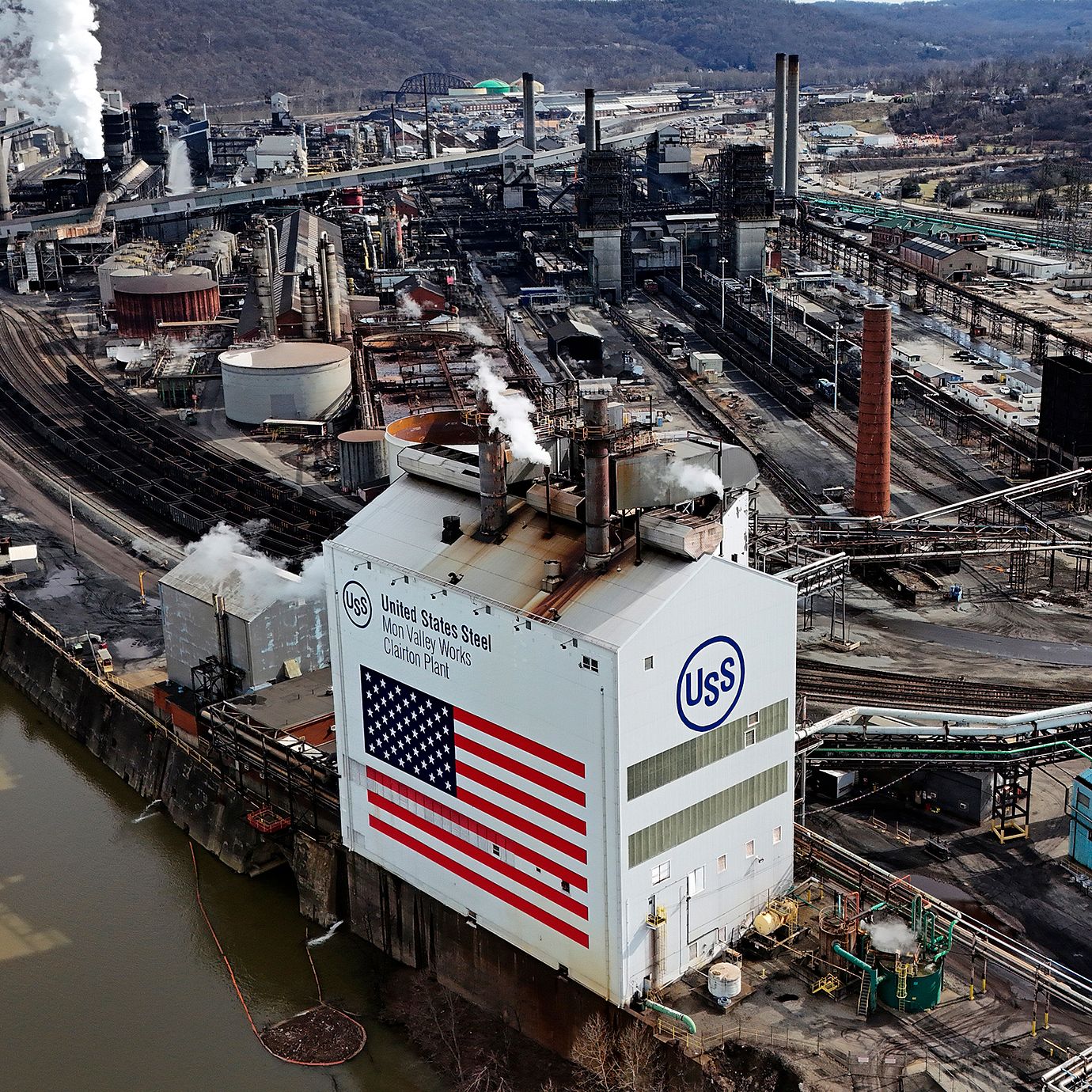
And when Biden last week declared his opposition to Japanese steel giant Nippon Steel ’s proposed purchase of Pittsburgh-based United States Steel, he showed that his version of state capitalism can be as personal, political and ultimately counterproductive as Trump’s.
Biden said U.S. Steel should stay in U.S. hands. But why?
Nippon’s deep pockets, close relationship with Japanese automakers and expertise making the specialized thin steel for electric-vehicle motors would make U.S. Steel stronger. A Japanese American counterweight to Chinese behemoths would embody Biden’s vision of cooperation among market democracies.
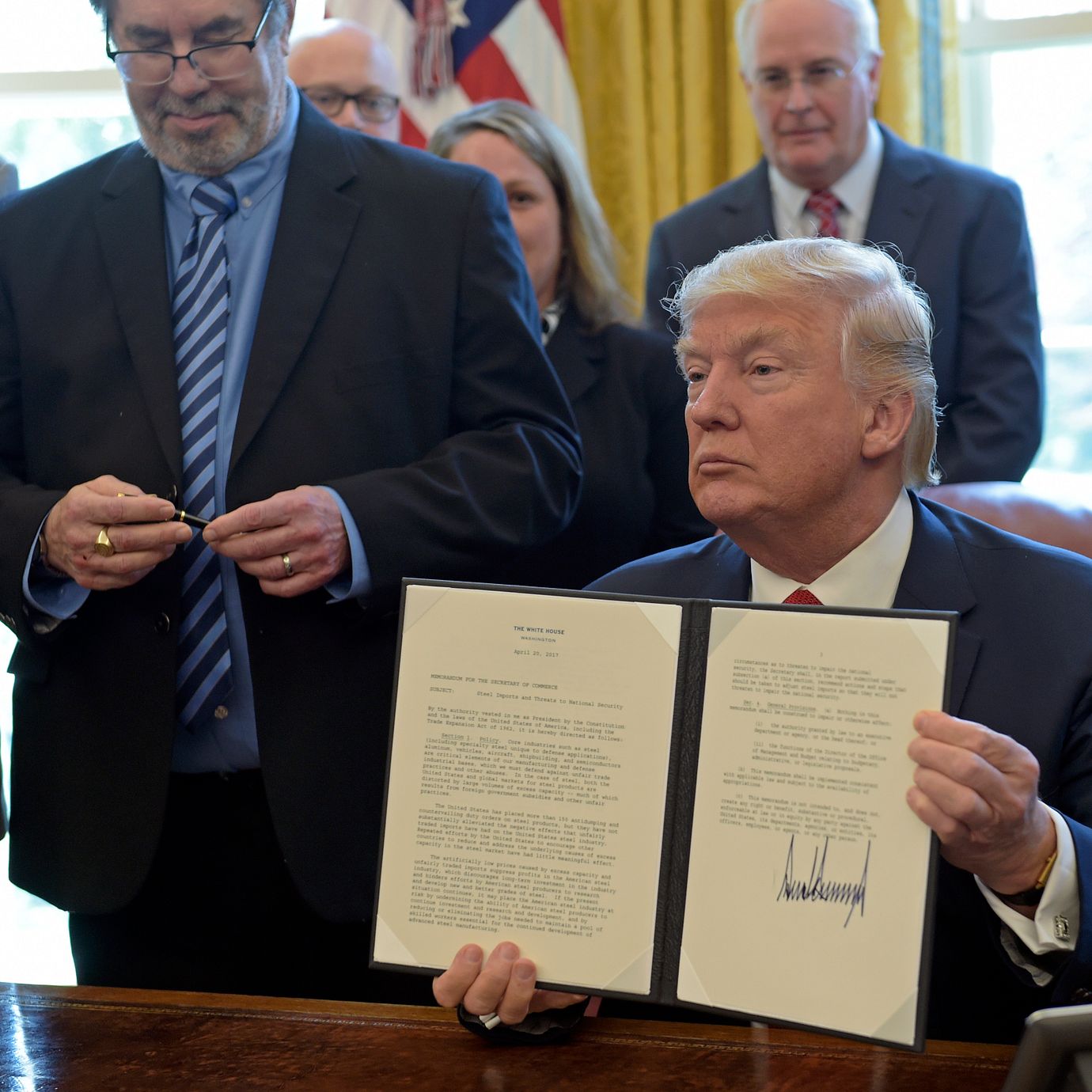
But the United Steelworkers doubted Nippon Steel’s commitment to its unionized plants and came out against it. So, too, did senators from the swing states of Ohio and Pennsylvania, as well as Trump. Fearful of losing Pennsylvania voters, Biden joined them. On Wednesday, he got the United Steelworkers’ endorsement.
Biden’s opposition makes it more likely U.S. Steel will be bought on the cheap by Ohio-based steelmaker Cleveland-Cliffs, which was outbid last year by Nippon Steel. That would undermine another Biden priority, preventing corporation concentration, since the combined entity would dominate some markets.
This isn’t China, and neither Trump nor Biden can simply dictate their preferred outcome to companies. But the expectation that they will try changes how business behaves.
“You could not write a better storyline for the Ministry of Propaganda if you tried”
Investment isn’t crafted for maximum return but political expedience. Executives avoid saying anything that might offend people in power. The line between state capitalism and crony capitalism blurs as companies seek to defeat their competitors in the corridors of power rather than the market.
Having lost in the boardroom, Cleveland-Cliffs set out to kill Nippon Steel’s bid by working with unions and politicians. It also added Ron Bloom, who had previously worked for the United Steelworkers and in the Obama administration, to its board.
Any buyer of TikTok will presumably have to be acceptable to a future Trump administration. So it isn’t surprising that Trump’s former Treasury secretary, Steven Mnuchin, said last week that he was organizing a bid.
As Bill Bishop, who writes a newsletter about China, wrote, “You could not write a better storyline for the Ministry of Propaganda if you tried.”