Sam Altman vann kriget – nu gäller det att vinna freden
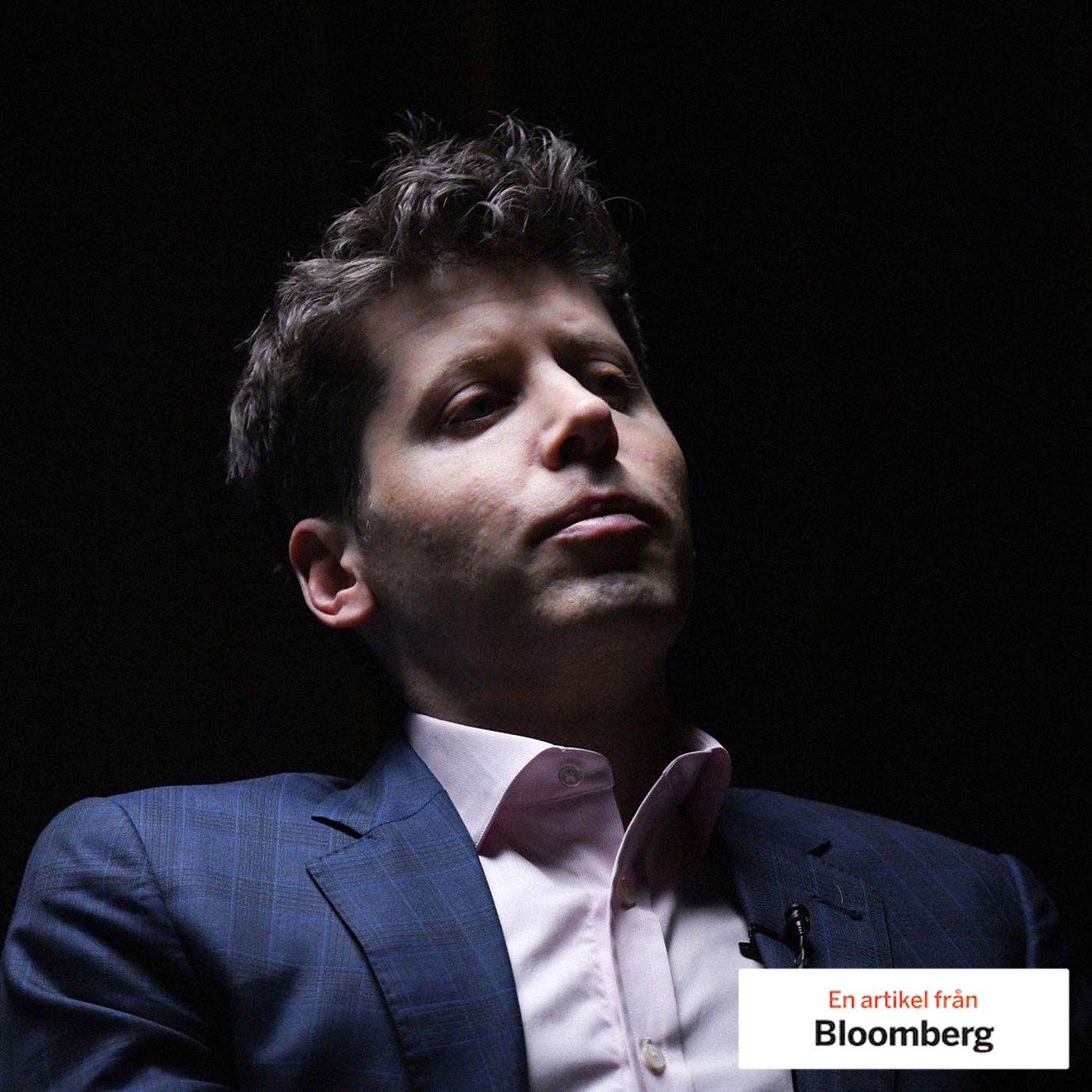
730 av Open AI:s 770 anställda krävde att Sam Altman skulle få tillbaka sitt jobb som vd för den hajpade AI-startupen. Det 95-procentiga stödet från de anställda ger Altman en starkare position än någonsin. Samtidigt har både han och medgrundaren Greg Brockman förlorat sina styrelseposter.
Vilka nya styrelsemedlemmar som utses under den nya ordföranden Bret Taylor kommer att bli avgörande för hur Open AI formas framåt. Vad gäller Altmans person har ingenting framkommit som solkar hans goda rykte. Men bilden av honom har blivit mer komplex, vilket techhistorikern Margaret O’Mara kallar för en ”reality check”.
 Bloomberg
Sam Altman Won the War for OpenAI. Now Comes Winning the Peace
The company’s CEO is back with near-unanimous employee support—and with thorny governance issues to address.
Sam Altman has shown the world that he’s not to be messed with.
Within four days of losing his job as chief executive officer of OpenAI in a surprise boardroom coup, the 38-year-old artificial intelligence phenom won back his position, aided by the support of 730 employees—out of the company’s 770-person workforce—who threatened to quit if the board didn’t bring back Altman.
Anyone who’s ever had a job knows that such overwhelming support for the boss is unusual. “It’s a huge testament to the kind of CEO he is,” says Alfred Lin, an investor at Sequoia Capital, a company that invested both in OpenAI and Altman’s first startup, Loopt. “There are always going to be detractors. But the fact that he got to around 95% of employees signing the statement is pretty remarkable.”
In some ways, Altman has come out of the episode stronger than ever, but the struggle over OpenAI isn’t quite over. Altman didn’t get back his board seat, and neither did a key ally, co-founder and former OpenAI President Greg Brockman, who was kicked off the board and quit his position in protest shortly following Altman’s firing. One of the people who fired Altman, Quora CEO Adam D’Angelo, remains.
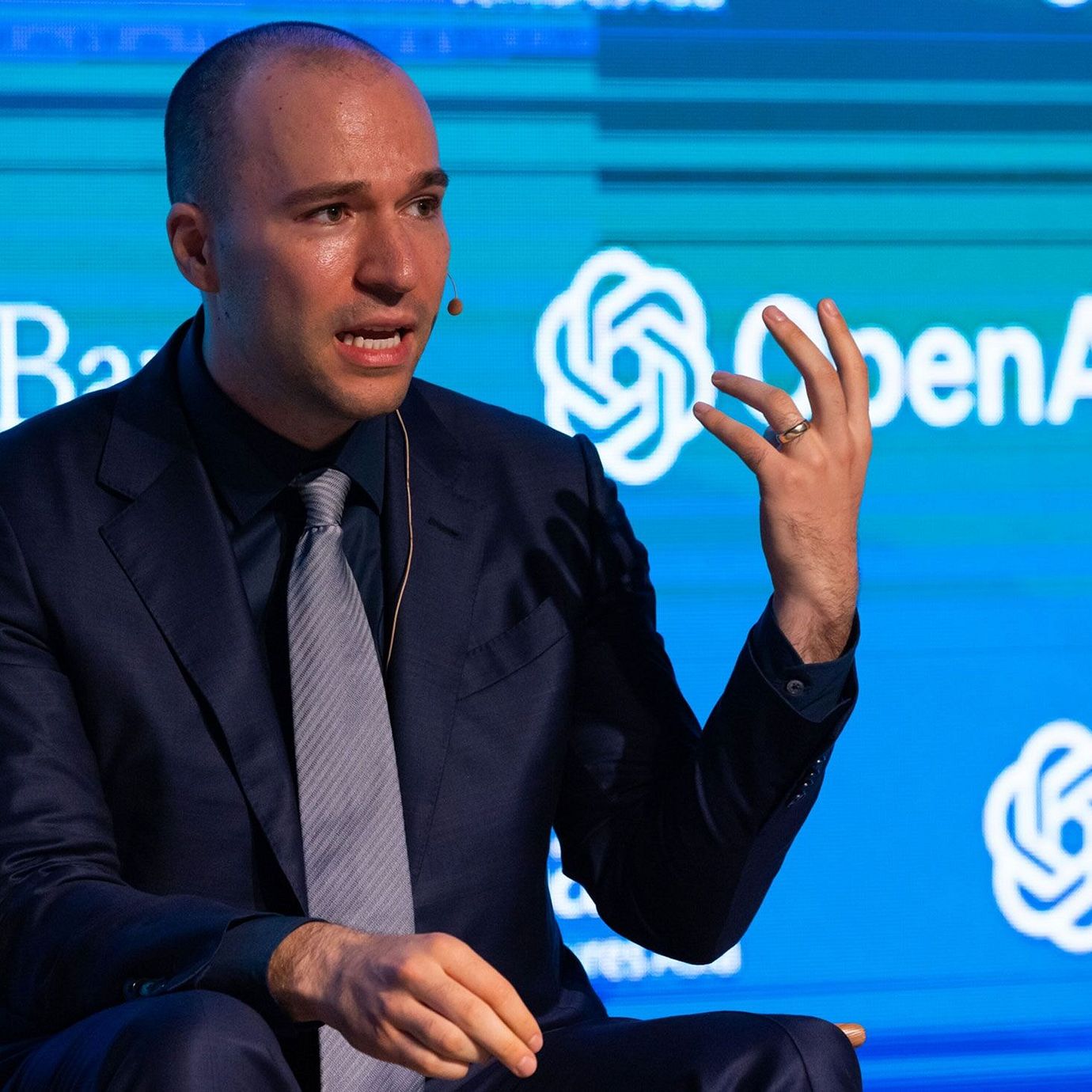
Incoming board chair Bret Taylor said in a blog post on Nov. 29 that the board plans to add more “qualified, diverse” members, and “enhance” the governance structure of the company. Any substantial changes to the company or its board over the next few months could determine a lot about Altman’s power within OpenAI over the long term.
Prior to Altman’s firing, OpenAI was considered a stable company, beating the biggest tech giants in the race to develop AI, with Altman cast as its charismatic, savvy leader. Altman is still a widely respected figure who came out on top of an ill-advised coup, but he’ll likely continue to face questions about his rift with the board and his business dealings more broadly. “We’re just now seeing the whole, complicated, Sam Altman,” says tech historian Margaret O’Mara. “Part of this is the reality check phase of a Silicon Valley leader.”
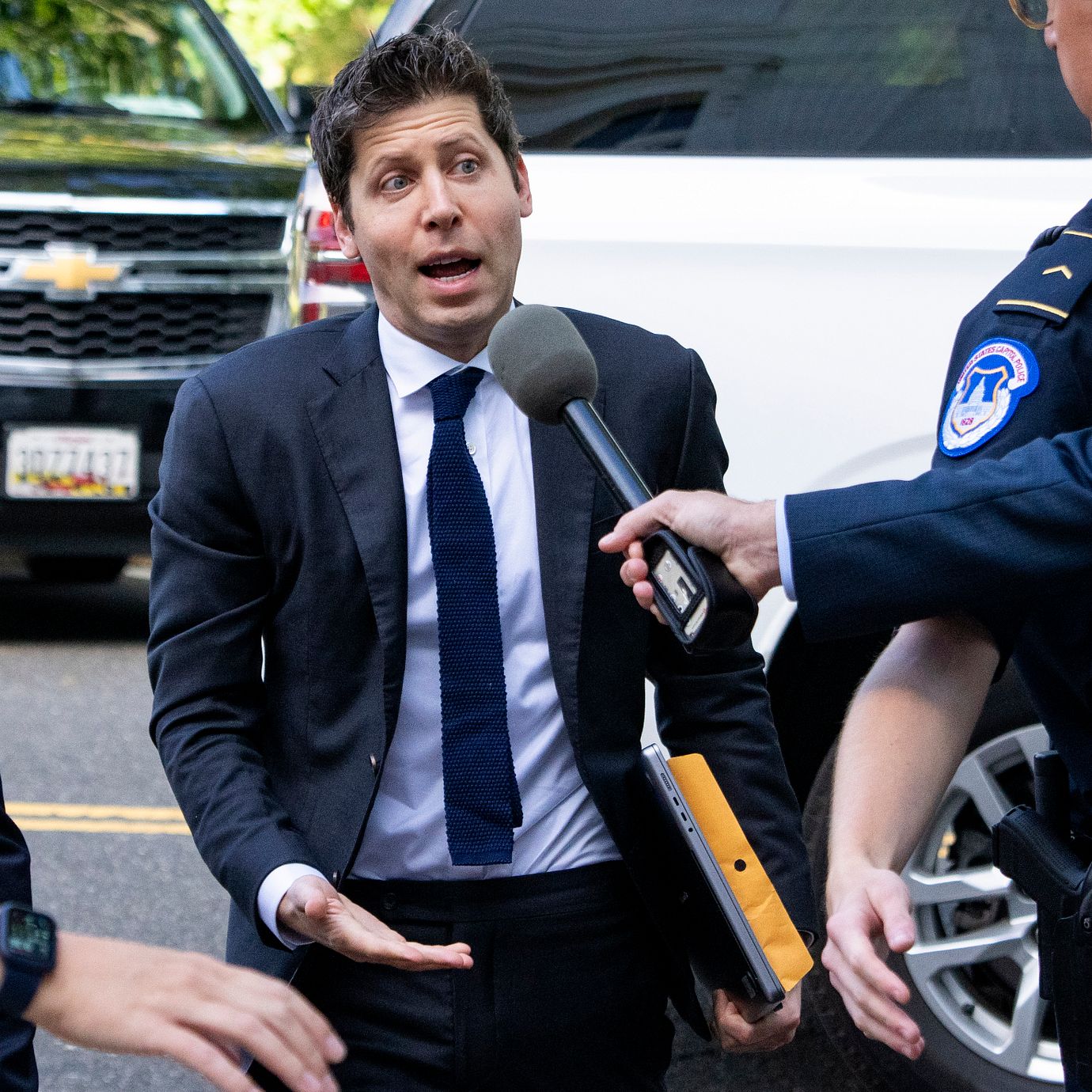
To regain his job, Altman agreed to an internal investigation, among other conditions. The abrupt nature of his firing and a statement from the board saying that Altman hadn’t been “consistently candid” in his communications set up expectations for the emergence of a smoking gun. Nothing like that has come out, though there have been revelations of tensions within OpenAI over his fundraising for an outside chip venture, including seeking funding in the Middle East, and a dispute with former board member Helen Toner over a research paper she had co-written that was critical of the company. It was Altman’s pattern of behavior, rather than a single egregious action, that caused the board to lose trust in him, according to a person with direct knowledge of the board’s thinking, who asked not to be named discussing private business matters.
”Sam uses words fairly precisely in my experience. If he tells you what he plans to do, that’s what he plans to do”
In the wake of Altman’s firing, former OpenAI employee Geoffrey Irving publicly accused Altman of lying to him on several occasions when he worked at the company, but he didn’t give specifics. Irving didn’t respond to a request for comment. Altman’s past has received new scrutiny, as well. Altman’s longtime mentor, Paul Graham, fired Altman from his position as president of startup incubator Y Combinator four years ago for putting his own interests ahead of the organization, according to a person with knowledge of the matter who asked not to be named for fear of professional retaliation, confirming an earlier report in the Washington Post.
In a memo sent to staff the day after Altman’s firing, OpenAI Chief Operating Officer Brad Lightcap said that the board’s decision “was not made in response to malfeasance” and that it was because of a “breakdown in communication between Sam and the board.” The company declined to comment further.
People who know and support Altman say he often argues both sides of a debate, which they see as a useful way of exploring ideas but which they acknowledge could be misinterpreted as making false promises or confusing people. “Sam uses words fairly precisely in my experience. If he tells you what he plans to do, that’s what he plans to do. If he tells you he agrees with you in principle, he does. These are different things from each other. Not everyone groks this,” wrote OpenAI researcher Joshua Achiam, on X.
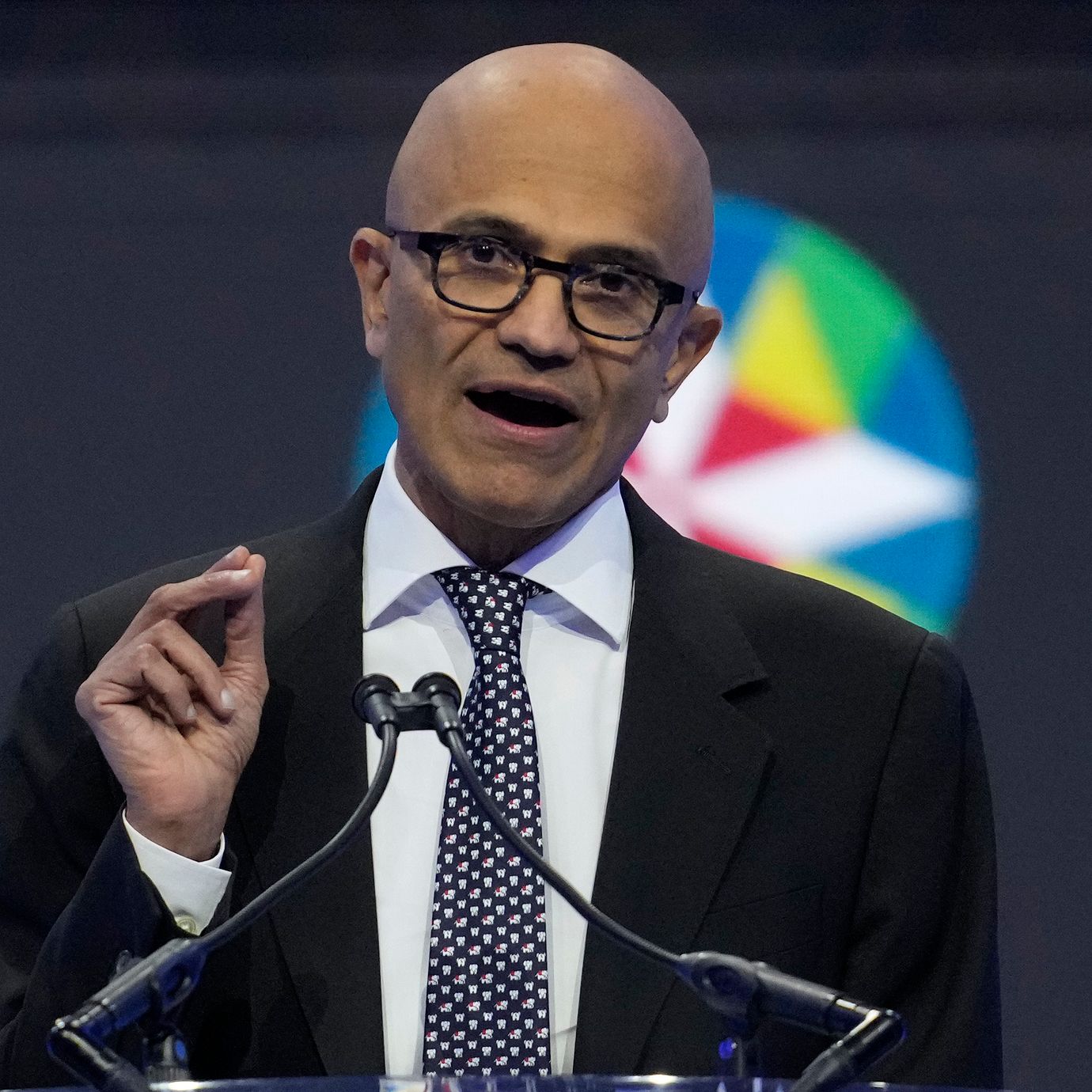
Immediately after being fired, Altman resigned himself to moving on and potentially starting a new company, according to a person familiar with the matter who asked not to be named discussing private matters. Soon after, Brockman and other key employees began resigning and voicing their support for Altman. By Saturday morning, Altman reconsidered after members of the board called him asking if he would consider returning, the person says. OpenAI’s main financial backer, Microsoft Corp., gave employees leverage by offering to hire them if they followed through with their threats to quit.
In part, the employee reaction makes sense in simple financial terms. Many OpenAI employees hold equity in the startup, which was recently valued at $86 billion dollars in a planned tender offer that would give staff a chance to cash out their shares. With Altman no longer CEO, some investors were considering backing out of the deal, giving employees direct financial motivation to urge Altman’s return.
“He’s very mission-focused … and he’s proven that beyond a shadow of doubt”
But Altman’s supporters say his reputation within the company is a result of the credibility he’s built among employees for listening to their perspectives, particularly on matters relating to the company’s stated values. OpenAI’s mission is to create artificial general intelligence—AI systems that are generally smarter than human beings—in a way that benefits humanity. Achiam praised Altman for the way he handled internal dissent about AI safety questions. “I remember telling Sam in 2020—in front of other people, at a company office hours—that I thought releasing something was a terrible idea,” Achiam wrote on X. “A normal CEO would (should) have fired me. Instead, Sam took me seriously and asked for my advice.”
Many employees take this mandate seriously. “We have a common mission to basically ‘Build God,’ safely, and for the benefit of all humanity—and have a charismatic leader guiding us there,” says an OpenAI employee, who requested anonymity to protect professional relationships. “It’s really hard to not get wrapped up in that.”
Altman has said he has no equity in OpenAI, establishing the perception that his interest in developing AI is his life’s cause. “How many people do you know who would do that?” says Vinod Khosla, an early OpenAI investor. “He’s very mission-focused … and he’s proven that beyond a shadow of doubt.”
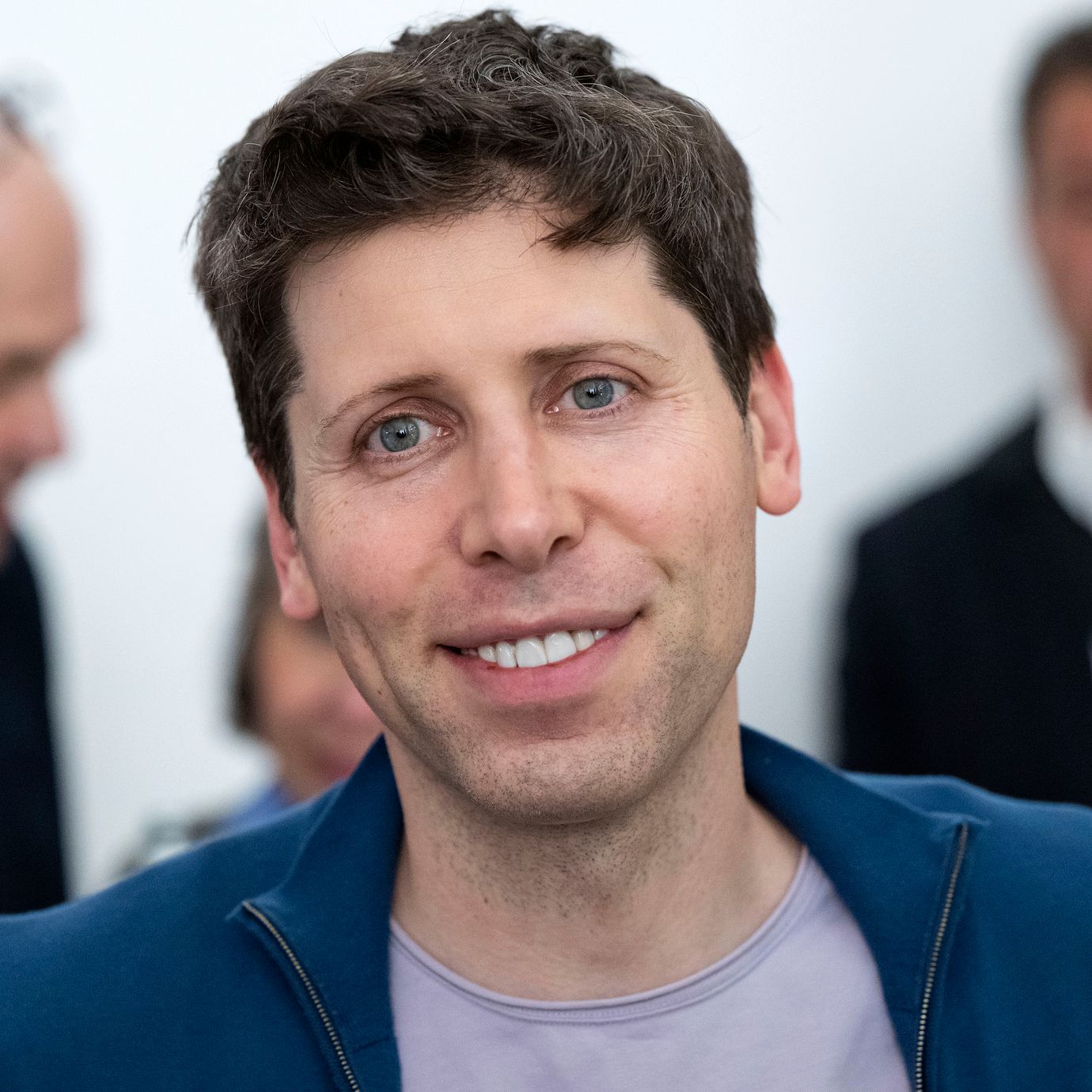
This is particularly notable given the reputation Altman built in his years at Y Combinator as a savvy dealmaker and Silicon Valley superconnector. In the AI frenzy that followed ChatGPT’s introduction in November 2022, Altman has turned his charm on world leaders, regulators and the press. Businesspeople often advocate for their industries on the public stage. But Altman has cultivated an image as someone who not only articulates the benefits of AI development but is also clear-eyed about its potential dangers. The OpenAI flap has added a wrinkle to that story, but he retains a sizable fan base in Silicon Valley. “Altman has been embodying a kind of idealism for a lot of people,” O’Mara says, “even though he’s always been a capitalist.”
The Pre-Coup Board
OpenAI is overhauling its board, with only one of its six members staying on as the company moves forward
Sam Altman
Altman was fired from his job as chief executive officer and removed from OpenAI’s board on Nov. 17, with board members alleging that he wasn’t being “consistently candid in his communications.” Although he was quickly reinstated as CEO after a wave of employee protest, he isn’t, for now, returning to the board.
Greg Brockman
Brockman is a co-founder and former president of OpenAI. He was removed from his role as chairman of OpenAI’s board when Altman was fired. He then resigned his job, posting a note online saying, “based on today’s news, I quit.” Staff pressed the board for Brockman’s return along with Altman. He’s since rejoined the company and has been posting cheerful selfies with employees.
Adam D’Angelo
D’Angelo is the co-founder and CEO of Quora, the online Q&A service. An early Facebook executive, he’s also the founder of Poe, a platform that allows people to ask questions from various AI chatbots. D’Angelo, who agreed to Altman’s ouster, is the only board member who’s staying on.
Tasha McCauley
McCauley is an entrepreneur and a robotics engineer. She’s an adjunct senior management scientist at the Rand Corp., according to her LinkedIn profile. McCauley serves on the boards of effective altruist organizations Effective Ventures and 80,000 Hours. She agreed to Altman’s ouster.
Ilya Sutskever
Sutskever, a well-respected researcher whose work has focused on neural networks, is a co-founder of OpenAI, its chief scientist and a key player of the coup to remove Altman. Sutskever, who’s clashed with Altman over how quickly to develop AI, later wrote that he “deeply” regretted helping oust Altman and said he would do “everything I can to reunite the company.”
Helen Toner
Toner is an academic who heads strategy and foundational research grants at Georgetown University’s Center for Security & Emerging Technology. Before joining CSET, she lived in Beijing, studying the Chinese AI ecosystem. Altman and Toner had a dispute over a research paper she recently published that was critical of OpenAI. She agreed to remove Altman.
The Board Newcomers
Larry Summers
Summers, former US Treasury Secretary and former chief economist of the World Bank, is a professor and president emeritus at Harvard University. He has said AI will have serious negative impacts on labor and has warned of economic catastrophe if the US “loses its lead” in biotechnology and AI to China. (Summers is a paid contributor to Bloomberg Television.)
Bret Taylor
Taylor, the incoming chairman, is a prominent leader in Silicon Valley who recently stepped down as co-CEO at Salesforce. Previously, he co-created Google Maps, served as CTO at Facebook and founded productivity app Quip. Taylor has experience acting as a board chair in times of transition, which he did at Twitter prior to its acquisition by Elon Musk.
For more articles like this please visit us at bloomberg.com
For more columns from Bloomberg Opinion, visit http://www.bloomberg.com/opinion