Hem
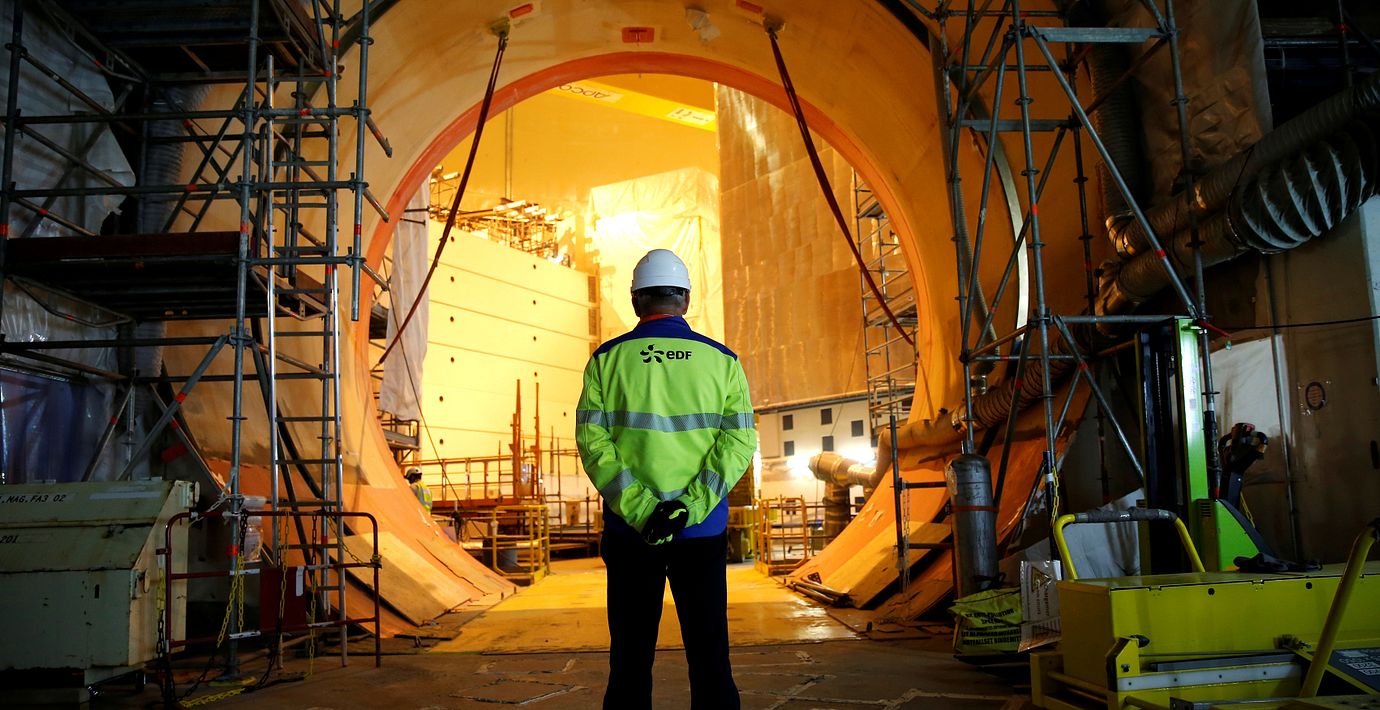
(Benoit Tessier / REUTERS)

Analys: Kärnkraftsrenässans en utmaning för investerare

Regeringar världen över lägger just nu om kursen i fråga om kärnkraften, efter katastroferna i Tjernobyl och Fukushima. Det konstaterar Wall Street Journals Rochelle Toplensky och pekar på att länder som USA, Kina, Ryssland, Japan och Sydkorea deklarerat att de ser fission som en del av sin framtida energimix.

Möjligheterna är kopplade till de mindre reaktorer som är under utveckling eftersom de större kärnkraftsverken producerar el som är dyrare än i princip all annan. För investerare ser det dock ut att bli svårt att spela på trenden, menar hon. Eventuella vinster ligger många år bort och specialistbolag som TerraPower, X-Energy och Commonwealth Fusion Systems finns inte på börsen än.

”Möjligheten för investerare befinner sig i ett tidigt skede”, skriver Toplensky.

bakgrund
 
Small modular reactor
Wikipedia (en)
Small modular reactors (SMRs) are nuclear fission reactors that are smaller than conventional nuclear reactors and typically have an electrical power output of less than 300 MWe or a thermal power output of less than 1000 MWth. They are designed to be manufactured at a plant and transported to a site to be installed. Modular reactors will reduce on-site construction and increase containment efficiency and are claimed to enhance safety. The greater safety should come via the use of passive safety features that operate without human intervention, a concept already implemented in some conventional nuclear reactor types. SMRs also reduce staffing versus conventional nuclear reactors. SMRs are claimed to cross financial and safety barriers that inhibit the construction of conventional reactors.The term SMR refers to the size, capacity and modular construction only, not to the reactor type and the nuclear process which is applied. Designs range from scaled down versions of existing designs to generation IV designs. Both thermal-neutron reactors and fast-neutron reactors have been proposed, along with molten salt and gas cooled reactor models.While there are dozens of modular reactor designs and yet unfinished demonstration projects, the floating nuclear power plant Akademik Lomonosov, operating in Pevek in Russia's Far East, was as of the end of 2019 the first and only completed working prototype in the world connected to the grid. The plant has two reactors, each with a capacity of 35 MWe. The concept was based on the design of nuclear icebreakers. The construction of the world's first commercial land-based SMR started in July 2021 with the Chinese power plant Linglong One. The operation of this prototype is due to start by the end of 2026.One hindrance to commercial use may be licensing, since current regulatory regimes are adapted to conventional designs. SMRs differ in terms of staffing, security and deployment time. Licensing time, cost and risks are critical success factors. US government studies to evaluate SMR-associated risks have slowed licensing. One concern with SMRs is preventing nuclear proliferation.

Läs även

Omni är politiskt obundna och oberoende. Vi strävar efter att ge fler perspektiv på nyheterna. Har du frågor eller synpunkter kring vår rapportering? Kontakta redaktionen