Analytiker: Knappast troligt att Biden prioriterar handeln
USA är inte en del av det nybildade jätteblocket i Asien och Stillahavsområdet, RCEP. Inte heller är man med i frihandelsblocket CPTPP – där förhandlingarna leddes av Barack Obama och som Donald Trump lämnade 2017. Det innebär att USA står utanför två handelspakter som innefattar den region i världen med snabbast ekonomisk tillväxt, skriver Reuters.
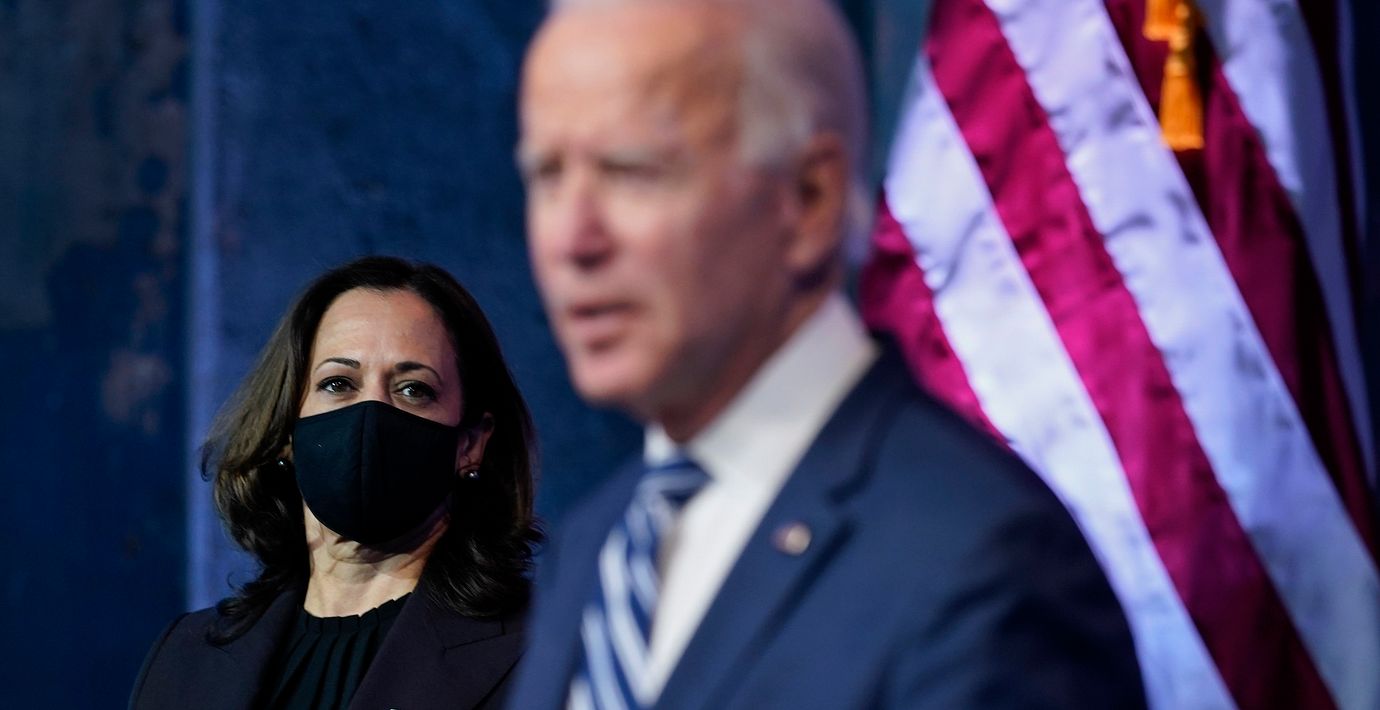
Trots det lär USA:s tillträdande president Joe Biden inte skynda sig att återansluta till CPTPP-avtalet, menar Charles Freeman, Asienchef vid USA:s handelskammare.
– Jag är inte säker på att det kommer att vara så mycket fokus på handel generellt […] under det första året i alla fall, eftersom fokuset kommer att ligga på stödåtgärder för coronakrisen, säger han till Reuters.
bakgrund
Comprehensive and Progressive Agreement for Trans-Pacific Partnership (CPTPP)
Wikipedia (en)
The Comprehensive and Progressive Agreement for Trans-Pacific Partnership (CPTPP), also known as TPP11 or TPP-11, is a trade agreement between Australia, Brunei, Canada, Chile, Japan, Malaysia, Mexico, New Zealand, Peru, Singapore, and Vietnam.
It evolved from the Trans-Pacific Partnership (TPP), which never entered into force due to the withdrawal of the United States. At the time of its signing, the eleven countries' combined economies represented 13.4 percent of the global gross domestic product (approximately US$13.5 trillion), making the CPTPP the third largest free-trade area in the world by GDP after the United States–Mexico–Canada Agreement and the European Single Market.The Trans-Pacific Partnership agreement was signed on 4 February 2016, but never entered into force, as Donald Trump withdrew the US from the agreement soon after being elected. All original TPP signatories except the US agreed in May 2017 to revive it and reached agreement in January 2018 to conclude the CPTPP. The formal signing ceremony was held on 8 March 2018 in Santiago, Chile. The CPTPP incorporates most of the TPP provisions by reference, but suspended 22 provisions the US favored that other countries opposed, and lowered the threshold for enactment so the participation of the US is not required. The agreement specifies that its provisions enter into effect 60 days after ratification by at least 50% of the signatories (six of the eleven participating countries). The sixth nation to ratify the deal was Australia on 31 October, and the agreement came into force for the initial six ratifying countries on 30 December 2018.Two-thirds of the provisions in the signed CPTPP are identical to the TPP draft at the time the US left the negotiating process. The chapter on state-owned enterprises (SOEs) is unchanged, requiring signatories to share information about SOEs with each other, with the intent of engaging with the issue of state intervention in markets. It includes the most detailed standards for intellectual property of any trade agreement, as well as protections against intellectual property theft against corporations operating abroad.Twenty-two TPP provisions that were priorities of the US but not other negotiating partners were suspended or modified in the CPTPP. One of the most contested provisions advocated for by the US, was for an increase in the ability of companies to sue national governments, in particular over strict regulations over oil and gas developments. Another was the US insistence that copyright be extended to the author's lifetime plus 70 years; this requirement was removed in the CPTPP. Japan did extend the copyright period to life plus 70 years, which was a requirement stemming from the EU–Japan Economic Partnership Agreement.
Läs mer
bakgrund
Regional Comprehensive Economic Partnership (RCEP)
Wikipedia (en)
The Regional Comprehensive Economic Partnership (RCEP) is a free trade agreement in the Asia-Pacific region between the ten member states of ASEAN, namely Brunei, Cambodia, Indonesia, Laos, Malaysia, Myanmar, the Philippines, Singapore, Thailand, and Vietnam, and five of their FTA partners—Australia, China, Japan, New Zealand, and South Korea. The 15 negotiating countries account for 30% of the world's population and just under 30% of the global GDP. The world's largest FTA, it was signed at the Vietnam-hosted virtual ASEAN Summit on 15 November 2020.The trade pact was conceived at the 2011 ASEAN Summit in Bali. Its negotiations were formally launched during the 2012 ASEAN Summit in Cambodia. India, an FTA partner of ASEAN, initially participated in the RCEP negotiations but opted out in 2019, primarily due to concerns of dumping of manufactured goods from China and agricultural and dairy products from Australia and New Zealand.
Omni är politiskt obundna och oberoende. Vi strävar efter att ge fler perspektiv på nyheterna. Har du frågor eller synpunkter kring vår rapportering? Kontakta redaktionen