Boeings akutuppdrag: Lära tusentals att bygga flygplan
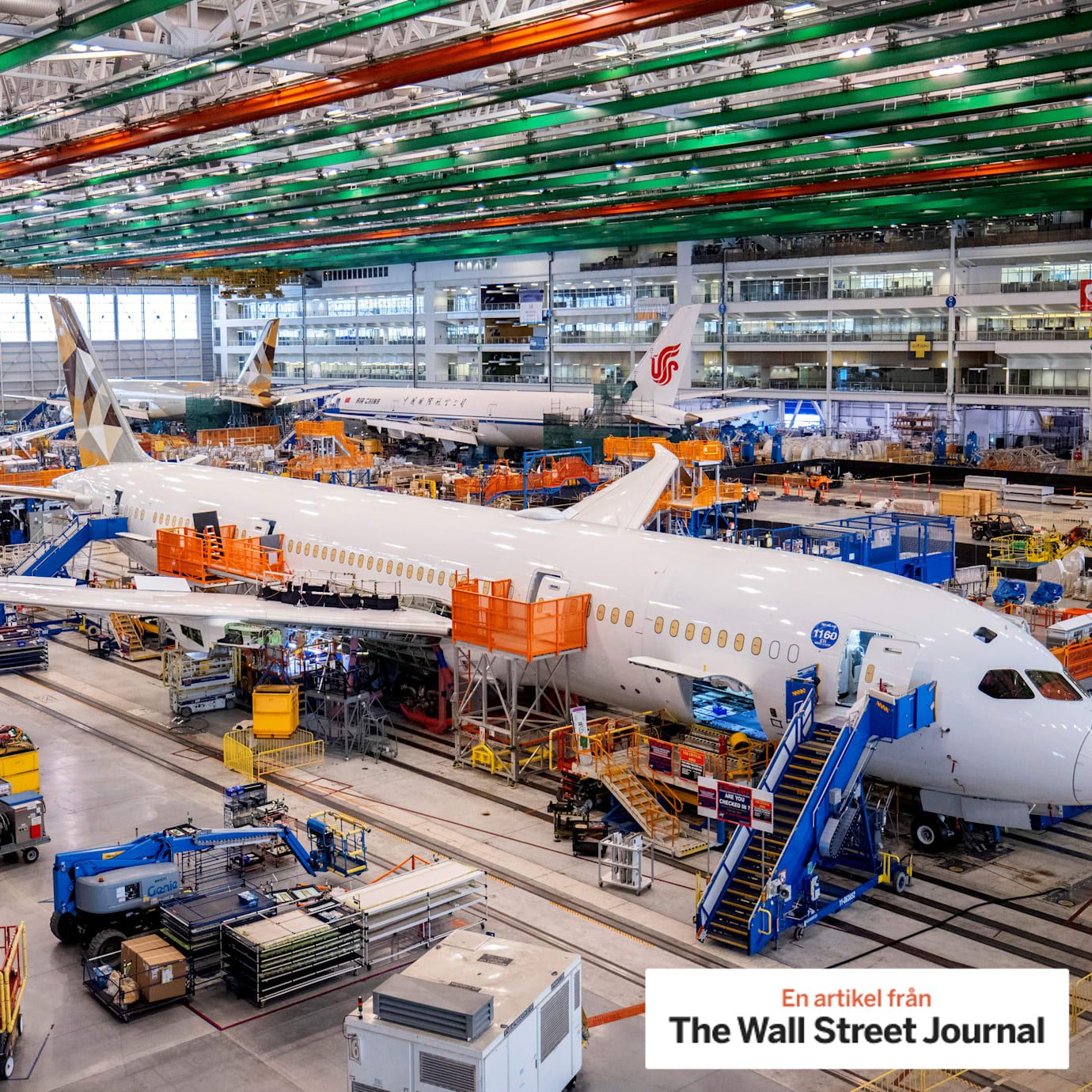
Flygindustrin var en av de branscher som drabbades först och hårdast av pandemin. Även om Boeing inte sa upp folk, valde många att gå med förtidspension. Så de senaste åren har flygjätten varit på rekryteringsräd för att möta efterfrågan på nya plan när resandet har återupptagit, skriver Wall Street Journal.
Men även om man nu återbesätter tjänsterna, har bolaget tappat enormt mycket kompetens. Hälften av drygt 30 000 flygplansbyggare har mindre än sex års erfarenhet. Den ”miljön” har bidragit till Boeings kvalitetsproblem, säger den egna ledningen.
 The Wall Street Journal
Boeing’s Urgent Mission to Train Thousands of Rookies How to Build an Airplane
An exodus of seasoned workers contributed to quality issues, prompting the jet maker to overhaul its regimen for new hires.
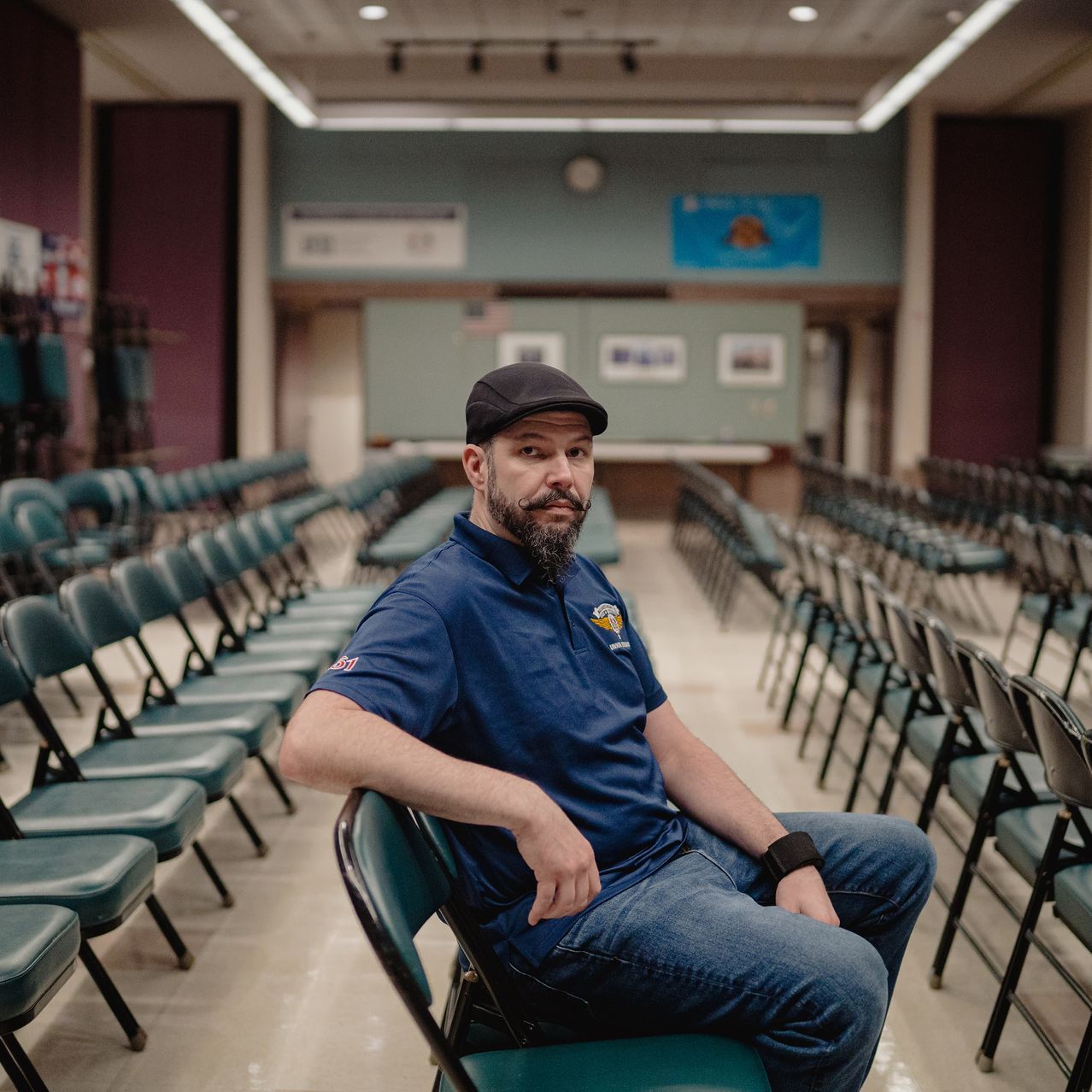
Daniel Horine packed into a windowless training room at Boeing’s sprawling Everett, Wash., factory. A longtime foundry worker whose neighbor talked him into applying for a job at the jet maker, he was part of a class of hundreds that also included a cybersecurity expert and a former Starbucks trainer.
They had three months to learn how to build an airplane.
“Nothing prepared me for what I was getting into,” said Horine, who was hired in August and is helping prepare Boeing’s new 777X jet for production. “This isn’t a car that’s going to carry one or two people. We know if we mess up, we could potentially mess up an airplane.”
Boeing’s factory workforce has undergone a dramatic transformation in recent years. Legions of senior machinists retired when the pandemic hit and in the years since. The company, racing to meet demand for new jets as travelers returned to the skies, has been on a hiring spree to replenish its ranks.
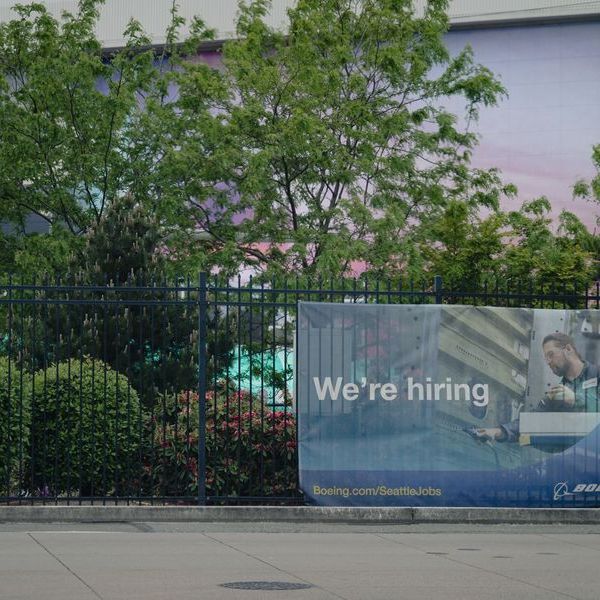
Like so many McDonald ’s restaurants, the Renton, Wash., factory where Boeing builds the 737 has a banner outside that reads: “We’re hiring.”
Last year in the Puget Sound area alone, Boeing hired an average of 800 factory workers a month. It’s still bringing in hundreds of new recruits a month, though the pace has slowed somewhat.
The result: factories populated by new employees, many of them younger than their predecessors and with no experience related to building airplanes. Gone were many of the seasoned workers with the know-how to handle problem parts or glitchy equipment, or to point newer colleagues to the right procedures tucked deep inside digital tutorials.
It’s an environment that Boeing executives say contributed to quality issues that the company is grappling with in the wake of January’s near-catastrophe, when a piece of the fuselage blew off during an Alaska Airlines flight.
“We heard repeatedly from experienced employees that, ‘We are maxed out training these new people’”
In the soul-searching that followed, a dearth of experience on the factory floor topped the list of issues cited by employees who were asked to identify problems in the company’s manufacturing process, said Elizabeth Lund, recently named quality chief of Boeing’s commercial airplane unit.
“We heard repeatedly from experienced employees that, ‘We are maxed out training these new people,’” said Lund.
The need for more and better training was so striking that, after the accident, the company stopped sending new employees to the factory floor for more than a month as it overhauled its regimen for training machinists.
“We sat back and said, ‘Let’s not add to this problem,’” Lund said.
Knowledge loss
An influx of inexperienced workers has cut across virtually all industries, including manufacturing, healthcare and customer service. Many workers were laid off amid pandemic shutdowns and then found new jobs and careers in the historically tight labor market that followed. Because many companies, including Boeing, used early retirement buyout offers to thin their ranks, veteran workers comprised a greater share of job reductions.
The U.S. economy has more than recouped the 22 million jobs lost early in the pandemic. But many of those coming in were unseasoned employees and the task of training them fell on the smaller pool of veteran workers, a dynamic that has contributed to lower labor productivity in recent years, executives and economists say.
Fallout was especially acute in aerospace manufacturing.
Air travel was among the first industry casualties of the pandemic, and one of the last to recover. Covid hit just as Boeing was restarting production of its bestselling MAX jets following crashes in 2018 and 2019 that led to a worldwide grounding of the planes. Though Boeing didn’t lay off workers during this period, many opted to leave, and the company’s suppliers were hit hard by the loss of business.
Of the more than 30,000 Boeing employees represented by District 751 of the International Association of Machinists and Aerospace Workers, roughly half have less than six years of experience, the union said. That is double the level before the pandemic.
“How do you transfer that knowledge to the next generation of workers when that knowledge is gained through experience?” said Ben Armstrong, executive director of MIT’s Industrial Performance Center.
Building planes and plane parts—unlike making toys, appliances or even cars—requires a deep knowledge of the machine. A single person on an airplane assembly line may have dozens of jobs, each of which must be completed flawlessly.
“It’s a very big, complex product made out of tens of thousands of parts,” said Justin Welner, who oversees training at Spirit AeroSystems, supplier of fuselages for Boeing’s 737 MAX jets.
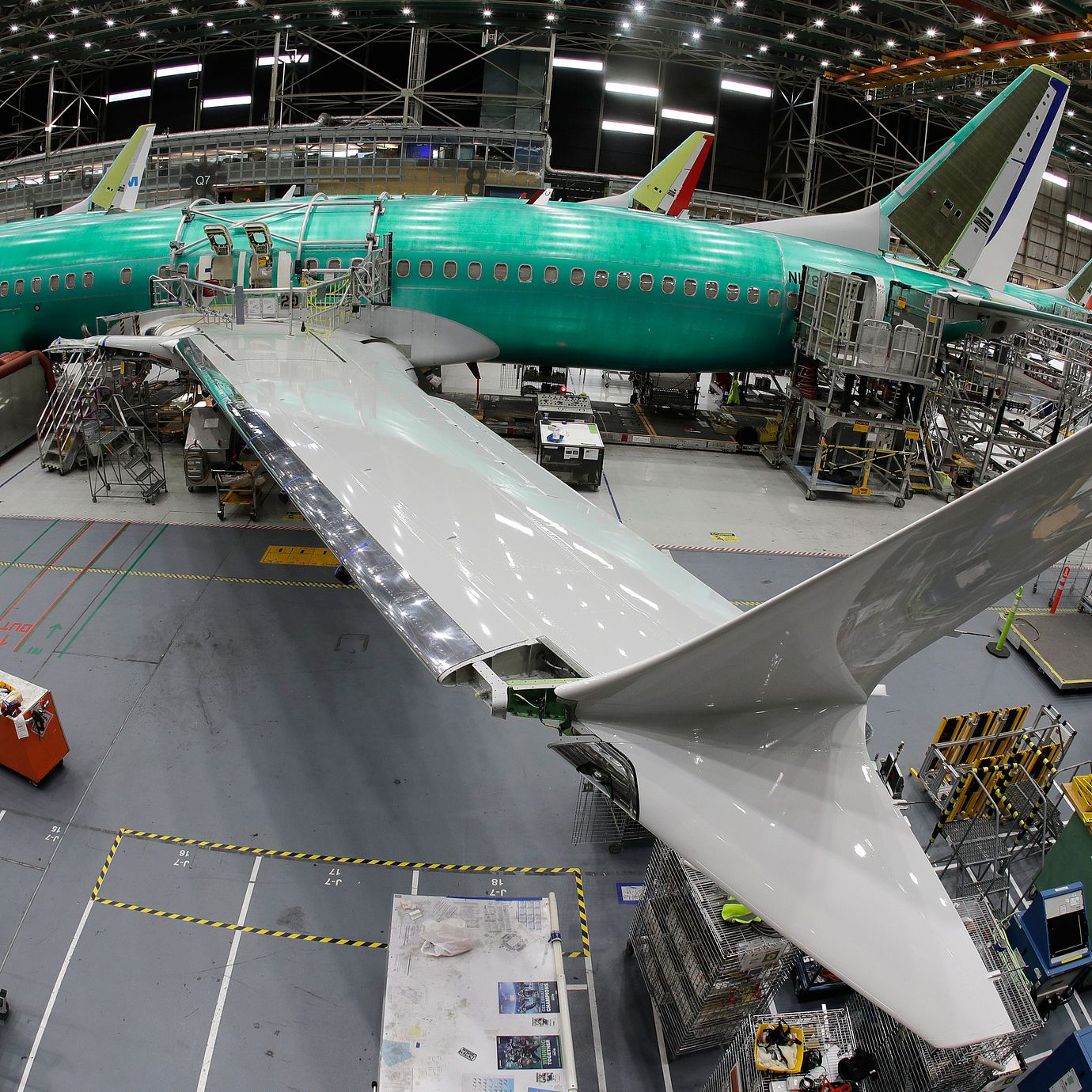
On any given day, he said, workers might encounter a problem like a delayed part or a malfunctioning piece of equipment. “It’s those experienced guys who navigate that and do the workaround,” he said.
At Boeing, the experience conundrum comes in addition to other factors that the company’s own executives and outside regulators have identified as they seek to understand how workers at Boeing’s Renton 737 MAX factory failed to replace critical bolts on the piece of fuselage that blew off midflight on Jan. 5.
Boeing has also overhauled pay incentives , worked to stop the practice of completing work out of sequence , and is in talks to acquire Spirit , whose woes Boeing executives say are at the root of many of the jet maker’s quality issues.
Job openings
Horine, a 45-year-old Idaho native who moved to the Seattle area more than two decades ago, long believed a Boeing job was out of reach. “When you hear people work for Boeing, it sounds like some magical place,” he said.
Last year a neighbor told him Boeing was badly in need of more workers. He’d been working at a foundry, creating patterns used to cast materials, and wanted a job that felt more secure and came with union representation.
In a job posting for an aircraft structures mechanic at Boeing’s Renton factory, the company lists more than a dozen responsibilities, from using chemical lubricants to using a computer as part of the production process.

The company requires applicants to have a basic understanding of how to use hand-held power tools and prefers they have at least a year of experience working in aerospace or similar fields, such as automotive or robotics. The posting notes that the work requires climbing, balancing and crouching and hours of exposure to constant noise in a confined space. Pay ranges from $24.50 to $43.74 an hour.
“From the seabed to outer space, you can contribute to work that matters,” the posting reads.
Horine applied in July and was hired in August. Upon reporting for training, Horine said, he was struck by the variety of recruits in his class. Some, like him, were in their 40s or older and starting second careers. Some were in their 20s. “There were people from every possible career trying to make a future,” he said.
“Traditionally we counted on our on-the-job training and this peer mentorship”
He viewed building airplanes as a natural fit. He restores cars as a hobby and has spent his life honing mechanical skills. He thought he’d seen every type of wrench in existence. Learning the nuts and bolts of building a jet would come naturally, he thought. Then in training, he was introduced to a dizzying array of tools and jobs.
“It took an entire day to understand torque,” he said. Learning the practice of riveting—using fasteners to join together metal parts—consumed two weeks, he said. By the end of training he felt prepared for the job and now, less than six months after hitting the factory floor, he’s a union steward.
Training so many new workers proved harder than Boeing expected. “Traditionally we counted on our on-the-job training and this peer mentorship. But with this lower percentage ratio of experienced employees, it really made that more difficult for employees,” Boeing’s Lund said.
She said that even before the Alaska Airlines incident, at the beginning of 2023, the company had assembled a manufacturing team to beef up training. But executives didn’t realize the extent of the knowledge loss until after the accident.
‘Go by the specs’
During the six to eight weeks that Boeing stopped moving new hires onto the factory floor, the company worked on ways to train and connect with the younger, less experienced recruits.
Boeing’s new training regimen requires more hours and includes more frequent testing to ensure proficiency along the way. New workers are paired with veterans. Instead of eight to 12 weeks of foundational training, employees now undergo 10 to 14 weeks. The entire process, including training after employees begin working under supervision, takes about six months.
The company is trying to make the work itself easier. The digital system used to call up work instructions, for instance, previously required seven clicks to get to specific directions. Now it takes two.
And Lund says the company is continuously working to standardize work to make jobs easier to learn and employees less reliant on institutional knowledge.

The company, for instance, has put in place new requirements to remove and replace door plugs like the one that flew off. It now mandates and spells out compliance checks before every break and at the end of every shift that have long been expected but not expressly required. Machinists also have time built into their schedule to complete the list.
At GE Aerospace , standardized work processes have helped ease the transition for the influx of new workers, CEO Larry Culp said in an interview earlier this year. The jet engine maker has so far avoided quality issues that have plagued Boeing and some other major suppliers.
“Just defining the best way to do something every time, and then making sure no one is taking artistic license with that standard work,” is crucial, Culp said.
Horine said trainers at Boeing impressed upon workers the need to have standardized practices.
“You don’t want to build a plane by memory,” he said. “Boeing is trying to get away from that and have us go by the specs.”
Supplier issues
Glitchy parts from Spirit have been a problem for Boeing for years as production snafus and quality lapses at the supplier slowed production at Boeing and left it short of jets it promised to deliver to airlines.
The chain of events that led to the Alaska Airlines incident started with defective rivets, or fasteners, on the fuselage supplied by Spirit. Boeing workers had opened the door plug to make the repair.
Spirit has also lost troves of institutional knowledge in recent years as waves of senior workers retired.
Spirit laid off about 8,000 workers during the MAX crisis and Covid. About 1,000 of those who left were veteran workers who took early retirement offers. The company was able to rehire close to 75% of all those workers, but still needed to hire thousands, said Welner, the Spirit training executive.
The company hired about 2,500 employees last year at the Wichita, Kan., factory that makes MAX fuselages, which employs about 10,000. To staff up, Spirit dropped a requirement that new hires have a minimum two years of experience in aerospace manufacturing.
“The days of opening up a requisition and having your pick of experienced mechanics are over,” he said.
They’re required to pass a final test with 100% accuracy on the first or second try to keep their job
Spirit last month laid off 450 workers at the plant as it deals with slower production at Boeing; the jet maker has said it aims to ramp up production later this year.
Starting a few years ago, Spirit doubled the length of training to eight to 10 weeks. Workers first learn the basics, such as how to connect a drill motor to an air hose. They’re required to pass a final test with 100% accuracy on the first or second try to keep their job.
The company is testing a program in which so-called master mechanics work alongside newer employees to teach them skills on the line. The goal is to hold on to experienced workers and continue using their expertise even after they can no longer tolerate the physical demands of the job, Welner said.
Boeing’s Lund, who was tasked with submitting to the Federal Aviation Administration the company’s plan to improve quality, said much of the company’s training overhaul reflects a new reality in Boeing’s workforce. She said hearing from workers about shortfalls in the process was humbling.
“Our hiring pipeline that used to be rich with people out of the military, or people already from this industry, or people that had grown up doing mechanical type of work has changed pretty drastically,” she said. “It’s us realizing they’re not coming in with that much, so we’re placing more time and emphasis on teaching those skills.”