EQT vill växa på ny marknad – för samtal om ett uppköp
EQT vill växa på den så kallade sekundärmarknaden och har enligt uppgifter till Bloomberg fört samtal med Coller Capital, Harbour Vest och Pantheon om ett möjligt uppköp.
Dessa andrahandsinvesterare tjänar sina pengar på att köpa andelar från tidiga investerare som vill komma ur sina köp och därför säljer mot en rabatt.
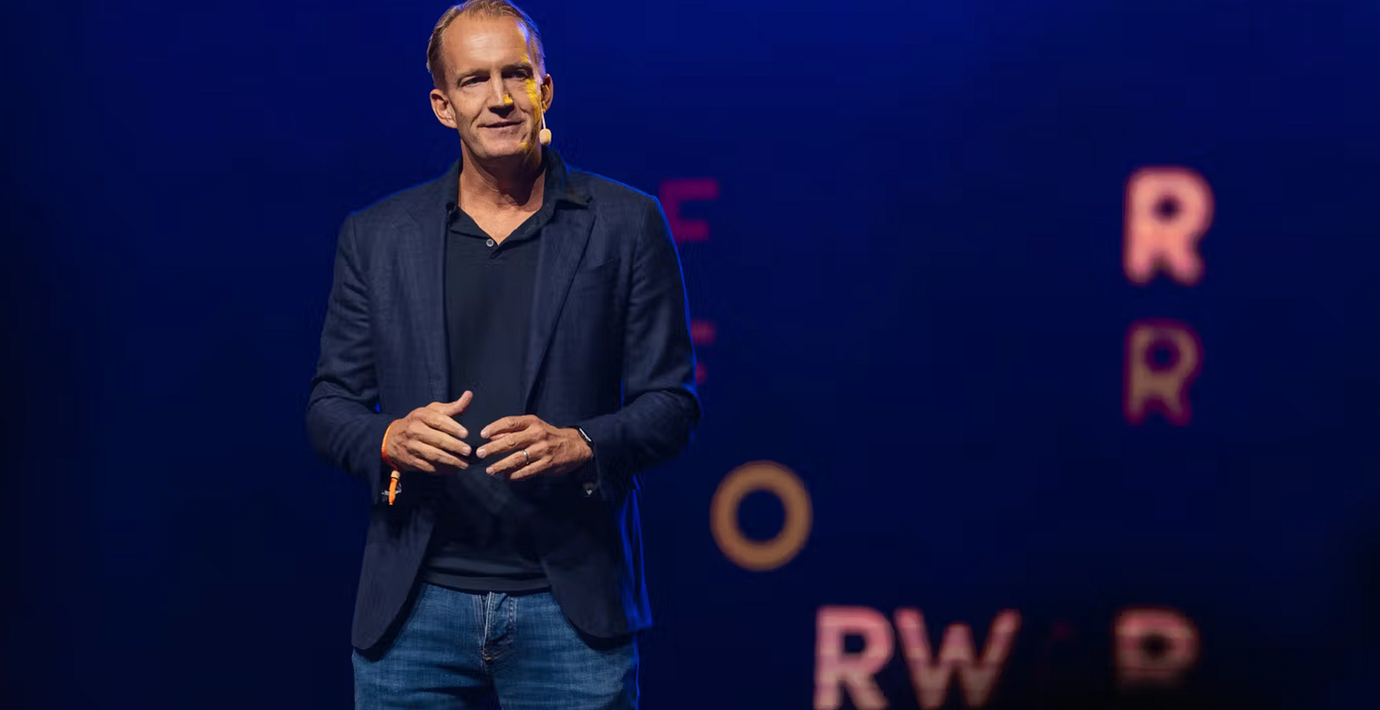
– Det här är fortsatt ett område som intresserar oss. Vi känner oss positiva till de samtal vi för och till vårt rykte som en konsoliderande aktör inom branschen, sa Per Franzén, vd för EQT, på en analytikerkonferens i förra veckan.
bakgrund
Sekundärmarknaden
Wikipedia (en)
In finance, the Private Equity Secondary Market (also often called Private Equity Secondaries or Secondaries) refers to the buying and selling of pre-existing investor commitments to private equity and other alternative investment funds or the underlying private equity assets (e.g., credit secondaries). Unlike public markets, private-equity interests lack an established trading exchange, making transfers more complex and labor-intensive.
Sellers of private-equity investments sell not only their holdings in a fund but also their remaining unfunded commitments. The private-equity asset class is inherently illiquid and is designed for long-term investment by institutional investors, such as pension funds, sovereign wealth funds, insurance companies, endowments, and family offices for wealthy individuals. The secondary market provides these investors with an avenue for liquidity, enabling them to manage their portfolios dynamically. Global secondary transaction volume reached a record ~US$160 billion in 2024.
Buyers seek to purchase secondary interests in private equity assets for multiple reasons, including shorter investment durations, potential discounts on valuations, and greater visibility into the assets held by the fund. Private equity secondary funds are typically marketed as delivering attractive annualized returns (IRR), with limited j-curve issues, shorter duration and enhanced diversification across multiple metrics relative to other forms of private equity funds. Conversely, sellers engage in secondary transactions to create early liquidity in an otherwise illiquid asset class, which may be attractive to reduce over-allocation to private equity, balance private equity exposure by strategy or vintage, meet regulatory requirements or to achieve other strategic objectives.
As private equity has matured, two main segments of the secondary market have emerged:
LP Interest Secondaries – In these transactions, buyers acquire limited partnership (LP) interests in private-equity funds. The buyer assumes all rights and obligations of the seller, including future capital calls and distributions. Because of the flexibility of cash flows from private equity fund portfolios, these transactions can utilize highly customized structures.
GP-Led Secondaries – In these transactions, a private-equity fund's general partner (GP) leads a process to provide liquidity to existing investors by selling assets from an existing fund into a new vehicle. In the case of continuation funds, this can be used to allow a manager to retain high performing assets it might otherwise feel required to realize as part of its portfolio management responsibilities. Alternatively, fund recapitalizations can afford early liquidity to investors in more mature funds. GP-led secondaries have grown significantly since 2012, comprising over one-third of the secondaries market as of 2017, and upwards of 50% in the 2020s.
The private-equity secondary market has evolved into a dynamic and essential component of private equity, offering liquidity solutions to investors. As GP-led transactions grow and institutional participation expands, the secondary market is expected to continue increasing in volume and complexity. For the year ended December 31, 2024, market participants estimate annual secondary market volume of roughly $150 billion.
Omni är politiskt obundna och oberoende. Vi strävar efter att ge fler perspektiv på nyheterna. Har du frågor eller synpunkter kring vår rapportering? Kontakta redaktionen