Hamnstaden visar sprickorna i Kinas ekonomi: ”Folk har inga pengar”
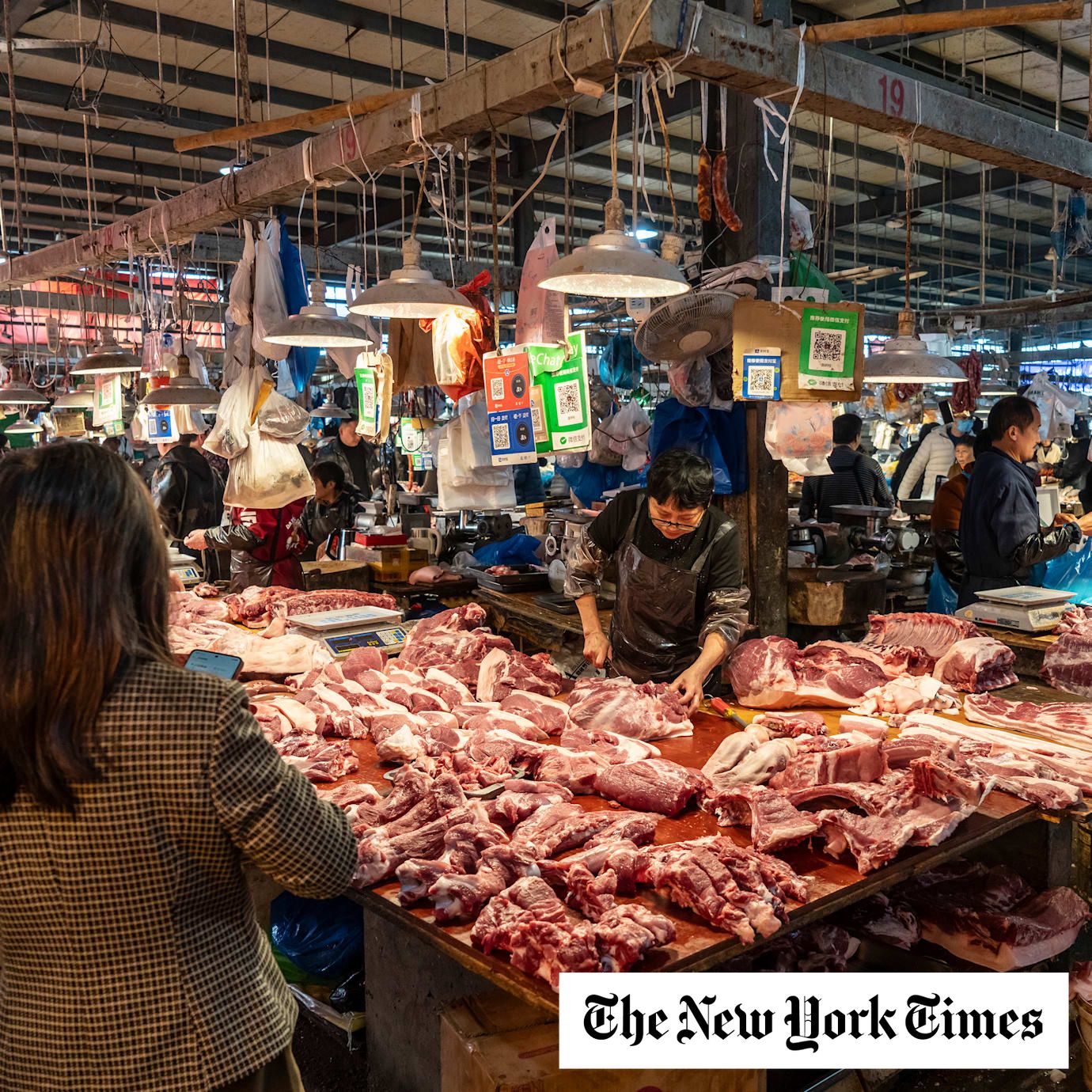
Hamnen i Ningbo, två timmar från Shanghai, är världens största om man ser till fraktvolym. Här lossas vete och olja för den kinesiska marknaden och här lastas bilar, elektronik och kläder för export till resten av världen.
Men följer man floden några kilometer inåt landet till Ningbos historiska hamn så får man en helt annan bild av den kinesiska ekonomin, skriver The New York Times. Här har bostadspriserna kollapsat och restaurangerna ekar tomma.
– Folk har helt enkelt inga pengar, säger en försäljare på en byggmarknad till tidningen.
 The New York Times
At World’s Busiest Port, China’s Unbalanced Economy Comes Into View
The shipping traffic and factories never stop in China’s port city of Ningbo, but the local housing market has crashed and nearby restaurants sit empty.
To understand how China’s economy is now experiencing both the best and the worst of times, consider the port city of Ningbo, a two-hour drive south of Shanghai.
Ningbo’s vast port handles 150,000 ships a year and is the world’s largest by cargo tonnage. A seemingly endless armada of tankers and bulk carriers arrives to discharge imported oil and grain, while other vessels pick up tens of thousands of containers daily.

Departing ships are packed with manufactured goods headed for global markets. Enormous car carriers, essentially floating parking lots with a dozen floors, transport China’s rapidly increasing car exports.
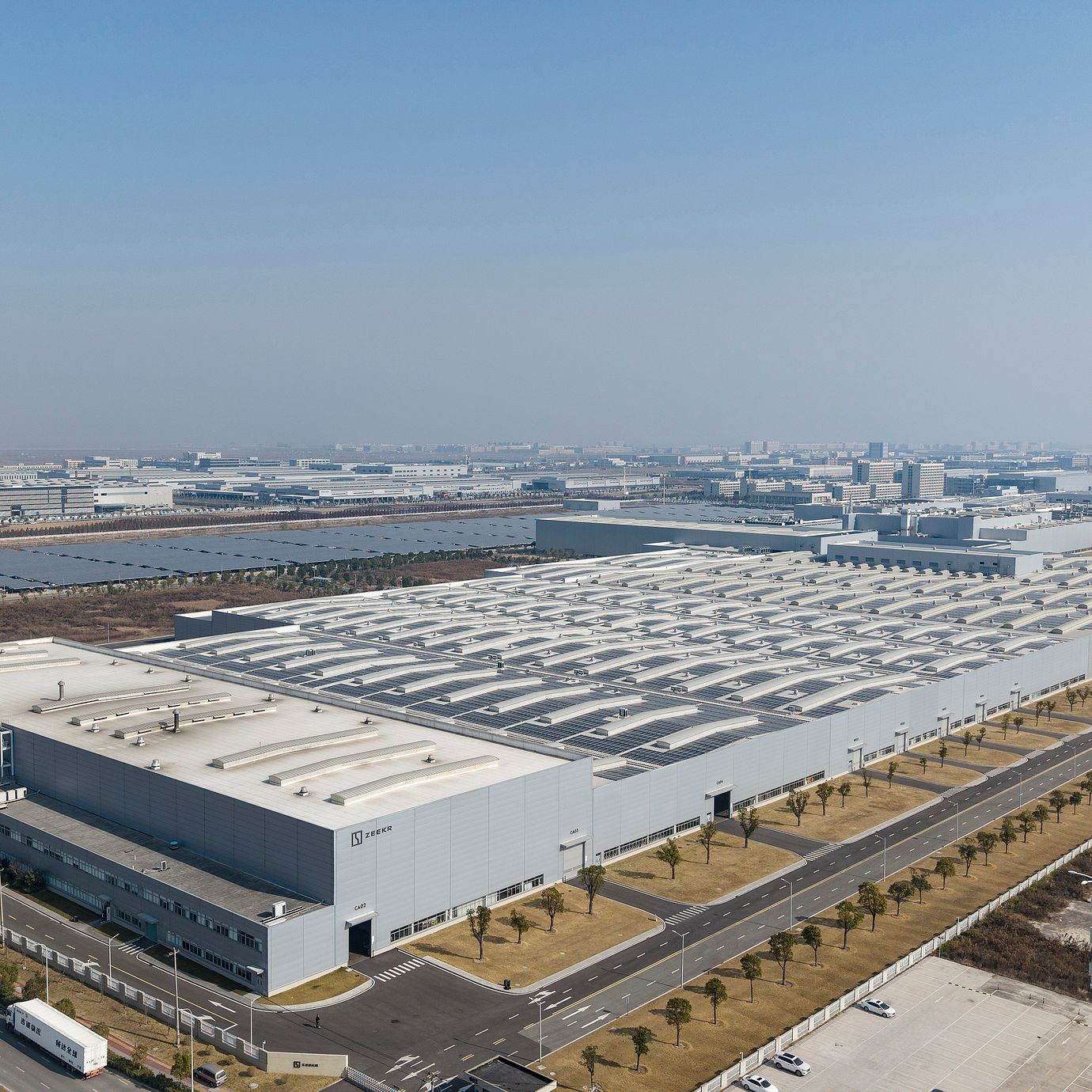
Teeming with factories that make everything from fabric and apparel to household appliances and electric vehicles, Ningbo offers a full display of China’s industrial prowess. Its port and manufacturing facilities are the engine that helped power China’s record trade surplus last year.
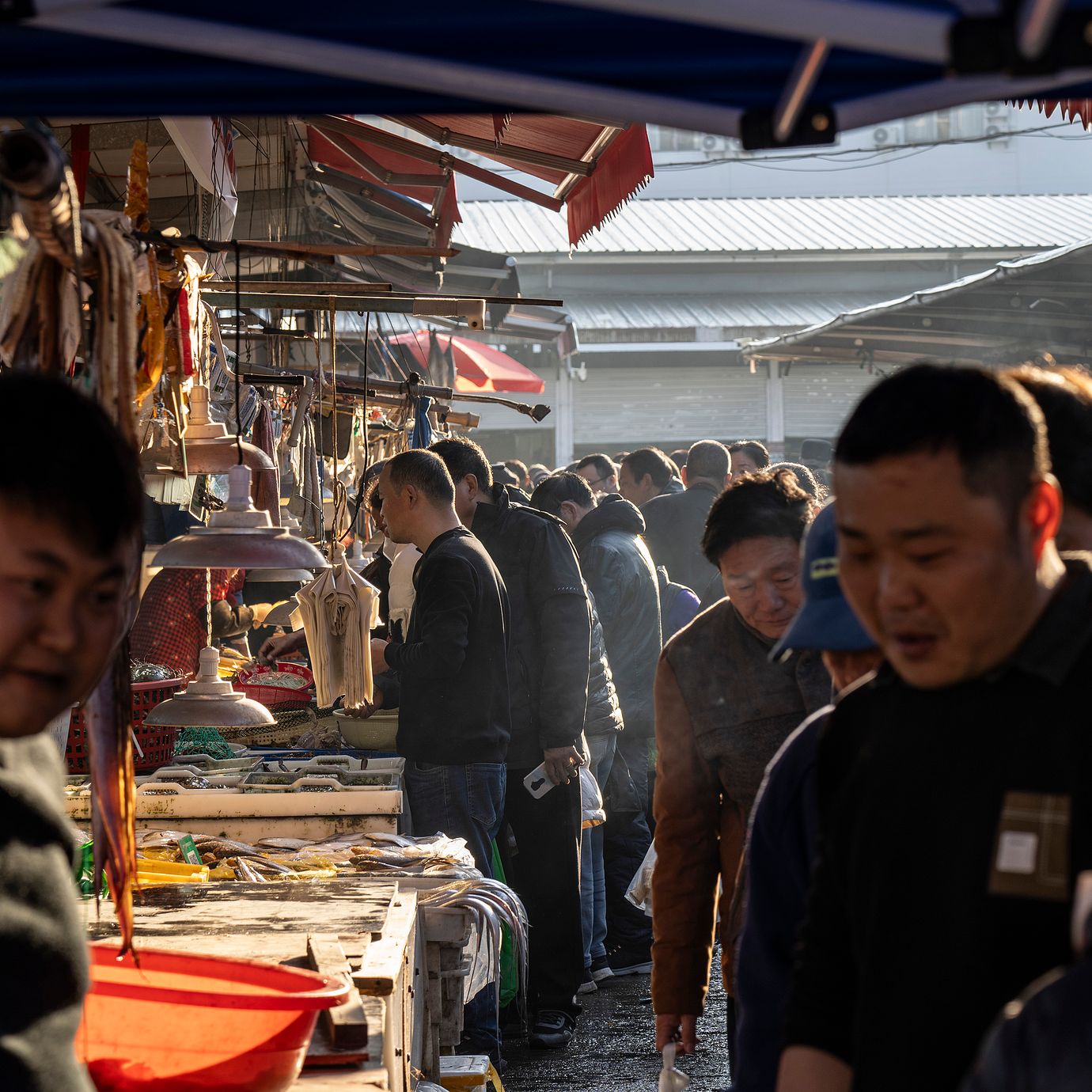
But a very different portrait of China’s economy can be seen several miles up the Yong River, where the Old Bund historic district stands at the site of Ningbo’s 19th-century port. There, housing prices have collapsed, as in many other parts of China. Construction has stalled, and the municipal government has cut spending. Declining home values have eaten into the net worth of the city’s middle class, leading to reduced consumer spending.
The restored Old Bund neighborhood — home to art galleries, restaurants and bars — was largely deserted on two evenings last month. Crooners in the bars sang to empty tables. The sightseers avoided venturing into any of the establishments.
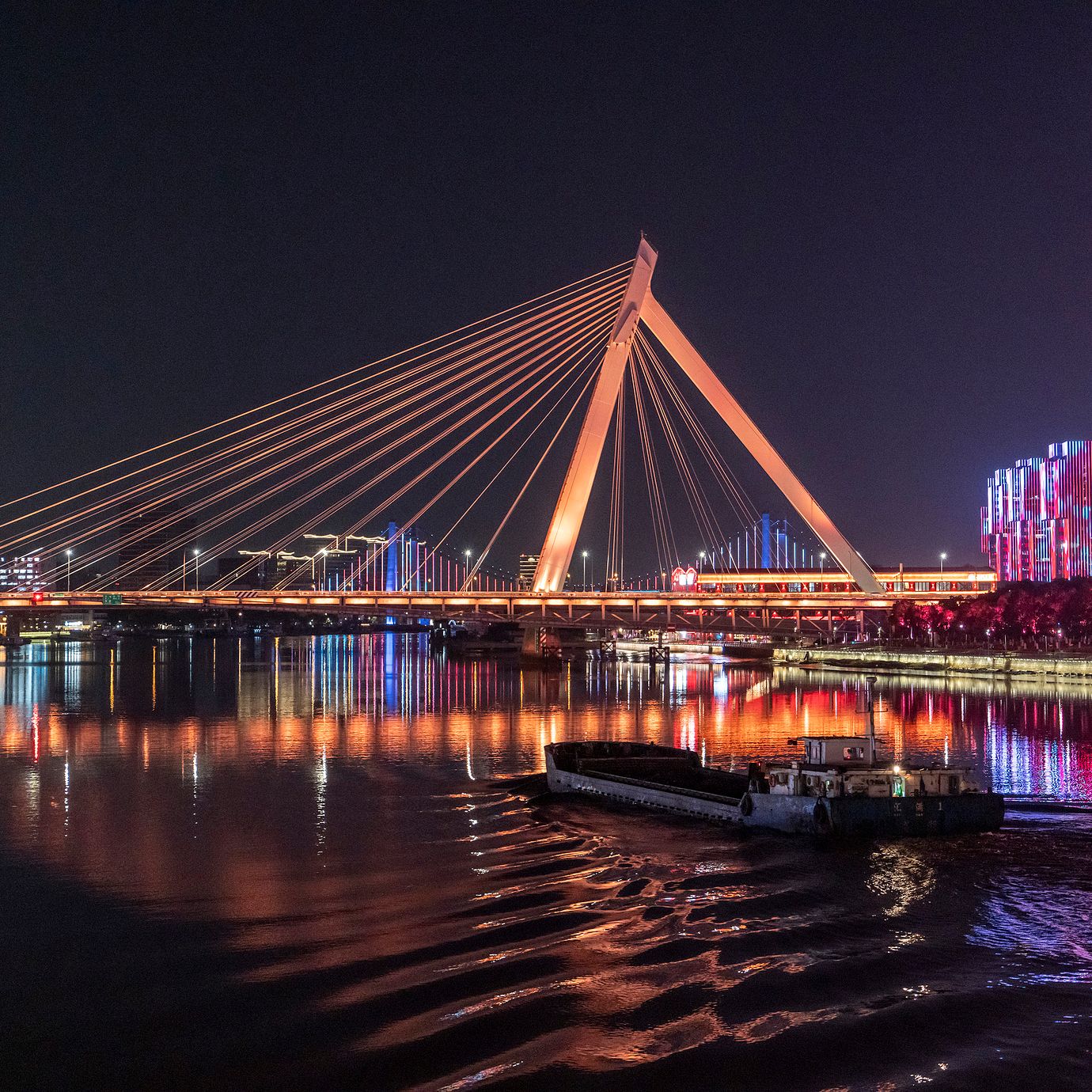
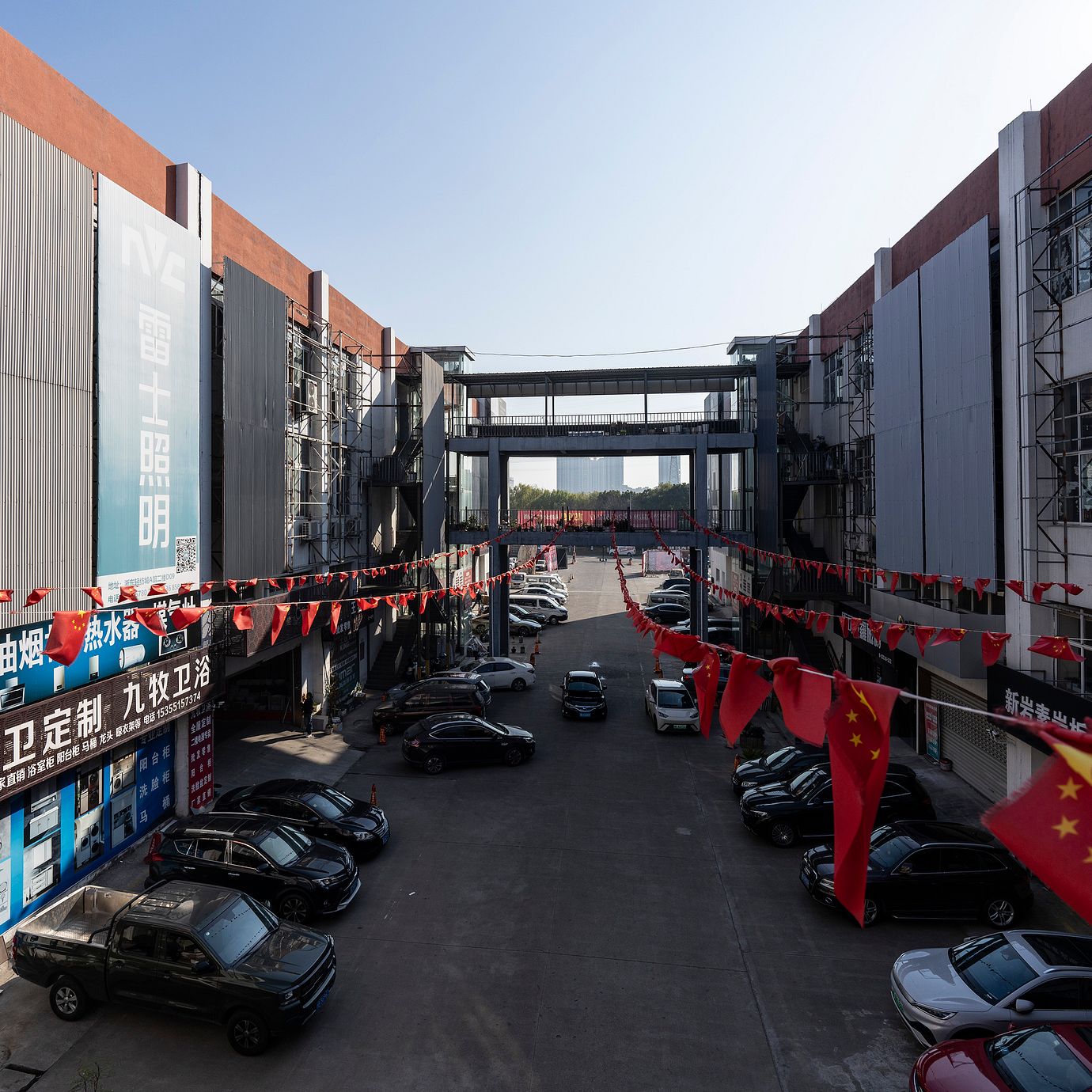
“The main reason is that people just don’t have money,” said Sarah Jin, manager of a toilet store at a construction materials market on Ningbo’s outskirts.
At the market, the sales drop-off has been bleak: The toilet store’s sales were down by a third, the plumbing supplies outlet had tumbled 70% and the door seller’s business had plunged 80%.
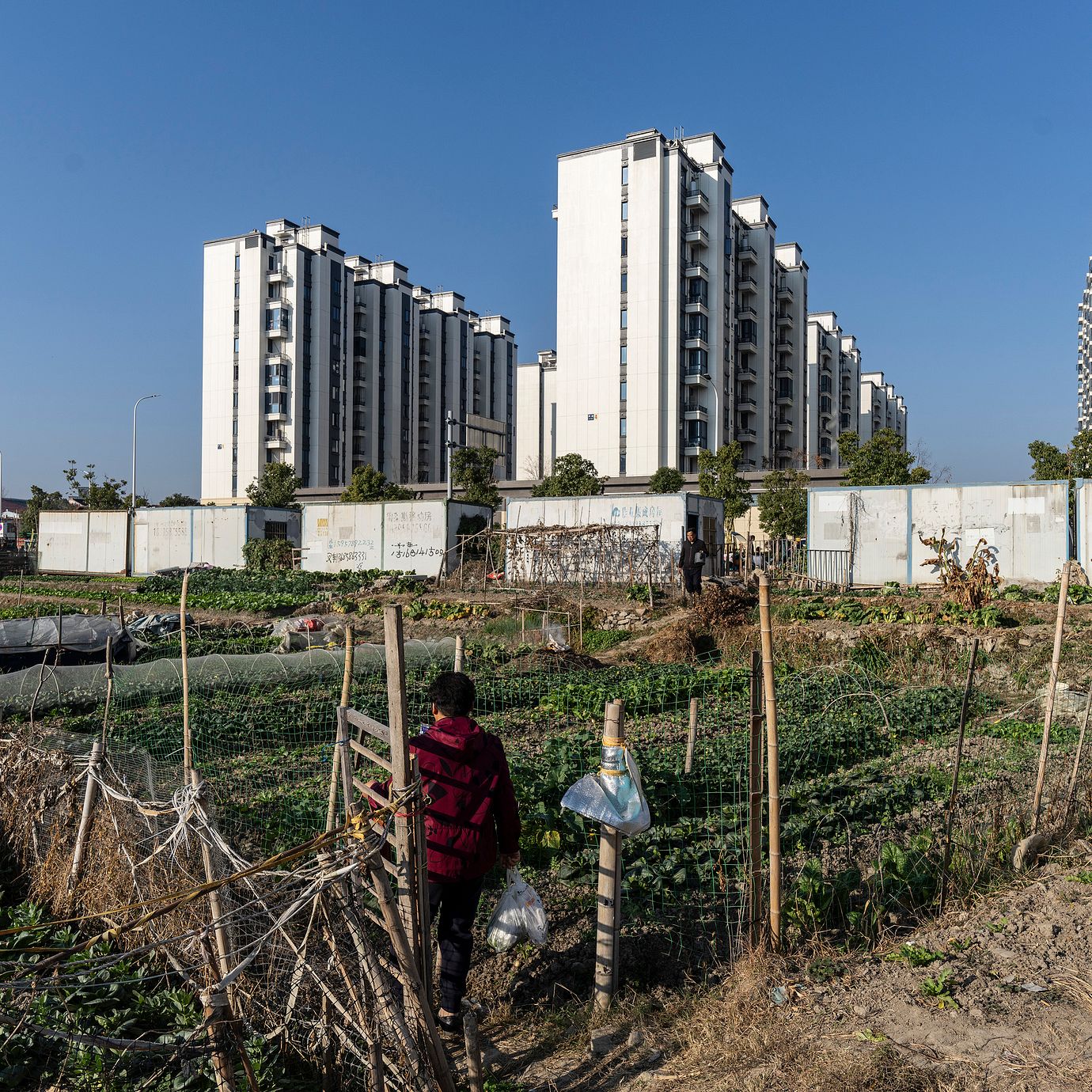
Government data indicates that Ningbo’s troubles are worsening rapidly. Investments in new apartments, office buildings, factories and other fixed assets, once the cornerstone of China’s economy, unexpectedly fell 1.4% in 2024.
Then last year, the bottom dropped out, according to data from the Ningbo Municipal Bureau of Statistics. Fixed-asset investment plummeted 21.4% last year.
In the West, national governments accelerate spending during economic downturns to cushion the shock. But in China, local governments do most of the spending, and they have long relied on land sales and other real-estate-related activities for revenue.
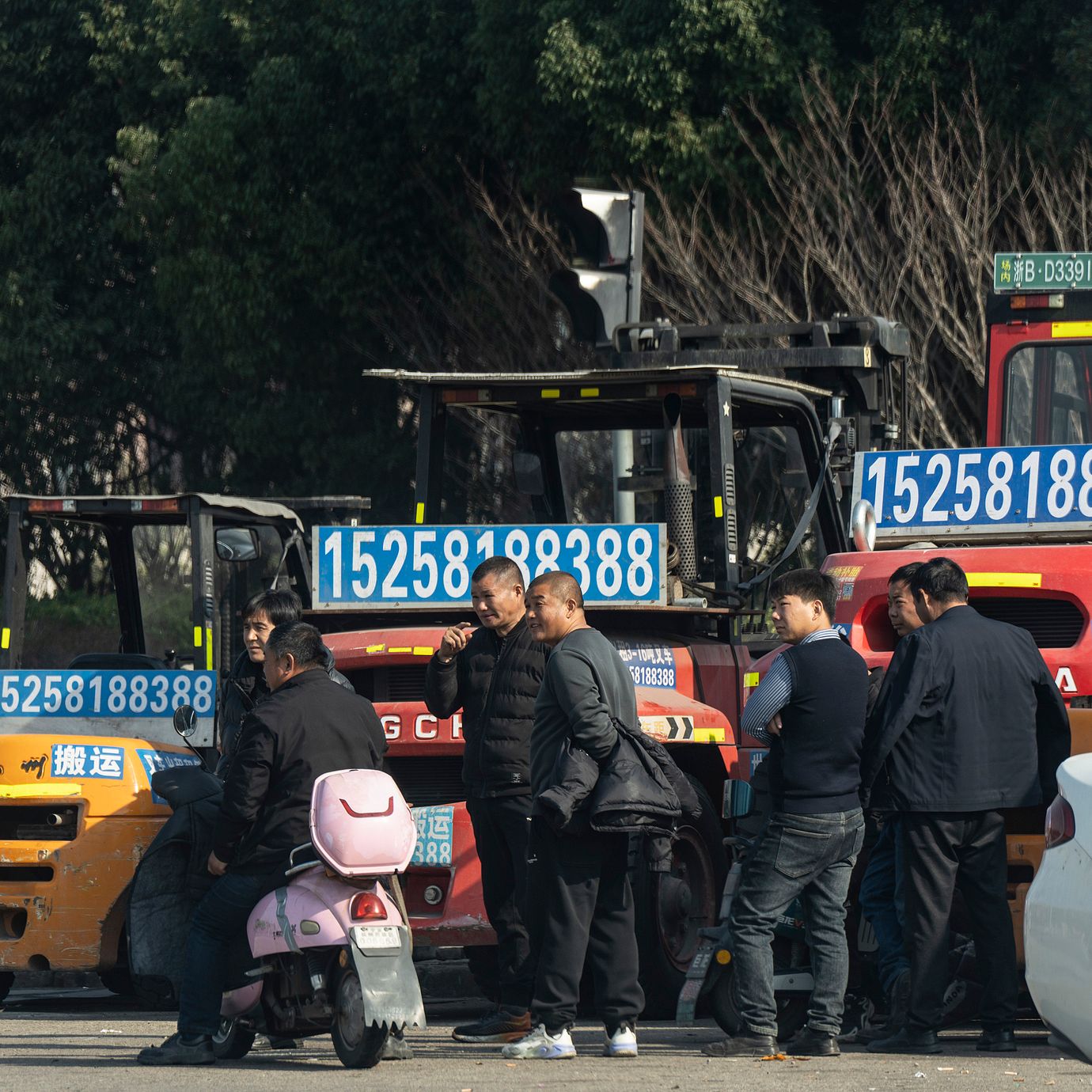
As the property sector fell into a tailspin, Ningbo officials cut expenditures. The city’s spending dropped 5.6% last year, according to the municipal statistics agency. In the boom years before the pandemic, municipal spending had risen 11% to 13% annually.
Tang Feifan, Ningbo’s mayor, acknowledged the city’s difficulties in a speech last week. Ningbo lacks “follow-through” in major industrial projects, and there is “continued pressure on the stable growth of foreign trade and foreign investment,” he said. “Consumption potential has yet to be fully unleashed.”
Only the city’s export factories are prospering.
“The real estate market has been so weak that almost no one is buying houses anymore,” said Jennie Yang, who runs the plumbing supplies store. “My business now mainly relies on longtime factory clients to keep things going.”
As local businesses struggle, China’s manufacturing prowess remains a bright spot. Jin’s toilet store was faring better than other construction materials shops, because of the popularity of high-tech toilets with electronic controls and bidet-like features — another example of a broader strengthening of China’s technical abilities.
When she entered the industry eight years ago, costlier, better-equipped toilets were imported. Now they come from Chinese factories.
“China doesn’t need to rely on imports for many things anymore — we can produce them ourselves and, most importantly, at a very low price,” she said.
But even the export sector has difficulties. Severe overcapacity and President Donald Trump’s new tariffs have led to falling prices, crippling companies’ profit margins. While factories are humming, they are increasingly automated, reducing the need for workers.
China’s elite, previously a leading market for Italian sports cars and French couture, has curbed spending. Even one of Ningbo’s oldest and most famous industries is shrinking: the production of wildly expensive handmade men’s suits.
The most expensive suits, made of vicuña wool, sell for up to $100,000. But one of Ningbo’s best-known tailor shops, Yinyi Hongbang, mainly sells suits now for around $2,000, made from less expensive fabrics.
“These days, orders are dropping across the country,” said Young Liu, manager of Yinyi’s main store in Ningbo.
Economic weakness has caused unhappiness among the city’s less affluent residents who have lost their savings or struggle to find full-time work. While China’s powerful security apparatus and censorship keep public displays of dissatisfaction under wraps, glimpses of resentment are readily found.
“Everyone is complaining about how hard it is to get money, how hard it is to survive,” said a middle-aged resident who gave his family name, Yang. “People are very angry with the government.”
© 2026 The New York Times Company. Read the original article at The New York Times.