Ryska säkerhetstjänsten börjar släcka ner internet: ”Kreml är nervöst”
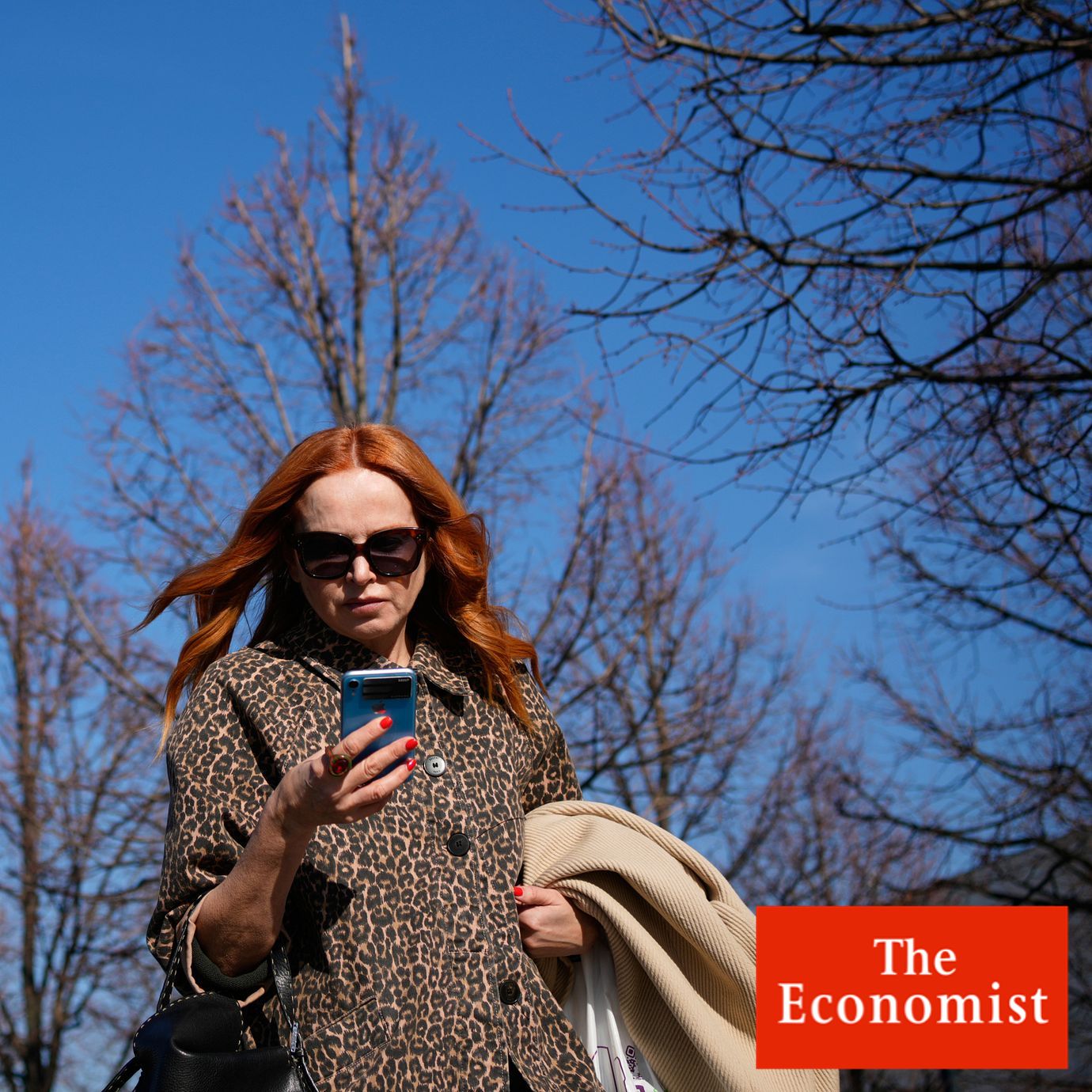
Rysslands säkerhetstjänst FSB har flera gånger de senaste veckorna stängt ner tillgången till mobila internettjänster. För första gången är det inte bara provinserna som drabbas, utan miljonstäderna Moskva och Sankt Petersburg, skriver The Economist.
Nedstängningen har lett till stora störningar i vardagslivet – föräldrar kan inte kontakta sina barn via meddelandeappar och chaufförer kan inte leverera varor. För första gången sedan den fullskaliga invasionen av Ukraina 2022 pratas det nu om protester.
Enligt tidningen är den ryska maktapparaten rädd för att medborgarna börjar tröttna på kriget. Kreml vill därför begränsa och övervaka kommunikation genom att tvinga dem att använda den statskontrollerade ”superappen” Max.
 The Economist
Russia wants to limit contact with the outside world
A recent internet blackout reflects the Kremlin’s nervousness.
BY MOST ACCOUNTS, Russia gains from the war on Iran. Soaring oil and gas prices relieve its previously strained budget. The Middle East conflict may reduce the flow of American arms to Ukraine. And a growing rift between America and its European allies may soften support for Ukraine’s president. Yet Moscow is gripped by a new anxiety.
This nervousness stems not from Ukraine or the West but from the security services. Over the past few weeks they have begun blocking mobile internet services in Moscow and St Petersburg, plunging Russia’s two largest cities into a digital black hole. In doing so the spooks have disrupted everyday life, triggered popular resentment and created divisions within the elite.
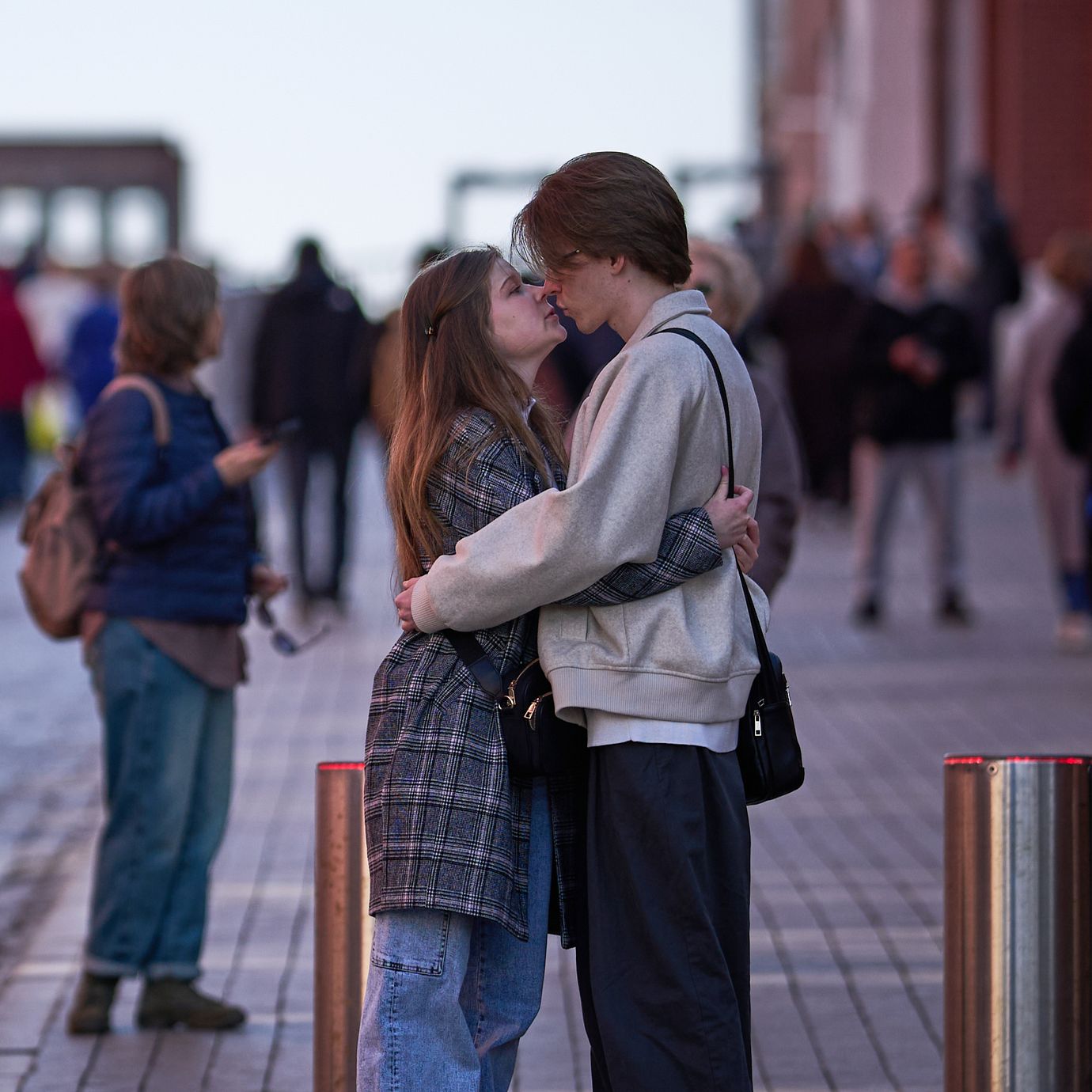
The blocking in Moscow began on March 6th—apparently on the orders of the FSB security service—and lasted for almost three weeks before being partly reversed. Russian officials cited security reasons. Most Muscovites assumed that a new firewall system was being tested to disconnect Russia from the global internet and allow access only to approved sites. Such blackouts have been common in the provinces, but not in Moscow or St Petersburg.
The capital has long been a place where an absence of civic freedom is compensated for by online services used daily by almost every single resident. But suddenly parents could no longer message their children, or drivers pay for parking, or couriers deliver their orders. Even taxis had to be ordered by phone or hailed on the street, as in olden times.
Each day of no service cost Russian businesses as much as 1bn roubles ($12m), according to Kommersant, a newspaper. Sales of two-way radios, pagers and paper maps have soared. An old-style red payphone has been installed by Patriarch’s Ponds, a part of Moscow famous as the setting for Mikhail Bulgakov’s “The Master and Margarita”. Encased in a lining that resembles a coffin, the payphone looks like a piece of conceptual art. “Guess what they’re burying,” quipped a resident.
Now the security services have brought the war home
One answer is the appearance of normality the Kremlin has sustained since the start of the war. Air-raid sirens may be common in cities like Belgorod, and funerals more usual than weddings in places supplying soldiers, but in Moscow millions were spent on winter-long Christmas decorations and summer-long festivals to distract people from the war.
Now the security services have brought the war home. As one psychologist puts it, “Something has changed in the Moscow air, as if the sense of emergency has burst into people’s lives.” This has been done in the name of “security”, Vladimir Putin’s fixation. But in the process of fending off perceived threats, the security services have undermined a key to the “special military operation”: the balance between war and business as usual. For the first time since 2022, there is talk of protests.
The perception of threat stems from a sense that the war is at a dead end. The war seems unwinnable, but nobody can see a way out. The economy has been strained, at least until the oil-price rise. In a recent poll by Levada, a pollster, and Novaya Gazeta, a newspaper, three-quarters chose “tiredness of war” to describe the mood.
A second source of nerves stems from Russia’s affinity with Iran, once a model of a besieged fortress controlled by securocrats. The Kremlin has long seen openness as a threat and wanted to disconnect Russia from the global internet, says Gregory Asmolov of King’s College London. The war in Ukraine “served as a catalyst that intensified its project of transforming Russia from an open, globally integrated system into a closed and controllable one,” he adds. The exploitation of mobile networks and traffic cameras by Israel and America that let them wipe out many Iranian leaders has increased the desire to block anything outside security-service control.
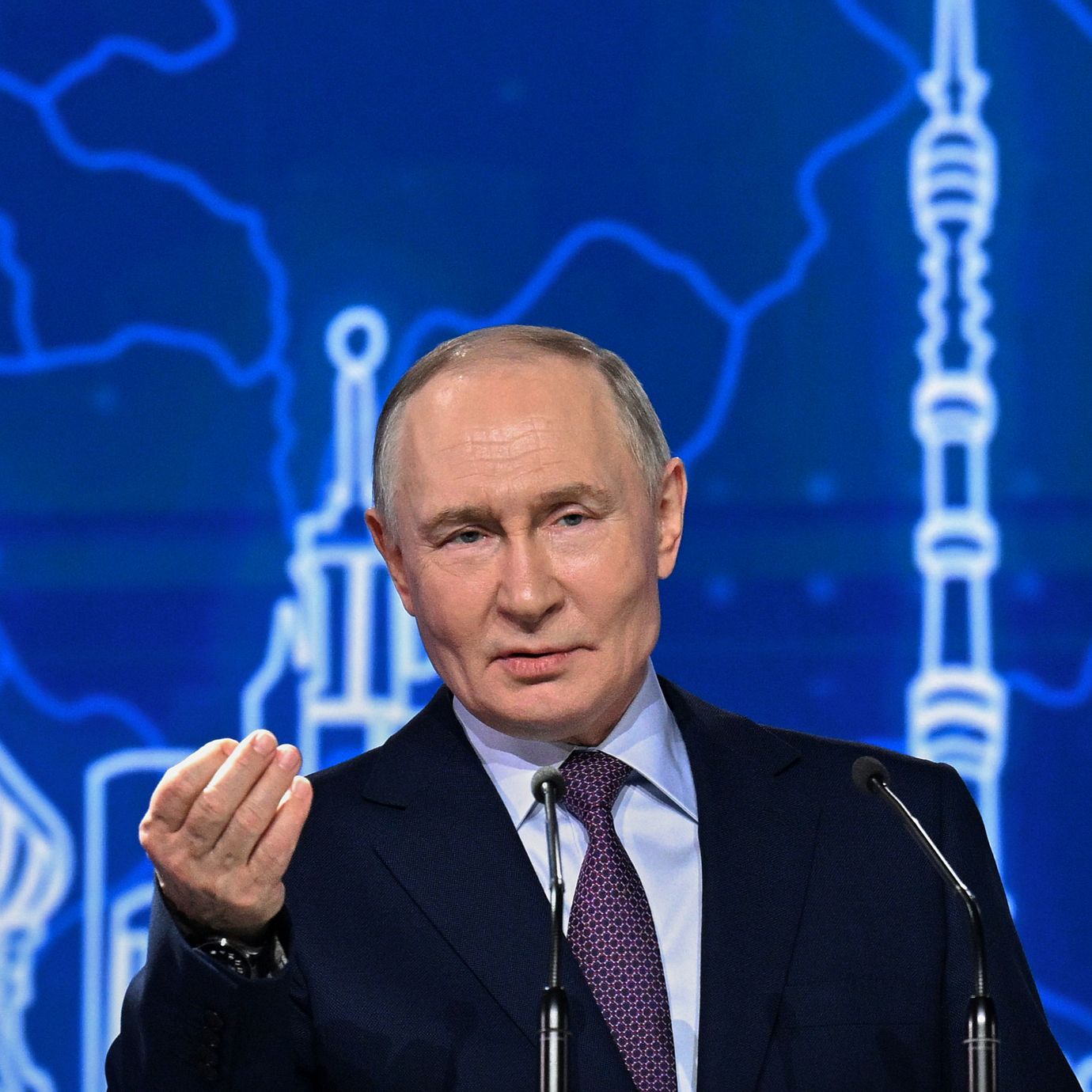
The Kremlin has now turned on Telegram, the most popular messenger platform in Russia, with a monthly reach of 94m people. Telegram was the creation of Pavel Durov, a Russian tech entrepreneur based in Dubai who long refused to grant access for the Russian security services. A month ago Russia’s state newspapers reported that Mr Durov was being investigated for “terrorist activity”. Mr Putin, who famously does not use the internet, sanctioned the blocking of Telegram, which he sees as a hostile communication tool. It was due to begin on April 1st, but started ahead of schedule. Also under attack are virtual private networks widely used to circumvent official barriers.
All this is meant to push Russian internet users towards Max, a national messenger app with an inbuilt surveillance function, says Mr Durov. The coercion has made many Russians resentful of their government. “Eight years ago Iran tried the same strategy and failed. It banned Telegram on made-up pretexts, trying to force people onto a state-run alternative. Despite the ban, most Iranians still use Telegram,” Mr Durov claims.
One big difficulty for the Kremlin is that Telegram is deeply embedded in Russian daily life, even among its rulers, who use the platform widely. Even Dmitry Peskov, Mr Putin’s press secretary, complained that its blocking makes it harder to do his job. “We are fast losing the instruments of our propaganda work abroad, particularly in our near abroad. How are we supposed to convey the meanings?” he wondered at a recent conference.
For many Russian officials, having access to Telegram is also a matter of personal safety
Other officials have protested by invoking the safety of ordinary people. “Ukrainian armed forces are a threat. The absence of information is an even bigger threat,” said Vyacheslav Gladkov, governor of Belgorod province. For many Russian officials, having access to Telegram is also a matter of personal safety. Few are willing to subject themselves to Max’s security-service surveillance.
Perhaps the most enraged by the blocking of Telegram were the pro-war military bloggers who owe their prominence and income to the channel. Military commanders share information with such bloggers, helping to increase their audience and to secure donations. They can make as much as 1.5m roubles a month, mostly from ads.
After the attack on Telegram, these blogs have become almost indistinguishable from anti-war outlets. A striking example came in a post by Ilya Remeslo, a pro-Kremlin blogger once deployed to denounce Alexei Navalny, the slain opposition leader. On March 17th a post of his on Telegram accused Mr Putin of usurping power, ruining the economy and imposing censorship. “Vladimir Putin must resign and be put on trial as a war criminal and a thief,” he concluded. Two days later Mr Remeslo was checked into a psychiatric hospital, spookily evoking the spirit of “The Master and Margarita”.
© 2026 The Economist Newspaper Limited. All rights reserved.