Tiktok kan förbjudas – men amerikaner har många kinesiska appar

Striden mellan Tiktok och amerikanska beslutsfattare pågår för fullt och det kinesiska ägarbolaget Bytedance står inför risken att appen förbjuds i USA. Samtidigt är amerikaners telefoner fulla med andra kinesiska appar som seglat under Washington DC:s radar, skriver Fast Company.
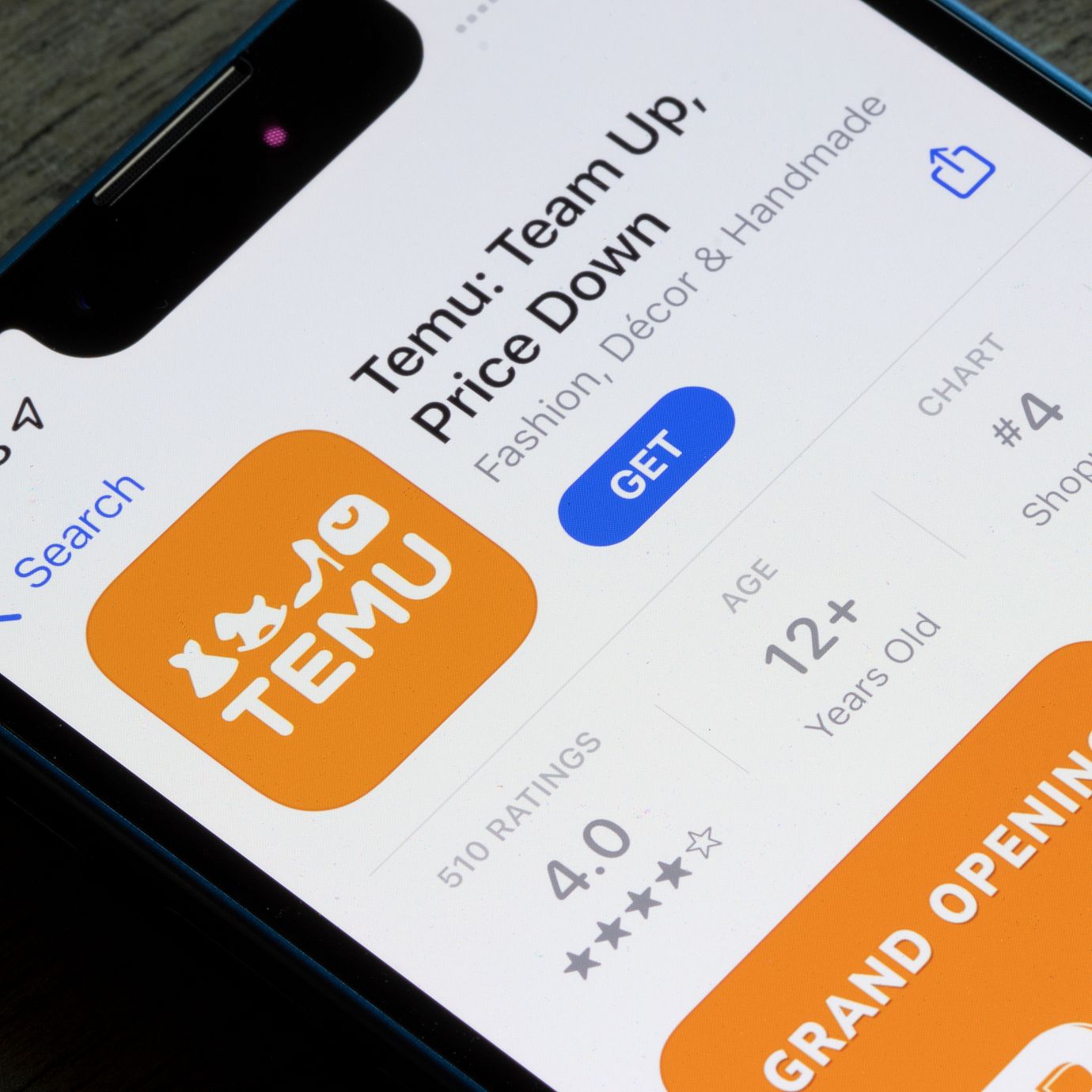
I december var kinesiska Amazon-rivalen Temu den mest nerladdade appen i USA, med över 10 miljoner installationer. Capcut, där man kan göra korta videor, har nått 200 miljoner aktiva användare på månadsbasis.
Under större delen av mars var de två apparna tillsammans med Tiktok och kinesiska shoppingappen Shein bland USA:s mest nedladdade.
 Fast Company
TikTok may get banned, but our phones will still be fully loaded with Chinese apps
For most of March, four of America’s top iPhone and Android apps were imports from China: Temu, CapCut, TikTok, and Shein.
Fears that TikTok might be a Chinese intelligence-gathering tool haven’t hurt its spot yet among the most popular U.S. mobile apps—and perhaps that’s no surprise for a platform that claims to have 150 million American users.
What may surprise people, though, is when they look at the other top apps right now: The list is dominated by Chinese companies.
For most of March, America’s four most-downloaded iPhone and Android apps were all imports from China: Temu, CapCut, TikTok, and Shein, according to Sensor Tower data. TikTok and the ultrafast-fashion brand Shein need little introduction, especially among young Americans.
But the explosion in popularity of Temu, an Amazon rival, and CapCut, a video-editing app, owned by TikTok parent company ByteDance—alongside the sudden ascent of Lemon8, also owned by ByteDance—suggests there’s never been a better time to be a Chinese app than at this precise moment, when Western governments are raising questions about these apps’ ability to extend Beijing’s control beyond China.

Four days ago, Montana voted to ban TikTok completely, becoming the first state to pass such a bill. If signed by Republican Governor Greg Gianforte, it will make downloading the app illegal anywhere inside its borders. That’s why, amid TikTok’s growing skepticism, the emergence of new apps like ByteDance’s Lemon8 — described as half-Pinterest, half-Instagram, and conveniently registered to a Singapore-based subsidiary — has already begun to worry some China watchers.
However, this crop of other Chinese apps rivaling TikTok in popularity is hardly invulnerable to Beijing’s pressure; all of them collect data on U.S. users, and some actually have more troubling links than ByteDance’s.
Shop and say cheese
Temu, which debuted Stateside last fall, is a shopping app owned by Pinduoduo, a Shanghai e-commerce giant. It already looks as if it could mount a credible threat to Amazon’s U.S. market share. The app hawks thousands of inexpensive, made-in-China products with free shipping and returns (on Tuesday, it offered a memory-foam bath mat for 79 cents, a mini washing machine for four Klarna payments of $9.63, and Lenovo-brand wireless earbuds that, after discount, cost just $3).
By December, Temu had become the most frequently downloaded mobile app in America, racking up over 10 million installs. Meanwhile, its parent, Pinduoduo, has been putting daylight between itself and Beijing: For instance, Temu’s English-language website says that “Temu (tee-moo) is an online marketplace that connects consumers with millions of sellers, manufacturers, and brands around the world,” and claims that the brand “was founded in Boston, Massachusetts, in 2022.”
Then there’s CapCut, an entry-level tool for editing short videos that, almost seemingly overnight, now boasts more than 200 million monthly active users. TikTok remains in Washington, D.C.’s crosshairs, but CapCut has flown under the radar, much like ByteDance’s Lemon8. And CapCut’s privacy policy informs users that it may collect “photographs, images, and videos you upload, video templates you generate or view on the Platform, comments you make, and other actions you take on the Platform, such as liking content.”
In addition, app users are warned it may keep track of their location, gender, and birthday, or inspect uploaded content in order to identify “objects and scenery that appear, the existence and location within an image of face and body features and attributes, the nature of the audio, and the text of the words spoken.”
Finally, there’s Shein, which surpassed Amazon as the most-downloaded shopping app way back in May 2021, thanks to its winning combo of leveraging affordable apparel, Big Data, an endless stream of haul videos, and so-called China speed on TikTok with Gen Z.
This earned it extra scrutiny that’s led to damning reports on everything from alleged tax evasion, IP theft, and toxic amounts of lead in handbags and toddler clothes to abysmal factory conditions. To date, Shein has been accused of breaching several nations’ anti-slavery laws. Still, Shein’s dark side has had a minimal effect on consumer use; most weeks, it still ranks in the top 10 most-downloaded free apps.
Security-wise, the most concerning of these companies—according to experts, anyway—seems to be Pinduoduo, Temu’s owner. In January, it joined the U.S. government’s infamous list of Notorious Markets for Counterfeiting and Piracy. Citing separate security concerns, Google removed Pinduoduo from its app store three weeks ago because, as it explained to Reuters, the app was “found to contain malware.” However, Google noted the ban would not extend to Temu.

Regardless, at the time, cybersecurity pros argued that Pinduoduo has made privacy violations into nearly an art form, expertly exploiting vulnerabilities in the Android OS. The app was said to be able to monitor other apps’ activities, read private messages on the phone, and even change the phone’s settings. It’s also supposedly difficult to remove once installed. The way one expert put it earlier this month to CNN was that what Pinduoduo has been up to is “highly unusual” and “pretty damning.” “We haven’t seen a mainstream app like this,” he added, “trying to escalate their privileges to gain access to things that they’re not supposed to gain access to.”
The truth is, few Americans give an app owner’s country of origin much thought, and signs aren’t great that things will change. In fact, the App Store’s current No. 3 free app after Temu and CapCut is photo-editing platform FaceApp. It weathered its own controversy back in 2019, including blowback from powerful politicians like Senator Chuck Schumer, who demanded an FBI investigation, when the terms of service were revealed to give its Russian owner access to millions of user photos.
© 2023 Mansueto Ventures, LLC, as first published in Fast Company. Distributed by Tribune Content Agency.