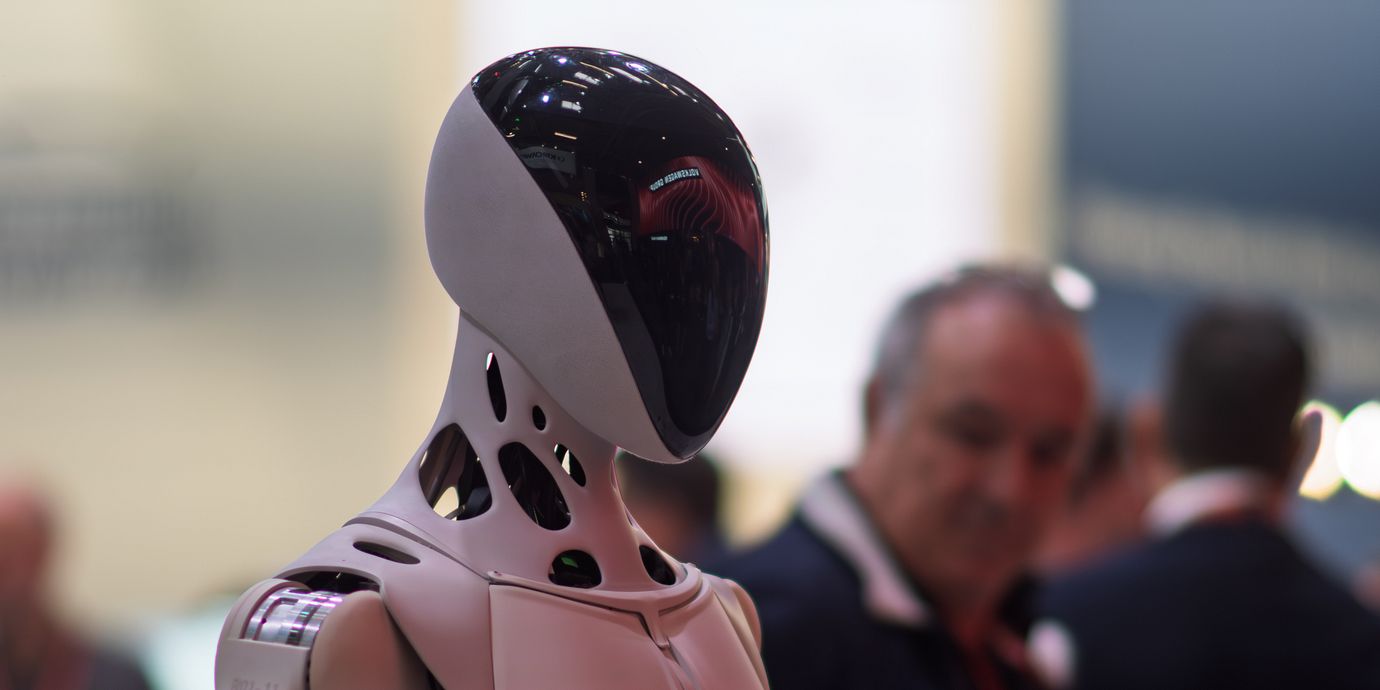
Xpeng vill använda SSB-batterier i humana robotar
Den kinesiska elbilstillverkaren Xpeng planerar att använda så kallade solid state-batterier (SSB) för att driva humanoida robotar, skriver Financial Times. Det kommer att minska robotarnas vikt, uppger bolaget.
Det blir sannolikt humanoida robotar som kommer att driva massproduktionen av solid state-batterier, eftersom de kräver högre säkerhet än bilar, enligt Xpengs vd He Xiaopeng.
Bolaget uppges just nu förhandla med en kinesisk och en utländsk leverantör om produktionen av batterierna.
Skiftet mot humanoida robotar skulle utöka användningsområdet för en framväxande teknik inom bilindustrin, skriver FT.
bakgrund
Solid state-batteri
Wikipedia (en)
A solid-state battery (SSB) is an electrical battery that uses a solid electrolyte (solectro) to conduct ions between the electrodes, instead of the liquid or gel polymer electrolytes found in conventional batteries. Solid-state batteries theoretically offer much higher energy density than the typical lithium-ion or lithium polymer batteries.
While solid electrolytes were first discovered in the 19th century, several problems prevented widespread application. Developments in the late 20th and early 21st century generated renewed interest in the technology, especially in the context of electric vehicles.
Solid-state batteries can use metallic lithium for the anode and oxides or sulfides for the cathode, increasing energy density. The solid electrolyte acts as an ideal separator that allows only lithium ions to pass through. For that reason, solid-state batteries can potentially solve many problems of currently used liquid electrolyte Li-ion batteries, such as flammability, limited voltage, unstable solid-electrolyte interface formation, poor cycling performance, and strength.
Materials proposed for use as electrolytes include ceramics (e.g., oxides, sulfides, phosphates), and solid polymers. Solid-state batteries are found in pacemakers and in RFID and wearable devices. Solid-state batteries are potentially safer, with higher energy densities. Challenges to widespread adoption include energy and power density, durability, material costs, sensitivity, and stability.
Läs också
Omni är politiskt obundna och oberoende. Vi strävar efter att ge fler perspektiv på nyheterna. Har du frågor eller synpunkter kring vår rapportering? Kontakta redaktionen