Yellen: Ohållbart att utvidga skattesänkningar
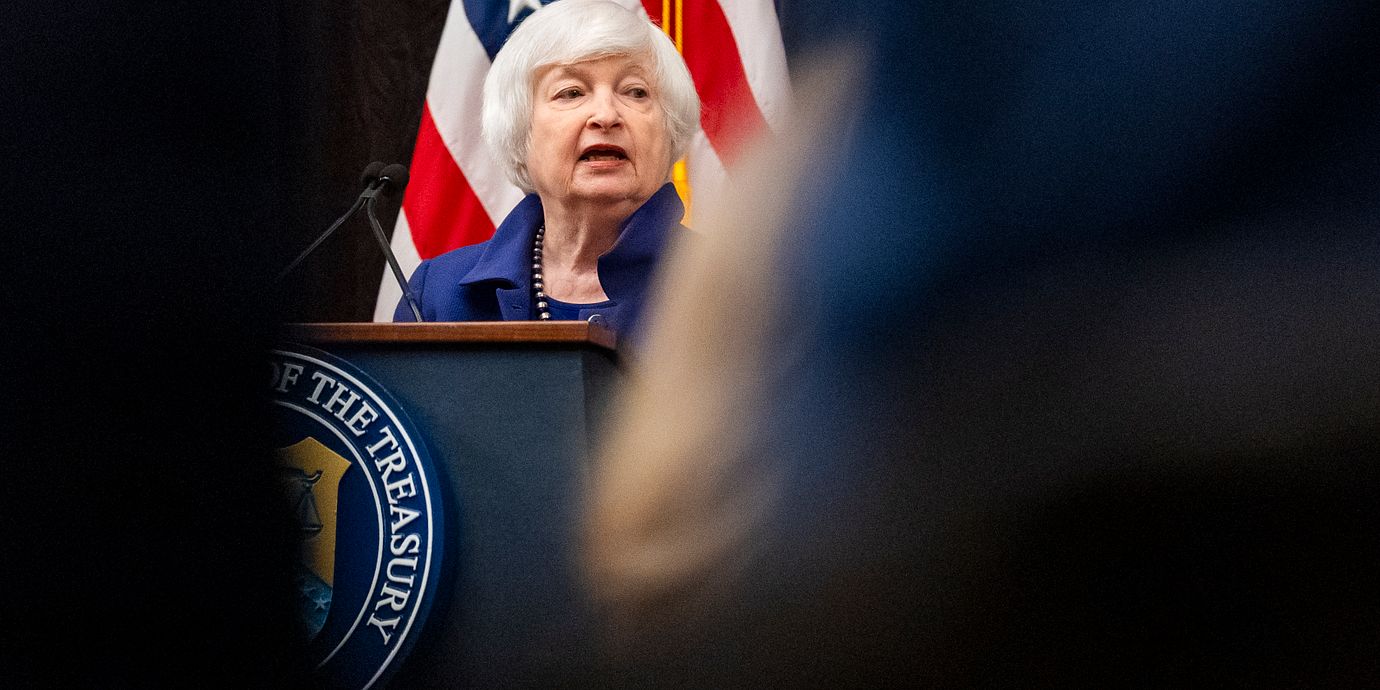
USA:s avgående president Joe Biden lät sin företrädare Donald Trumps skattesänkningar vara kvar efter maktskiftet 2020. Nu varnar den avgående finansministern Janet Yellen för konsekvenserna om Donald Trump sänker skatterna ytterligare när han återtar makten, skriver AFP.
Den inslagna vägen är enligt henne ohållbar.
– Konsekvenserna av passivitet eller handlingar som förvärrar de prognostiserade underskotten skulle bli förödande, sa Yellen under vad som sannolikt blir hennes sista tal på finansministerposten.
bakgrund
Tax Cuts and Jobs Act
Wikipedia (en)
The Act to provide for reconciliation pursuant to titles II and V of the concurrent resolution on the budget for fiscal year 2018, Pub. L. 115–97 (text) (PDF), is a congressional revenue act of the United States originally introduced in Congress as the Tax Cuts and Jobs Act (TCJA), that amended the Internal Revenue Code of 1986. The legislation is commonly referred to in media as the Trump tax cuts. Major elements of the changes include reducing tax rates for corporations and individuals, increasing the standard deduction and family tax credits, eliminating personal exemptions and making it less beneficial to itemize deductions, limiting deductions for state and local income taxes and property taxes, further limiting the mortgage interest deduction, reducing the alternative minimum tax for individuals and eliminating it for corporations, doubling the estate tax exemption, and reducing the penalty for violating the individual mandate of the Affordable Care Act (ACA) to $0. The New York Times has described the TCJA as "the most sweeping tax overhaul in decades".
Most of the changes introduced by the bill went into effect on January 1, 2018, and did not affect 2017 taxes. Many tax cut provisions contained in the TCJA, notably including individual income tax cuts, such as the changes to the standard deduction in §63 of the IRC, are scheduled to expire in 2025 while many of the business tax cuts expire in 2028. Extending the cuts have caused economists across the political spectrum to worry it would boost inflationary pressures and worsen America's fiscal trajectory. The Congressional Budget Office estimates that extending the expiring provisions would add $4.6 trillion in deficits over 10 years.
Studies show the TCJA increased the federal debt, as well as after-tax incomes disproportionately for the most affluent. It led to an estimated 11% increase in corporate investment, but its effects on economic growth and median wages were smaller than expected and modest at best.
Omni är politiskt obundna och oberoende. Vi strävar efter att ge fler perspektiv på nyheterna. Har du frågor eller synpunkter kring vår rapportering? Kontakta redaktionen