Svalare jobbmarknad kastar skugga inför Jackson Hole
Signaler om räntor och risken för recession väntas stå i fokus under centralbankskonferensen i Jackson Hole, skriver Financial Times.
För att ta tempen på USA:s ekonomi har tidningen besökt Lehigh Valley i Pennsylvania, ett viktigt industrinav som hittills trotsat farhågorna om en lågkonjunktur. Men nu märks tecken på avmattning och en svalare arbetsmarknad.
Delstaten är en av de regioner som Fed har i fokus när centralbanken snart beslutar om att sänka räntan. En sänkning påverkar allt från jobben i Lehigh Valley och de globala marknaderna, till hur amerikaner ser på ekonomin inför presidentvalet.
 Financial Times
Cooling US jobs market looms over central bankers at Jackson Hole
The Federal Reserve has brought down inflation but must now steer the economy away from recession.
A short drive from the plant that once housed industrial titan Bethlehem Steel before its bankruptcy in 2001, Lehigh Valley Plastics each week produces tens of thousands of parts needed in machines across the US.
Operating out of a 57,000-sq-foot warehouse, it manufactures sheaves for cranes, wear pads for truck producers and gaskets used by the oil industry. Its clients also include medical equipment producers and food companies.
Pennsylvania’s Lehigh Valley, a logistics and manufacturing hub just a day’s drive from a third of US consumers, has become an emblem of America’s economy — a hive of economic activity that has defied economists who feared a recession after more than a year of restrictive interest rates.
And the region will be among those on the Federal Reserve’s radar in the coming weeks when the central bank weighs when to lower borrowing costs: a decision with implications for jobs in the Lehigh Valley, global markets, and even how Americans feel about their economy when they pick a new president in November.
The Lehigh Valley hive is now showing signs of cooling.
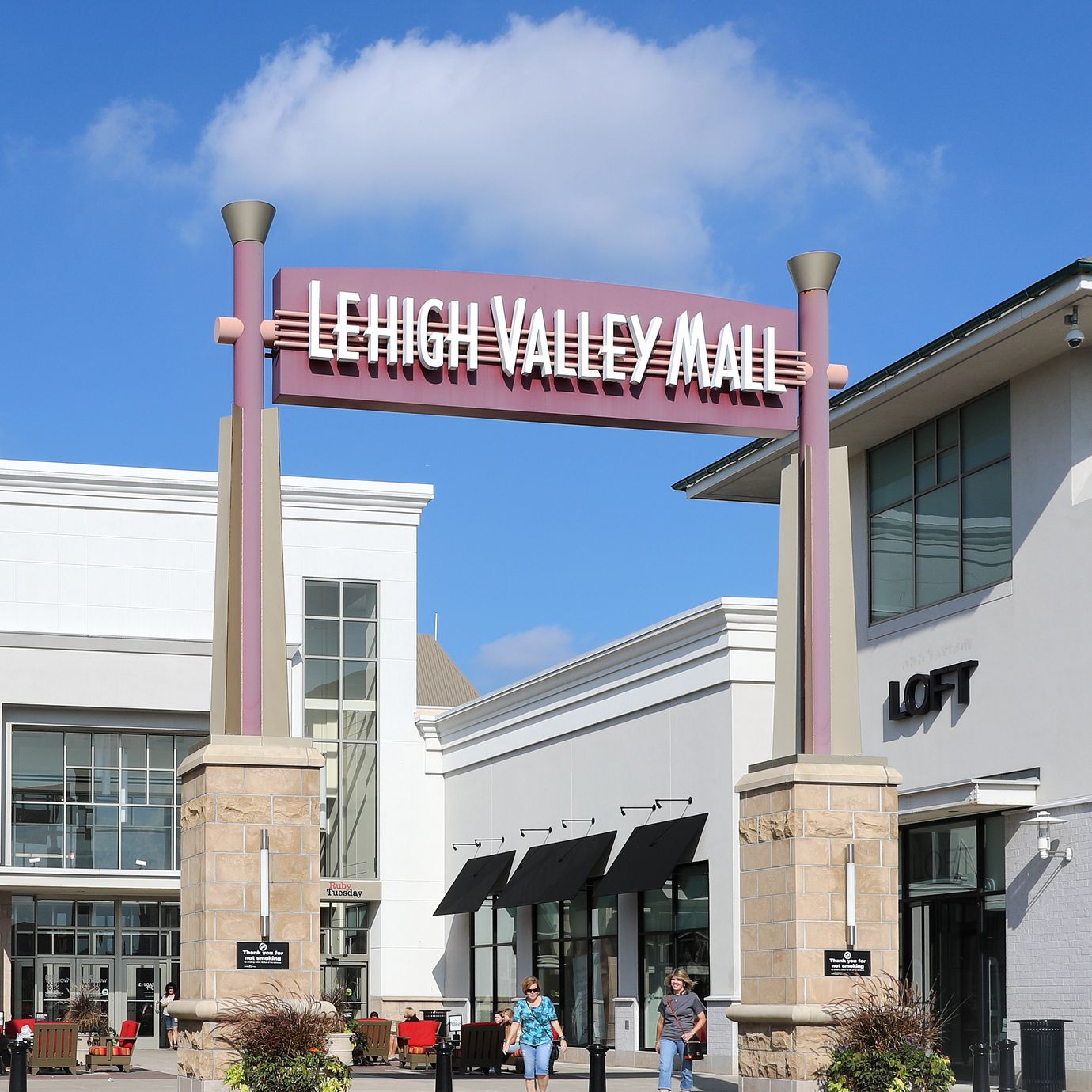
Lehigh Valley Plastics grew rapidly after the pandemic, rehiring workers and increasing overall headcount to almost 90 people. To attract skilled machinists, it raised starting wages by 15 per cent.
But after filling six more positions, the company’s president Shelly McWilliams is likely to pause hiring.
“We are definitely seeing a shift in demand. It’s definitely going down,” she said, warning of a “general slowdown through the end of the year” as customers have turned more “conservative” after a period of “overbuying” in the aftermath of the pandemic.
Across the Lehigh river in Allentown, Russell Breuer, the founder and chief executive of pet food company Spot & Tango, has noticed shifts among workers.
Business for the ecommerce site is booming as customers fork out $150 a month on average to feed their dogs. But the number of job applicants has “doubled, if not tripled for certain roles”, he said. More employees are also staying at the company.
Neither McWilliams nor Breuer are yet contemplating lay-offs, but the outlook is murky.
“Hiring and finding people isn’t the priority it once was,” said Tony Iannelli, who leads the Greater Lehigh Valley Chamber of Commerce. “Now it’s wondering about where the economy is headed.”
“We are definitely seeing a shift in demand. It’s definitely going down”
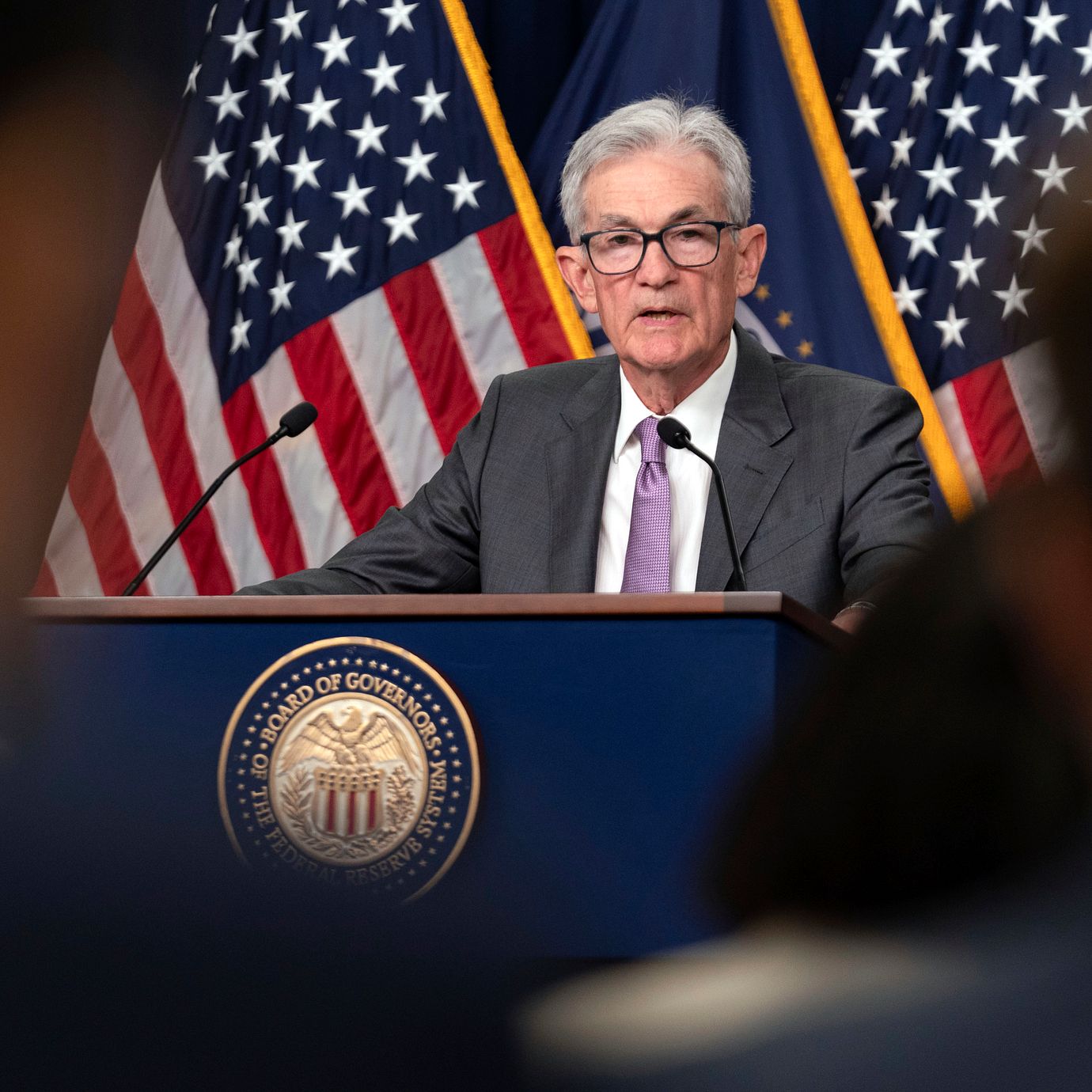
This caution will be at the forefront of policymakers’ minds when they gather from around the world in Jackson Hole, Wyoming this week for the Kansas City Fed’s annual conference. Fed chair Jay Powell will speak on Friday.
Panic about rising prices has subsided, with the Fed’s 2 per cent inflation target now coming into view. But financial markets and central bank officials are growing concerned about the health of the world’s largest economy after more than a year of interest rates at 5.3 per cent, their highest level since 2001.
The Fed is expected to begin cutting rates in September — but successfully cooling an overheated economy without inducing a recession is rare. Economists are increasingly concerned about the impact on jobs.
“However restrictive the Fed thought 5.3 per cent was in July of 2023, it is much, much more restrictive now [that inflation has fallen], and the economy is certainly at risk of some shock,” said Charles Evans, the former president of the Chicago Fed.
While the unemployment rate has risen to 4.3 per cent, it remains low by historical standards. So is the number of Americans seeking weekly jobless benefits. Plus, consumers are still spending — another sign of resilience that prompted Goldman Sachs to lower its recession odds to 20 per cent last week.
At 3.6 per cent, the Lehigh Valley’s unemployment rate hardly signals an imminent recession either.

Jobs growth across the region has been strongest in leisure, hospitality and construction, but is tapering off across the trade and manufacturing sectors. There are marginally fewer job openings than last year. But small businesses do not sense a cliff edge, even if they are more wary about the future.
People continue to flock to see double features at Shankweiler’s Drive-In Theatre — the world’s oldest — in Orefield, 20 minutes from Allentown. But co-owner Lauren McChesney is not sure whether to hire more workers to replace her part-time staff when they leave after a blockbuster summer.
The Flying Egg diner in Bethlehem still boasts a busy weekend rush hour, but Ashlynn Miller, who has worked there for three years, says it has shortened.
“Every single server, manager and cook that I know are all saying the same thing, which is that it really seems like restaurants don’t seem as busy right now,” she says.
This kind of cooling off is the outcome the Fed sought as it began increasing interest rates in 2022.
Officials wanted higher borrowing costs to temper demand, taking the heat out of price rises caused in part by pandemic-era supply snarls. As those bottlenecks have cleared, inflation has fallen back below 3 per cent for the first time since March 2021, according to the latest consumer price index report. It peaked at 9.1 per cent in mid-2022.
That this has occurred without a sharper rise in joblessness has taken economists by surprise. History is dotted with few “soft landings”.
“The incredible thing is that the Fed did this without crashing the economy”
But the pandemic changed the calculus around hiring for many companies, said Karianne Gelinas of the Lehigh Valley Economic Development Corporation. Having been hobbled by severe worker shortages as the economy reopened, businesses are leery of lay-offs, opting instead to cut vacancies.
That fear has motivated Liz Torres, operations manager at manufacturer Royal Industries, to keep a small crew of workers on payroll year-round “even if we know it’s going to be slow”.
“We want to keep them for when the busy season is,” she added.
This has upended some traditional economic indicators. The recent rise in the unemployment rate triggered the Sahm Rule, which marks the start of a recession when the three-month average rises at least half a percentage point above its low over the past 12 months.
The economist who penned the rule has said this relationship may not hold this time around.
Why? For one, many economists attribute the uptick in unemployment to a swelling of the labour pool due to increased immigration.
“That surge in immigration is something that may mean that our labour market indicators aren’t following the typical patterns,” said Karen Dynan, a former senior Fed staffer now at Harvard University. “I don’t see any signs that we should be panicking at this point, but of course you want to be mindful about the uncertainty.”
The Fed is not panicking either, but economists will be closely watching how Powell talks about the economic outlook during his speech on Friday.
Most market participants think the Fed will cut rates by a quarter-point in September, but a minority think it could be a half-point, especially if the next jobs report is as weak as last month’s. Borrowing costs are projected to fall almost a full percentage point this year.
San Francisco Fed president Mary Daly, a voting member on the Federal Open Market Committee, pushed back on the need for aggressive cuts, telling the Financial Times that “gradualism is not weak, it’s not slow, it’s not behind, it’s just prudent”.
Officials have made clear they would take action in the event of an unexpected weakening of the labour market — something FOMC voter Raphael Bostic of the Atlanta Fed endorsed.
John Roberts, a former Fed official, said Powell should “expand his optionality” on the pace of rate cuts. A half-point reduction need not imply that the central bank thinks a recession is imminent — but that it wants to prevent one.
For the first time in a while, Powell can be more upbeat now that inflation is under control, said Torsten Slok, chief economist at Apollo Global Management.
“The incredible thing is that the Fed did this without crashing the economy. That does entitle them to a victory lap.”
Additional reporting by Oliver Roeder in New York
©The Financial Times Limited 2024. All Rights Reserved. FT and Financial Times are trademarks of the Financial Times Ltd. Not to be redistributed, copied or modified in any way.