Amazon och fem andra pressade marknadsettor
Fyndjägare bör blicka mot marknadsledare som Amazon när rädsla griper tag i börsen. Det skriver Barron’s som listar sex börsgiganter som ser ut som kap.
Utöver nämnda e-handelsbjässe ingår bland andra Wall Street-firman JP Morgan Chase och oljejätten Exxon Mobil i portföljen. Gemensamt för samtliga är att de handlas till rejäl rabatt jämfört med tidigare toppnivåer.
Genom att köpa de starkaste företagen i hårt pressade börssektorer kan risken bli hanterbar och den potentiella uppsidan stor – särskilt i scenariot att Trump backar från tullar.
 Barron's
As Fear Grips Markets, These Industry-Leading Stocks Look Like Bargains
Investors are fearing the worst, but bargain-hunters should consider well-regarded stocks that have been hit hard in recent weeks.
The impetus for every stock market downturn is different and the latest one has little precedent—a presidential decision that shocked investors but could be reversed or adjusted in the coming weeks or months.
Strip out the looming tariff impact and the economy looks in reasonably good shape, as the March employment report released Friday morning suggests. “This is one of the few times that a politically orchestrated event has wreaked such havoc on the market,” says Michael Jamison, managing partner at Griffin Asset Management in New York.
His view is that President Donald Trump may relent given the adverse market reaction and the growing unease among congressional Republicans ahead of the 2026 midterm elections. “As much as Trump says he doesn’t follow the stock market, he does. This could all turn on a dime,” Jamison said.
Trump vowed Friday to stay the course, saying that he “will never change” his economic policies as China retaliated against the U.S. and imposed stiff 34% tariffs on American goods.
But he also sounded an encouraging note on Vietnamese tariffs Friday, prompting a rally in battered shares of companies like Nike that have significant manufacturing there. That could signal flexibility and a willingness to cut deals.
Investors fear the worst. The S&P 500 fell 4.8% Thursday in response to the Trump tariff news and was off another 6% Friday, leaving the key index with a year-to-date loss of 13.7%.
Even if Trump retreats, some of the stock market losses may not be recouped easily. U.S. business and consumer confidence have been hurt and so likely has America’s standing globally.
Still, the stock market is starting to discount a higher likelihood of a recession—and some industry groups are already pricing it in.
It may be time to consider hard-hit groups rather than defensive sectors
It may be time to consider hard-hit groups rather than defensive sectors like telecom, utilities, tobacco, property and casualty insurance, and consumer staples that held up well during the latest downdraft. This means sectors like retailers, banks, airlines, home builders, and commodity producers.
One strategy is to buy the strongest companies in the weak groups as a way to potentially limit risk. Such a basket would include JPMorgan Chase, Delta Air Lines , Lennar, Amazon.com, Exxon Mobil, and Freeport -McMoRan.
Investors also can get broad exposure through exchange-traded funds focused on these sectors such as the Energy Select Sector SPDR (XLE), Invesco KBW Bank (KBWB) or U.S. Global Jets (JETS) or SPDR S&P Retail (XRT).
JPMorgan is the banking industry leader with what CEO Jamie Dimon calls a fortress balance sheet. Its shares are down 25% from their February peak to $210, or 11.5 times this year’s projected earnings. It yields 2.7%.
JPMorgan Chase is a favorite of Wells Fargo banking analyst Mike Mayo who cites its high returns, huge technology spending, and its position as a deregulation winner. Mayo has a $300 price target on the stock.
Trading revenue could offset any weakness in investment banking. Mayo’s view is that the moats around JPMorgan’s business have only deepened and that “continued market share gains seem likely.” A major risk is credit weakness on its $1.3 trillion loan portfolio.
Mayo isn’t blind to the issues facing the industry.
“You can’t ignore market signals of slower growth and a greater chance of a recession,” he says. It’s possible that JPMorgan and other banks may take a conservative approach and build loan-loss reserves, which would depress earnings. Mayo says JPMorgan and other bank stocks look good over a two-year period but it’s a tougher call in the next two months.
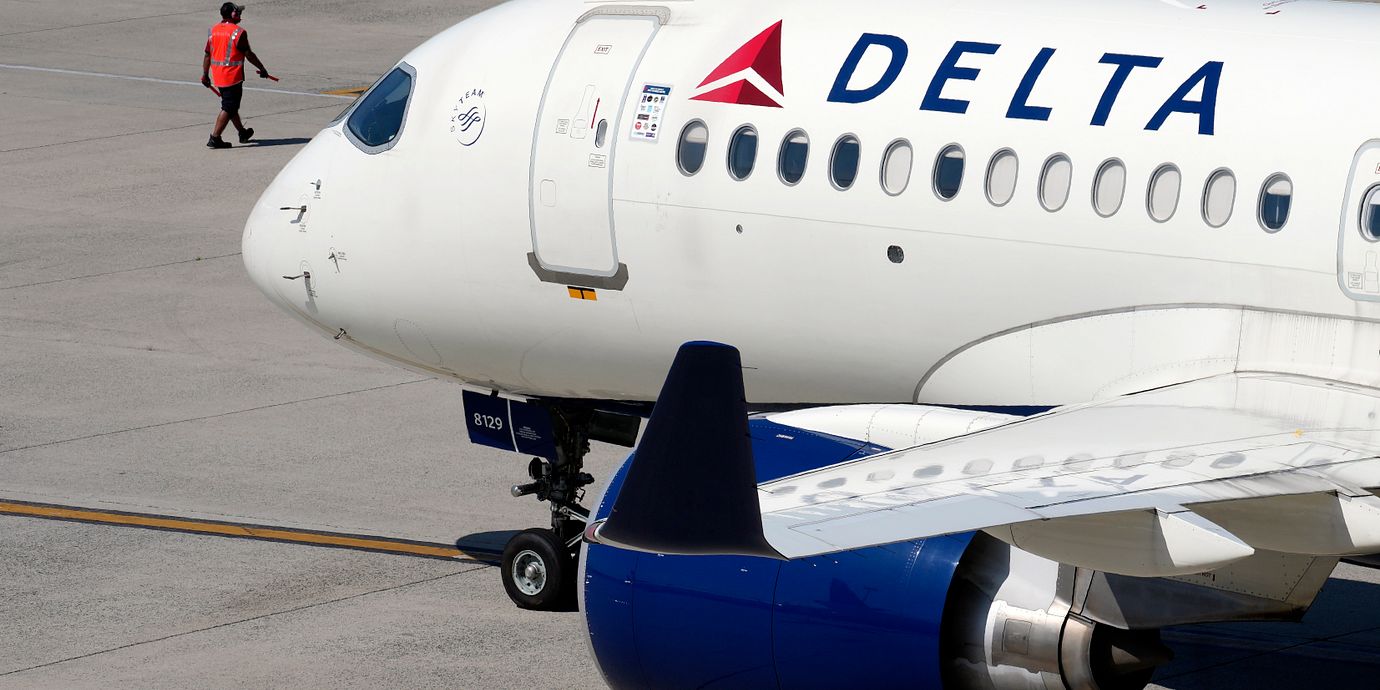
Delta Air Lines is the class act of the airline industry, thanks to its success in maximizing cabin revenue with premium seating, a lucrative credit card relationship with American Express , and an improved balance sheet since the pandemic.
Its shares are down nearly 50% from early 2025 highs to $37—back to where they traded in late 2020 when the industry was deeply in the red and heavily indebted.
Weak Market, Strong Companies
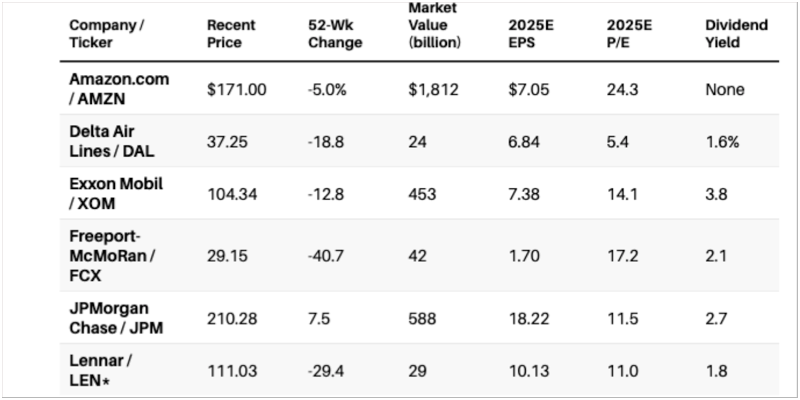
Delta issued a profit warning in the first quarter but it trades for just six times lowered 2025 earnings estimates. J.P. Morgan Securities analyst Jamie Baker has an Overweight rating on stock and carries what looks like an aggressive $83 price target. He cites “industry-leading loyalty economics” and “robust premium product demand.”
Lennar and D.R. Horton are the top home builders in the country with roughly 10% market shares each. Both stocks are down more than 30% from their 2024 peaks and trade for about 10 times projected 2025 earnings.
Home builders are seeing weaker demand and Trump’s tariffs could boost the cost of building a new $500,000 home by $5,000 to $10,000.
Bill Smead, co-manager of the Smead Value fund, likes them both, citing strong long-term fundamentals for housing and their leadership positions.
“Who can better absorb higher appliance prices and find scarce labor,” he says. D.R. Horton, which is tops in entry-level homes, is the “ Costco ” of the industry, Smead says, due to its low costs.
Lennar and Horton have excellent balance sheets with little net debt and have divested much of their land holdings into separate public companies— Forestar for Horton and Millrose Properties for Lennar. That reduces risk in a downturn.
One big positive is lower 30-year mortgage rates, which appear headed toward 6% from the current 6.64% due to lower Treasury yields. That could stimulate demand. The markets may be sniffing that out as the home builder group rallied 3% Friday as the 10-year Treasury yield dropped under 4%.

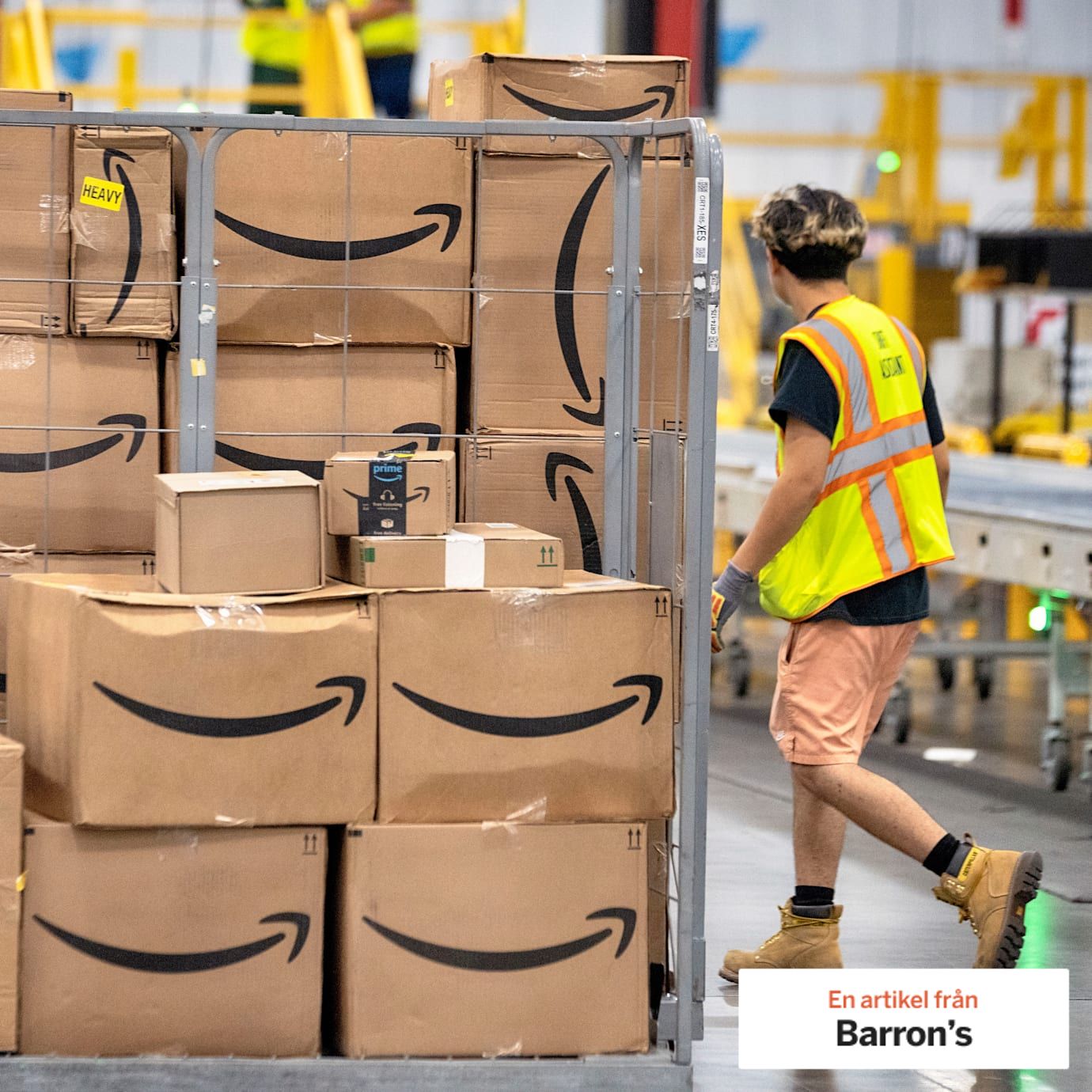
Amazon.com shares are down 29% from their 2025 peak to around $171 and trade for about 25 times projected 2025 earnings, the lowest P/E since it went public in the late 1990s.
Higher tariffs on international products could dent its profits and consumer demand. Evercore analyst Mark Mahaney sees a potential mid-single-digit hit to 2025 earnings.
But he noted recently that the company gets 80% of its profits from Amazon Web Services, the leader in cloud computing, and advertising. It remains one of Mahaney’s top internet picks. It leads in online retailing with a 40% domestic market share and in cloud computing.
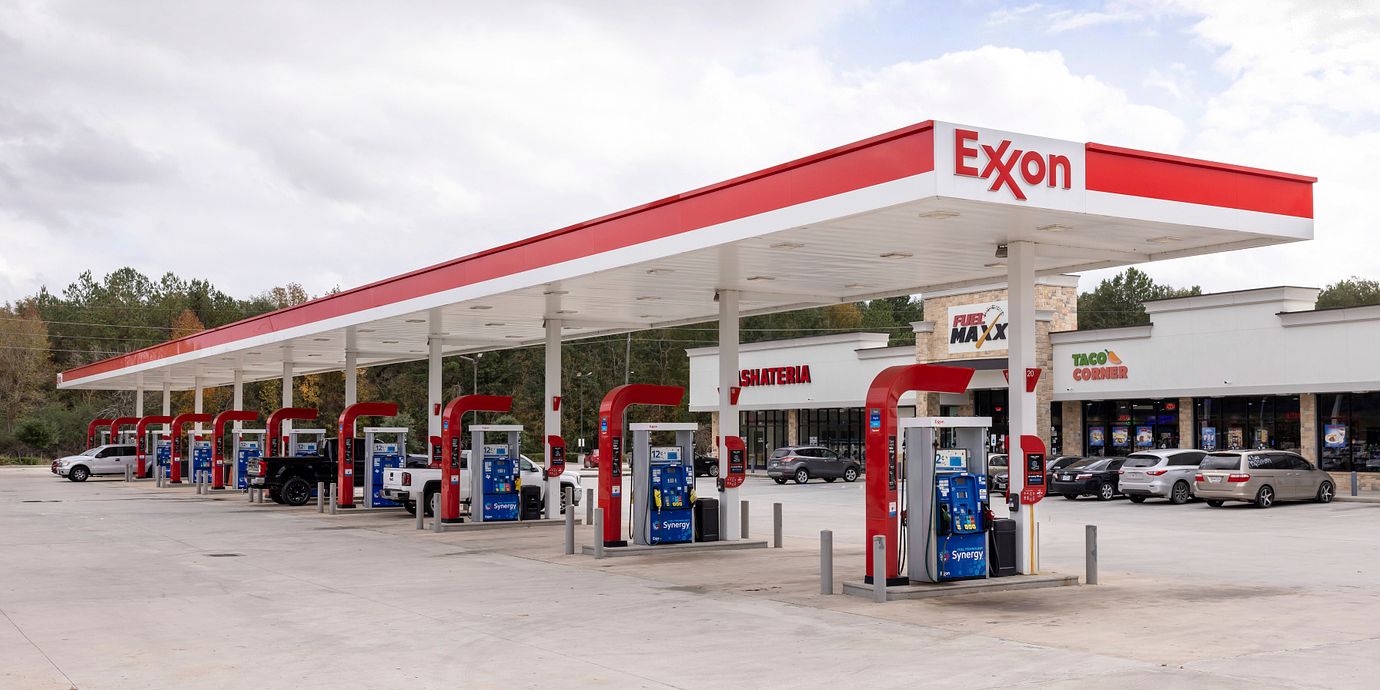
Exxon Mobil has the best business mix, asset base and management team among big energy companies. Its shares, at around $104, are down 17% from their early-October high and trade for 14 times estimated 2025 earnings. They yield 3.8%.
Exxon’s diverse profits from energy production, refining and chemicals insulate it better than most of its peers from lower oil prices. It also has been more judicious with low-carbon initiatives. The company is a favorite of Morgan Stanley analyst Devin McDermott , who has cited its “culture of innovation, differentiated technologies and sustainable competitive advantages.” One of its crown jewels is its lead position in a massive oilfield off the coast of Guyana.
McDermott had been projecting annual growth in earnings per share of about 11% through 2030 before the latest downturn in energy prices.
Commodity producers would seem like the last place to invest entering a potential downturn.
But Freeport-McMoRan , one of the top two copper producers in the world, already seems to be discounting a deep recession with its shares down 23% this year to $29. That’s back where they traded during 2020 and way below a recent peak of nearly $55.
Many investors reflexively look toward defensive stocks in rocky markets but it may pay to be more aggressive
Copper prices actually are higher this year at $4.50 a pound and Freeport is a leading gold producer and is benefiting from record gold prices. It also has little debt on its balance sheet.
Jefferies analyst Chris LaFemina wrote Friday that the risk/reward looks favorable for Freeport. He sees downside to $25.50 a share in a deep recession but upside to $50 in a recovery.
Copper has one of the better outlooks among industrial metals due the growth in green energy, electric vehicles and electrification, which are all copper intensive. LaFemina says the company’s asset base is underappreciated, including significant U.S. copper mines. He has a Buy rating and price target of $48.
Many investors reflexively look toward defensive stocks in rocky markets but it may pay to be more aggressive especially given the chance that Trump retreats rather than risk precipitating a global recession.