Artister vill håva hem innan Biden höjer kapitalskatter
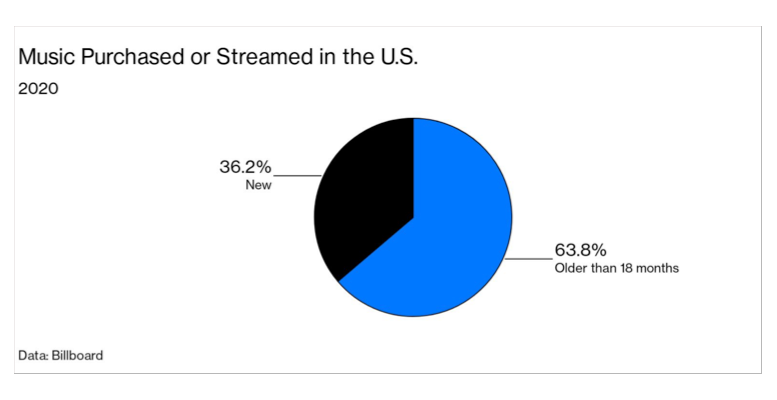
Aldrig har handeln med musikrättigheter varit så intensiv som de senaste månaderna. Bland skälen finns aggressiva köpare, låga räntor och förlusten av inkomst från konserter. Men det finns också en annan faktor: Joe Biden. Han har lovat att höja kapitalskatter och många äldre artister vill få till en uppgörelse innan det händer, skriver Bloomberg.
John Micklethwait, 28 January 2021
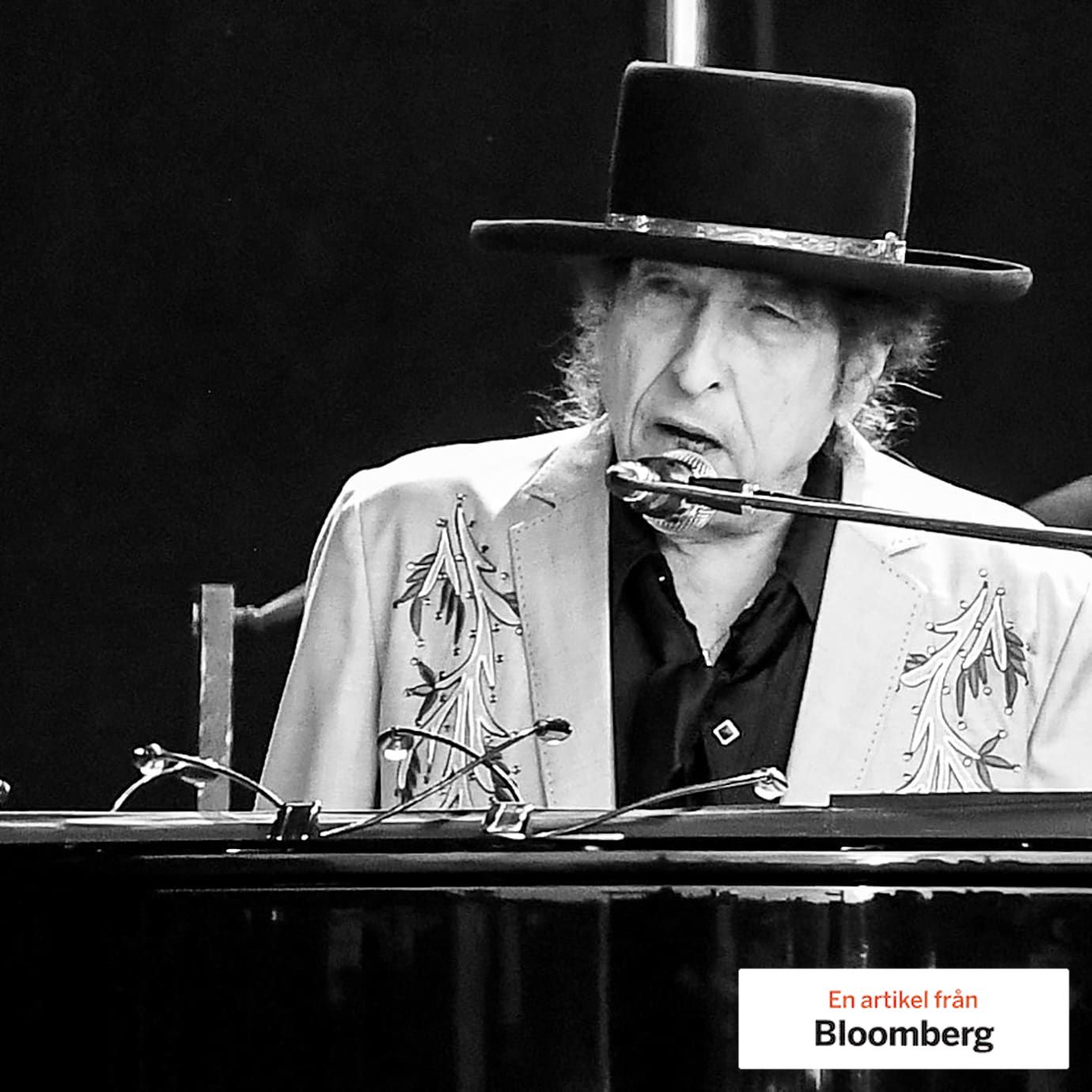
Bob Dylan was supposed to spend the summer of 2020 on tour, winding his way from the Les Schwab Amphitheater in Bend, Ore., to the Bethel Woods Center for the Arts in upstate New York. Instead, stranded at home because of the pandemic, he lined up the biggest payday of his career.
For years, music executives had approached Dylan about buying his catalog, which includes more than 600 songs such as Blowin’ in the Wind and Like a Rolling Stone. Dylan always turned them down, but in December the 79-year-old reconsidered and made more than $300 million in a pact with Universal Music Group Inc.
The sale was the largest in a spate of recent deals in which stars have cashed in on their old songs. Lindsey Buckingham, Shakira, Neil Young, and producer Jimmy Iovine sold all or part of the rights to their catalogs, while Stevie Nicks and songwriter Ryan Tedder (who’s written for Adele, Beyoncé, and Carrie Underwood, among others) sold majority stakes in theirs.
Music assets are bought and sold all the time, but there’s never been a period as active as the past few months. Industry executives cite the emergence of aggressive buyers, low interest rates, and Covid-19, which has prevented musicians from touring, their primary source of income. Before 2020, Dylan had toured every year for a decade, grossing more than $130 million. Although he put out five studio albums in that span, his earnings from new releases dwindled in the shift from CDs to streaming.
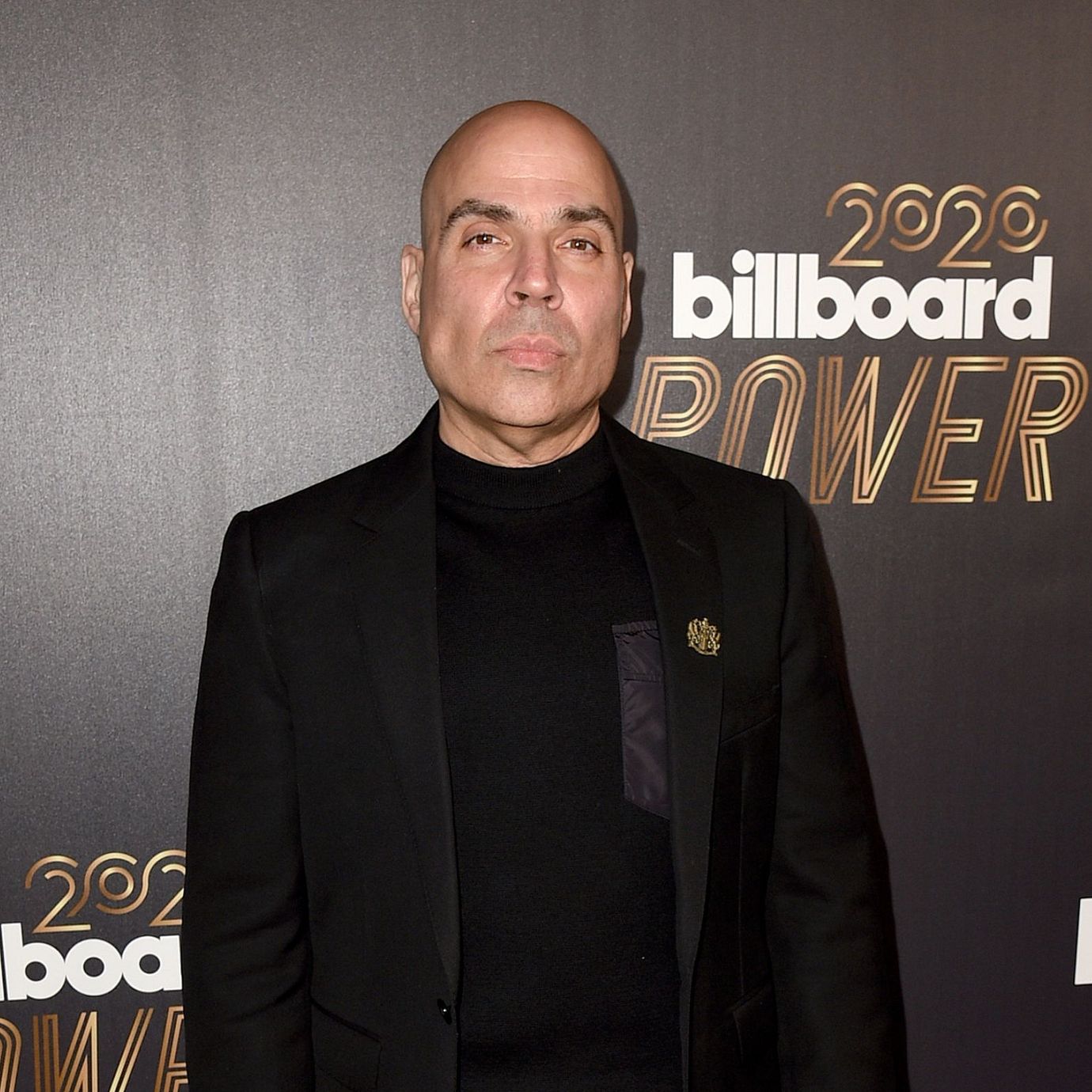
Another factor: the U.S. presidential election. Joe Biden has pledged to increase capital-gains taxes, so the stars wanted to reach agreements before that happens. “These artists are all in their early 70s, mid-70s, and at that age you should be thinking about estate planning,” says Josh Gruss, chief executive officer of Round Hill Music, a fund that owns rights to songs by artists including the Beatles.
Many investors had given up on the music business after the internet battered CD purchases, first with piracy and then iTunes. Record sales dropped more than 40% from 2000 to 2014. As streaming services reinvigorated the industry, investors tiptoed back in. In 2016, Goldman Sachs Group Inc. projected the sector — which comprises live music, radio, recorded music, and publishing — would double in size to $103.9 billion by 2030, with the publishing piece of it almost doubling, from $5.4 billion to $9.3 billion. “People have become increasingly comfortable with where music is headed globally,” says Justin Kalifowitz, CEO of Downtown Music Holdings, which represents the songwriters of the hit Shallow from A Star Is Born, among others. “You’re seeing a flood of capital coming into the marketplace to acquire a discrete pool of extremely well-known song copyrights.”
Songwriters make money in more ways than ever. In addition to radio, commercials, and TV, they collect royalties from streaming services, social media companies, video games, and fitness apps. Think TikTok, YouTube, Peloton, Spotify; the average hit earns income from more than 20,000 sources globally, says Kalifowitz.
This booming market has lured buyers that include private businesses, pension funds, and companies that do little more than buy and sell music rights. No one’s been a more aggressive buyer than Merck Mercuriadis, a former manager of Guns N’ Roses and Beyoncé. He’s spent about $1.75 billion scooping up copyrights to more than 60,800 songs in three years through his Hipgnosis Songs Fund Ltd. In addition to his deals with Buckingham, Shakira, Young, and Iovine, he now owns songs written by Blondie, Rick James, and Barry Manilow.
Mercuriadis finds himself up against other specialist funds such as Round Hill Music and Primary Wave Music, which has the deal with Nicks and just announced that it acquired historic Sun Records recordings by Johnny Cash, Jerry Lee Lewis, and others (not including Elvis Presley). Their spending has prompted more staid investors to take a look, too. Asset managers such as BlackRock and private equity firms KKR and Providence Equity Partners have invested in catalogs and are in the market for more.
Interest from Wall Street — as well as overseas billionaires — grew after a consortium led by Emirati sovereign wealth fund Mubadala sold its stake in EMI Music Publishing Ltd., which was valued at $4.8 billion in 2018, six years after buying it for $2.2 billion. Ukrainian-born billionaire Len Blavatnik fared even better: After acquiring Warner Music Group Corp. for $3.3 billion in 2011, he turned a profit of $7.5 billion when the company went public last year.
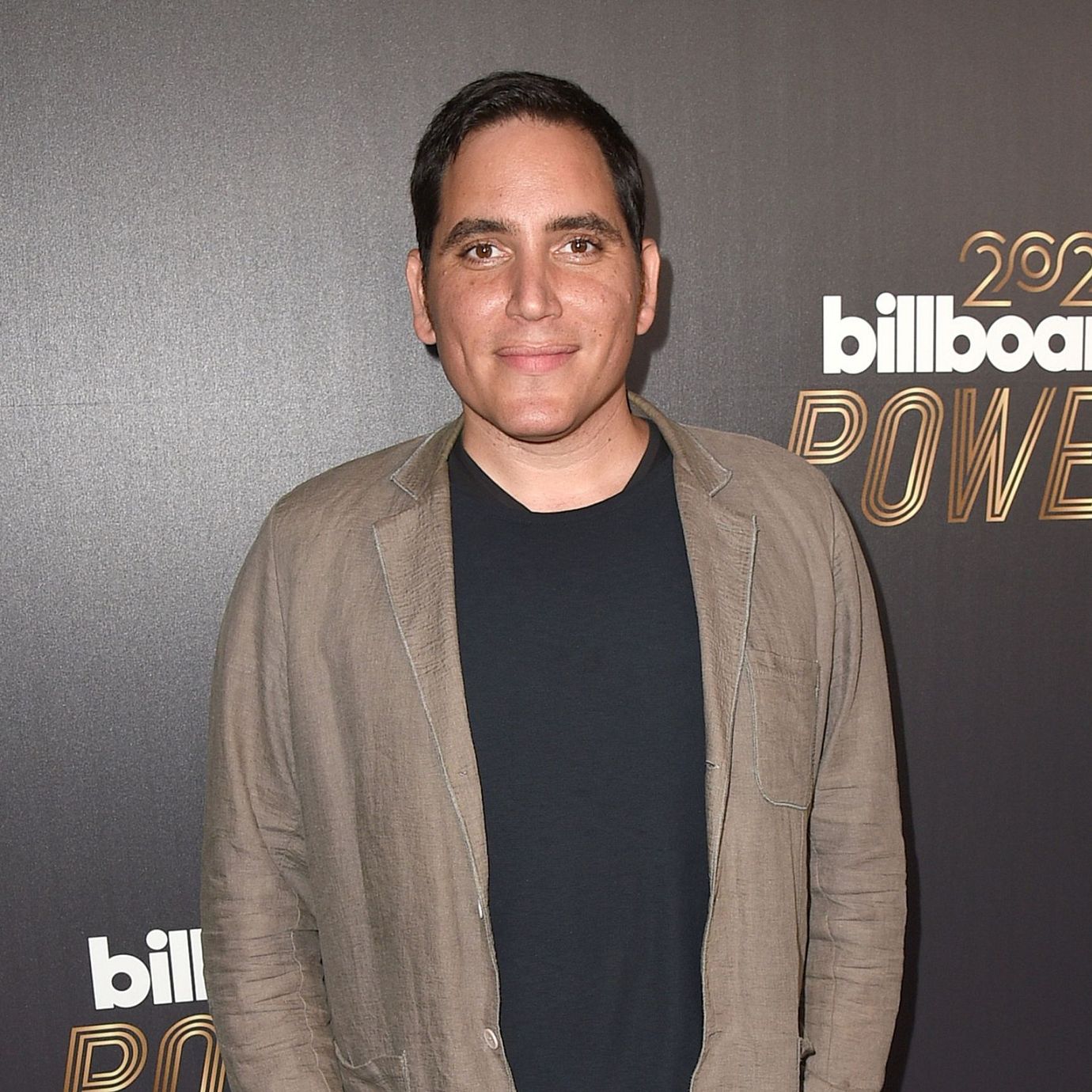
To some in the industry the exuberance forewarns of a bubble, with musicians exploiting a hot market and new buyers overpaying. Acquirers now pay 14 to 17 times their share of a song’s earnings, according to independent valuer Massarsky Consulting; Hipgnosis says it pays almost 16 times on average. Some recent deals have been closer to 25. “There’s been a new class of buyers coming into the market recently like pirates at hot and heavy multiples well in excess of norms,” says Matt Pincus, who sold his publishing company in 2017 for about $160 million and now invests in the industry.
Analysts at Stifel Financial Corp. downgraded Hipgnosis’s stock in January. In a note, the brokerage wrote that Hipgnosis has recorded higher valuations of catalogs soon after buying them, despite “not having had sufficient time to add value, or underlying market assumptions to have materially changed.” Mercuriadis dismisses Stifel’s arguments as “almost hysterical,” saying that the valuations are from independent companies and that he gets deals by tapping industry contacts and avoiding auctions; Massarsky calls Stifel’s criticisms “fundamentally unsound.” Mercuriadis previously led music group Sanctuary, which during his tenure hemorrhaged money after expanding, leading to a restructuring and sale. (He recently said its demise was caused by the broader faltering of the sector as it grappled with internet piracy.)
“You’ll see the lower end of the market cool off”
High prices may be here to stay. For one thing, new investors are used to them, and they’re comfortable generating steady returns over the long haul. After all, they say, the life of a hit song is forever, and any investment will eventually go into the black. “You’ll see the lower end of the market cool off,” says Primary Wave CEO Larry Mestel, distinguishing between sales of less reliably bankable recent songs and classics from legends such as Dylan. “The quality end of the market will be there for quite a while.”
For more articles like this, please visit us at bloomberg.com