Blackrock dumpar ESG men inte klimatambitionerna

Världens största kapitalförvaltare Blackrock och vd:n Larry Fink försökte för några år sedan sätta press på företag att bli mer hållbara. Men ESG-satsningen fick bakslag och kritiserades för att vara ”woke-kapitalism”, skriver FT.
Fink har nu slutat använda termen. Men samtidigt pumpar Blackrock in miljarder dollar i klimatomställningen, men med en ny titel. ”ESG” har bytts ut mot ”transition investing” som innebär grön infrastruktur som solenergi, naturgas från sopor, produktion av naturlig gödsel och koldioxidinfångare.
 The Wall Street Journal
Step Aside, ESG. BlackRock Is Doing ‘Transition Investing’ Now.
The world’s biggest asset manager has abandoned the acronym while pumping billions of dollars into clean energy
Climate investing is booming at BlackRock. Just don’t call it ESG.
After crusading for years for investment funds and companies to take into account environmental, social and governance factors, Larry Fink has purged the letters from his vocabulary.
He attempted to use BlackRock’s clout as the steward for millions of investors to prod companies toward climate-friendly policies and press them to disclose the social effects of their businesses. He long argued that the world’s largest asset manager and its peers could make money and make the world a better place at the same time.
Fast forward to 2024, and the chief executive has stopped mentioning the acronym in public letters and comments. He retreated after a backlash from conservative pundits against “woke capitalism” made the term politically toxic. Furthermore, he faced criticism , even in the finance industry, from people who said he was moralizing, playing God and stepping beyond BlackRock’s fiduciary duty to maximize financial returns for clients.
“Transition investing is specific and concrete. Clients know what we’re talking about”
BlackRock is still wagering that fighting climate change will be a generational investment opportunity—but the company is no longer pushing for changes in corporate behavior, talking about hard-to-quantify social issues or actively promoting ESG investing criteria. Instead, it is directing billions of client dollars toward infrastructure projects that will help speed the transition from fossil fuels.
“Transition investing is specific and concrete. Clients know what we’re talking about,” said Mark Wiedman , who is head of the global client business at BlackRock and a potential successor to Fink . “ESG as a category is a vague grab bag for many clients.”
BlackRock is joining investors such as Brookfield Asset Management in betting on clean-energy infrastructure projects. It doubled down with its recent $12.5 billion deal to buy Global Infrastructure Partners , an infrastructure fund manager that owns and operates energy, transportation, and waste and water companies around the world.
Infrastructure investments can offer steady returns and measurable benefits for fighting climate change. They are in high demand with institutional clients such as pensions, especially after 2022’s climate law introduced rich government subsidies for clean-energy projects.
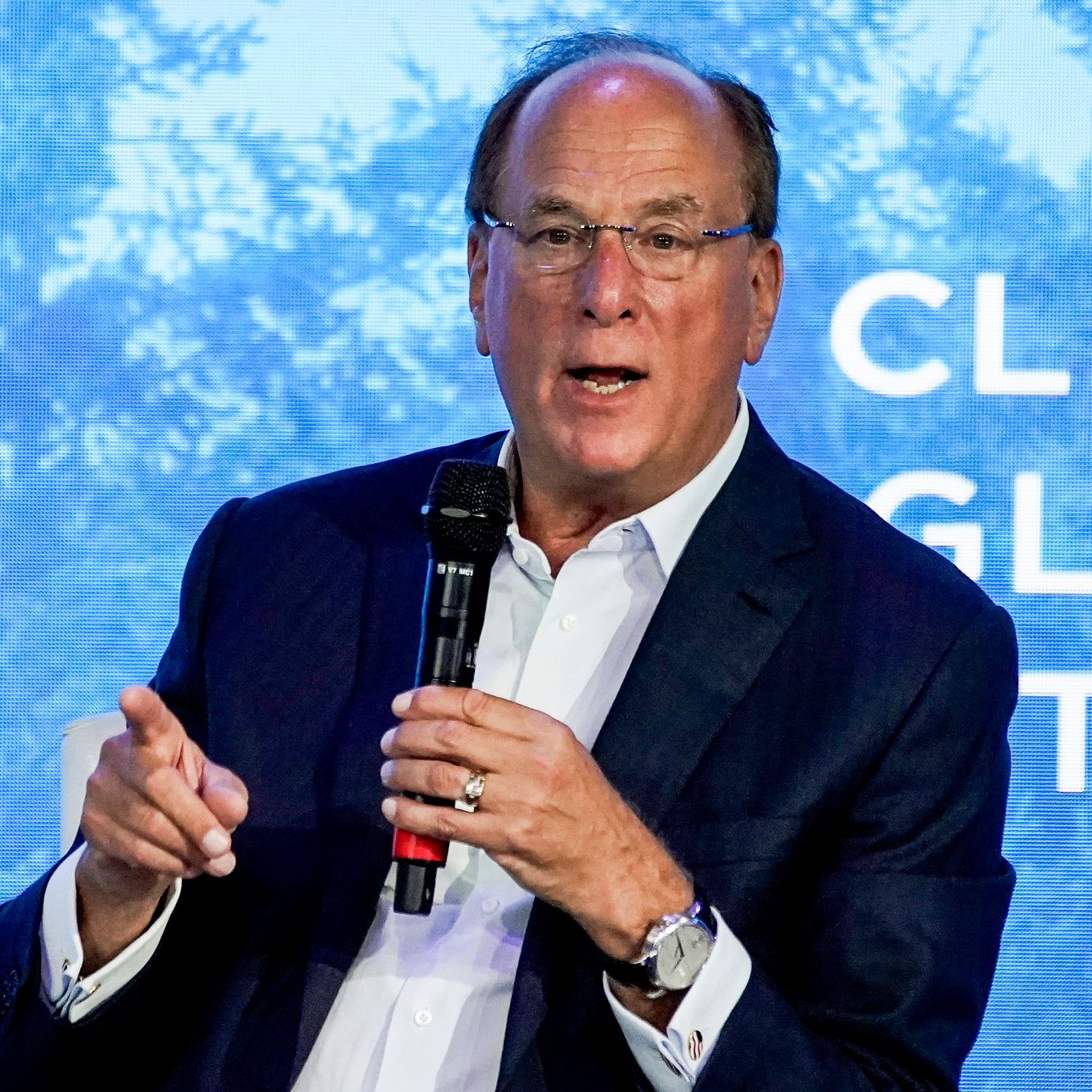
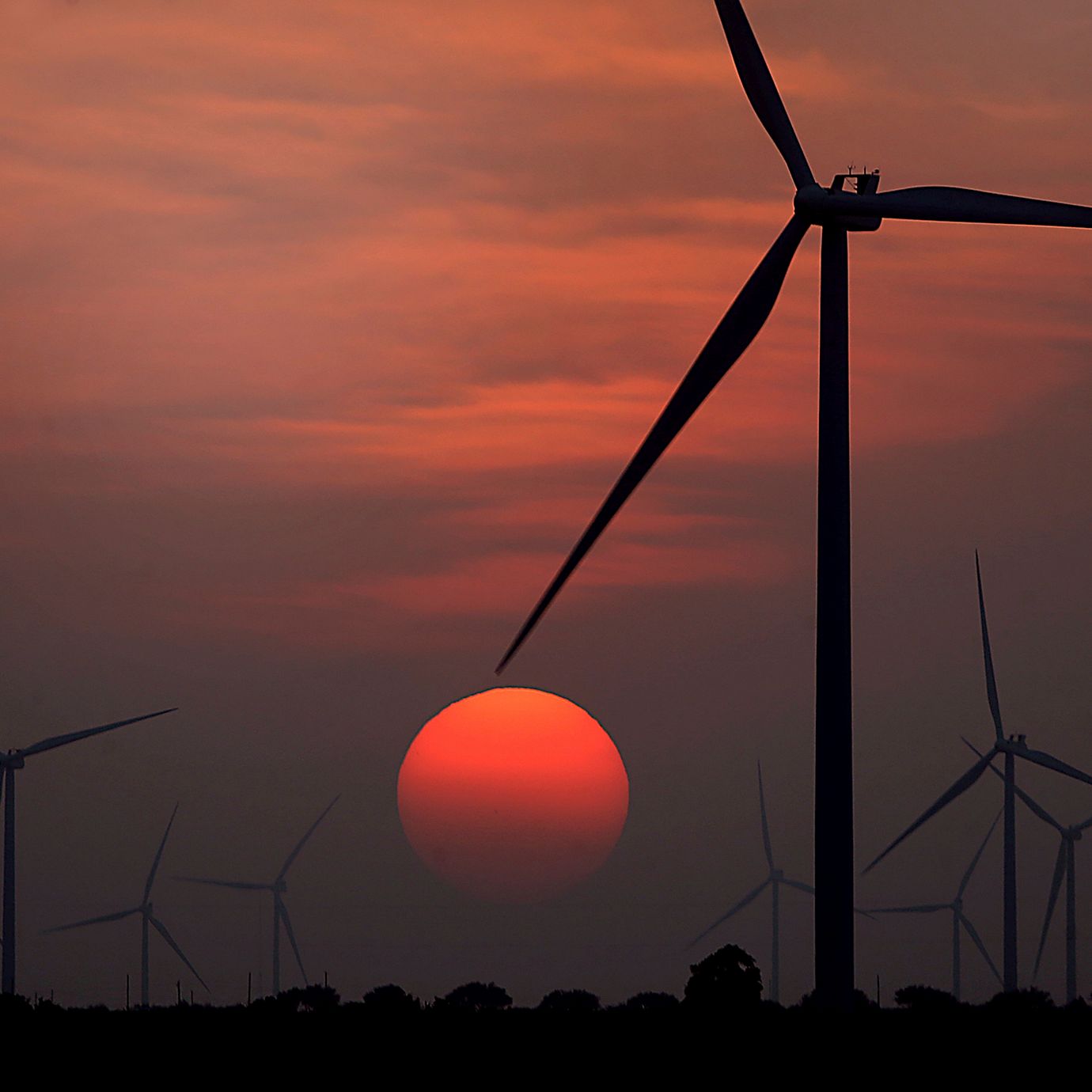
The investments differ from many bets on publicly traded companies or ESG strategies that avoid fossil-fuel projects that end up being owned by someone else. BlackRock’s infrastructure funds have invested in solar power, natural gas made from food waste and cow manure and removing carbon from the atmosphere.
“The mega infrastructure projects are the new ESG. Energy-transition infrastructure—Wall Street loves this because it’s real,” said Peter McKillop, a former spokesman at BlackRock who now runs Climate & Capital Media, a nonprofit media organization.
Another reason the ESG movement failed to catch on was because the funds struggled to outpace the broader market and show that they actually benefited the planet. Investors pulled about $13 billion, or roughly 4% of assets, from publicly traded ESG funds last year, according to Morningstar. BlackRock’s offering of mostly index-tracking ESG funds posted inflows.
Investors poured about $75 billion into private renewable-energy and broad energy-sector investment funds over the same period. The funds have raised nearly $500 billion in the past five years and dwarfed the amount raised for traditional fossil-fuel funds, figures from Preqin show. Total global investment in energy transition hit about $1.8 trillion last year, a roughly 17% increase from 2022, according to data provider BloombergNEF.
“The mega infrastructure projects are the new ESG. Energy-transition infrastructure—Wall Street loves this because it’s real”
The criticism of Fink started building in 2020, when he wrote in his widely read letter to CEOs that “climate risk is investment risk.” He said BlackRock would be disposed to vote against management and boards at companies that weren’t making progress on sustainability-related practices. The company’s colossal index-fund business makes it among the three largest shareholders in most companies in the S&P 500, so it wields vast shareholder voting power.
A year later, Fink upped the ante when he wrote that BlackRock was “focused on racial equity and social justice in our investment and stewardship activities” and that “advancing a more equitable and inclusive environment” would require going beyond just examining its own culture and talent practices.
The backlash was swift. Even Berkshire Hathaway ’s Charlie Munger said: “I think the world of Fink, but I am not sure I want him to be my emperor.”
Conservative activist Leonard Leo financed a multimillion-dollar campaign to stoke opposition to ESG. It led to jabs from Republican presidential candidates and efforts by some Republican states to ban BlackRock from doing business there.
The rebuke had little to no measurable impact on BlackRock’s business—but it marked an embarrassment for Fink, a legend on Wall Street who co-founded the company in 1988. Assets under management eclipsed $10 trillion for the second time in the fourth quarter of last year, and BlackRock reported $289 billion of client inflows in 2023.
Within BlackRock, some executives were uneasy about the letters and Fink’s public comments, according to people familiar with the matter. Some remarks were made on the fly rather than as part of a planned communications strategy, the people said, leaving executives struggling to explain to clients what their boss meant.
BlackRock has since made a U-turn and is trying to smooth things over with its political enemies. Fink told The Wall Street Journal in October that he backtracked from the term ESG because it had been politicized and means something different to every person.
BlackRock is focused on meeting individual client demands, whether climate friendly or otherwise, he said, adding that investor surveys show that a majority of its clients globally plan to put more money into decarbonization investments.
To that end, BlackRock is no longer aggressively pushing companies to take action.
The asset manager voted “Yes” on about 9% of shareholder resolutions involving environmental or social issues in 2023, down from roughly 40% in 2021, according to ShareAction, a climate advocacy group. BlackRock said a rise in shareholder proposals that are overreaching and lacking economic merit led to its falling support, and companies have also made substantial progress on climate-related disclosures since 2021.
BlackRock is trying to get back in the good graces of red states such as Texas that passed laws trying to boycott banks and investors that embrace ESG from doing business in their states. The company hired a global head of corporate affairs with experience working for Republicans in Congress to oversee communication and lobbying efforts and added more lobbyists to its payroll in 2023.
Those efforts appear to be working. Texas Lt. Gov. Dan Patrick , one of BlackRock’s most vocal critics, changed his tune at a February power-grid investment summit in Houston, where he shared a stage with Fink and declared him “king of Wall Street.” Fink told attendees he could help Texas raise $10 billion in private capital to strengthen its power grid after extreme weather put it under stress in recent years.
“ESG is unquestionably in a death spiral”
BlackRock’s diversified infrastructure fund also recently announced a $550 million investment in Occidental Petroleum ’s first big plant capturing carbon dioxide directly from the air in Texas.
Beyond that, BlackRock joined JPMorgan Chase and State Street in February in backing away from a group called the Climate Action 100+, a coalition of fund managers that is pushing companies to address climate issues. A spokesman said that the group’s new strategy requiring members to make a commitment to pursue emissions reductions through stewardship engagement across all of its assets raises legal considerations in the U.S.
“ESG is unquestionably in a death spiral,” said Terrence Keeley, who ran BlackRock’s official institutions group until 2022 and has since published a book criticizing ESG investing. “BlackRock is logically prioritizing decarbonization because it is a win-win-win. Good for the environment, good for investors and good for BlackRock shareholders.”