Bloomberg: Allt du vill veta om SVB:s fall
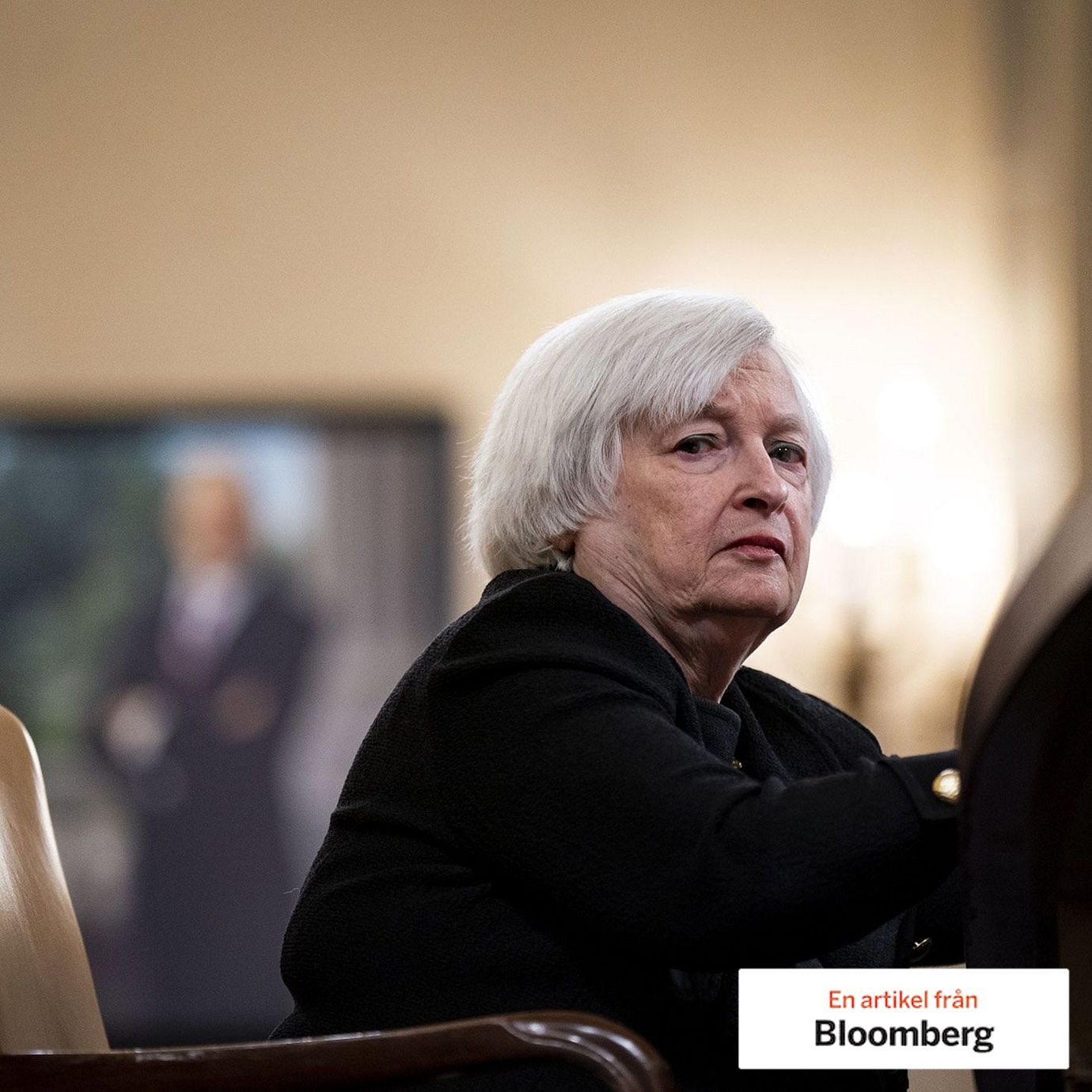
Silicon Valley Bank, vars fall blev startskottet på bankturbulensen, var bland annat exponerade mot statsobligationer, tillgångar som anses vara bland de mest säkra på finansmarknaden. Banken hade alltså egentligen en låg kreditrisk – men samtidigt en väldigt hög risk kopplat till ränteläget. Bloomberg reder ut hur det hänger ihop och vilka likheter och skillnader som finns med finanskrisen 2008. Tidningen besvarar en rad frågor om hur det kunde uppstå en modern version av bankrusning i en av USA:s viktigaste banker.
 Bloomberg
All Your Modern-Day Bank Run Questions, Answered
How interest-rate risk and a focus on tech brought down one of America’s most important banks.
Until a week ago most people outside of California knew little about Silicon Valley Bank. Now it’s gone down in history as the second-largest US bank failure. That escalated quickly.
How does a $200 billion bank suddenly run out of money?
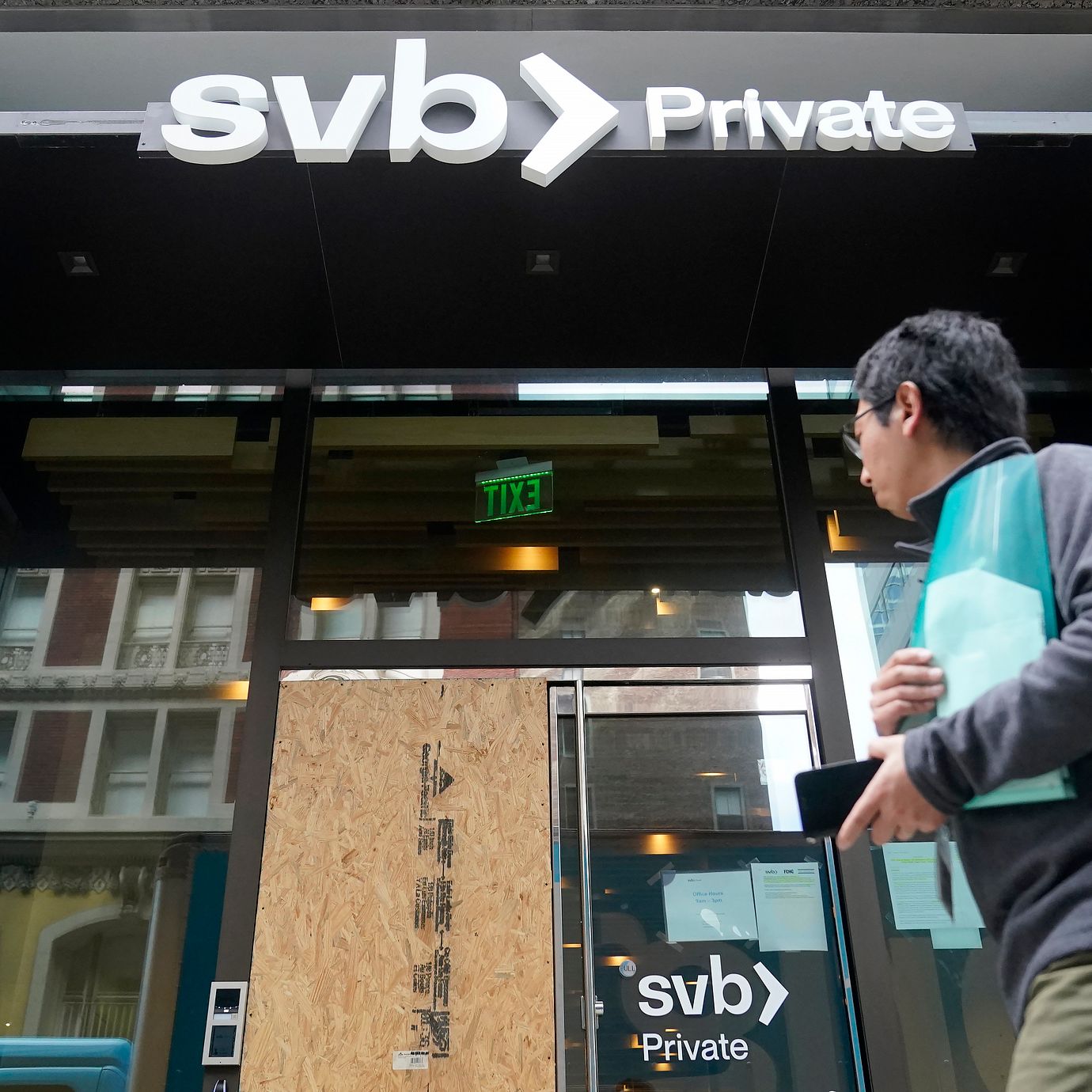
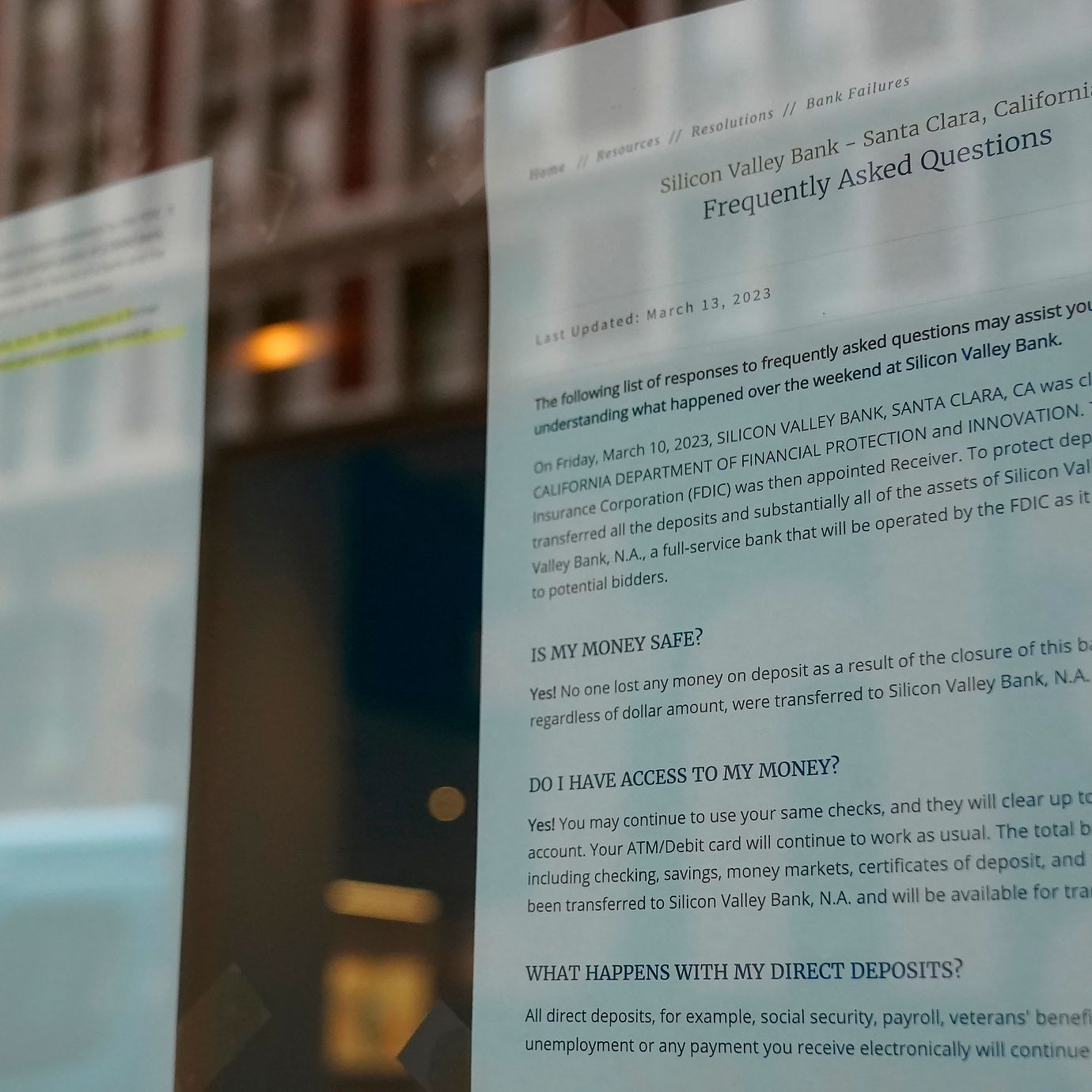
This was an old-fashioned bank run, like in It’s a Wonderful Life or—our favorite example—Mary Poppins. Banks live or die on confidence. They never have all of their depositors’ cash on hand. Instead, much of that money is invested in loans to homeowners and companies and in bonds. That’s fine as long as (1) those investments don’t tank and (2) depositors don’t start worrying about the health of the bank and scrambling to get their money out before the tills are empty. On Thursday, March 9, depositors got very nervous about Silicon Valley Bank’s investment portfolio and suddenly asked for $42 billion back. The next morning the Federal Deposit Insurance Corp. closed the Santa Clara, California-based bank to stop the bleeding. By Sunday night, federal regulators said they’d guarantee all its deposits, including those over the usual $250,000 limit on FDIC protection.
So what scared everyone about Silicon Valley Bank?
The catalyst seems to have been SVB’s attempt to raise money— about $2.25 billion in new equity. That told people something might be very wrong—why else would SVB be trying to do that? The bank also said it was selling some of its assets to “strengthen our financial position” and “enhance profitability.” Those words were in bold type at the top of the announcement, but the ones everyone noticed were further down: “earnings loss of approximately $1.8 billion in connection with the sale.” SVB had taken a bath on bonds it owned. The bank’s stock dropped an attention-getting 60% on March 9. Prominent venture capital firms in Silicon Valley began advising companies they invested in to get their money out.
Is this like in 2008, when banks held a lot of toxic mortgages?
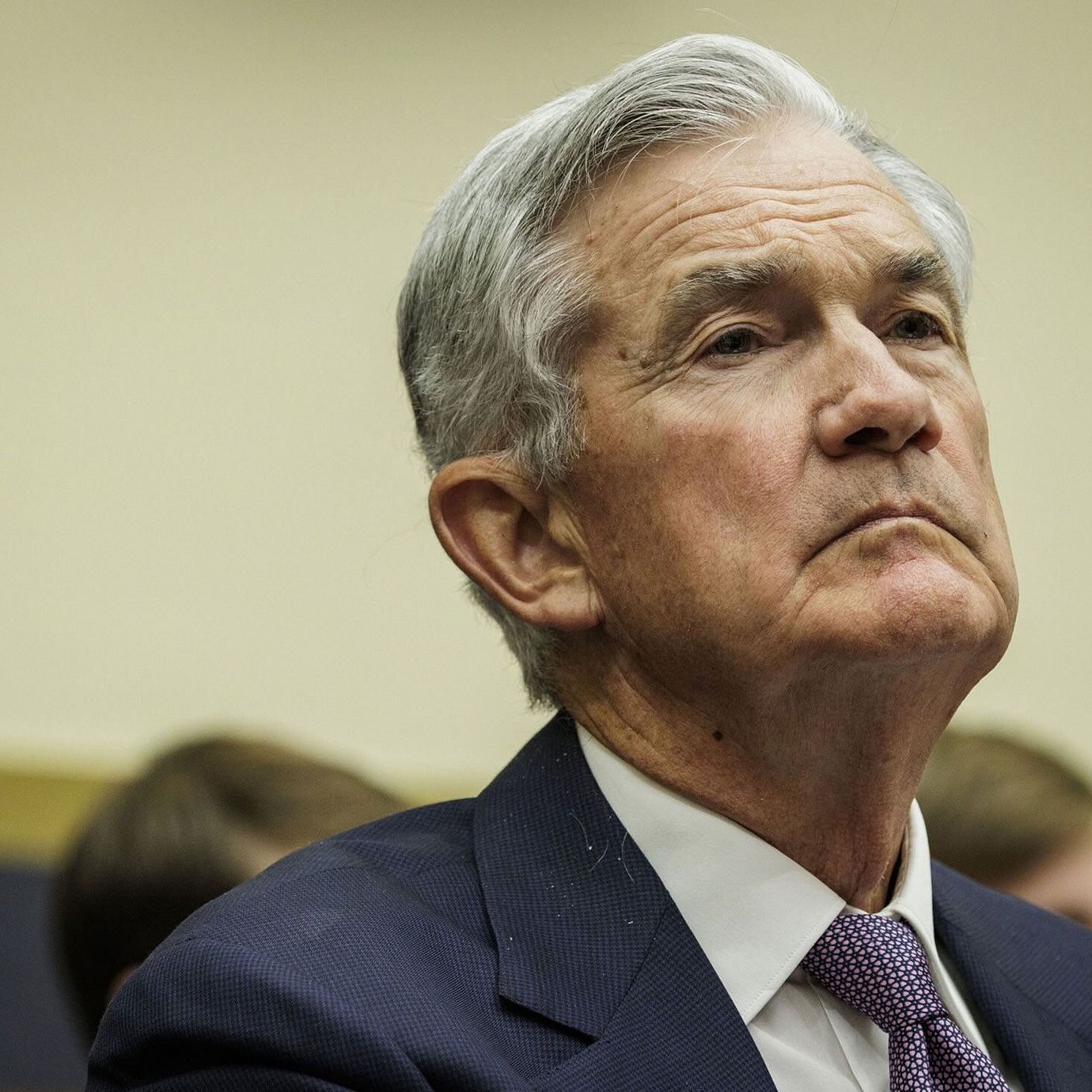
Weirdly, no. SVB didn’t invest in dodgy debt. It held billions of dollars in solid mortgage-backed securities, and also held Treasuries, which are considered among the safest assets in the world. Safe, in this case, means that as long the bank held those bonds until maturity, it would get its money back with interest. In the meantime, though, the value of those bonds rises and falls as interest rates rise and fall. Which means that while the bank wasn’t taking a lot of credit risk, its interest-rate risk was very high.
What’s interest-rate risk?
This may sound abstract compared with, say, the risks of not getting your money back when the real estate market crashes, as it did in 2008. But ask anyone who’s ever traded a bond—admittedly, not something you probably do much on your Robinhood app—and they’ll tell you that interest-rate hikes can be real killers. Investors who buy bonds expect to get a yield that matches whatever the current rates happen to be. Say newly issued Treasuries are paying 4% a year. If you own one that’s paying 2% and want to sell it, you’ll have to cut your price far enough that the buyer ends up earning 4% on what they pay for it. So whenever rates rise, bond values fall. That may not matter to ordinary investors who aren’t buying and selling bonds, but it can be a real headache for banks and other institutions.
Why did Silicon Valley Bank have so much of it?
It started with a smashing success: Three years ago, customer deposits at the bank stood at $62 billion. Not bad. But by the end of last year, deposits had swelled to about $175 billion, the result of a pandemic-fueled tech industry surge. Because SVB was the institution of choice for the most prominent venture firms in the Bay Area, the startups they backed also used SVB. Venture capital-backed companies had raised a record $330 billion in 2021—almost double the amount raised in 2020. Money flew through the air amid successful initial public offerings, mergers and capital infusions for startups, and found its way to the bank.
The bank had to put the money somewhere. But the influx coincided with a period of rock-bottom interest rates engineered by the Federal Reserve to support the economy through the Covid-19 emergency. To get a little more return, SVB could buy longer-maturity bonds. Generally speaking, bonds with longer maturities are more sensitive to losing value when rates go up. The bank’s bet proved to be a fateful error: Russia invaded Ukraine, energy prices soared, supply chains froze and inflation surged. The Fed did an about-face and abruptly began raising its benchmark short-term interest rate, pushing it toward 5% from almost zero a year earlier.
The true worth of SVB’s investment portfolio was obscured thanks to accounting rules, but if it had been priced at current market values, it would have shown losses greater than $15 billion at the end of 2022. SVB was hardly the only bank seeing such paper losses on bond investments, but it had another problem: its depositors.
Couldn’t depositors just wait it out?
SVB turned out to have a lot of what’s known in banking circles as “hot money”—deposits that can suddenly swell a bank’s assets once invested but can also disappear in a flash. As the tech industry hit a downturn, many of the bank’s clients were already burning through cash and drawing down their SVB accounts. Also, the businesses SVB specialized in serving kept a lot more money in the bank than ordinary customers—often well above the usual limit on FDIC protection. (At the end of last year, more than 90% of the banks’ domestic deposits were uninsured.) Many depended on those deposits as working capital or to make payroll. So they were a lot more likely to move their money at the first whiff of trouble—and a relatively small number of people were in a position to pull millions of dollars at once.
SVB “should have paid attention to the basics of banking: that similar depositors will walk in similar ways all at the same time,” says Daniel Cohen, former chairman of Bancorp Bank. “Bankers always overestimate the loyalty of their customers.”
The result was what former FDIC Chairman William Isaac guesses is one of the quickest bank runs in US history. And unlike in Mary Poppins, where Michael Banks screamed “Give me back my money!” and panic spread among people who happened to be around the bank, this one went viral in a closely connected startup community in constant touch on group chats and social media.
So is this something else I can blame on social media?
Technology may have sped things up, but it seems clear SVB had some underlying risk management issues. More worrying is what occurred over the weekend after the bank closed, when no one was sure what would happen to large depositors. Some widely followed voices in tech and finance took to Twitter to warn—sometimes in shouty ALLCAPS—that banks around the country could fail by Monday morning if the federal government didn’t step in. Others begged for a little chill. “Some of the calculations on Twitter exaggerate the risks facing the banking system,” tweeted Mohamed El-Erian, chief economic adviser at Allianz and a Bloomberg Opinion columnist. “The risk is that such calculations fuel undue anxiety, amplifying systemic instability.” As the chatter grew louder, it became clear that bank regulators would have even less time than they thought to calm things down.
Was there really a risk of contagion?
It’s hard to say just how much of a risk SVB posed. But remember that banks are all about confidence. The danger was that other companies that kept their deposits at similar regional banks—even far away from Silicon Valley—might start to worry that their deposits weren’t safe.
What did regulators do?
The Fed, US Department of the Treasury and FDIC said all depositors at SVB and Signature Bank in New York—a bank with deep ties to the real estate development industry that regulators closed on March 12—would get all their money back. The Fed also created an emergency lending program under which banks holding money-losing assets can pledge them as collateral and borrow against them at face value for one year. Those terms are extraordinarily generous, showing that the government urgently wanted to restore faith in the banking system.
This was another bailout, right?
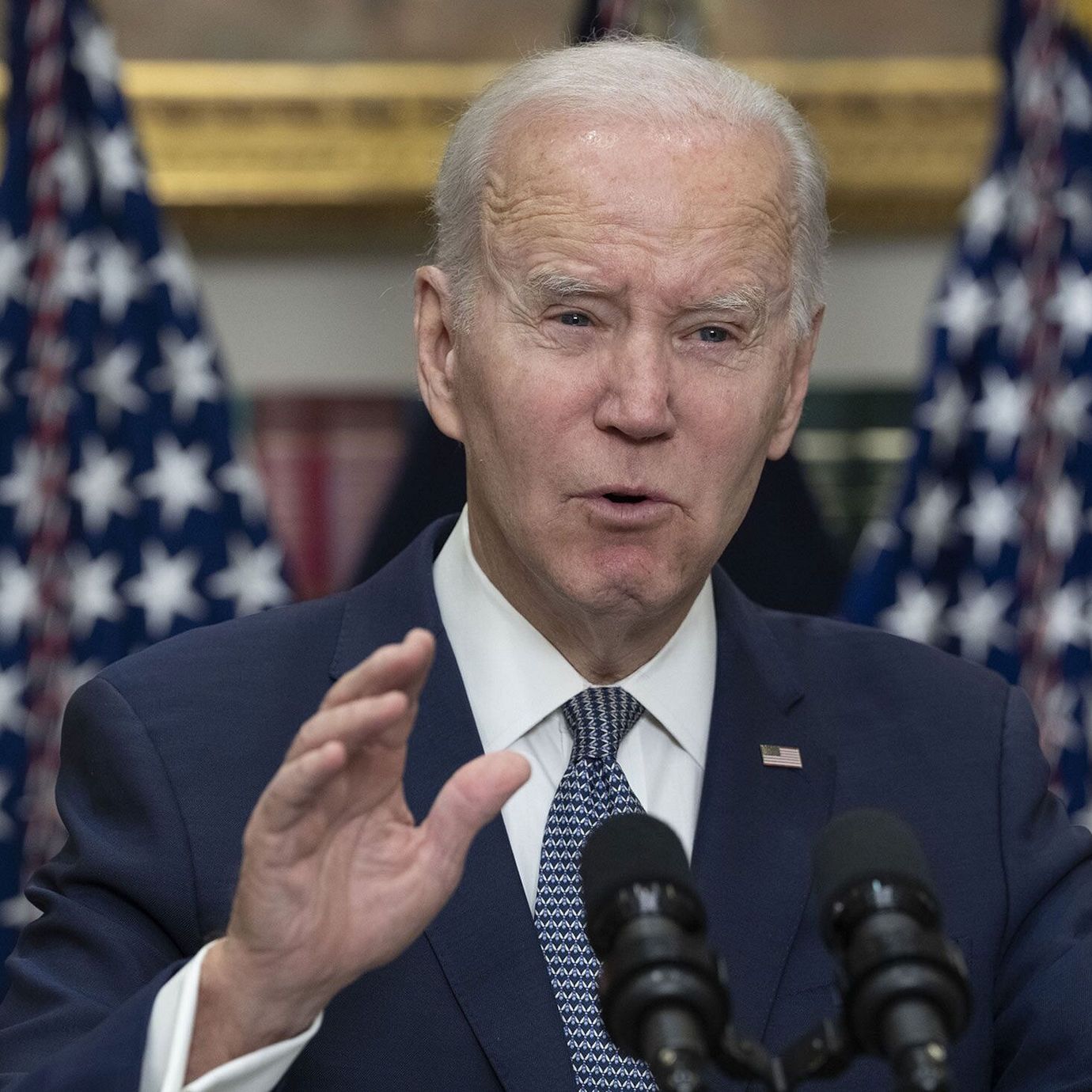
President Joe Biden took pains on March 13 to say the regulators’ moves meant “no losses will be borne by the taxpayers.” He was anticipating a debate over whether the US should have rescued wealthy venture capitalists and tech companies, who certainly knew beforehand that their money wasn’t guaranteed. By the simplest definition of a bailout, they got one. Although taxpayers aren’t directly on the hook for it, the money to cover depositors will come from a guarantee fund that FDIC-insured banks pay into. If banks’ fees rise, however, customers nationwide could see lower interest on savings and higher fees on overdrafts. And in the unlikely event that the insurance fund runs out, Treasury can supplement it with $25 billion in taxpayer money. Regulators took pains to point out that SVB shareholders were wiped out and senior managers had been fired. In 2008, the government’s moves to protect the financial system saved a lot of big banks and their shareholders, as well as their executives.
Who dropped the ball?
It’s now clear that the bank didn’t recognize its exposure to interest rates and simultaneously had a depositor base overly concentrated in a single industry. But bank regulators apparently didn’t see those balance sheet time bombs, either. The Fed is starting an internal probe into how SVB was supervised. Greg Becker, SVB’s chief executive officer, was a director of the Federal Reserve Bank of San Francisco, one the bank’s main watchdogs, until the day it failed.
A deregulation measure signed into law by President Donald Trump in 2018 repealed the requirement that banks with $50 billion to $250 billion in assets face annual stress tests, among other rules designed to maintain the soundness of large banks. (Although recent tests have not focused on interest-rate risk.) SVB and other regional banks’ lobbyists and executives had pushed Congress to lighten up oversight, arguing that they weren’t systematically risky the way JPMorgan Chase & Co. or Goldman Sachs were. That turned out not to be true.
Anything else I need to worry about?
On March 15, the bad vibes in the US banking industry were rubbing off on the already troubled Swiss banking giant Credit Suisse. Its stock declined 24%. And there’s one more monster risk out there: Sometime later this year, unless Congress raises a self-imposed ceiling on the amount of debt the government is allowed to take on, Treasury might not be able to pay the nation’s bills.
For more articles like this please visit us at bloomberg.com