Deepseek under press – men håller investerare på avstånd
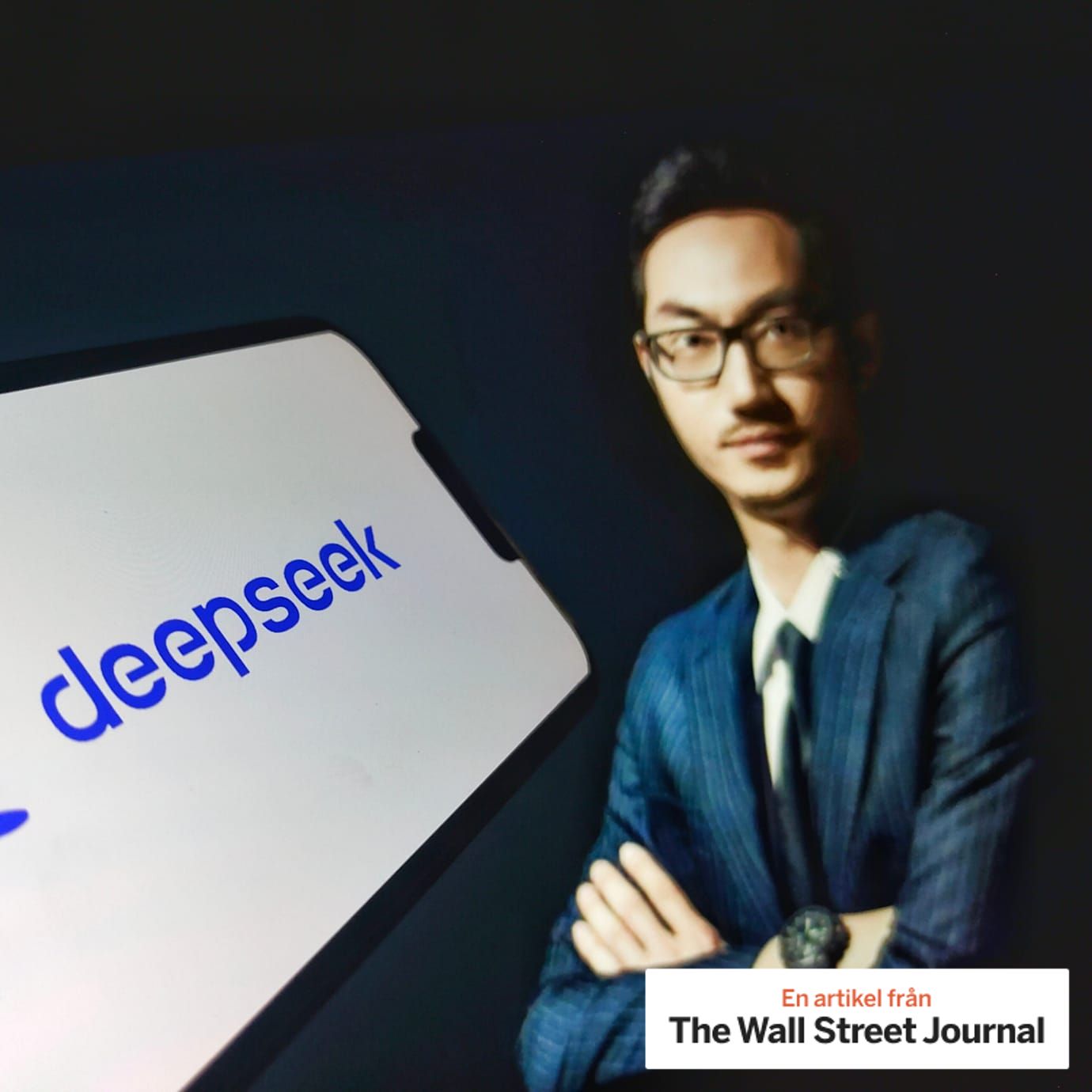
Trots framgången och ett stort intresse från investerare tackar den kinesiska AI-startupen Deepseek nej till riskkapital, skriver Wall Street Journal.
Grundaren Liang Wenfeng vill behålla kontrollen och undvika yttre påverkan, särskilt från statliga kinesiska aktörer som kan hämma företagets globala expansion.
För tillfället verkar Liang hålla fast vid sin vision från en sällsynt intervju 2023:
– Vi gör inga appar, vi sysslar bara med forskning och utveckling.
 The Wall Street Journal
Investors Want a Piece of DeepSeek. Its Founder Says Not Now.
Chatbot startup has problems, but its founder doesn’t want new shareholders to be one of them.
The founder of Chinese artificial-intelligence star DeepSeek has rejected proposals to make quick money from his programs, telling prospective investors that he wants to keep the science-project ethos that brought him global renown.
Overwhelmed by millions of users, DeepSeek’s chatbot has frequent service hiccups, and authorities around the world are restricting its use over data-security concerns. The U.S. is weighing measures including banning DeepSeek from government devices. Other internet companies are using the free DeepSeek code to drive their own businesses.
Liang is at the same crossroads many tech entrepreneurs have encountered when their passion project takes off
Yet founder Liang Wenfeng has told associates he isn’t in a hurry to get investment, fearing that outsiders would interfere in DeepSeek’s decisions, people familiar with the matter said. He is also cautious about government-linked investors, they said, because he believes the connection to Beijing could make it harder to win global adoption of DeepSeek’s AI models.
Liang is at the same crossroads many tech entrepreneurs have encountered when their passion project takes off.
The Chinese company made a global splash early this year with free-to-use open-source AI models that rivaled the best in the West and were built using less advanced chips. It was the moment DeepSeek had aimed for since Liang’s band of AI researchers began their quest two years ago with words they attributed to French director François Truffaut: “Be insanely ambitious and insanely sincere!”
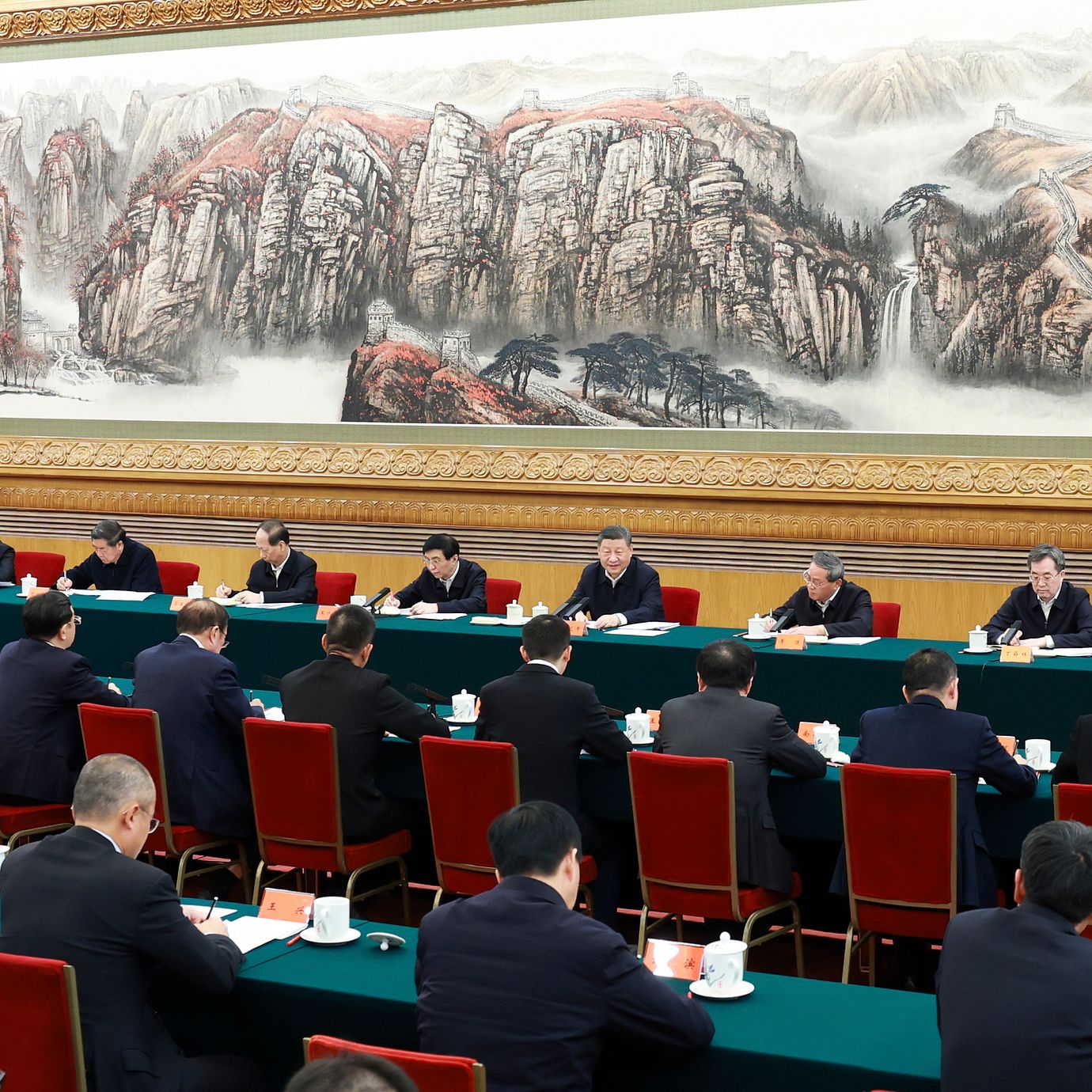
Liang was invited to join a who’s-who list of Chinese executives who met leader Xi Jinping on Feb. 17, and his success has prompted a gushing of patriotism in China. The state-owned Bank of China has offered to grant a low-interest loan to the company, people familiar with the discussions said.
In recent weeks, executives from Chinese technology companies including Tencent and Alibaba have met Liang to discuss potential cooperation, said people familiar with the companies.
Those people said Liang didn’t want to charge for DeepSeek’s core AI models, which are currently free.
In the final week of February, the startup published techniques it used to train AI models using a downgraded chip Nvidia designed for China. It aims to release its next reasoning model, designed for solving complex problems, as early as April, people familiar with the company said.
Rise of High-Flyer
Liang, born in 1985, founded the hedge fund known in English as High-Flyer in 2015. Its Chinese name alludes to an ancient Han Dynasty diagram with a magic square—a mathematical peculiarity in which the rows, columns and diagonals of the square all add up to the same number. Liang was proud that Chinese sages discovered the concept long before the West, said people who know him.
In its hiring advertisements, High-Flyer sounded more like a technology firm than a hedge fund—it even tried to put the word “technologies” in its name before regulators said no. It looked for people who had won math contests, and the fund promised as much as $270,000 a year for AI engineers at a campus event in 2020.
To support their AI ambitions, Liang and his team used the profits from the hedge fund—which charged the same type of hefty fees as U.S. hedge funds do. Liang’s quant fund significantly outperformed the market between 2015 and 2020, sometimes scoring returns that were 20 to 50 percentage points more than stock-market benchmarks.
In 2021, High-Flyer’s assets under management reached around $14 billion, according to people familiar with the matter. But the fund’s performance soon faded. By late 2021, when dozens of High-Flyer’s products were down by more than 10% from their recent peak, the company apologized to investors for its performance. One of its flagship funds lost money in both 2022 and 2023, although it beat the benchmark index it was supposed to track.
Two years ago, High-Flyer largely closed itself to new investors, and it started in mid-2024 to encourage some investors to redeem their investments, people familiar with the matter said. By the end of last year, High-Flyer’s assets under management had shrunk significantly.
Rise of DeepSeek
In April 2023, the fund announced a strategic shift and created DeepSeek as an independent organization. High-Flyer put almost all its revenue from the quant fund business into AI development, according to the company’s posts on Chinese social media. High-Flyer said it would “devote itself fully to AI technology that serves the common good of all mankind.”
DeepSeek’s AI models are generally free, although it does offer some paid services to customers.
Its problem is handling the traffic surge. Its services are crashing so frequently that some people say they can interact with DeepSeek’s chatbot only a handful of times a day. To lessen the overload on its servers, DeepSeek has been offering deep discounts to paying customers who use its services in the early morning when usage is lower.
Some Chinese tech giants such as Tencent are testing DeepSeek to power features including a search engine in Tencent’s messaging and payment app WeChat . They don’t have to pay DeepSeek to do so. Tencent users can opt for a chatbot that is powered by DeepSeek but uses Tencent’s own more-stable computer network.
“We don’t do applications, we just do research and exploration”
Since late 2023, DeepSeek pitched itself to several venture capital funds, including some foreign firms, but they declined to invest because they couldn’t see a clear path to recouping their money, people familiar with the discussions said.
More potential investors have recently expressed interest in investing in the AI star despite concerns over DeepSeek’s lack of a clear plan to make money, people familiar with the discussions said. But Liang has brushed them off while he thinks about the company’s long-term strategy. DeepSeek is exploring ways that it could help tech giants develop commercial applications using AI and share in the benefits.
For now, Liang appears to be sticking to the vision he expressed in a rare interview in 2023. “We don’t do applications, we just do research and exploration,” he said then. The reporter asked why, and Liang said it was because he was curious.