Ferrari gasar, LVMH glänser – lyxaktier på uppgång
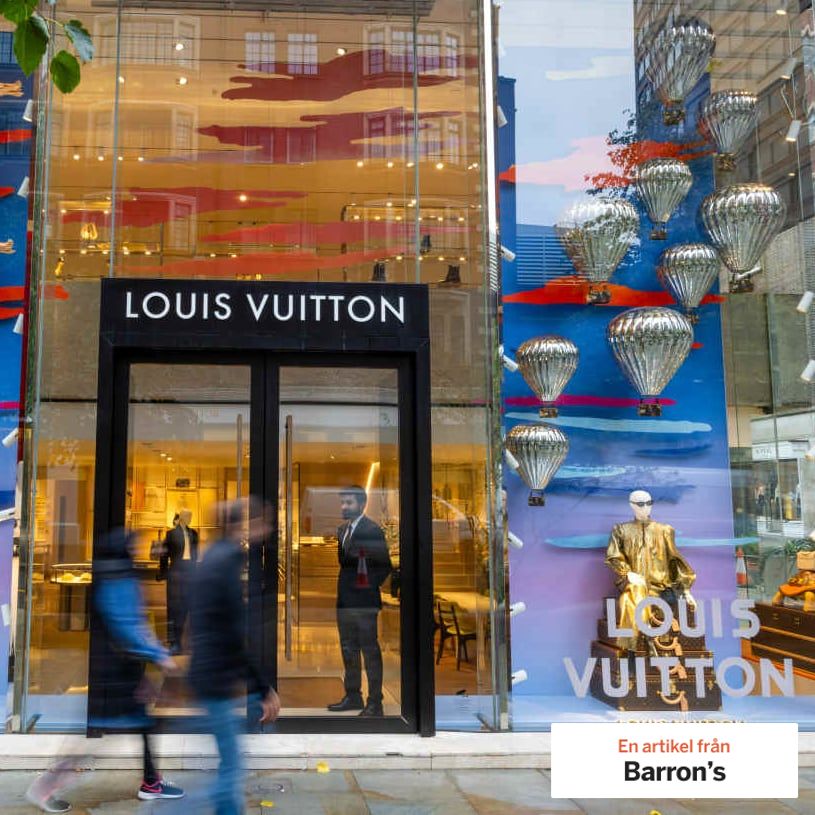
Efter ett tufft 2024 ser lyxsektorn ut att få revansch, skriver Barron’s. Starka rapporter från Ferrari och Cartier-ägaren Richemont har lyft sentimentet, och även LVMH och Burberry visar ljusglimtar.
Hermès spås visa fortsatt stark tillväxt, och ökad lyxkonsumtion i USA ger sektorn stöd. Trots utmaningar i Kina och höga priser ser analytiker nya möjligheter.
”Det verkar som att lyxkonsumtionen äntligen har börjat förbättras, och det finns tecken på ljuspunkter inför 2025”, skriver Bank of America.
 Barron's
Why Luxury Stocks May Soon Look Chic Again
Luxury stocks may soon be back in vogue.
Companies in the sector had a threadbare 2024. Not only did the weakness of China’s economy drag on results in a country the group counts on for growth, but consumers elsewhere in the world were likewise pulling back. Shoppers either couldn’t afford luxury products, or simply couldn’t justify paying for them after big price increases.
That led to disappointing share performance for many big fashion houses. Moët Hennessy Louis Vuitton, Gucci owner’s Kering, and Capri Holdings all fell by double-digit percentages last year.
Yet now the trouble may ending. Just look at recent earnings reports. Last week, the Italian sports car maker Ferrari posted a great quarter, while results from Richemont, the owner of Cartier, gave the stock its best day on record. Burberry offered more positive financial guidance in January.
“Investors are cautiously optimistic on luxury this year following better than anticipated results,” notes TD Cowen analyst Oliver Chen.
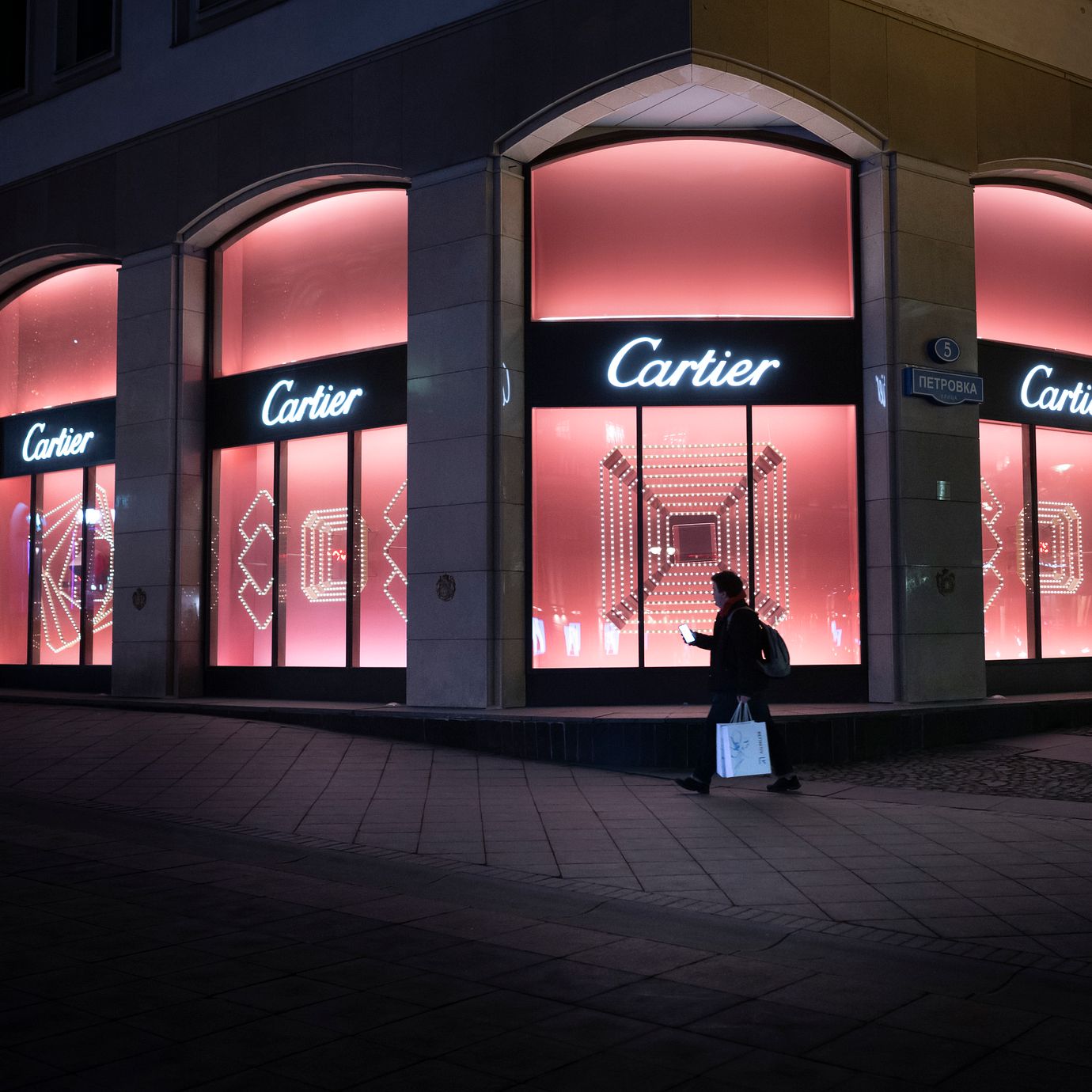
Even luxury bellwether LVMH had some bright spots in its most recent quarter.
“We believe the luxury goods sector has two major headwinds: consumer sentiment in China (for which improvement seems to be only gradual) and ‘greedflation;’ i.e. brands increasing prices too much too quickly, coupled with a lack of creativity,” writes HSBC’s Erwan Rambourg. Yet the latter “is mostly an issue for soft luxury brands,” meaning that higher-end ones, such as LVMH, can overcome that challenge, he says.
“Louis Vuitton’s quirky, colorful, youthful and well-priced Murakami collaboration (quite far from the ‘quiet luxury is the future’ rhetoric) is a good example of how to create buzz and traffic with collections that enable brands to reconnect with priced-out aspirational consumers after an 18-month lull.”
“Hermès has essentially been the fastest growing personal luxury brand over the past two decades”
So while pockets of weakness remain, he is upbeat about the sector. Even Richemont still looks attractive, he argues, regardless of the shares’ recent rally. The fact that the company was able to increase its sales despite continuing weakness in China, plus the potential for growth, justify a premium valuation, Rambourg says.
On Wednesday, Morgan Stanley’s Edouard Aubin argued that as a benchmark among luxury companies, Hermès is in position to rally. “Hermès has essentially been the fastest growing personal luxury brand over the past two decades…we think the brand should be in a position to grow mid-teens over the next ten years.” he wrote.
Importantly, luxury spending appears higher across the board in the U.S., which has been an important source of strength for the sector given China’s economic troubles.
Aggregated card data from Bank of America showed that luxury spending has been falling for ten straight quarters in the U.S. on a year-over-year basis. But the bank noted that “it appears luxury spending has finally started to improve and there are signs of early green shoots heading into 2025.”
Americans are taking advantage of the dollar’s strength to shop overseas, while their continuing demand for postpandemic “revenge travel” has meant spending on expensive trips remains a standout.
Likewise, U.S. sales of prestige beauty products grew by 7% to $33.9 billion last year, according to data from the market research firm Circana. Sales of mass-market beauty products only rose 3%.
It may take time for luxury to fully get its mojo back, while inflation and tariffs are still wild cards in the mix. But investors may want to go on their own shopping spree.