FT: GM-vd, stjärninvesterare och Hongkongaktivist bland årets tio mäktigaste kvinnor
WTO-toppen Ngozi Okonjo-Iweala, stjärninvesteraren Cathie Wood och General Motors vd Mary Barra. Det är några av namnen på listan när Financial Times låtit bland andra ECB-chefen Christine Lagarde, senatorn Elizabeth Warren och Greta Thunberg lista 2021 års mäktigaste kvinnor.
Nedan presenteras tio av kvinnorna, utan inbördes ordning.
Most influential women of 2021
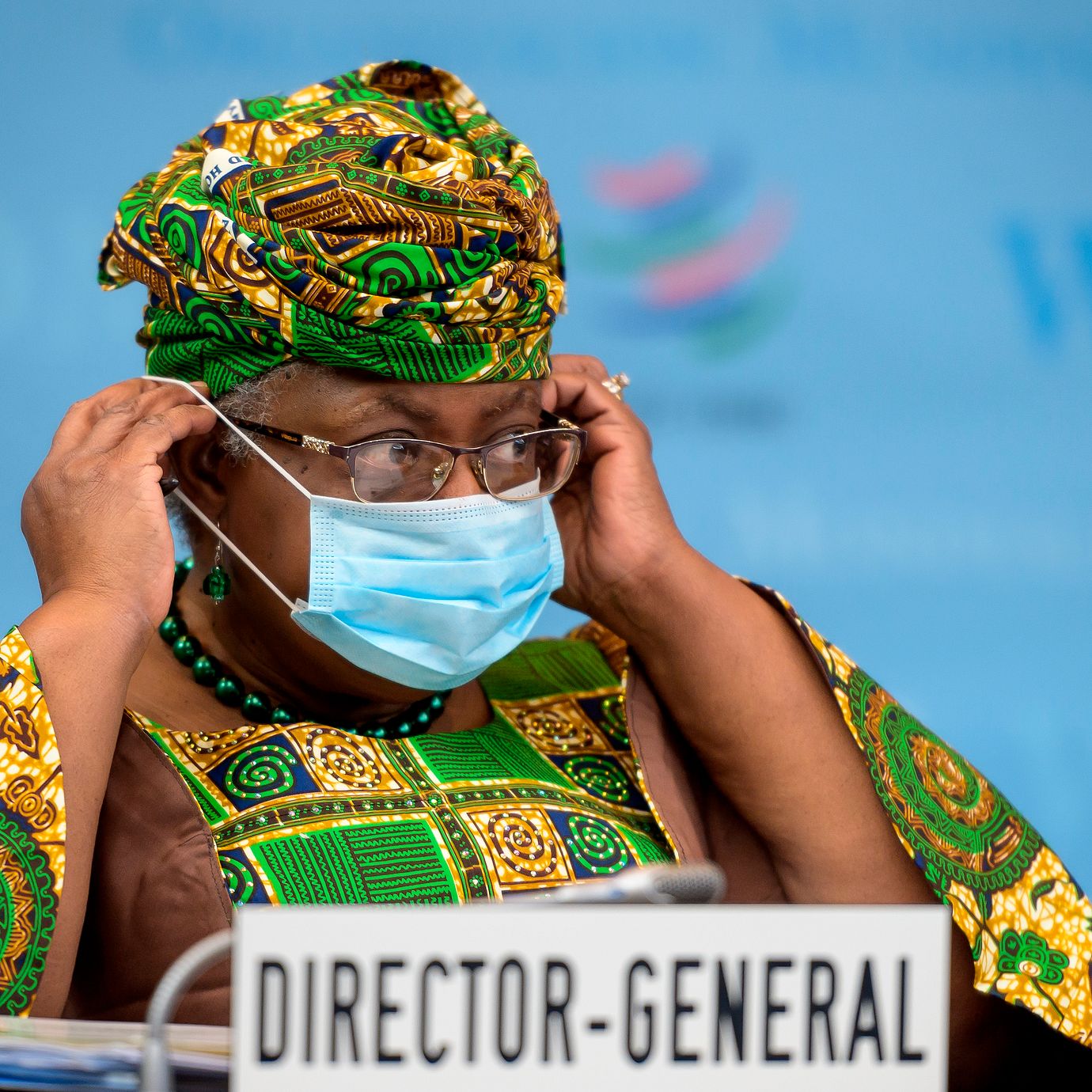
Ngozi Okonjo-Iweala
– Director-General, World Trade Organization
By Christine Lagarde
– Lagarde is president of the European Central Bank
Ngozi Okonjo-Iweala is as fierce and talented a competitor as she is a caring friend, and it came as no surprise to me when she was appointed to the helm of the WTO in March this year. With the pandemic disrupting an international trade network that was already being challenged by rising protectionism, and with vaccine nationalism a major threat to the global economy, the world needed a strong leader.
I have known Ngozi since 2005 and have seen her work tirelessly as a seasoned negotiator and crisis manager. Her 25 years at the World Bank demonstrated her resolve, including her handling of the food and financial crisis of 2008-09 and her determination to recover stolen assets. She has shattered glass ceilings with her complete competence, absolute integrity and good humour, becoming the first female finance minister and foreign minister in Nigeria, where she implemented tough reforms to enhance the transparency of the country’s public finances, and is the first woman and first African to lead the WTO.
Ngozi is a force to be reckoned with.
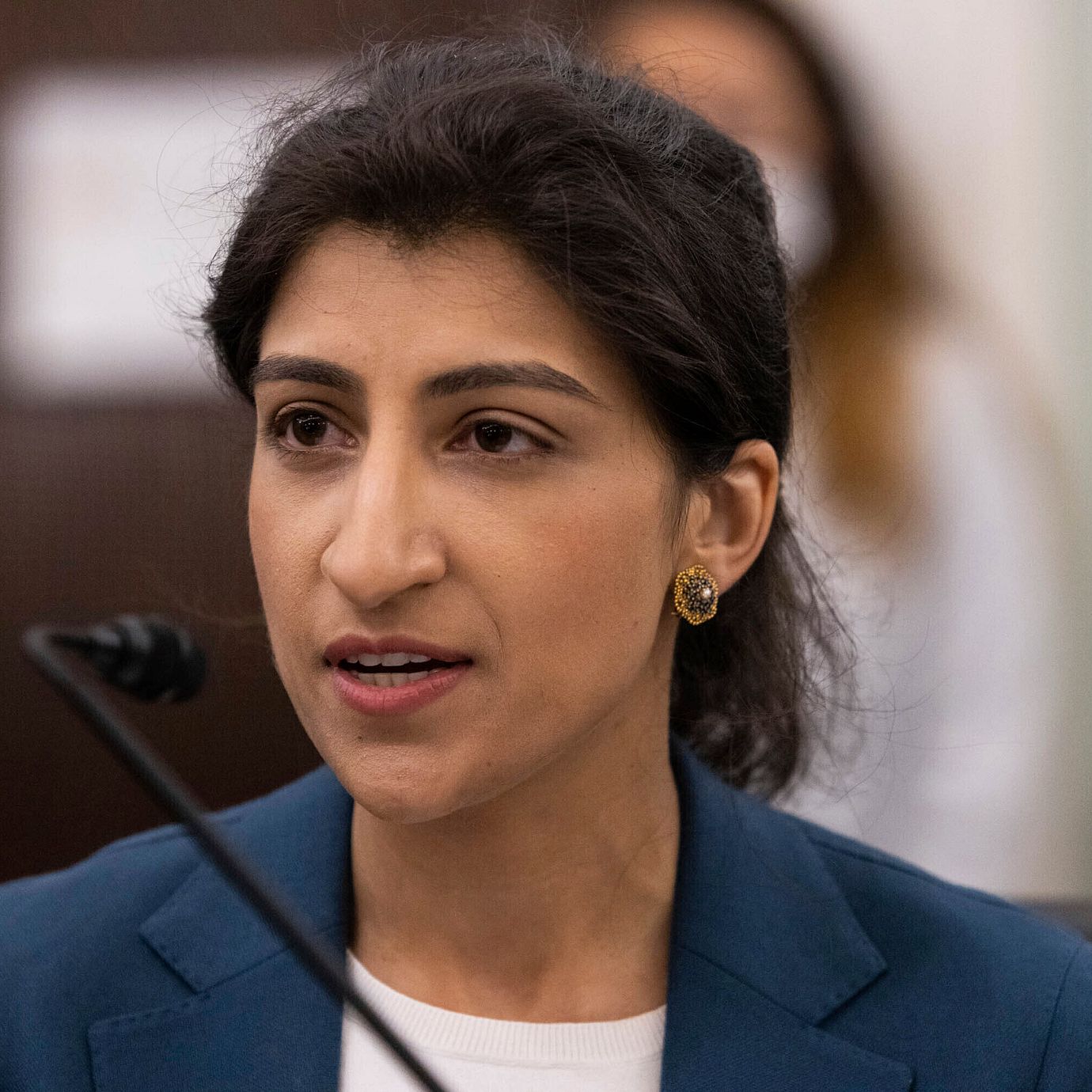
Lina Khan
– Chair, Federal Trade Commission
By Elizabeth Warren
– Warren is the senior United States senator from Massachusetts
For too long, giant companies have thrown their weight around to bulldoze competition, exploit their workers and crush consumers. Today’s Big Tech firms think they’re too big to be held accountable, but Lina Khan is proving them wrong.
As chair of the Federal Trade Commission, Lina brings deep expertise and needed innovation to antitrust enforcement as a fearless champion for consumers and workers. She is committed to restoring competition to our markets, and she understands that the first step must be addressing the rampant concentration we see across industries. Thankfully, Lina has the necessary courage and brilliance to take this fight to the worst dominant firms plaguing our society like Facebook and Amazon, and they deserve every bit of her scrutiny.
With chair Khan at the helm, we have a huge opportunity to make big, structural change by reviving antitrust enforcement and fighting monopolies that threaten our economy, our society and our democracy. There couldn’t be a better leader for this moment.
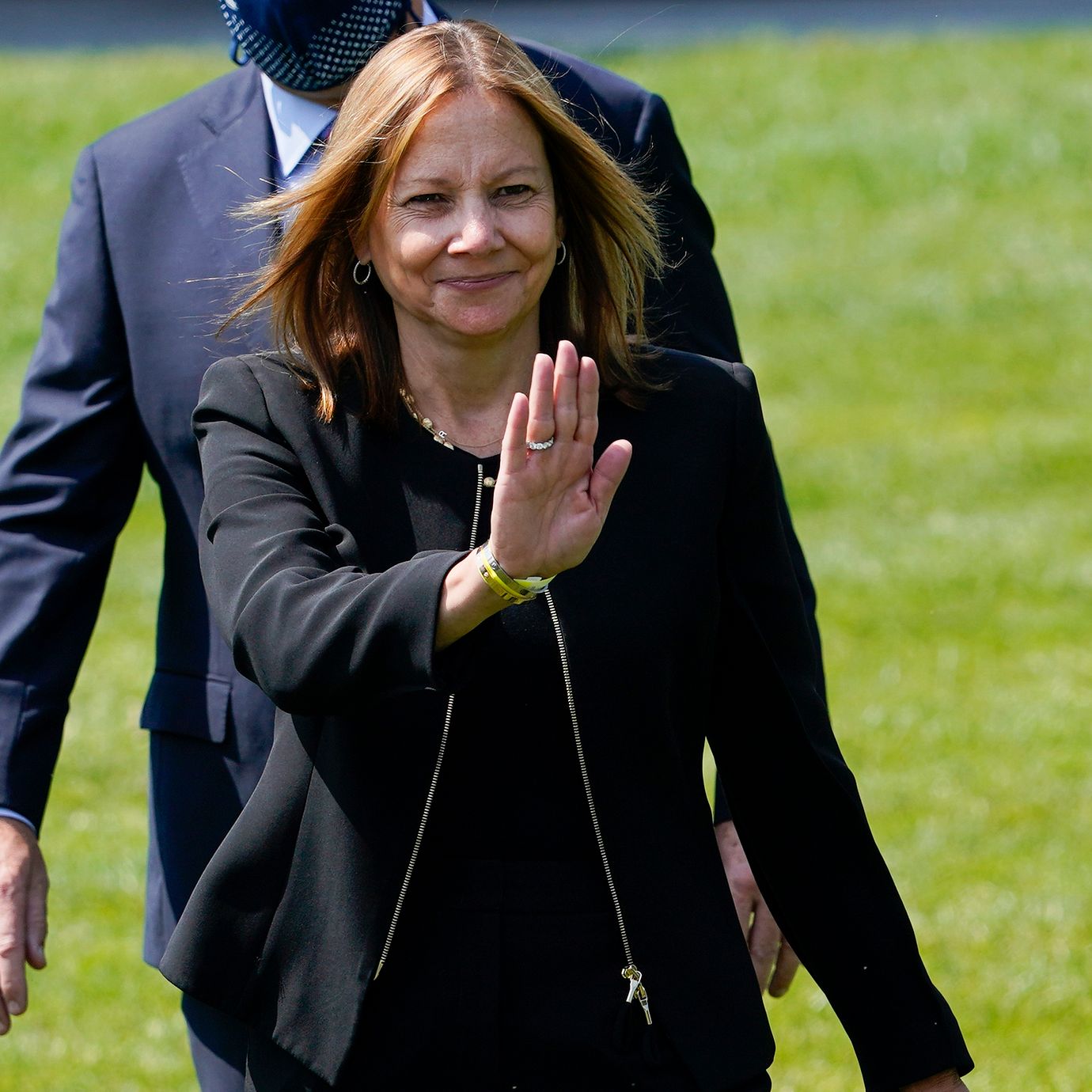
Mary Barra
– Chair and CEO, General Motors
By Jane Fraser
– Fraser is the CEO of Citigroup
What kind of car should Mary Barra drive? Perhaps the Corvette, an American classic reinvented for the 21st century, reflecting Barra’s own efforts to revolutionise General Motors. Or how about the Bolt? An innovative but pragmatic choice matching her no-nonsense, progressive management philosophy. Or maybe she’ll be one of the first to drive the new Hummer EV, part of her bullish gambit to electrify GM’s entire fleet by 2035.
The truth is, they all are iconic vehicles fit for a true icon of business, someone I’ve been fortunate to work with through the Business Roundtable (which she will soon chair) and someone who has inspired me and countless others with her norm-breaking, her ambitious vision for the auto industry, her leadership on climate and her championing of women, particularly her advocacy of Stem education for young girls.
Since 2014 she has led GM through tremendous challenges and change and is now determined to put the automaker back on top. So buckle up, it’s going to be a great ride.
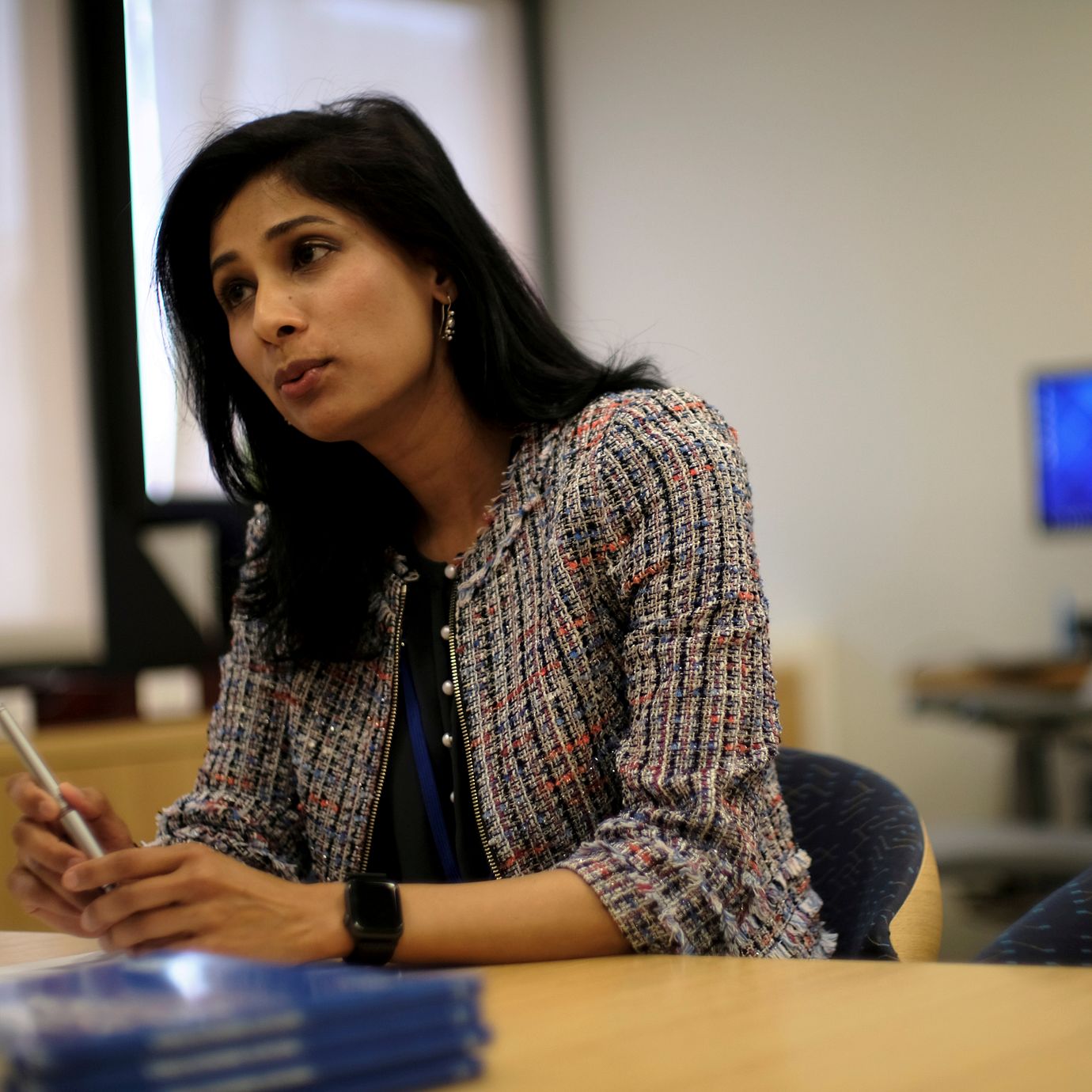
Gita Gopinath
– Chief Economist, IMF
By Minouche Shafik
– Shafik is a leading economist and director of the London School of Economics and Political Science
Gita’s tenure as chief economist at the IMF has been dominated by “the Great Lockdown”, a term she coined after the pandemic to describe the worst recession the world economy has faced since the Great Depression. She played a key role in shaping the fund’s response, first and foremost by placing an emphasis on doing “whatever it takes” to fight the pandemic, including massive fiscal support and spending on health. This was translated into emergency financing for 88 countries provided at great speed.
She also co-authored “The Pandemic Plan”, which showed how by vaccinating 40 per cent of the world’s most vulnerable population this year and 70 per cent by mid-2022, we could effectively end the Covid crisis with global funding of just $50bn (a rounding error compared to the amounts being spent by advanced economies on their domestic responses). While the world failed to deliver on this scale, Gita showed clearly that an internationally co-ordinated response would have been better for everyone.
She is driven by evidence and rigour, and that often means she thinks differently on issues ranging from managing international capital flows to the impact of climate change. I remember when I was lamenting the lack of women in macroeconomics and international finance, a previous chief economist of the IMF said to me “but macro is macho”. Gita proved that wrong by being the first woman to serve as chief economist at the IMF but also by showing you could take bold positions on big macroeconomic issues without being macho.
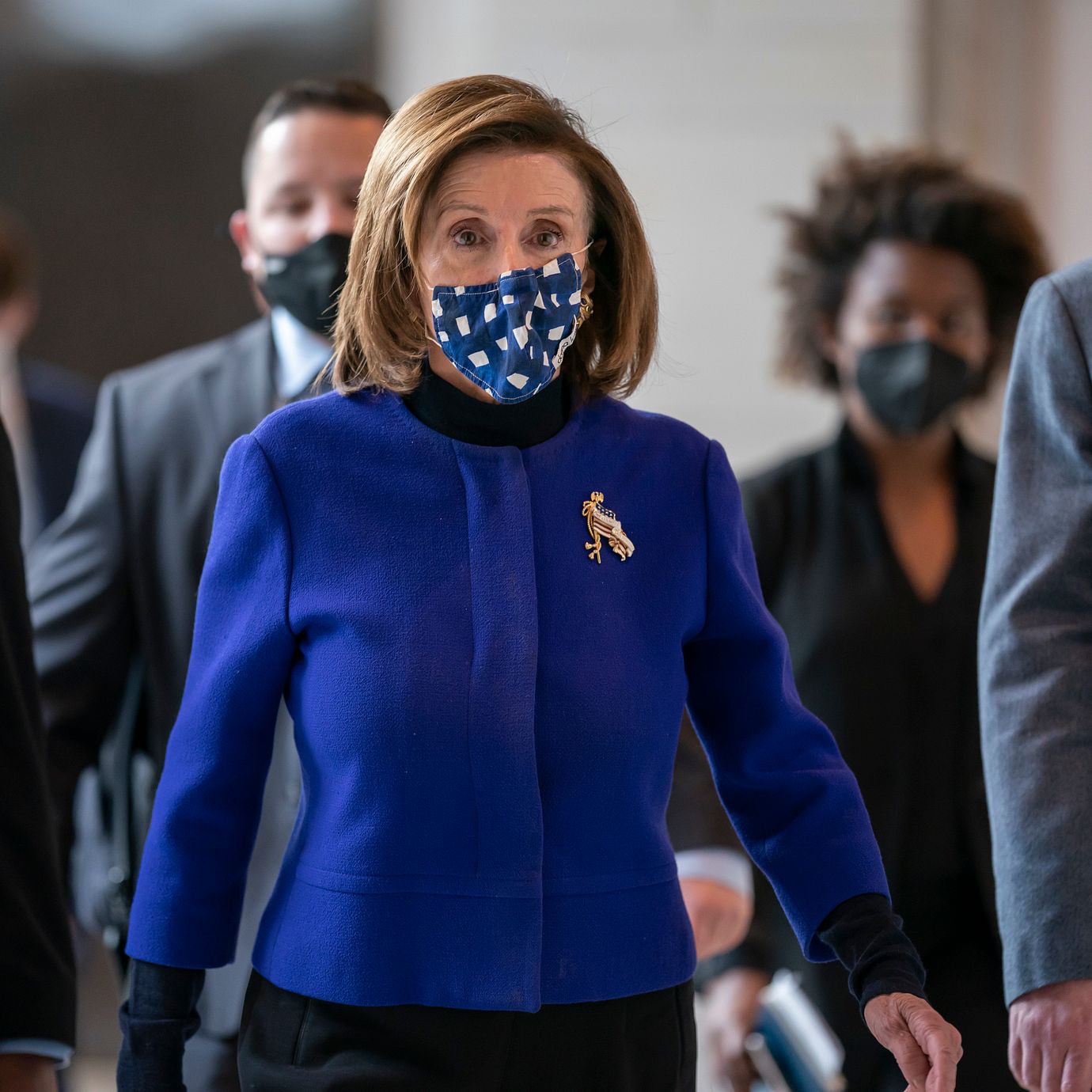
Nancy Pelosi Speaker
– United States House of Representatives
By Rana Foroohar
– Foroohar is the FT’s global business columnist
The nation’s first woman, first Californian and first Italian-American to become speaker of the house, Nancy Pelosi is, at 81, a unique figure in American politics — and she has brought her unique talents as a self-defined “master negotiator” to deliver for President Joe Biden his major legislative victories on the $1.9tn Covid relief package and, now, the $1tn infrastructure bill. Next up: pushing Biden’s $2.2tn Build Back Better initiative, which has just cleared Pelosi’s House, through the Senate.
That wouldn’t normally be her job, but she almost alone has been able to bridge her party’s daunting divide between House progressives and key Senate centrists like West Virginia’s Joe Manchin III. How? A safe-cracker’s touch. She recently sent to Manchin a private message literally on a silver platter — one given to her by her good friend, the late West Virginia senator Robert C Byrd, a hero of Manchin’s. “I thought he should see it,” she chuckled.
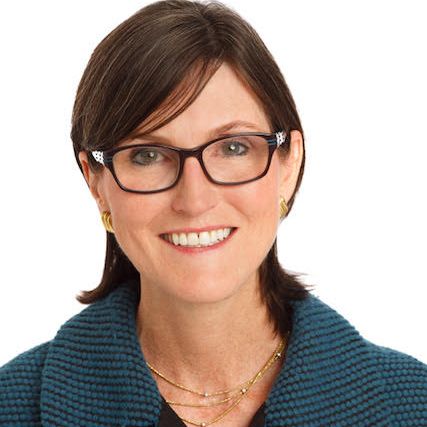
Cathie Wood
– Founder and CEO, Ark Investment Management
By Maria Bartiromo
– Bartiromo is the anchor of ‘Mornings with Maria’ on Fox Business Network and ‘Sunday Morning Futures’ on Fox News
In business, there are great investors, there are founders and there are visionaries. Cathie Wood happens to be all three.
She identifies and invests in what she calls disruptive innovation. She looks for companies that can do things better, faster, cheaper and break out into long runways of growth. She identifies the themes she believes can go the distance and create value, such as electric vehicles or robotics or telemedicine and cryptocurrency.
Cathie gained fame as a hot stockpicker with her early and aggressive call on Tesla, which she still bets will someday be worth $3tn, but her work and research go back decades. I got to know her in the 1990s during the dotcom boom and was impressed by her incredible grasp of the macro story and how to spot growth within it. She looks to invest early in the breakout stories that disrupt the status quo, the way she did in her own career. In just seven years, she has raised and now manages more than $60bn throughout seven ETFs. Last year five of her seven ETFs returned an average of 141 per cent and three were the top performers among all US funds. Her multibillion flagship Ark Innovation Fund has returned an average of nearly 45 per cent annually over the past five years.
It has been said that founders are hungrier than hired hands. They don’t see their work as a job. They blaze trails and bet everything on their vision. Cathie no doubt learnt how to be one from her parents who had the vision and courage to leave a place they knew and loved in Ireland, immigrating to America for the promise of opportunity. Today Cathie is blazing new trails and living her own American dream.
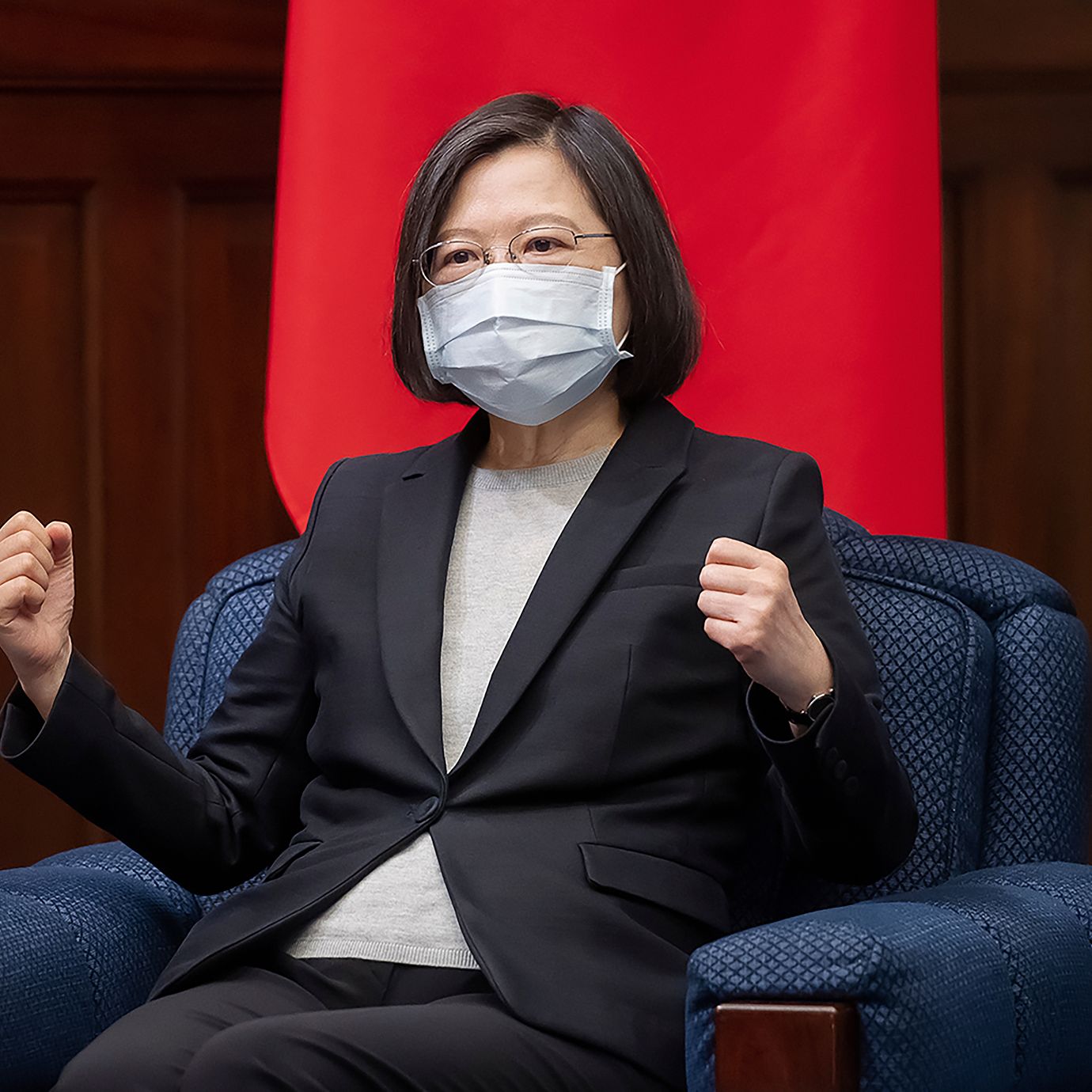
Tsai Ing-Wen
– President, Taiwan
By Carrie Gracie
– Gracie is a journalist, former BBC China editor and author
Tsai Ing-wen says Taiwan’s story is one of resilience: its commitment to democracy in the face of a mounting challenge to its existence. In 2021, the president of Taiwan has herself epitomised that resilience, coolly navigating the dangers of the country’s position on the geopolitical faultline between authoritarianism and democracy.
The United States’ faltering response to Covid-19, its domestic political turmoil and its chaotic withdrawal from Afghanistan have all served to reinforce Beijing’s growing confidence that US global power and credibility are on the wane. With Taiwan central to any future contest for supremacy in East Asia, there is no nuance in Beijing’s increasingly assertive shows of military might around the island.
But unlike so many of the world’s political and business leaders who self-censor at the first hint of displeasure from Beijing, Tsai does not buckle in the face of intimidation. Nor does she antagonise. Instead she continues to articulate, and to demonstrate through her own style of leadership, how Taiwan’s values are distinct from those of its giant neighbour. Her leadership offers a lesson for all of us: how to respect Chinese interests without selling out our own.
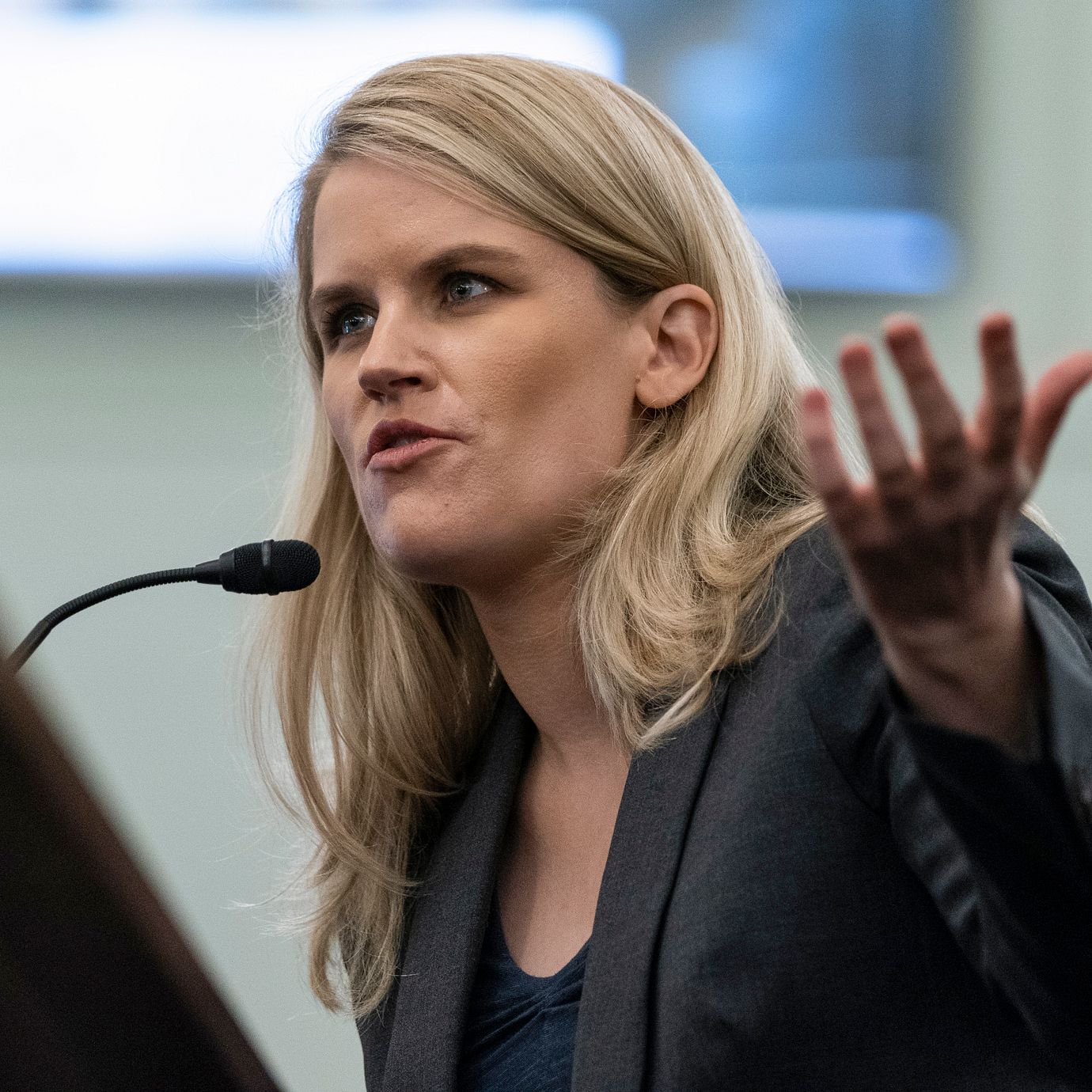
Frances Haugen
– Data scientist and whistleblower
By Shosana Zuboff
– Zuboff is the author of “The Age of Surveillance Capitalism” and the Charles Edward Wilson professor emerita at Harvard Business School
Frances Haugen is a daughter of the American prairie whose courageous gift to the world has been an ice-cold shower of incontestable facts smuggled from the heart of the Facebook empire, written in the words of its people and shining an unflinching light on the destructive powers of its supreme leader, Mark Zuckerberg. Despite her Harvard MBA and career in Silicon Valley, Frances retained the humanity, common sense and moral bearings to feel outrage at Facebook’s economic logic that pits profits against “what was good for the public”.
Facebook reached trillion-dollar status in a decade by applying surveillance capitalism — a system built on the secret extraction and manipulation of data — to Zuckerberg’s vision of total human connection. Frances’s revelations delivered shock and awe precisely because surveillance capitalism is secret. Its success relies upon hidden machine operations and corporate rhetoric designed to conceal its trail of social wreckage: the destruction of privacy, poisoned social discourse, defactualised information and weakened institutions.
While democracy was lulled into complacency, Facebook and a handful of surveillance capitalist giants achieved control over global information flows and communication, unconstrained by public law. A dedicated cadre of scholars and journalists relying on informants, leaked documents and painstaking research has documented this web of deceit. Now Frances has delivered the ledger books and personal witness that cannot be ignored.
She undertook substantial risk to stir the world from slumber. The question is whether lawmakers will respond with the seriousness of purpose required to restore public governance to our information and communication realm.
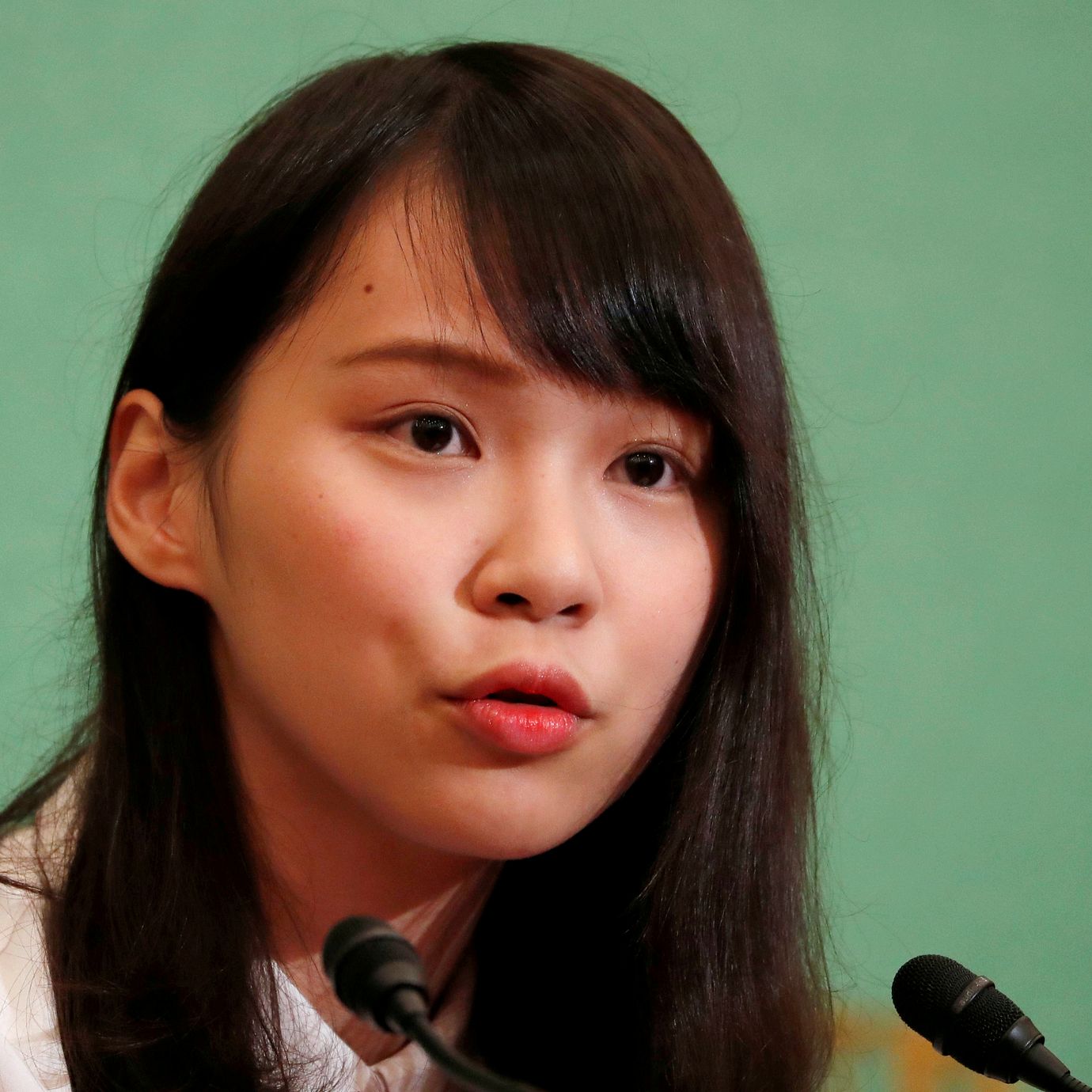
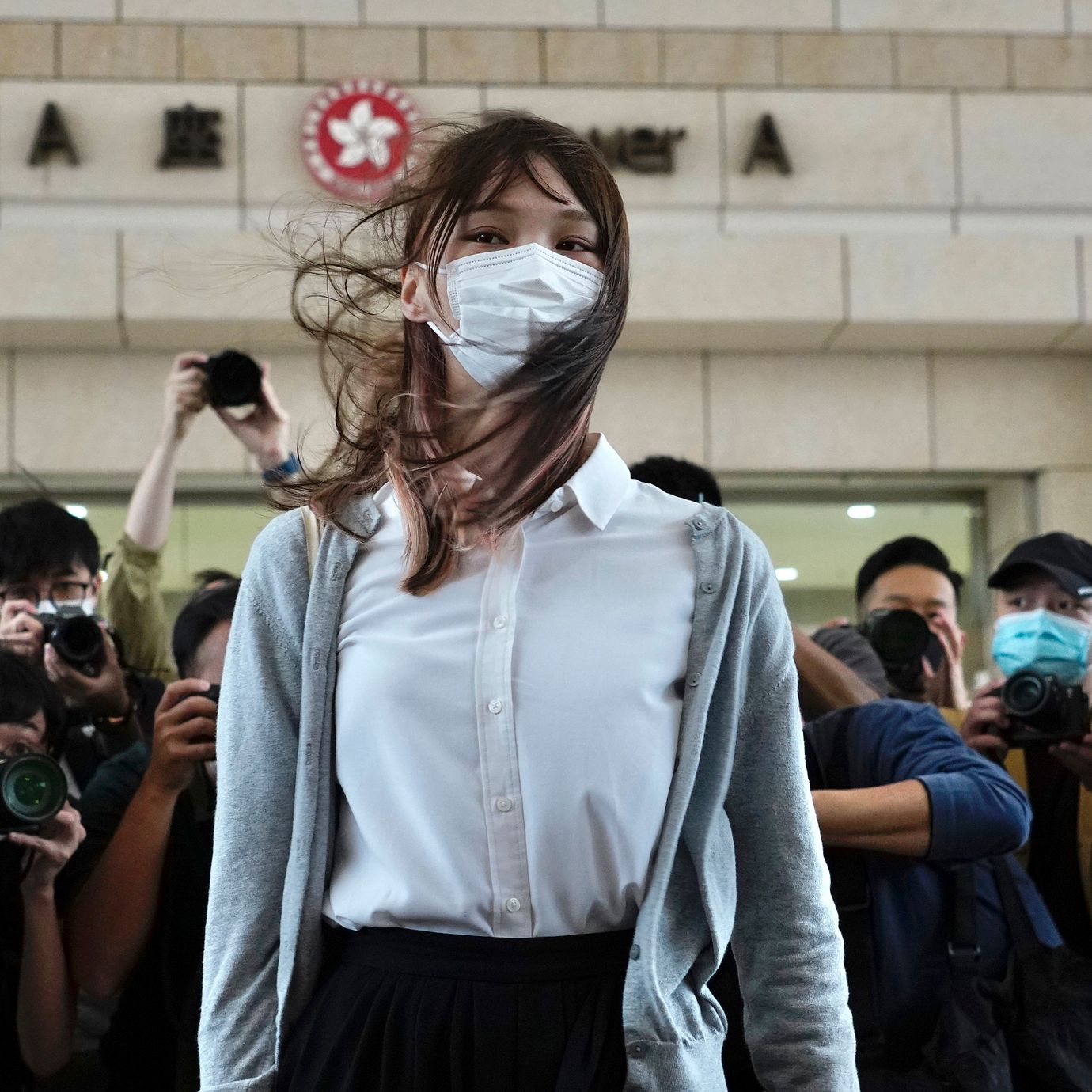
Agnes Chow
– Democracy activist
By Primprose Riordan
– Riordan is the FT’s South China correspondent based in Hong Kong
When Agnes Chow was just 15, she joined protests against the Hong Kong government’s plans to implement “moral and national education” in public schools, which activists had labelled “brainwashing”. The government backed down, and that victory helped pave the way for Chow’s subsequent political career as a high-profile advocate for democracy.
But now the tables have turned after China’s crackdown in Hong Kong. Her former political ally Joshua Wong is in jail and faces a series of court cases. Chow was arrested in August 2020 under Beijing’s tough national security law and served almost seven months in prison earlier this year on a separate charge relating to her role in an unauthorised assembly in 2019. Nationalist education, focused on a new security law that has crushed dissent, has been rolled out to children as young as six. I write this from a courtroom where 47 other democracy activists are on trial in part for trying to win an election.
Silenced, Chow is hardly forgotten. Scared of doorbells and doorknocks after multiple arrests, she left prison in June to the chants of her supporters yelling “Jia you!” or “Come on!” On her T-shirt were the words: “You are doing so great”.
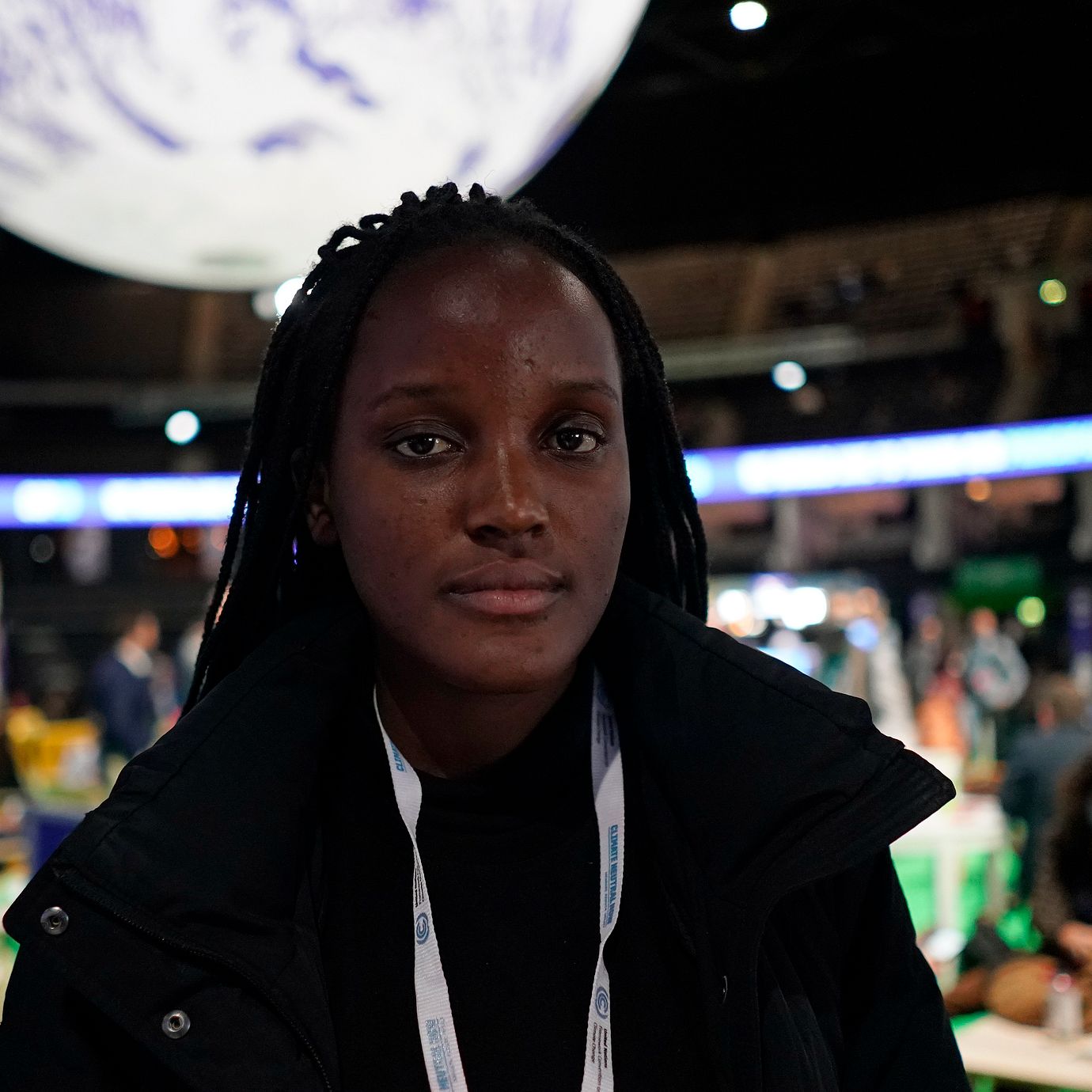
Vanessa Nakate
– Justice advocate
By Greta Thunberg
– Thunberg is an environmental activist
Vanessa’s voice in the climate debate is absolutely essential. In these times, when it feels like people are more focused on what they should say to be perceived as polite, rather than what actually needs to be said, Vanessa speaks truth to power. And she speaks for so many.
She’s saying we need to listen to science, and we need to listen to the most-affected people in the most-affected areas. We cannot drink oil, we cannot eat coal, we cannot adapt to extinction. Vanessa has said that she saw how the climate crisis was starting to affect the people in her surroundings, people she knew, so she took matters into her own hands and started to strike.
I’ve gotten to know Vanessa better recently and, even though she inspires me every day to do more, I see her above all as a friend who I really enjoy being with and care about. But of course she is much more than that, and listening to her has broadened my perspective. Vanessa is humble and kind. She is also very determined and you can see that when meeting with her. She knows where she wants to go.