Kinas aktieröta – rött skynke för politikerna i Peking
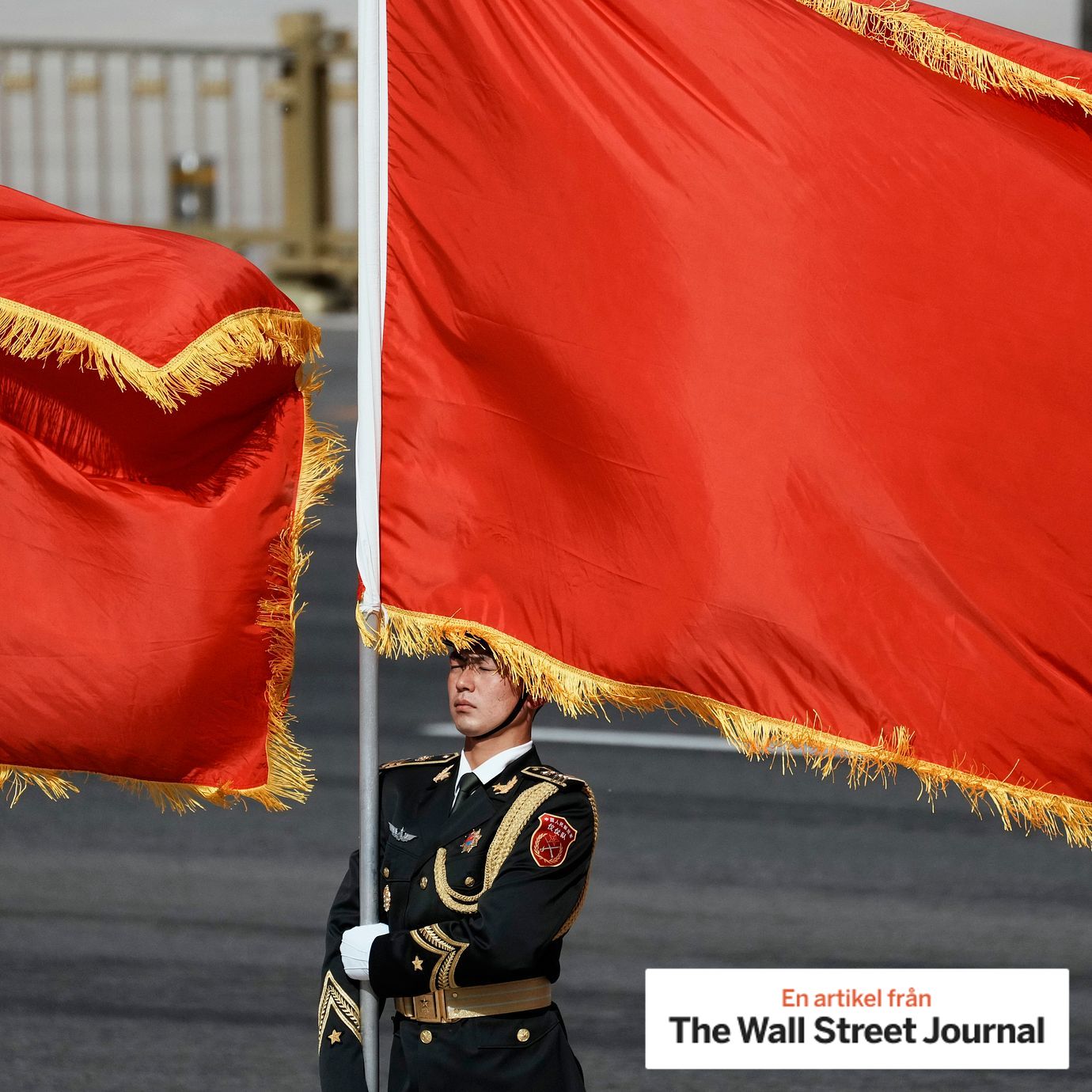
Kinas ledande index CSI 300 har tappat 30 procent av sitt värde sedan 2020. Nu syns tecken på att makthavarna i Kina är nervösa, skriver The Wall Street Journal. Sedan förra veckan har kapital flödat in i fem av Kinas största fonder, tack vare stödköp från Kinas ”landslag”, nationens största institutionella investerare.
Trots en officiell tillväxt på drygt 5 procent, i linje med målen, har marknaden inte förtroende för Kinas ekonomiska utveckling.
– Det bottenlösa prisfallet på aktier visar på en djup klyfta mellan makthavarnas retorik och marknadens misstro, säger en chefsstrateg till WSJ.
 The Wall Street Journal
China’s Stock-Market Rout Has Become a Political Problem
The country’s cabinet has urged action, and state firms have started buying.
China’s most powerful politicians are getting nervous about the stock market.
China’s benchmark CSI 300 has lost more than a third of its value since 2020, and is now entering its fourth year of declines. Hong Kong’s Hang Seng Index, which includes the shares of many big Chinese companies, has already fallen 10% this year, making it the worst-performing major stock index in Asia.
The selloff has fueled capital flight from foreign investors, pushed small investors in the country toward safer assets and encouraged emerging-markets-focused funds to adopt strategies that leave China out of their portfolios.
Beijing’s top officials are taking notice.
The State Council, the country’s top government body, said Monday that authorities should take stronger and more effective measures to stabilize markets and boost confidence. It called for better regulations, more transparency and an attempt to improve the quality of listed companies.
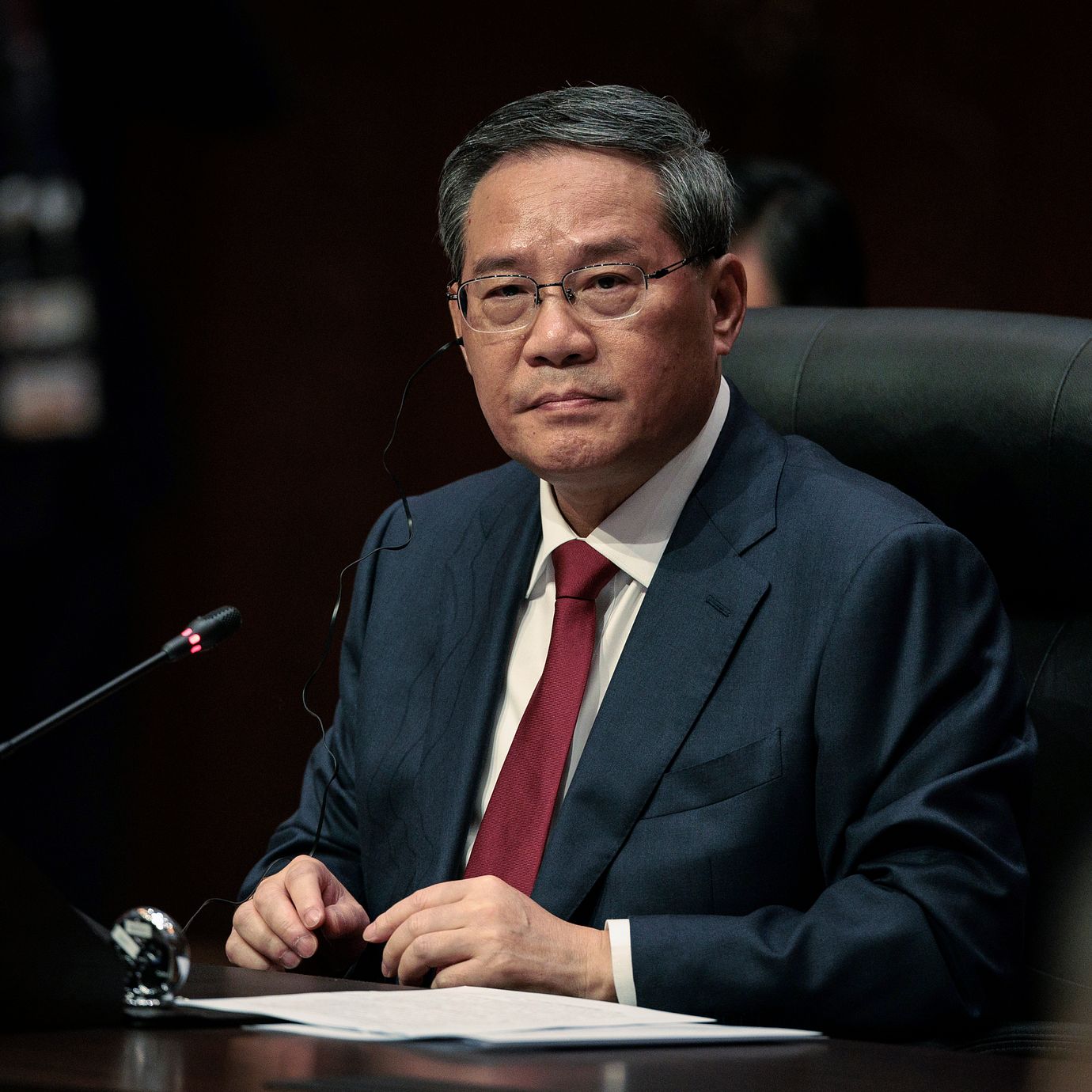
The cabinet meeting, which analysts said was a direct response to the stock market selloff, was chaired by Chinese Premier Li Qiang—the country’s No. 2 leader. It led to speculation that China is planning a big stimulus package to boost the stock market, although market participants said the details are murky.
Hong Kong’s benchmark Hang Seng Index rallied in response, closing the day up 2.6%—its best performance this year. In mainland China, the CSI 300 and Shanghai Composite indexes also closed slightly higher.
The meeting came days after stock analysts noticed another sign of strong government support: a rash of buying by the so-called national team, a group of state-linked firms that Beijing sometimes pushes to buy shares and other assets. The national team is typically defined by analysts to include insurers, pension funds and China’s sovereign-wealth fund.
“But let’s put it like this: the messaging for us matters more than the capital itself”
These investors started scooping up exchange-traded funds as early as last week, according to people familiar with the matter. Five of China’s biggest ETFs got a combined $5 billion of net inflows on Monday, the biggest on record, data from research firm Z-Ben Advisors shows.
“It remains uncertain how long that sort of capital deployment will last,” said Peter Alexander, founder of Z-Ben Advisors. “But let’s put it like this: the messaging for us matters more than the capital itself.”
The moves show the increasing sense of urgency in Beijing over the prolonged slide in stock prices, which has been fueled by doubts about the country’s economy.
China’s government has a love-hate relationship with the stock market. It has sometimes pushed back against big rallies and clamped down on speculation. But the government’s plans to transform its economy into one centered on technology will rely in part on many billions of dollars of capital being raised from stock-market investors.
China is grappling with deflation, weak consumer confidence and a prolonged slump in the real-estate market. Many economists started 2023 with a sense of optimism about the country’s post-Covid reopening, but they steadily lost faith after a string of disappointing economic data.
China’s economy grew 5.2% in 2023, according to official figures, roughly in line with the government’s target. Senior officials have tried to reassure foreign investors about the country’s long-term potential. At the World Economic Forum in Davos, Switzerland, earlier this month, Li said the economy could “handle the ups and downs” and talked up the benefits of investment in China.
But many investors aren’t convinced.
“The abysmal cheapening of equity valuations suggests a deep disconnect between the authorities’ repeated rhetoric about reaching real growth targets and the markets’ disbelief that nominal growth is anything but healthy,” said Aninda Mitra, BNY Mellon’s head of Asia macro and investment strategy. “This disconnect needs to be bridged, or at least addressed, for equity market conditions to turn around.”
“I believe the government will not stop finding ways to improve sentiment until the goal is achieved”
One of the concerns for investors is that China’s economic growth was for many years highly dependent on the property sector, which accounted for around a quarter of economic output, according to some estimates. Beijing has tried to encourage a shift away from real estate into other sectors, but the results so far are mixed at best.
The latest moves follow a raft of policy tweaks last year to support the market. The finance ministry cut a stock–trading tax to encourage China’s powerful army of mom-and-pop stock traders back to the market. The securities regulator promised to lower index-fund registration thresholds, and make it easier for foreign investors to buy stocks.
“I believe the government will not stop finding ways to improve sentiment until the goal is achieved,” said Jian Shi Cortesi, an investment director at GAM Investments.
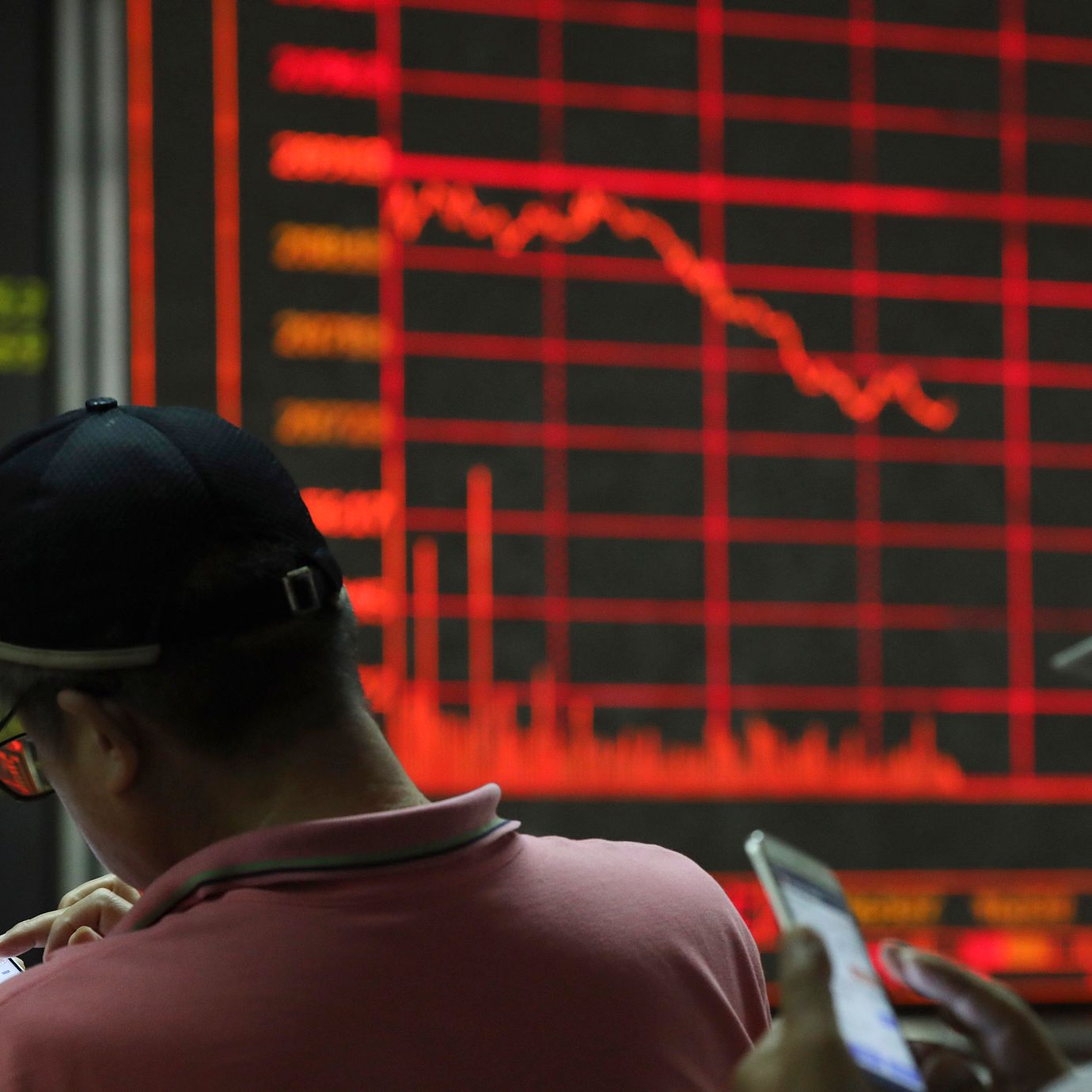
The selloff in Chinese stocks over the past year or so is particularly jarring because other markets have performed so well. U.S. stocks surged last year, and set record highs this week. Japan’s Nikkei 225 index rose 28% in 2023, and is now trading at its highest level for more than three decades. It is already up 9.1% so far this year.
Some individual investors in China have joined the rush to buy Japanese stocks. Four China-listed ETFs tracking the Nikkei 225 index recorded about $2.6 billion in trading volume last week, their busiest week of trading on record, according to Wind, a financial-data provider.
Late last year, Goldman Sachs analysts predicted the CSI 300 would rise around 16% in 2024. Analysts at JPMorgan Chase and Morgan Stanley also said Chinese shares were likely to go higher by the end of this year.