Låga jeans och magtröjor – generation Z letar efter recession i alla trender nu
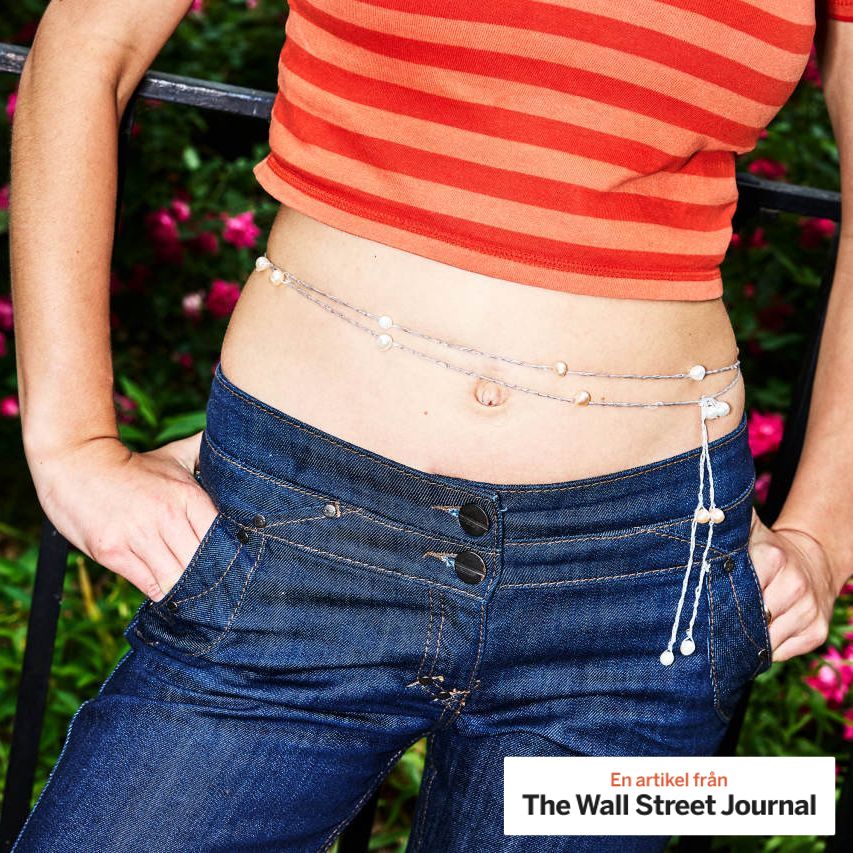
Glöm räntekurvor och arbetslöshetssiffror – i generation Z:s värld räcker det med ett par lågmidjade jeans eller Lady Gagas nya singel för att ana en ekonomisk kris.
Gwyneth Paltrow äter ost igen, ett hudvårdsmärke säljer ägg och t-shirtarna har blivit magtröjor. På Tiktok har jakten på recessionsindikatorer blivit en hobby där allt ses som ett tecken i tiden, skriver Wall Street Journal.
Det är halvt på allvar förstås för en generation som försöker tolka sin samtid med de verktyg de har: algoritmer, estetik och en hel del oro.
To Gen Z, Everything Is a Recession Indicator
Investors have long turned to offbeat economic gauges like underwear sales and the length of hemlines. Now, the TikTok generation is taking it to the next level.
At first, it was higher egg prices, declining demand for cardboard boxes and empty dance floors. Now, it’s low-rise jeans, flash mobs—even Lady Gaga’s return to pop music.
The TikTok generation’s search for signs of economic strain has expanded to include, well, just about everything.
To the extremely online, the portents of doom also include serif fonts, the popularity of press-on nails, messy buns, Lena Dunham’s latest public departure from New York and Gwyneth Paltrow’s decision to start eating cheese again. Responding to a seemingly innocuous social-media post with the phrase “recession indicator” has become a meme all its own.
Sometimes, the posts actually point to potentially troubling signs, like a recent partnership between DoorDash and Klarna that allows users to pay for meal deliveries in installments. More often, they simply spotlight a trend from the precrisis late aughts that has worked its way back around, like flash mobs or songs by “TiK ToK” singer Kesha.
“People need a narrative. They need something they can understand”
TikTokers aren’t the only Americans searching for clues in unconventional data, noting that government reports on inflation and the labor market can offer an incomplete or lagging picture of the economy. Investors big and small have parsed everything from credit-card delinquencies to shipping containers at the Port of Los Angeles.
Former Federal Reserve Chairman Alan Greenspan famously followed sales of men’s underwear, which fall when times are tough because, well, who’s gonna know? The Lipstick Effect, meanwhile, posits that women splurge on smaller luxuries when household budgets are tight, making increased sales a sign of economic trouble.

Pop culture isn’t bothering with those or even more traditional measures. People are eschewing Wall Street’s preferred examination of the Sahm Rule or Treasury yields to invent their very own. Glamour magazine unpacked the silly from the serious this month. Vogue detailed a more affordable grow-out-your-roots hairstyle called “recession blonde.” The Nashville Tennessean scoured pop songs for economic insights.
“People need a narrative. They need something they can understand,” said Christopher Clarke, an economist at Washington State University who posts regularly on TikTok and other social-media platforms. And if you’re an average person trying to understand the economy, he said, “you’re not going to use the yield curve.”
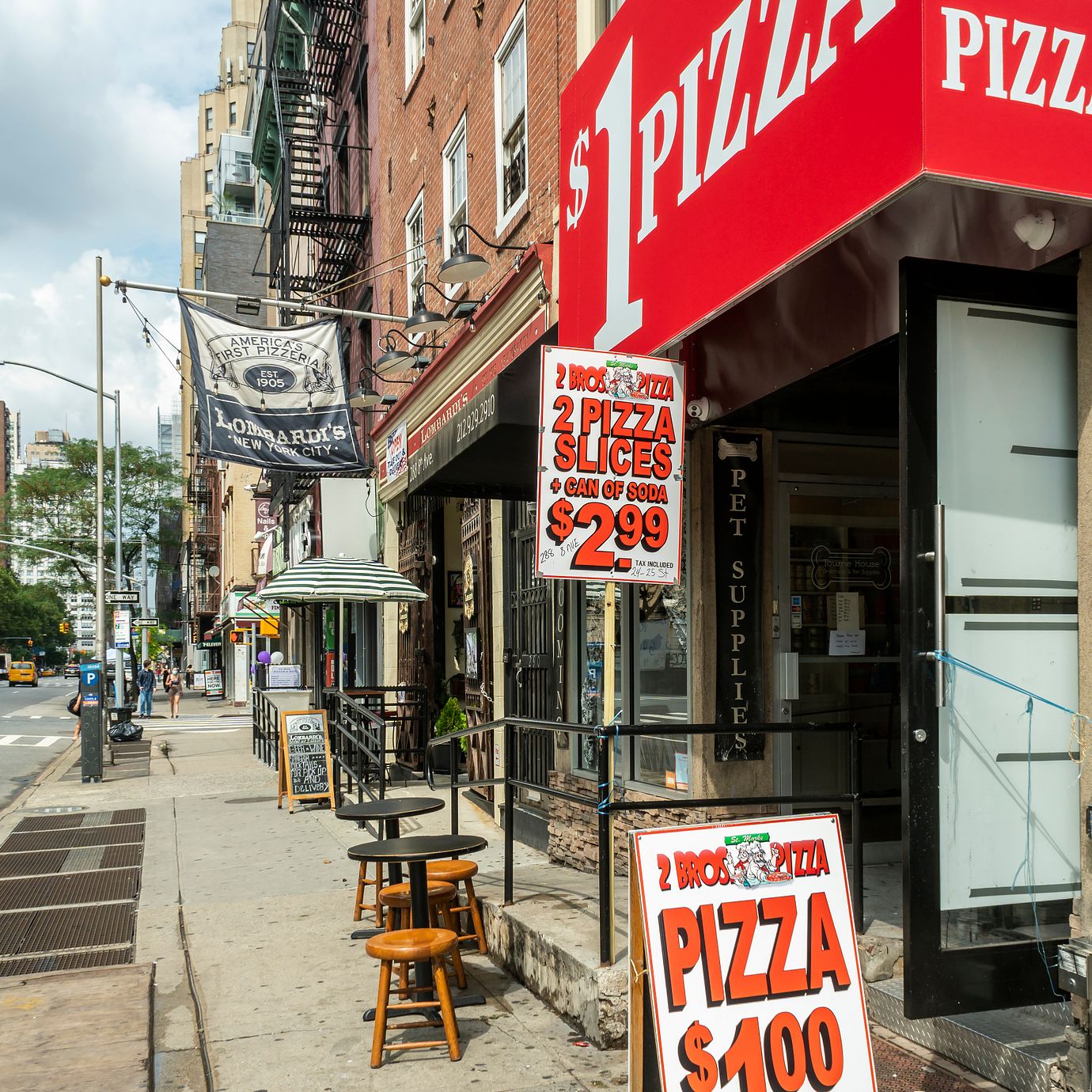
Even if pants styles or Paltrow’s dietary tweaks did happen to precede the next downturn, correlation doesn’t equal causation, as economic data wonks have often griped. One money manager once demonstrated that the production of butter in Bangladesh could technically “explain” much of the variation in the annual returns of the S&P 500.
But meme indicators are sometimes connected to potentially meaningful trends, like shifts in household spending. Some observers point to emptier bars and nightclubs as evidence that more consumers are cutting back. A skin-care company selling eggs could be a sign that essential goods are becoming luxuries, while the popularity of press-on nails might stem from customers cutting back on manicures.
“Most of the time when people are talking about the economy, it’s a bad sign”
Others have observed that declining tips at strip clubs —subject of a viral tweet in 2022—could signal a decline in discretionary income. But a nightlife slowdown isn’t showing up in the data: Revenue at bars and nightclubs in the U.S. increased between 2023 and 2024, according to a February report from IBISWorld, and is set to rise again this year.
Some “recession indicators” might have a less direct relationship to economic behavior. Music fans suggest the recently classified “recessionpop” genre and the resurgence of artists like Lady Gaga and Kesha—two singers who ruled the radio during the Great Recession—could portend another crisis.
Another example: the renewed popularity of formal workwear. One theory is that people feel less secure in their jobs and therefore more pressure to present themselves professionally.
It isn’t the first time people have turned to fashion for financial clues. Armchair economists have long cited the Hemline Index, which dates back to the early 20th century and hypothesizes that women’s skirts get longer when the economy is worse.
Research has challenged the theory. That hasn’t kept data analyst Madé Lapuerta from tracking the trend. Fashion “is closely linked with how people are feeling,” said Lapuerta, who runs the Instagram account DataButMakeItFashion.
“[Trends] don’t have to be the only indicator or the strongest one, but they tell us something,” she said.
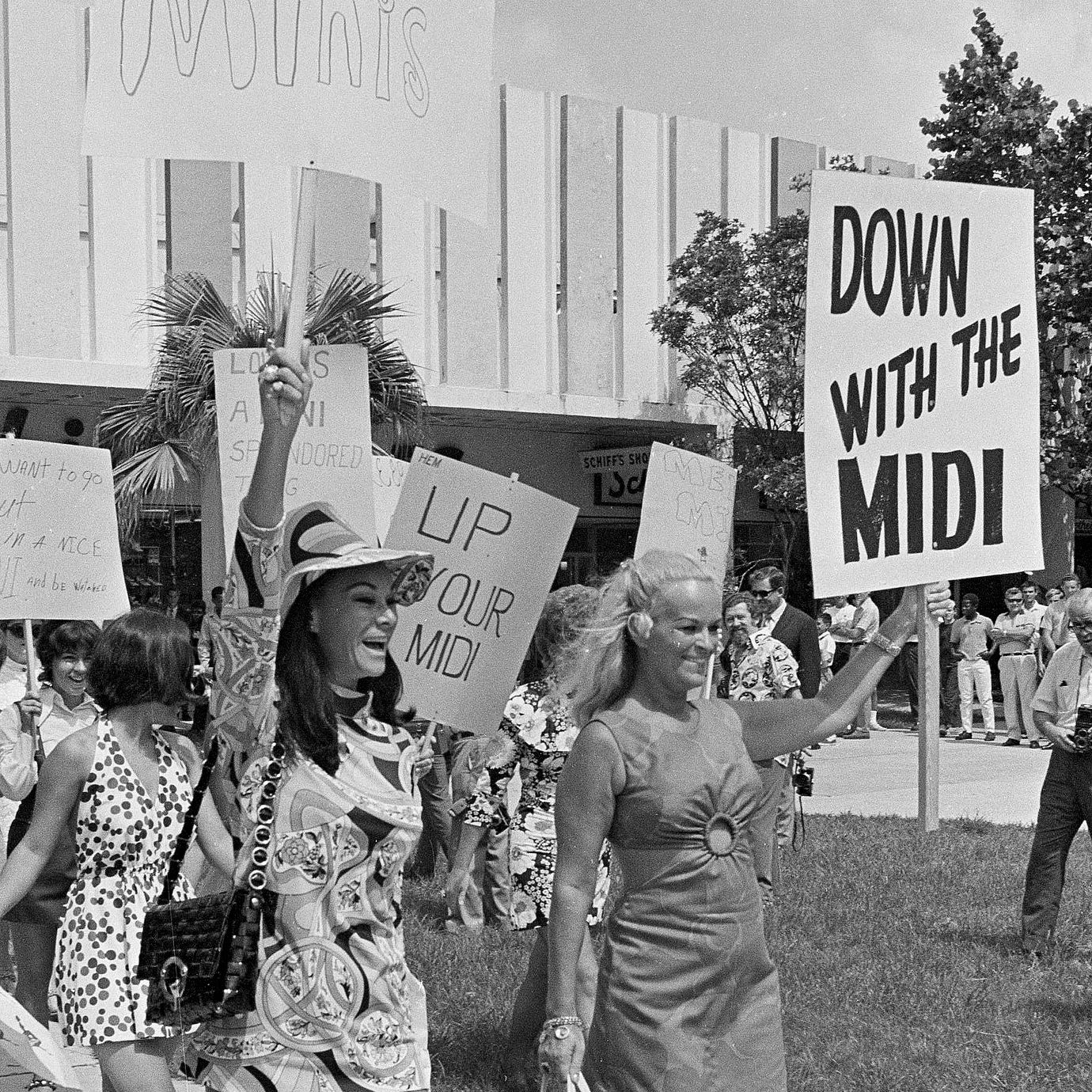
At the end of March, Lapuerta made a post warning users that some classic, recession-affiliated fashion trends—like business casual and, yes, longer skirts—were making a comeback. Maxi skirts had nearly quadrupled in popularity over the past week, while corporate fashion had shot up 39%. “This is MY stock market,” she wrote.
A few weeks later, the actual stock market tanked. The S&P 500 fell 9% in one week following President Trump’s early April tariff announcement, though the market eventually recovered.
Some might call that a coincidence. Lapuerta sees it as evidence that economic insight might be hiding in unexpected places. “A correlation is still interesting to look at,” she said.
Can cultural shifts—in fashion, film or music—actually predict where the economy is headed? Economists say it’s unlikely. But talk of recession has a habit of turning into a self-fulfilling prophecy: households or businesses can pull back spending because of economic concerns, eventually spurring the very recession they feared. It’s one reason why Wall Street is so reticent about “the R word.”
In that sense, it could be that all this talk about recession indicators is actually the biggest recession indicator of them all.
“At the minimum, people are anxious,” said Sean Monahan, a trend forecaster who has written about the way the economic mood influences fashion trends. “Most of the time when people are talking about the economy, it’s a bad sign.”