Länder i Afrika vill ha mer än AI:s baksidor

Hajpen kring generativ AI hotar att förstärka USA:s ock Kinas dominans över sektorn, medan Afrika hamnar på efterkälken och får ta hand om de negativa konsekvenserna, som exempelvis ökad desinformation i samband med afrikanska val. Det skriver Wall Street Journal, som rapporterar från en global AI-konferens med över 2 000 deltagare i Kigali, Rwanda.
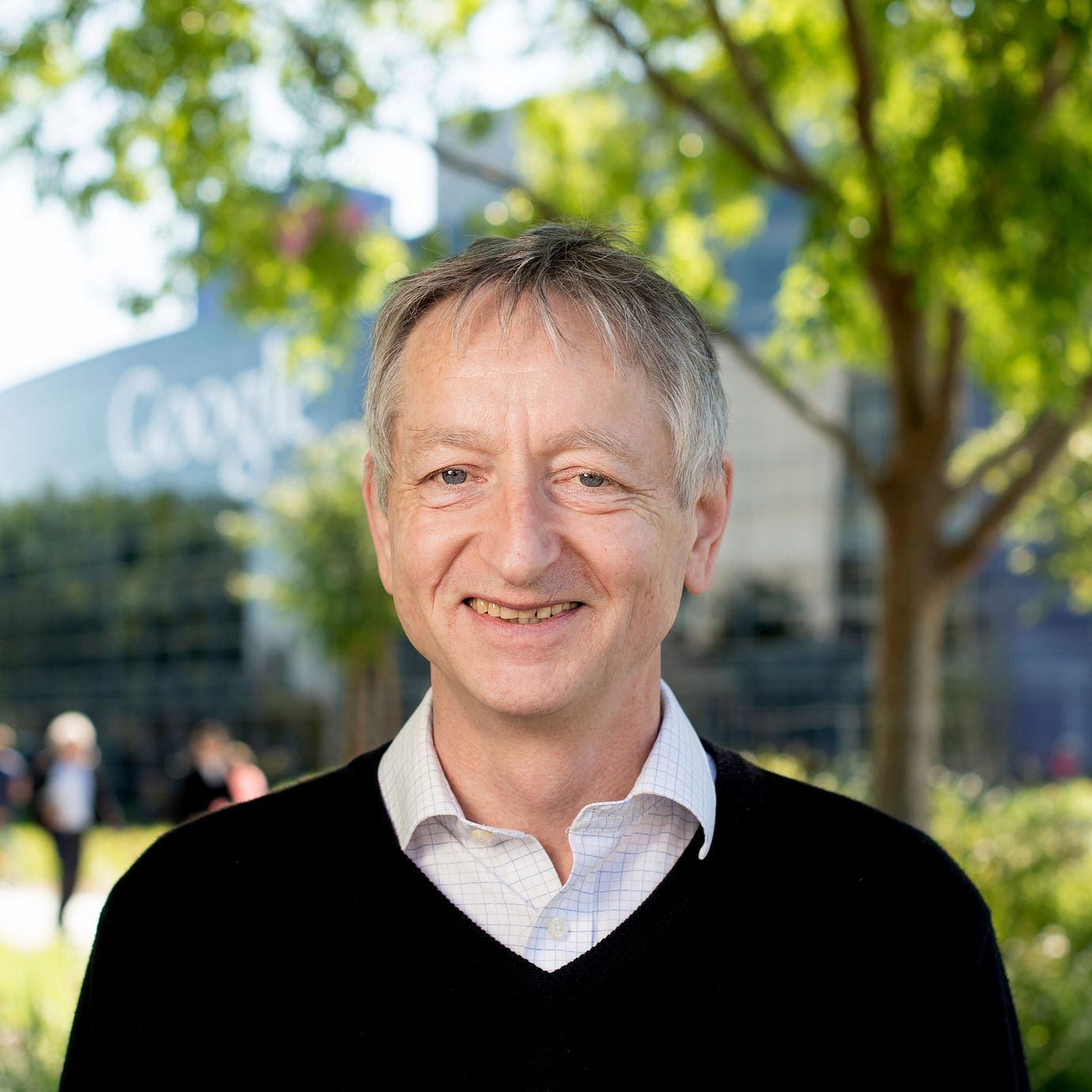
I måndags lämnade Geoffrey Hinton, en av ”AI:s gudfäder”, sin anställning på Google för att kunna tala med öppet om riskerna med AI. Men det handlar inte bara om risker, utan också om att söka tillämpningar som kan vara till social, ekonomisk och ekologisk nytta i utvecklingsländer, säger en av deltagarna i ICLR.
 The Wall Street Journal
AI Researchers Worry the U.S. and China Will Leave Everyone Else Behind
Conference in Africa focuses on AI’s promise and peril for less wealthy nations after ChatGPT sparked frenzy among big tech companies.
KIGALI, Rwanda. Amid growing talk of the promise and peril of artificial intelligence, more than 2,000 researchers and engineers from around the world gathered in Rwanda this week to debate contrasting visions for the technology’s future.
One vision is to build ever-more-powerful systems such as ChatGPT that aim to exceed human intelligence to boost worker productivity and economic growth. The other is to create more-targeted, small-scale AI solutions to local and global challenges, including tackling climate change, improving healthcare and preserving biodiversity.
The competition of ideas was in part a design feature of this year’s convening of a major AI research conference in Africa for the first time. The organizers wanted researchers, predominantly from the U.S. and China and wealthy corporations, to reckon with the realities of societal problems present on the continent, while giving African researchers a voice in the discussion.
“It’s become obvious that in order to bring the potential benefits of AI to everyone, we need everyone to be part of it,” said Yoshua Bengio, nicknamed one of the godfathers of AI, who sits on the conference organizers’ board and was among those who pushed to locate it in Africa.
The arrival of ChatGPT months before the gathering has added urgency to discussions on the trajectory of AI and its near- and long-term impacts. Its release kicked off a global frenzy among the biggest tech companies from Google to Baidu to develop their own so-called generative AI technologies, software that produces text and images that is stirring worries about job replacement and the rapid proliferation of misinformation.
Largely absent in Kigali yet present on everyone’s lips was ChatGPT developer OpenAI, which has polarized the global AI community over whether to embrace or resist the company’s trajectory.
On Monday, Geoffrey Hinton, another “godfather of AI” who wasn’t in Rwanda, said he was leaving Google to speak more freely about the risks of AI development. Mr. Hinton has said in media interviews that he is concerned about the long-term existential threats of the technology to humanity.
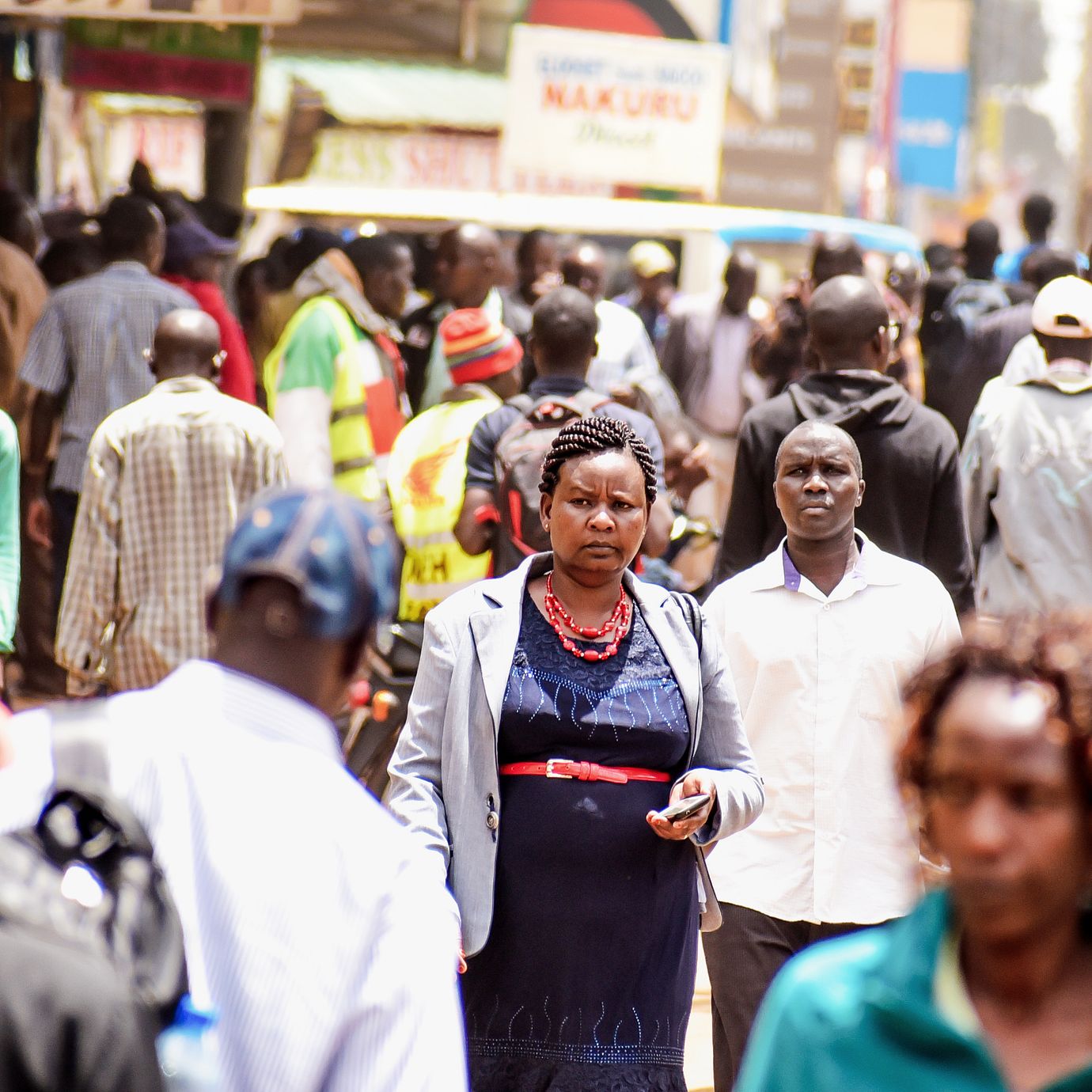
At the conference, many researchers from Africa and other developing and minority populations said they were instead concerned about the immediate challenges that AI poses to their societies.
The current trend toward generative AI models threatens to exacerbate the dominance of the U.S. and China in AI development, leaving Africa behind or having to deal with the problems it creates, the researchers said. Such consequences include facing greater disinformation in African elections and the disappearance of their languages in digital technologies, they said.
Many researchers were also concerned about the lagging development of beneficial AI solutions that could help improve the basic quality of life for people around the world.
Girmaw Abebe Tadesse, an Ethiopian researcher in Microsoft’s Nairobi, Kenya, office, highlighted the critical data issues—such as error-filled medical forms—that hold back AI development for improving maternal care and eliminating child mortality in developing countries.
He also presented success stories including one that combined high-quality data with statistical analyses to discover that the southern region of Nigeria had a lower child mortality rate than the country’s average. It enabled researchers to engage in more-focused investigations as to why and devise solutions for elsewhere.
Others presented work on using satellite imagery to understand racial disparities in access to public parks and health facilities, using sensors and mathematical models to improve power-grid maintenance and using computer vision to detect agricultural diseases.
”[t]here are not enough discussions about what we need to do to put AI to really good use”
Mr. Bengio said he hoped this year’s conference setting would provoke researchers to move away from profit-driven AI advancements toward AI for social good applications.
“There have been a lot of discussions about the risks of AI, and I’ve been part of those discussions,” he said. “But there are not enough discussions about what we need to do to put AI to really good use.”
There were 261 attendees who self-identified as coming from Africa, up from only 16 in 2019, the last time the annual International Conference on Learning Representations, or ICLR (pronounced i-clear), was held in person before the pandemic, the organizers said.
Over the years, the largest and most prestigious annual AI research conferences have typically been held in the U.S. or Canada, close to Silicon Valley, which remains an outsize force in AI research.
African researchers were often unable to attend as they had trouble getting visas, drawing criticism over an absence of their perspectives in developing one of the most powerful and transformative technologies.
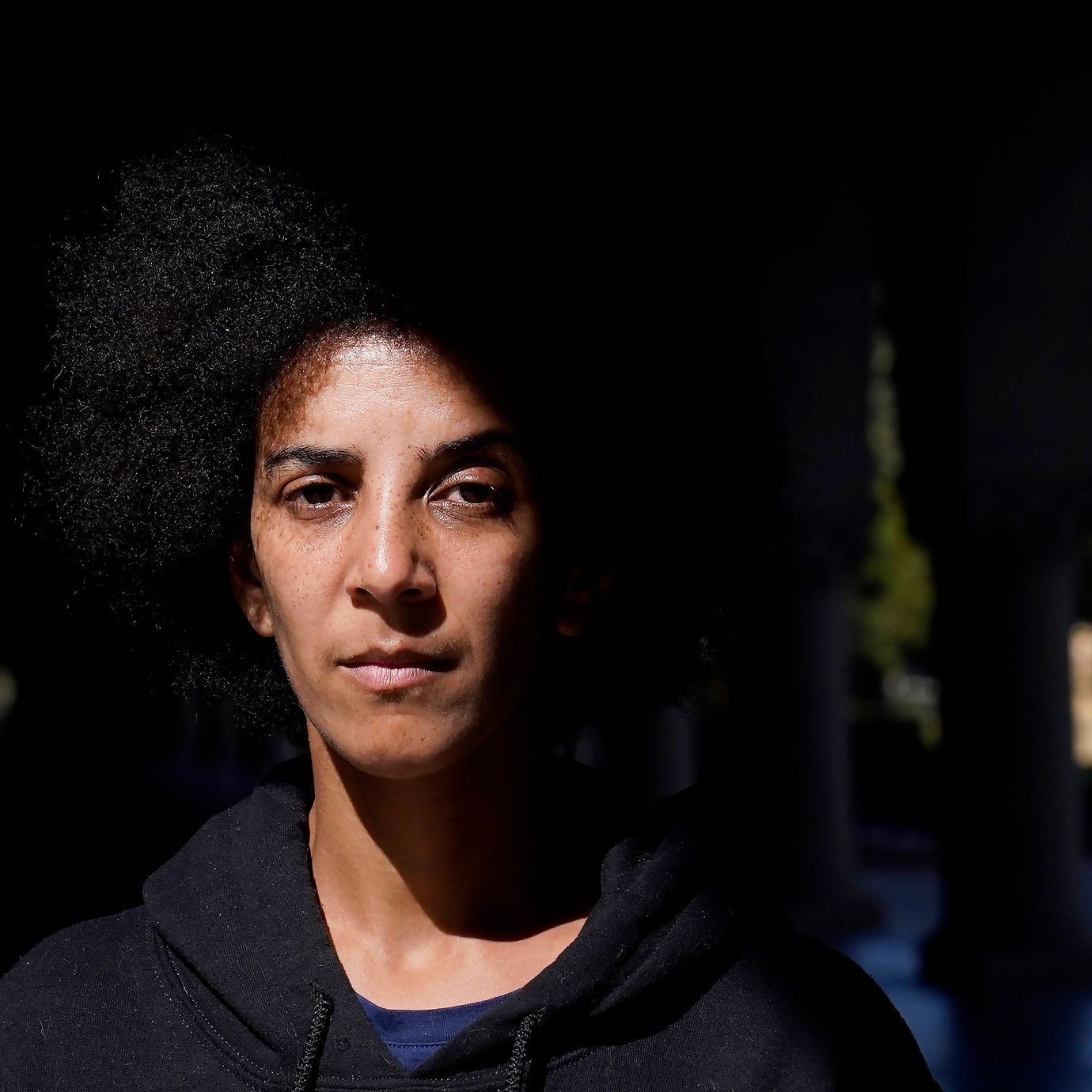
Prominent researchers, including AI ethicist Timnit Gebru, have pointed to the concentration of research into a few dominant players in Silicon Valley and the lack of inclusion of non-Western researchers or those from marginalized groups. In 2017, Ms. Gebru, who grew up in Ethiopia before arriving in the U.S. as a refugee, founded an affinity group called Black in AI to bring more diversity into the community.
Rwanda typically gives visas to researchers, regardless of company or country. The country, marred by brutal genocide in 1994, is now a budding hub of African AI research through new research centers and government programs aimed at attracting international talent.
The resulting mix was a study in contrasts: Huawei employees chatted with Google counterparts despite U.S.-China tech tensions, resource-strapped academics lamented to friends at wealthy companies and African researchers challenged Western peers to look beyond the perspectives of coastal elites in developed countries.
“This will be the last conference not dominated by large language model research”
On Friday, Ms. Gebru hosted a panel on the limitations of large language models—the technology that underpins ChatGPT—in handling African languages, which have been increasingly excluded from the digital world because of a lack of data needed for current AI technologies. Ms. Gebru gained public prominence when she said she was fired by Google after she co-wrote a paper criticizing the exploding resource demands and environmental impacts of such models, which also underpin Google’s search engine. Internally, Google characterized her departure as a resignation.
During a separate panel, Vukosi Marivate, the data science chair at the University of Pretoria in South Africa and program chair of the conference, said African researchers were fighting the threat of losing their native languages.
“We’re racing against the clock” before English takes over and African languages cease to exist, he said after the event.
Despite being thousands of miles from Silicon Valley, there was no escaping the allure of large language models and generative AI such as ChatGPT. Researchers packed lecture halls for related sessions, sitting on the floor and leaning against the wall, with one perched on his suitcase after rushing straight from the airport.
Many researchers said they were amazed by OpenAI’s results, convincing them to aggressively scale their own models. Mickel Liu, a third-year Ph.D. student at Peking University in Beijing, said he plans to switch his focus over to generative AI to join the most exciting research direction.
“This will be the last conference not dominated by large language model research,” he said.