Matleveransföretagen tvingas tänka om för att överleva
Matleveransföretagens främsta sätt att konkurrera har varit rabatter och snabbhet, men den kombinationen har visat sig ohållbar, skriver Bloomberg.
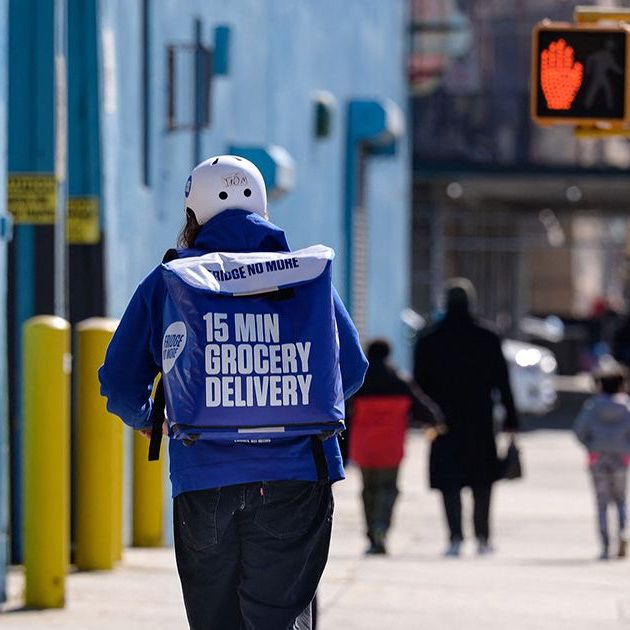
I kampen om kunderna ger bolag som Getir, Gopuff och Gorillas rabatter på över hälften av alla köp. Samtidigt vill de slå varandra på fingrarna med snabbhet och lovar kunderna maten inom 15 minuter. Men att leva upp till löftet har inneburit stora personalkostnader och underhåll av många små distributionscenter. Det är också skälet till att flera har gått under de senaste månaderna, som Fridge No More och 1520. De som har överlevt tvingas tänka om.
The 15-Minute Ultrafast Delivery Craze Slams Into Reality
Consumers love to get their orders in a hurry, but the business model is under strain.
Jackie Davalos and Ivan Levingston, Bloomberg Businessweek, 8 April 2022
One beneficiary of New York City’s recent boom in grocery delivery apps has been Giovanna Antoniazzi, a 27-year-old student at Columbia’s School of International and Public Affairs. Cashing in on promotions of $25 in credit and referring friends for $30 off an order, Antoniazzi and her roommates realized that they could drive their food costs close to zero. “I’m a broke grad student,” she says. “I’m not going to say no to free groceries.”
The companies offering these deals—and racing to deliver orders with improbable speed — found many customers as receptive as Antoniazzi. Fridge No More Inc., one Brooklyn-based startup she ordered from, generated a record $3.2 million in revenue in February and projected a 1,600% annual increase from the year before, according to an investor presentation from that month viewed by Bloomberg Businessweek.
Yet the very next month, Fridge No More went out of business, leaving its 671 employees without jobs. The failure came less than four months after the collapse of another delivery startup, 1520, and a week before the implosion of Buyk Corp., a company with Russian ties that filed for bankruptcy after it became impossible for it to raise money following the invasion of Ukraine. Venture capitalists poured $9.7 billion into rapid-delivery companies globally in 2021, according to PitchBook. A few months into 2022, that optimism seems like a distant memory.
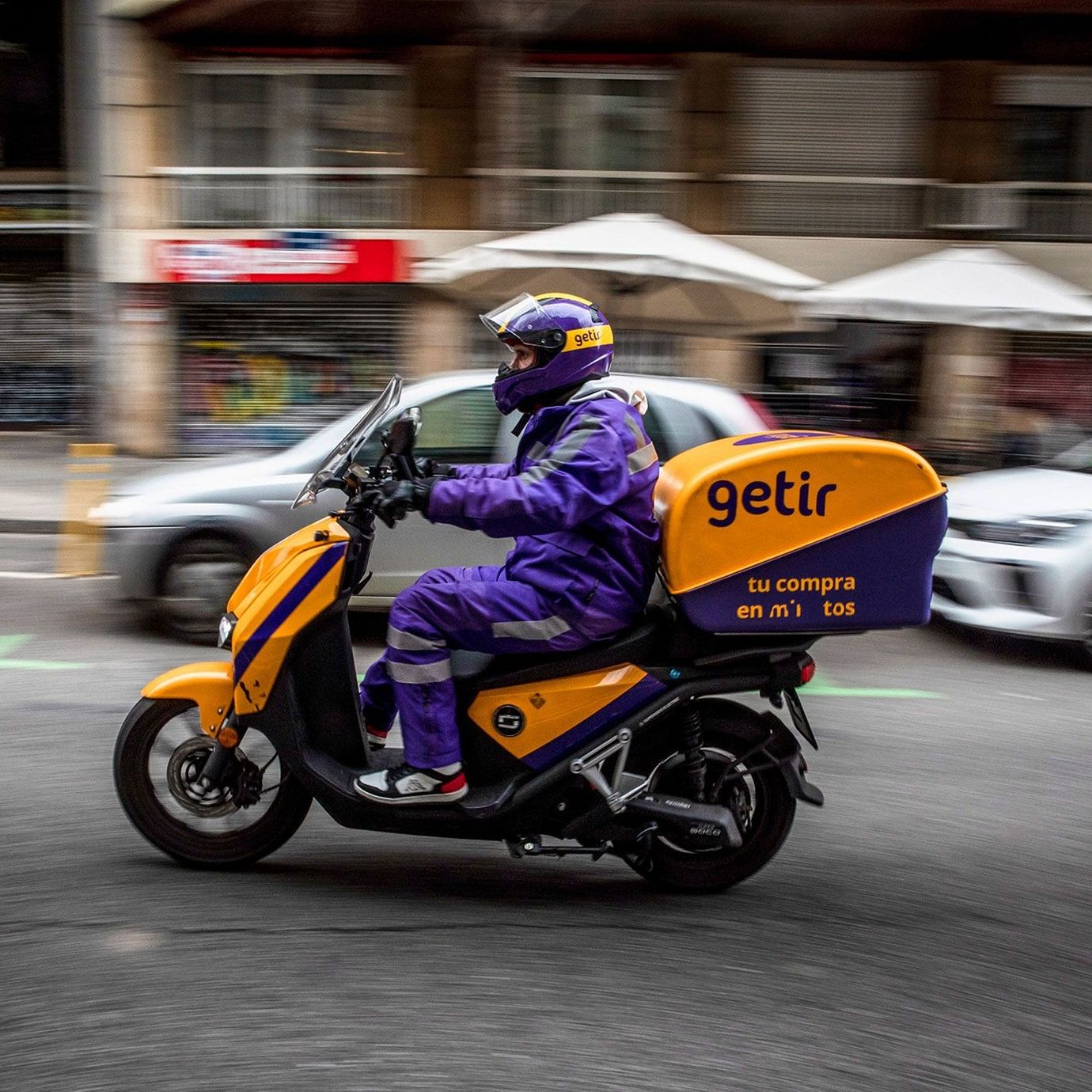
Delivery companies have mainly competed for customers in two ways: being faster and offering the biggest discounts. In February, data from researcher YipitData showed that three of the biggest startups were offering French customers discounts more than half the time. Istanbul-based Getir discounted 86% of its orders in France. Philadelphia-based Gopuff knocked down the price on 70% of its orders in that market, while Berlin-based Gorillas Technologies GmbH discounted 51% of the time there. In the U.S., 31% of Gopuff’s orders were done at a discount, according to YipitData.
Even more than price, the companies have tried to distinguish themselves based on speed, often advertising 15-minute delivery windows. New York-based Jokr, which operates in the U.S., Latin America, and Europe, has said customers order more and stick around longer if it guarantees delivery times of 15 minutes or less. “Speed is our currency,” Getir said in a 2021 yearend presentation to investors viewed by Businessweek.
Fulfilling these promises has been expensive. The rapid-delivery model requires companies to lease and maintain small distribution centers to keep inventory close to customers. Unlike many ride-hailing and restaurant-delivery companies, the delivery startups employ workers directly, a strategy for increasing speed that also drives up labor costs.
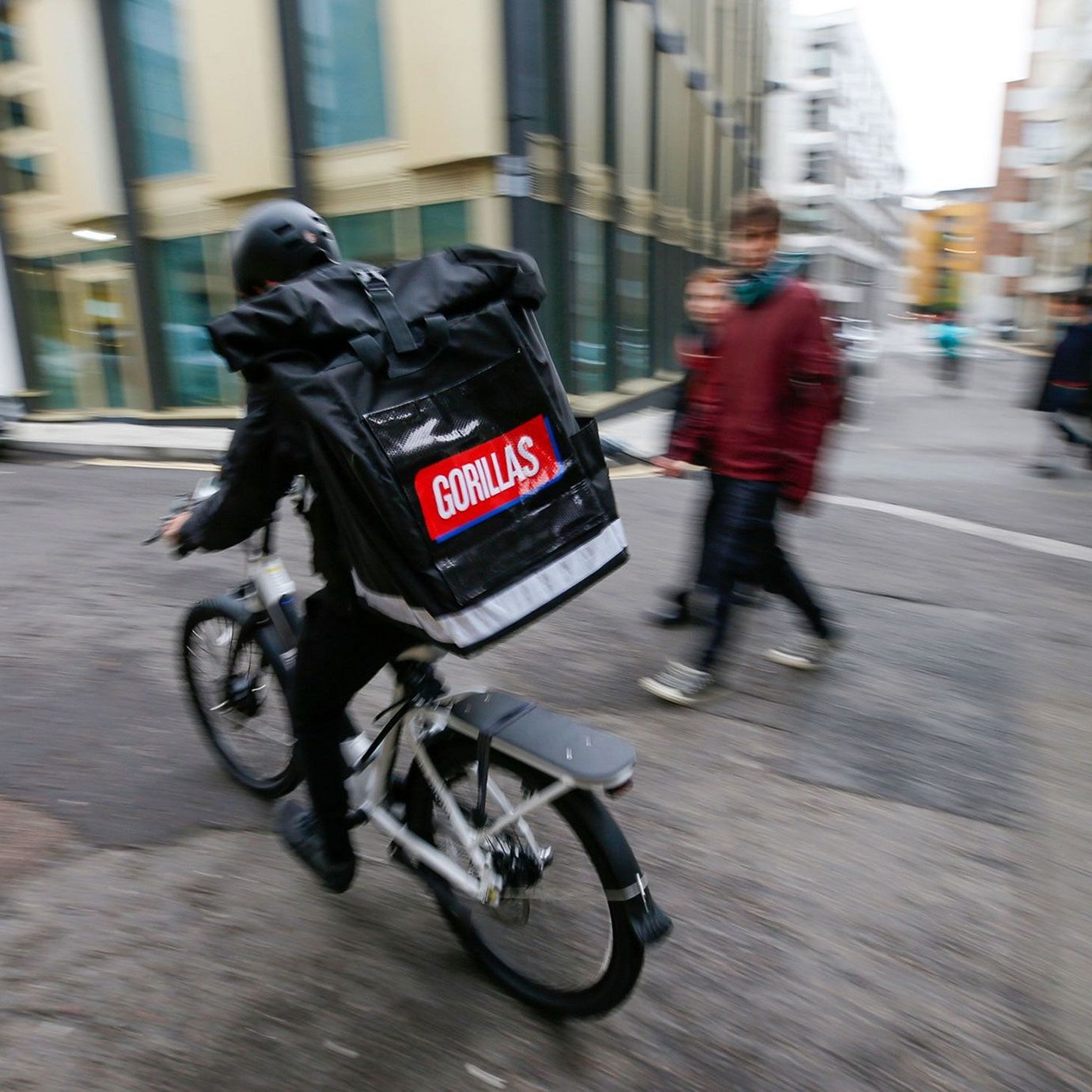
The 15-minute delivery promise has begun to draw scrutiny from lawmakers. New York’s City Council is considering prohibiting the companies from advertising 15-minute delivery times, with backers of the measure arguing the guarantees incentivize unsafe behavior from people making the deliveries.
In an industry where losing money is the standard, access to capital has become a critical distinguishing factor. Investor enthusiasm has waned in part because of the dismal stock market performance of delivery companies like Deliveroo, Just Eat Takeaway.com, Delivery Hero, and DoorDash. Getir raised $800 million in March after trying to drum up $1 billion, and Gopuff, which recently laid off hundreds of workers, is trying to raise $1 billion in convertible debt. Gopuff, whose official name is GoBrands Inc., had been in talks with investment banks about a potential initial public offering for late 2022. Now it has no plans to go public, according to a person familiar with its finances who asked not to be named discussing private business information.
”Rapid-delivery companies of all sizes are looking to tweak their business models”
Smaller companies are likely to face increasing pressure to find acquirers. Meanwhile, rapid-delivery companies of all sizes are looking to tweak their business models. Some are pondering a shift toward larger, less frequent orders, where speed isn’t as much of an issue. More established platforms are looking to sell more advertising within their apps. Instacart is trying to sell e-commerce software and self-checkout tech to grocers on a subscription basis. Gorillas is among the companies that want to expand into private-label and ready-made meals, both of which offer better margins than selling an avocado or bottle of Coke.
One thing is under increasing threat as companies look for steadier ground: the 15-minute guarantee. Gorillas and Jokr are scaling back blanket assurances of ultrafast service and are adding estimates of how long orders will take. DoorDash Inc. is piloting its own 15-minute service in New York City, but Chief Operating Officer Christopher Payne said at a conference in March that 30-minute delivery has a better chance of being profitable: “I think customers will still be delighted by that.”Read next: Food Startup Loop Mission Turns Surplus Produce Into Juice, Snacks, and Booze
More stories like this are available on bloomberg.com.