”Mjukvaran är inte död, men affärsmodellen kan vara det”

AI-agenter hotar inte mjukvaran i sig, men kan rasera dess mest lönsamma affärsmodell. Det skriver Financial Times i en kolumn.
I takt med att digitala agenter utför uppgifter på egen hand tappar den klassiska ”per användare”-licensen mark, till förmån för betalning per uppdrag eller faktisk användning. Därmed riskerar techbolagens förutsägbara saas-intäkter att bli mer svängiga.
På den ljusa sidan väntas den totala mjukvarumarknaden växa kraftigt.
 Financial Times
Software isn’t dead, but its cosy business model might be
Companies must rethink charging policy to reflect tasks completed rather than number of users.
When the market suddenly turns anxious — as it has recently over the impact AI will have on software companies — it becomes very easy to think bluntly about winners and losers. AI will create some of both. But who thrives and who withers will be decided not just by the nature of their products, but by how they adapt to a shift in the way customers pay.
Software companies have, for decades, sold their wares on a “per seat” basis, where an employee gets unlimited use of a package of tools. Think of the traditional Microsoft 365 licence. This makes companies’ IT budgets more predictable and benefits software companies by giving them recurring revenue. Once a user is switched on, they are rarely switched off.
In a world of AI “agents” carrying out duties autonomously, that model makes less sense. The unit of account will no longer be users but tasks completed, queries undertaken, and data “tokens” used. Sticky, predictable, year-round software-as-a-service revenue — the kind of thing that private equity firms love because it makes companies easier to load up with debt — may become an endangered species.
Some are already embracing the post-seat era. Snowflake, a data management software maker, charges based on consumption, as does Databricks, an unlisted hotshot valued at $134bn, according to Crunchbase. ServiceNow is one of many working on hybrid models, where monthly fees meet pay-as-you-use add-ons: product chief Amit Zavery said last month that some customers aren’t ready for purely consumption-based pricing.
The arrival of agents doesn’t mean companies will spend less on software overall
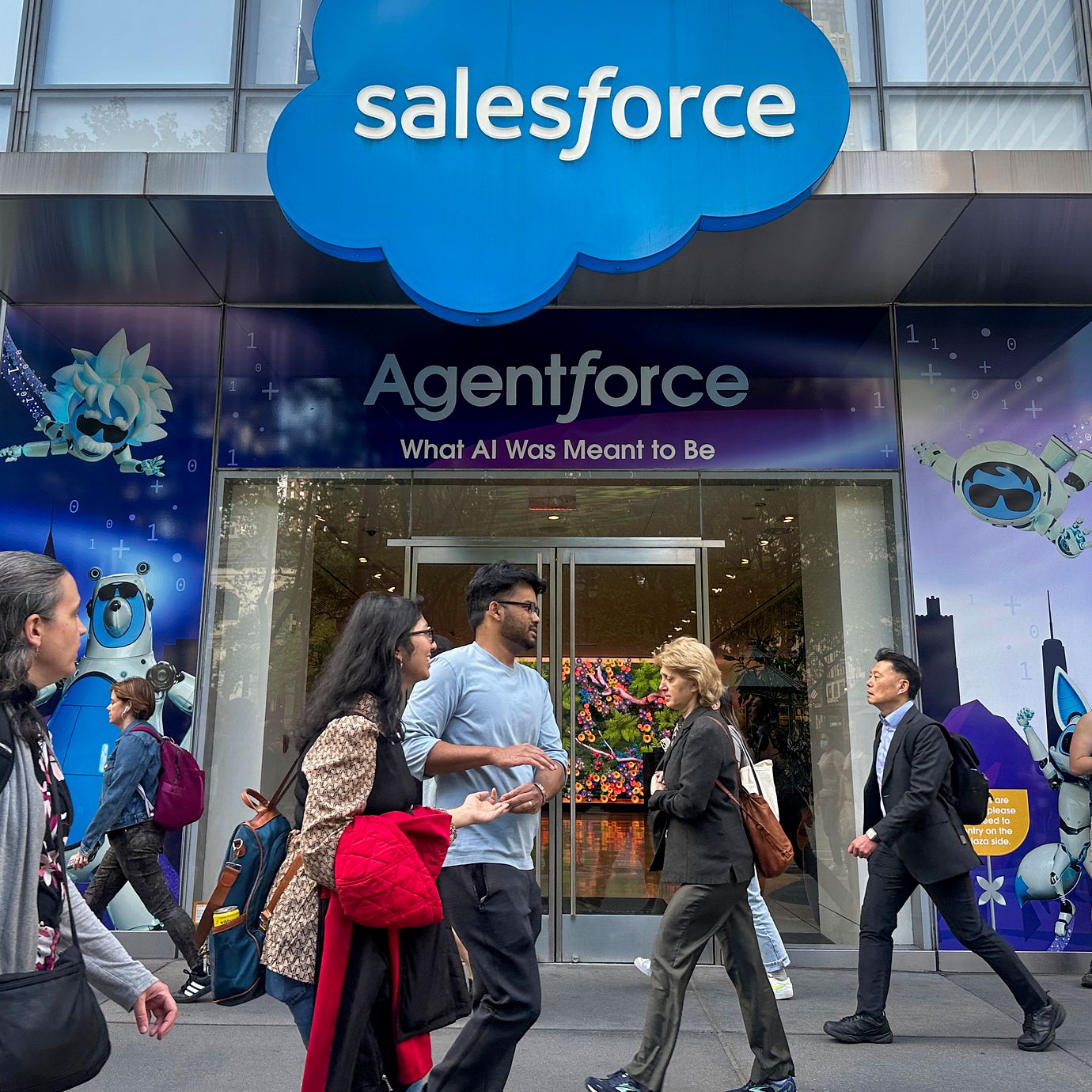
There will be trial and error. Salesforce started out charging $2 per “conversation” for its customer relations bot Agentforce. But that elicited grumbles from customers. So now it offers a smorgasbord of options, including pricing based on “actions” such as updating a record or summarising a case. Users can buy credits up front, get billed in arrears or pay a fixed fee for unmetered use.
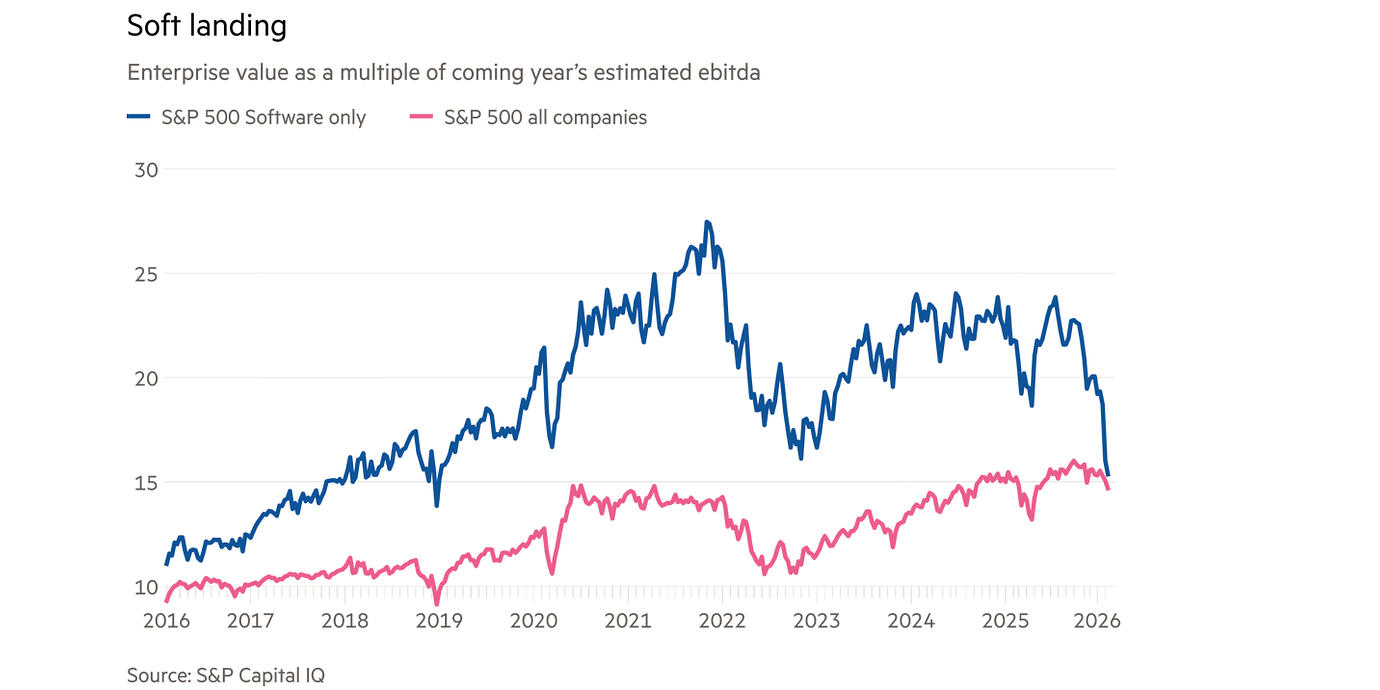
Software will still be sticky even in a world of moveable prices. Companies that trust Workday or Salesforce will find it costly and risky to switch to a start-up, however they get billed. But it does change the calculus for investors. Software companies’ predictability was an asset that contributed to high valuations. Share prices may settle lower if revenue becomes more choppy. Seasonal or cyclical peaks and troughs, common to retail or luxury stocks, will become a feature of tech too.
That said, the arrival of agents doesn’t mean companies will spend less on software overall — and probably the opposite. At some point, it will become more normal to think of agents as being akin to human workers. It then shouldn’t be much of a stretch to start paying for them accordingly — and blurring the line between IT spending and wage budgets.
Crack open the budget reserved for labour, and the size of the prize for software companies increases greatly. Goldman Sachs reckons software spend in the US will almost triple to $2.8tn by 2037, driven by productivity gains as human tasks get automated. Even with dogged competition from AI-powered new entrants, that’s enough to go around; it’s just that it will no longer be spread in the familiar ways.
©The Financial Times Limited 2026. All Rights Reserved. FT and Financial Times are trademarks of the Financial Times Ltd. Not to be redistributed, copied or modified in any way.