Oljeproduktion fortfarande utslagen: ”Tajtare än väntat”
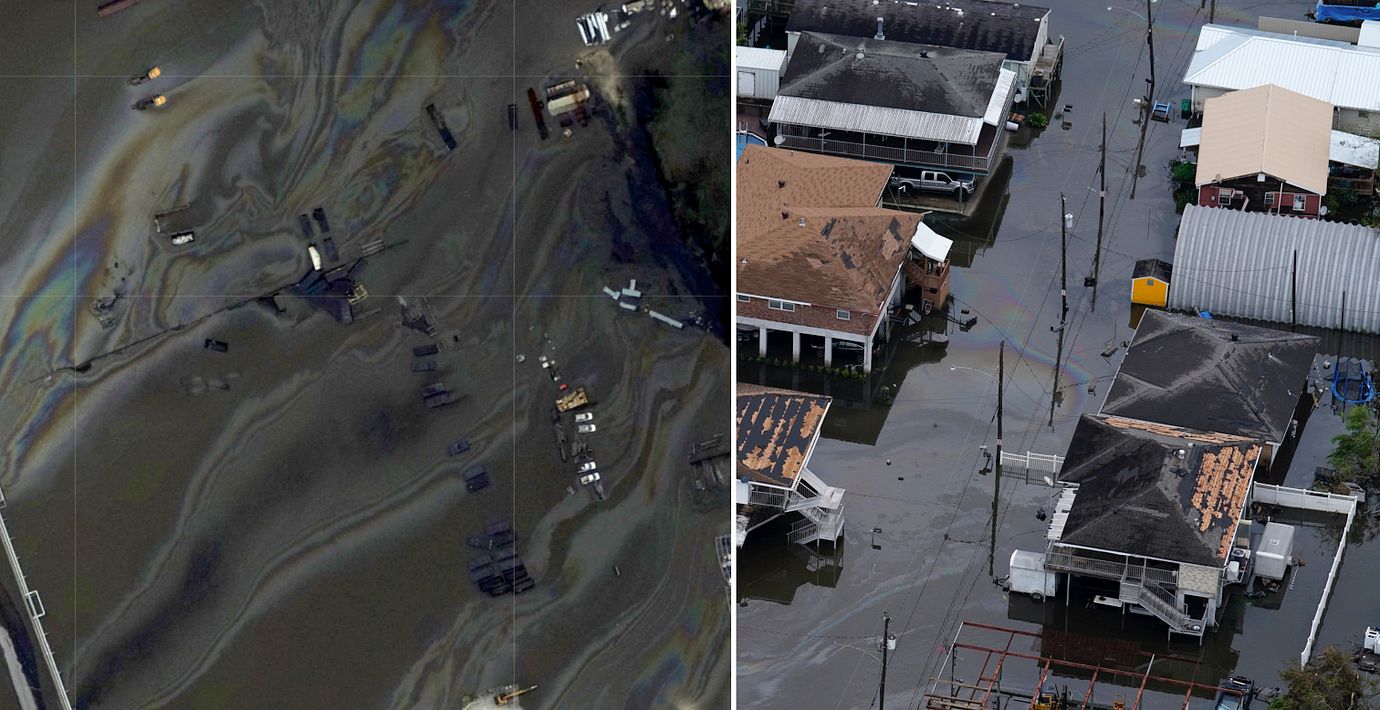
Tre fjärdedelar av oljeproduktionen i Mexikanska golfen är fortfarande utslagen efter orkanen Ida, vilket har fått oljepriserna att stiga, skriver TT.
”Utbudet är betydligt tajtare än väntat och både USA och Kina använder nu sina oljereserver”, skriver SEB:s oljeanalytiker Bjarne Schieldrop i en kommentar.
Han lägger till att storbanken kan få tänka om när det gäller sin prognos med lägre råoljepriser mot slutet av året.
bakgrund
Orkanen Ida
Wikipedia (en)
Hurricane Ida was the second-most damaging hurricane to strike the U.S. state of Louisiana on record, behind only Hurricane Katrina, and is tied for the strongest landfall in the state by maximum winds with Hurricane Laura a year prior and the 1856 Last Island hurricane. Ida was the sixth-costliest hurricane on record, surpassing Ike of 2008. The ninth named storm, fourth hurricane, and second major hurricane of the 2021 Atlantic hurricane season, Ida originated from a tropical wave in the Caribbean Sea that developed into a tropical depression on August 26. The depression organized further and became Tropical Storm Ida later that day near Grand Cayman. Amid favorable conditions, Ida intensified into a hurricane on August 27, just before moving over western Cuba. A day later, the hurricane underwent rapid intensification over the Gulf of Mexico and reached its peak intensity as a strong Category 4 hurricane while approaching the northern Gulf coast. On August 29, the 16th anniversary of Hurricane Katrina, Ida made landfall near Port Fourchon, Louisiana. Ida weakened steadily over land, becoming a tropical depression on August 30 as it turned northeastward. On September 1, Ida transitioned into a post-tropical cyclone as it accelerated through the northeastern United States, before moving out into the Atlantic on the next day.
Ida knocked down palm trees and destroyed many homes in Cuba during its brief passage over the country. Throughout its path of destruction in Louisiana, more than a million people had no power in total. Widespread heavy infrastructural damage occurred throughout the southeastern portion of the state, as well as extremely heavy flooding in coastal areas. New Orleans' levees survived, though power line damage was extensive throughout the whole city. There also were high amounts of plant destruction in the state. The remnants of the storm produced a destructive tornado outbreak and catastrophic flash flooding in the Northeastern United States on September 1. Flooding in New York City prompted the shutdown of much of the transportation system.
As of September 4, a total of 70 deaths have been confirmed in relation to Ida: 27 in New Jersey, 18 in New York, 13 in Louisiana, 5 in Pennsylvania, 2 in Mississippi, 2 in Alabama, 1 in Maryland, 1 in Virginia, and 1 in Connecticut. The storm has caused seven indirect deaths, including a Louisiana man mauled to death by an alligator after walking through Ida's floodwaters. Two electrical workers died while repairing power grid damage caused by the storm. Four people have died in New Orleans and Jefferson Parish as a result of carbon monoxide poisoning while using generators with inadequate ventilation. The storm has caused at least $50 billion (2021 USD) in damages, of which $18 billion was in insured losses in Louisiana, making Ida the sixth-costliest tropical cyclone on record. After the storm passed, nearly all of the oil production along the Gulf Coast was shut down. Thousands of crew members were deployed in Louisiana, and hundreds were rescued. Power outages were expected to last weeks, possibly up to a month. States of emergency were declared for Louisiana and portions of the Northeast. Several sporting events were also moved, delayed, or cancelled by the storm.
Läs också
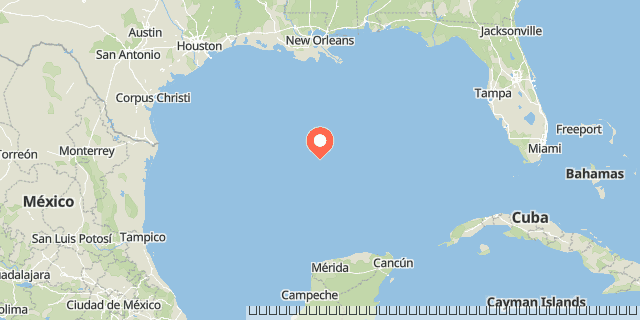
Mexikanska golfen
Omni är politiskt obundna och oberoende. Vi strävar efter att ge fler perspektiv på nyheterna. Har du frågor eller synpunkter kring vår rapportering? Kontakta redaktionen