Rapport: EU halkar efter USA i cleantech
Europeiska startups inom cleantech har attraherat mindre än hälften så mycket kapital som sina amerikanska motsvarigheter det senaste året. Det visar en färsk studie som jämför investeringar i sektorn sedan Washington antog sitt stödpaket med omfattande statsstöd till den gröna omställningen.
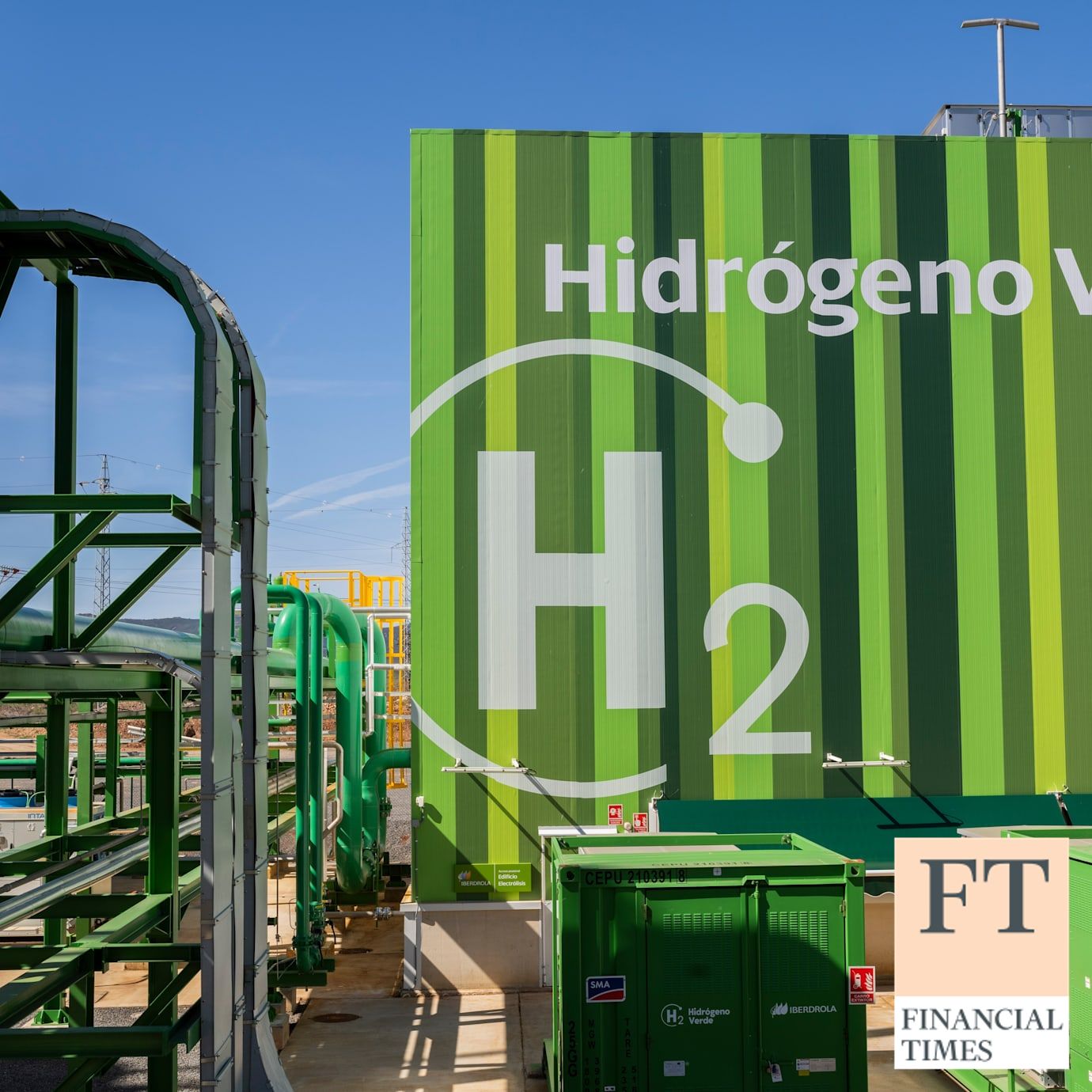
Trots att Bryssel svarade med att klubba ett liknande paket har EU halkat efter, särkilt inom vätgas, som är en viktig energikälla i omställningen av exempelvis stålindustrin. Första kvartalet 2022 ledde EU investeringarna i vätgasprojekt med råge. Sedan dess har USA legat högre än EU varje kvartal och har sammantaget investerat över 14 miljarder kronor mer bara i vätgasprojekt.
 Financial Times
US green technology investment leaves Europe in the shade
EU start-ups attract less than half the funding of US counterparts since IRA was unveiled.
European clean technology start-ups have attracted less than half as much investment as US counterparts since Washington unveiled a landmark $390bn package of climate subsidies and tax credits a year ago, industry research shows.
The Inflation Reduction Act, signed into law by US president Joe Biden last August, established the US’s largest-ever climate investment aimed at decarbonising the US economy and boosting jobs in green industries.
The act has prompted a race to support technologies crucial for cutting emissions, with the EU, Australia and Japan launching similar legislation.
Venture capital investments in clean hydrogen projects reached a high of €343mn in the EU in the first quarter of 2022, almost three times the equivalent funding in the US. But in every quarter since, investments in green hydrogen in the US have outpaced those in the EU, with the US investing €1.2bn more in total over the period.
But figures from industry body Cleantech for Europe show the EU has fallen behind in funding for early-stage clean technologies, with a total of $8.7bn worth of investment going towards start-ups in areas such as carbon storage, electric vehicles and clean power in the year since the IRA came into force.
By contrast, more than $21.7bn has been committed to similar projects in the US, although the EU pulled ahead in energy and transport investments in the second quarter of this year.
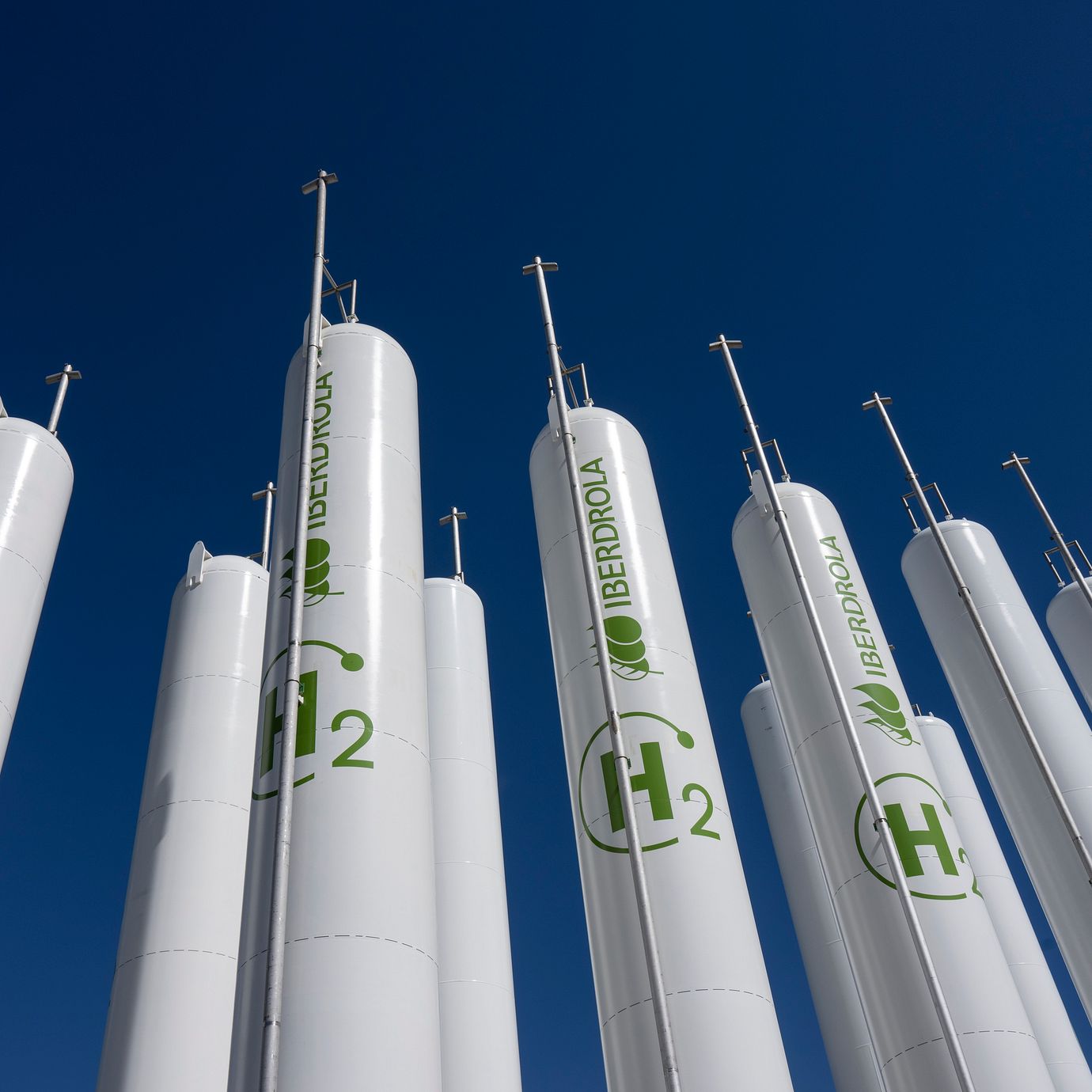
The difference was most pronounced for clean hydrogen, a gas produced using renewables that could help decarbonise heavy industries such as steel and cement, Cleantech for Europe said.
Venture capital investments in clean hydrogen projects reached a high of €343mn in the EU in the first quarter of 2022, almost three times the equivalent funding in the US. But in every quarter since, investments in green hydrogen in the US have outpaced those in the EU, with the US investing €1.2bn more in total over the period.
Washington is offering tax credits of up to $3 per kilogramme of clean hydrogen depending on production conditions.
The European Commission responded to the IRA by announcing its Net Zero Industry Act (NZIA) in March. This sets targets for domestic manufacturing capacity for green technologies such as solar power and batteries.
Brussels also loosened state aid rules and promised an EU fund to boost investment in industries crucial to the green transition. The funding brings together existing EU money and another €10bn to back science and innovation projects.
Suzana Carp, senior European climate and energy policy specialist at Cleantech for Europe, said the EU’s funding programme put clean technology in competition for investment with sectors such as pharmaceuticals, digital and defence and lacked the simplicity of the US’s tax credit scheme.
“We should have certainty that cleantech [businesses] should have the kind of support and predictability that they are getting in the US,” she said.
Markus Krebber, chief executive of the German energy group RWE, said at a press conference last week that the US was “doing more at the moment to build up integrated value chains”, adding that Europe “could step up its game”.
But Krebber, whose company completed a $7bn acquisition of the clean energy business of New York-based Con Edison earlier this year as part of a push into the US renewables market, said the drive for green energy on both sides of the Atlantic should not be seen as a competition.
Analysts at think-tank Bruegel noted earlier this year that the total amount of funding available in the EU for the green transition was similar to the US but that the IRA was “simpler” and focused on “mass deployment of green technologies rather than innovation”.

Changes to EU state aid rules have raised concern that big economies such as Germany and France will spend more and unbalance competition within the bloc.
France was the first EU country to offer similar tax credits to the US for environmentally friendly projects, a €20bn policy announced in May.
Giles Dickson, chief executive of industry organisation Wind Europe, said governments were being “slow across the board” to take advantage of the new state aid rules.
Matthew Oxenford, senior analyst in Europe and Climate Policy at the Economist Intelligence Unit, said the EU’s Net Zero Industry Act was “of a piece” with responses to the IRA in Australia and Japan. However, the EU’s response was complicated by “uncertainty” amid frequent changes to energy policy as the bloc tried to counter rocketing gas prices as a result of the Ukraine war, he said.
Additional reporting by Laura Pitel in Berlin
©The Financial Times Limited 2023. All Rights Reserved. FT and Financial Times are trademarks of the Financial Times Ltd. Not to be redistributed, copied or modified in any way.