Ryska Gazproms imperium rämnar – söker räddning i öst
Den ryska energijätten Gazprom står inför sin största kris i modern tid. Efter kriget i Ukraina och Europas gasvändning har bolaget förlorat kärnmarknader och redovisat rekordförluster.
Vice vd Elena Iljuchina leder nu en omfattande omstrukturering som inkluderar personalneddragningar och försäljningar. En intern presentation slår fast:
”Starka dotterbolag kontrollerar ett svagt centrum – det måste bli tvärtom.”
För att klara sig söker Gazprom nya intäkter i Kina och Iran, skriver Financial Times.
 Financial Times
Inside Russia’s Gazprom: can the ailing energy giant be revived?
The gas and oil company is struggling to recover from record losses after Putin’s full-scale invasion of Ukraine destroyed its business model.
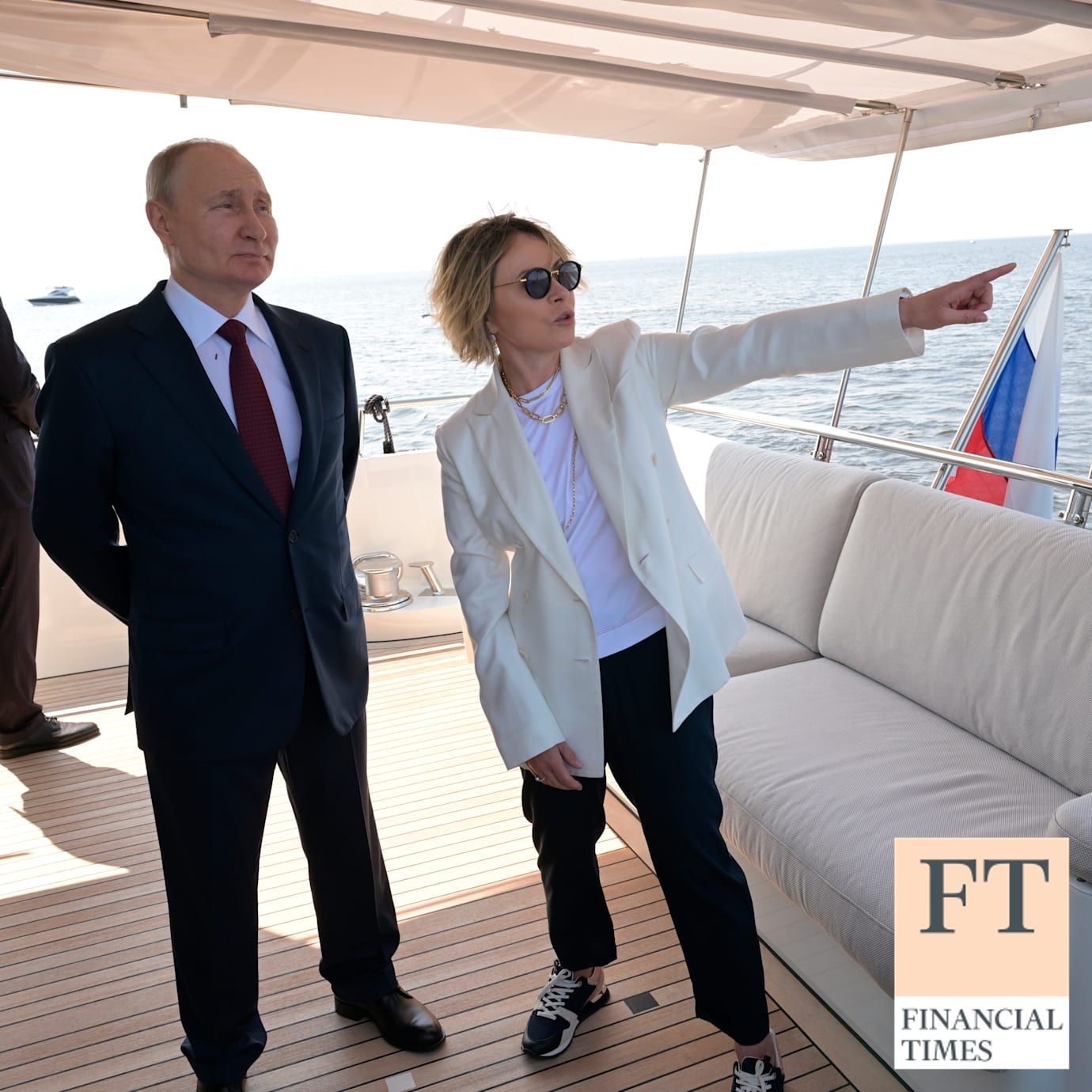
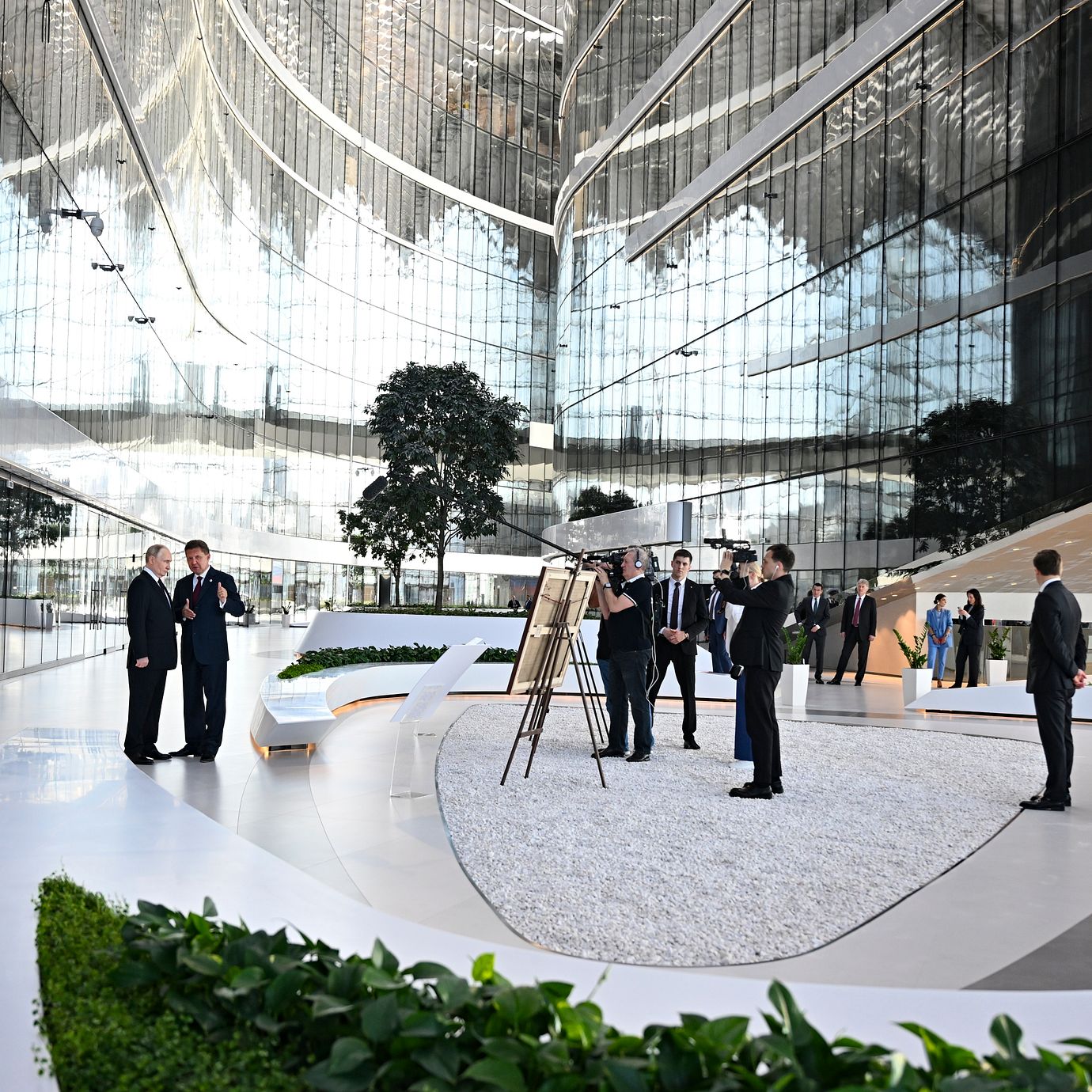
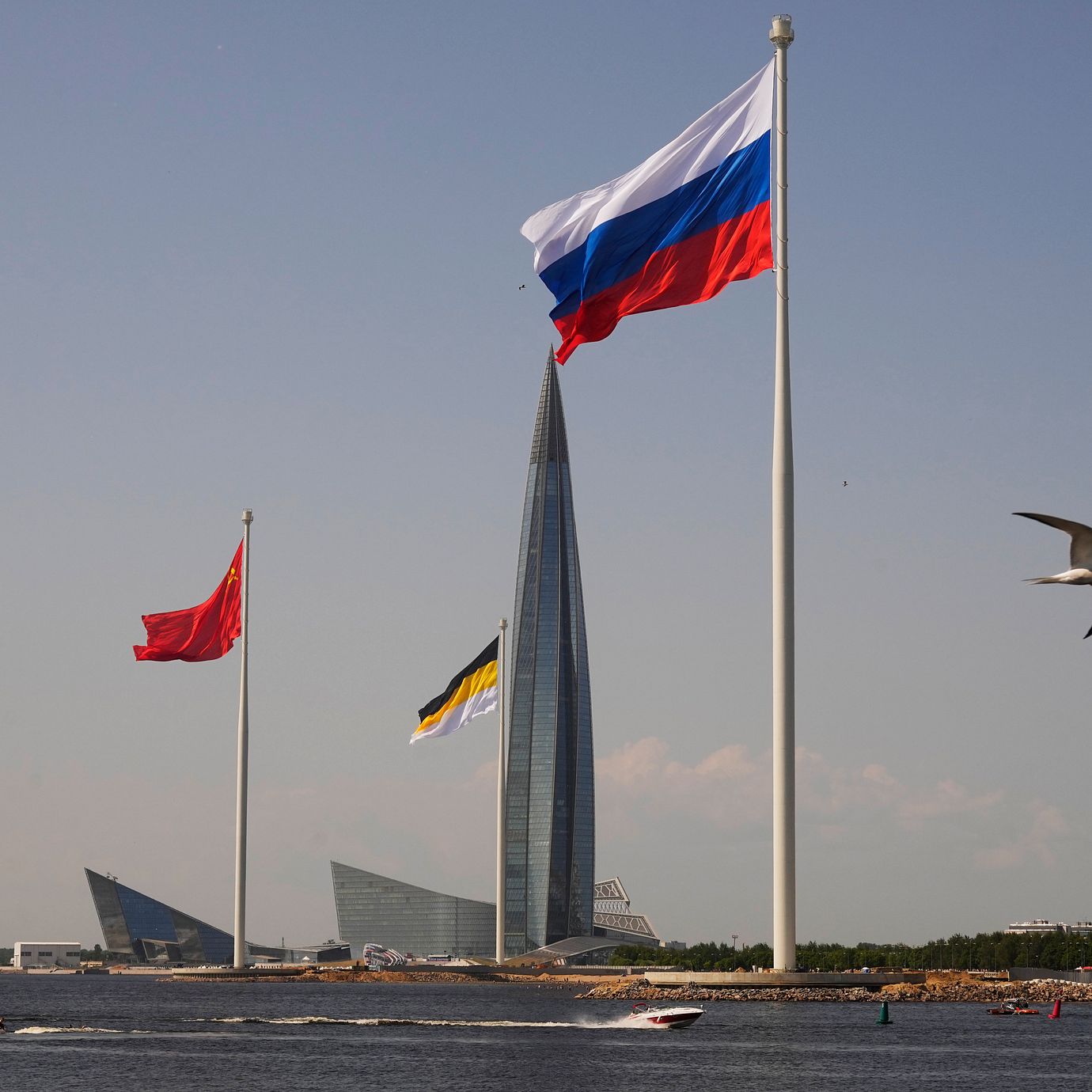
In June 2023, Vladimir Putin boarded a yacht on the Gulf of Finland for a commemorative flag-raising ceremony at the glittering new waterfront home of Gazprom, the state-owned energy giant that is the cornerstone of his imperial project.
“Beautiful,” he remarked to his host, Elena Ilyukhina, who had overseen the skyscraper’s construction. Though little known to the public, the elegantly dressed woman was a highly influential player in Russia’s energy sector and a senior executive at a successful Gazprom oil subsidiary.
Apparently at ease with the Russian president, Ilyukhina continued chatting as the national anthem began to play and three of the country’s most important flags were hoisted: Russia’s tricolour, the Soviet hammer and sickle, and Peter the Great’s imperial standard — reflecting the historical legacies Putin has drawn on during his full-scale invasion of Ukraine.
With a slight smile, Putin raised a finger to his lips to shush her. Visibly chastened, Ilyukhina quickly began mouthing the words.
By March the next year, however, Ilyukhina had been elevated to become a deputy CEO of Gazprom itself, leading an ambitious restructuring of Russia’s largest company as it faces its biggest crisis in recent years.
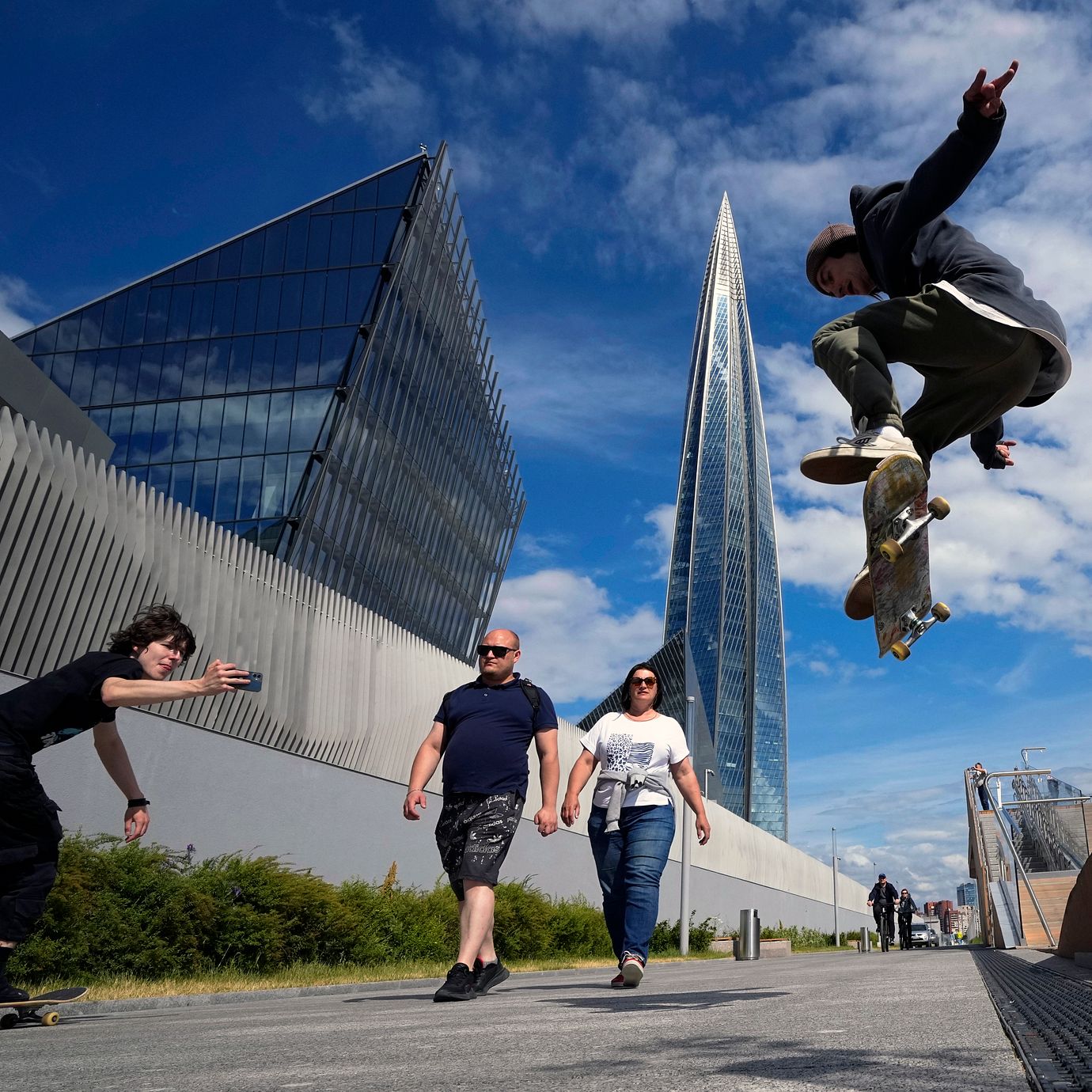
After years of benefiting from its monopoly on Russian pipeline gas exports, Gazprom is struggling to recover from record losses after Putin’s full-scale invasion of Ukraine destroyed its business model.
It is a remarkable rise for a woman who joined the Gazprom group over 15 years ago, an ally of its chief executive Alexei Miller and close friend of his long-term partner Marina Entaltseva.
“Ilyukhina is full of energy and skilled in corporate politics. She is like Cersei Lannister [the ruthlessly ambitious Game of Thrones character]. But I doubt that even she can stir this swamp,” says a person who used to work with her.
Just a few years ago, such a large-scale reorganisation would have been unthinkable. But without reform, the future for Gazprom looks grim.
This year, total deliveries to Europe and Turkey are expected to shrink more than fivefold from 2019 levels, falling to 47 billion cubic metres and 34 bcm in 2034. Cash flow will remain negative, amounting to a deficit of Rbs15tn by 2034, according to a 42-page Gazprom presentation prepared last year and seen by the Financial Times.
The document, entitled Gazprom Transformation, highlights key challenges from disrupted supply chains and weakened contracts to limited access to the European market, which Gazprom dominated until it used its quasi-monopoly to provoke Europe’s worst energy crisis in half a century.
“The entire business structure was built in an environment of constant growth. But now everything has changed”
Ilyukhina wants to bring together Gazprom’s scattered divisions into a “single, vertically integrated company”. That includes tightening control over Gazprom Neft, the dynamic, well-run oil company where she spent over a decade — and the most profitable division in the Gazprom portfolio. Gazprom and Gazprom Neft did not respond to requests for comment.
The presentation also proposes to slash costs — from travel and office leases to government relations — and divest non-core assets, including selling some, or all, of Gazprom’s methane refuelling network. In February, Gazprom publicly put several buildings up for sale.
Gazprom’s admission of its need to adapt highlights how far a pillar of Russia’s economy has fallen.
“The entire business structure was built in an environment of constant growth,” says a person close to Gazprom. “But now everything has changed.”
As part of the plan, Ilyukhina proposed the largest staff reduction ever at the company’s headquarters. After two decades of expansion, 1,600 jobs there — just under 40 per cent — needed to be cut, she explained in a letter to Miller.
In early 2025, Ilyukhina also presented a detailed downsizing scheme, seen by the FT. It earmarked at least three departments for closure, including one set up in 2022 to find ways to replace western technology with Russian alternatives.
Eight more divisions, including foreign economic affairs and capital repairs, were slated for mergers, while legal, tax and treasury functions would be consolidated into a central hub.
“It was inevitable — if anything, overdue,” says Tatiana Mitrova, a research fellow at Columbia University’s Center on Global Energy Policy. “This is Gazprom — a bureaucratic, hierarchical giant. No surprise it’s among the last Russian state companies to embrace reform.”
Putin began tightening control over Gazprom soon after he came to power in the early 2000s amid soaring energy prices by placing Miller, his former deputy in the St Petersburg mayor’s office, as its head.
Gazprom’s vast profits helped fund an empire that goes well beyond energy, from major TV channels such as NTV to Russia’s third-largest bank and much of the country’s sports sector. It employs about 500,000 people.
Gazprom has not only helped strengthen Putin’s rule at home, partially due to its close grip on TV networks, it also helped him exert pressure on Europe, its main customer for gas, and Ukraine, the main point of transit.
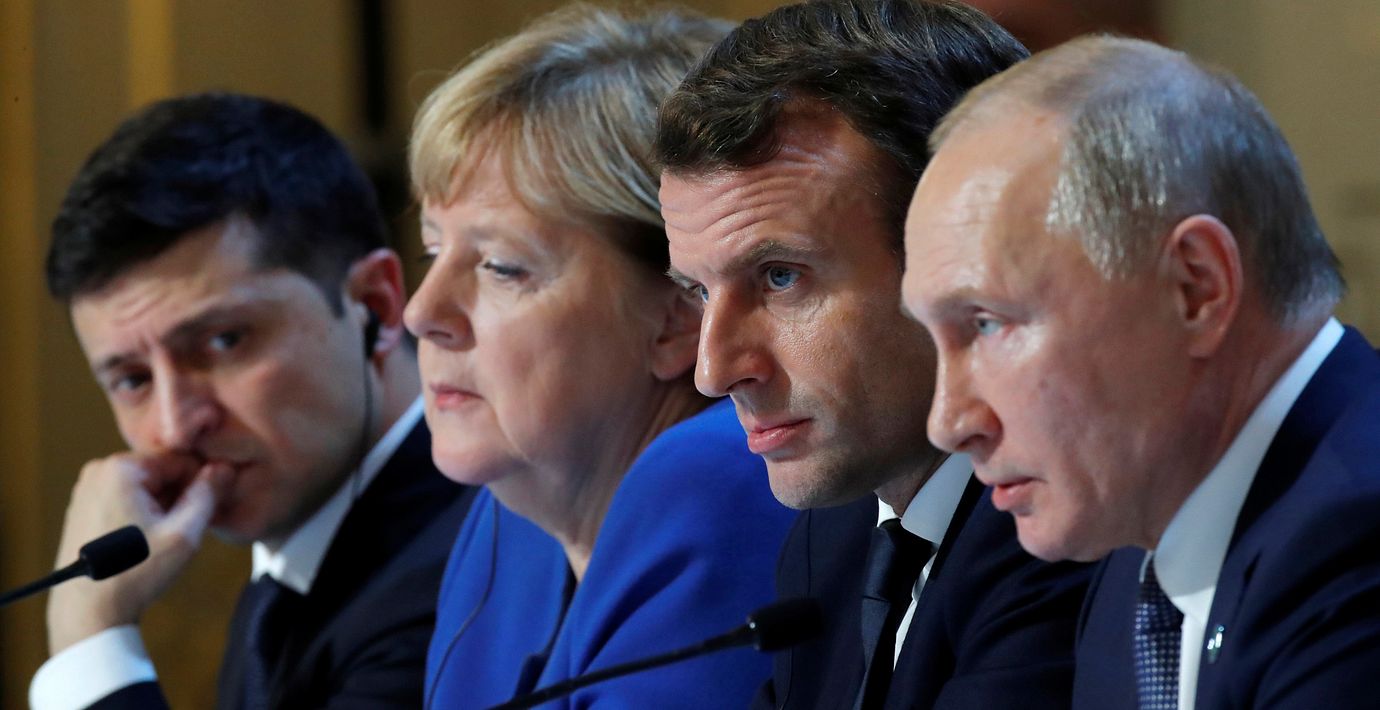
On the sidelines of Putin’s only meeting with Ukrainian President Volodymyr Zelenskyy in Paris in 2019, Kyiv’s delegation went in for what they had expected would be thorny talks with Gazprom. Instead, they discovered Putin would conduct the highly technical negotiations himself, a sign of how central Gazprom is to Russia’s aims.
“The president knows the leadership, they have authority and he trusts them”
While Putin squabbled with the Ukrainians over gas transit fees and arbitration disputes, Miller, Gazprom’s chief executive, at times silently examined a stack of papers, recalls Yuriy Vitrenko, who was an executive director at Ukraine’s state energy company Naftogaz at the time.
“That’s what it takes to negotiate with Russia about gas supply,” says Vitrenko. “It’s basically all about geopolitics.”
Gazprom’s importance to Putin’s power meant normal corporate principles took a back seat. The company built a reputation for being notoriously opaque and inefficient, even by the standards of Russian state energy companies, and has faced persistent allegations of graft.
A Russian investor recalls a corporate governance roundtable in the mid-2010s where economist Vladimir Mau, a Gazprom board member at the time, asked to see the company’s recently signed supply contract with China. Government representatives, led by then-prime minister Dmitry Medvedev, laughed off the idea.
Despite its shortcomings, Gazprom has fended off break-up attempts from reformers pushing for productivity and Kremlin hardliners eyeing its export routes.
The secret to its survival lies in its very nature. Gazprom’s monopoly is built around a simple premise: pump cheap gas at a high price to Europe and funnel the profits into the Kremlin’s domestic and geopolitical ambitions.
“They do important things for the state in a secure and reliable way,” a former senior official says. “The president knows the leadership, they have authority and he trusts them.”
In one example of the company’s influence, state-owned Sberbank fired its own head of research and lead oil and gas analyst in 2018 after they published a report arguing that Gazprom was prioritising enriching its contractors — including companies owned by Putin’s friends — over its own shareholders and bottom line.
“Gazprom’s not a champion of profitability,” a senior Kremlin official says. “But it does its job very effectively.”
In 2005, Gazprom acquired oil division Gazprom Neft, then Sibneft, from ex-Chelsea owner Roman Abramovich for well over what he had paid in the 1990s, widely seen as a reward for loyalty.
Politically, the move made sense as Putin was bringing the energy sector back in house. But the business, which operates more like a market-driven company, sat awkwardly within Gazprom.
“Putin wanted to reassert control over Russia’s natural resources after the chaos of the post-Soviet years, but . . . absorbing an oil company was never an entirely natural fit,” says Adi Imsirovic of Surrey Clean Energy, who once ran Gazprom’s London-based oil trading business.
“Gazprom’s not a champion of profitability. But it does its job very effectively”
A year after the takeover, in 2006, Alexander Dyukov became Gazprom Neft’s president and, two years later, its CEO. Like Miller, Putin had known Dyukov since post-Soviet St Petersburg — but the two men took opposing approaches to how they ran their companies.
“It’s hard to find two Russian businesses that are more different. They seem to be from different planets,” says Columbia’s Mitrova.
Under Dyukov, Gazprom Neft earned a reputation as a modern market company with western-style management, according to current and former senior Russian energy executives.
Within Gazprom Neft, departments like upstream and downstream responsible for different parts of the supply chain had their own financial and legal teams, making their own decisions — including on which investment projects to spend money.
Another former senior Russian energy executive says that the allegations of corruption surrounding the company were “a fraction of the size” of those for “the whole Gazprom structure”.
After Gazprom Neft took over projects previously run by its parent company, contractors demanded outlandish prices well out of line with what the company was paying elsewhere. When it asked for an explanation, the contractors argued: “There’s a way for oil companies and there’s a way for Gazprom,” a person close to Gazprom Neft recalls.
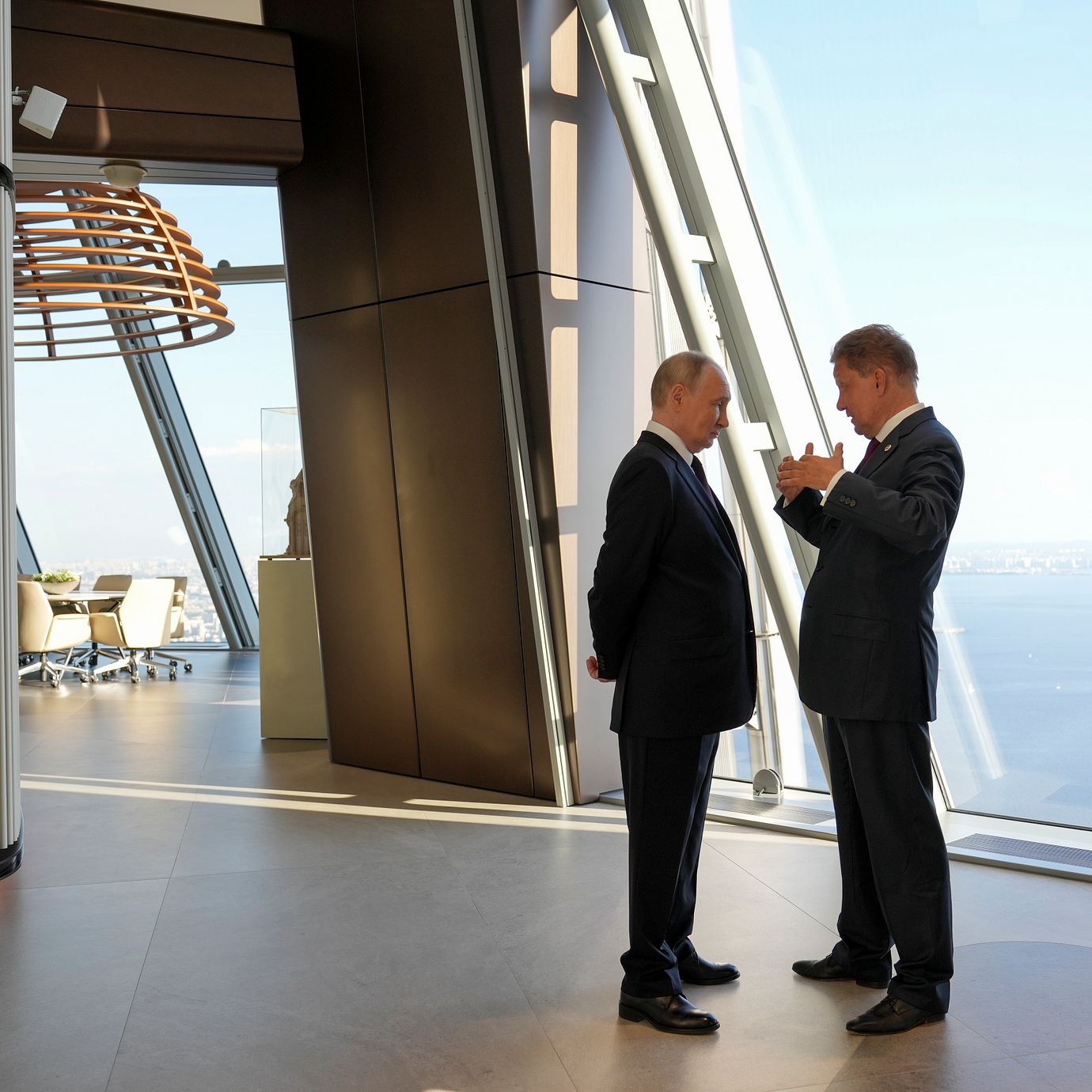
Like the businesses they run, Miller and Dyukov are also polar opposites. Similar to other senior Russian technocrats and corporate executives, Dyukov was shocked when the full-scale war began and sad to be cut off from the west, although he has quietly got on with things.
Miller, meanwhile, was such an ardent supporter of the invasion that he required his executives to wear a badge with the letter Z — the same symbol spray-painted on Russian tanks. Gazprom even deployed at least two battalions to Ukraine with men recruited from its own security guards and provided them with job perks, bonus pay and equipment.
“I can imagine Dyukov in any western company — BP, Shell,” says a person who knows both men. “But I cannot imagine Miller there. His main qualities are a photographic memory, which Putin highly values, and loyalty.”
It was Ilyukhina who often acted as a bridge between Gazprom Neft and Gazprom; a person Dyukov could ask to raise a delicate issue with Miller, according to multiple people.
Initially, sources close to Gazprom Neft thought she owed her influence inside Gazprom to Entaltseva, a close friend who was Putin’s assistant in the 1990s and later headed up the presidential protocol department.
“From the very beginning, she was sent to Gazprom Neft as Miller’s person, to keep watch,” a person close to the company says.
Gazprom had been largely unbothered by its subsidiary’s autonomy — until its own cash flow ran dry
People who know her describe Ilyukhina as a highly unconventional figure. “Unlike many in Gazprom, she doesn’t stick to a template and her role’s formal description. She knows how to go beyond her formal duties,” says one of them.
At Gazprom Neft, many of her team were women — unusual in Russia’s male-dominated energy sector. Attitudes could be chauvinistic at times. One person close to Gazprom described her office as a “mix between a flower shop, perfumery [and] a stuffed animal store”.
While there, she was entrusted with major projects, including the $1.7bn, 462-metre Lakhta Centre — the tower Putin saw from the yacht that day with Ilyukhina. In the early 2010s, she oversaw the construction of “Altai Homestead”, officially a Gazprom retreat but widely reported to be one of Putin’s holiday homes. The construction projects were all funded by Gazprom Neft, whose executives “would have preferred to allocate it elsewhere”, a person close to the company says.
When her predecessor at Gazprom was moved on, reportedly over alleged corruption, “Ilyukhina was the best choice — both for her loyalty to Miller and her profile,” a person close to Gazprom Neft says of her appointment as deputy chief executive of the property management and corporate relations department.
Gazprom had been largely unbothered by its subsidiary’s autonomy — until its own cash flow ran dry.
In the run-up to the 2022 invasion, Gazprom began squeezing supplies to Europe, pocketing the profits as gas prices hit record levels.
Once it began, Gazprom kept cutting deliveries to Europe under the pretext of delayed equipment repairs.
But EU countries’ dependence on Russian gas meant Gazprom initially escaped major sanctions even as the Kremlin leveraged gas supplies for political gain.
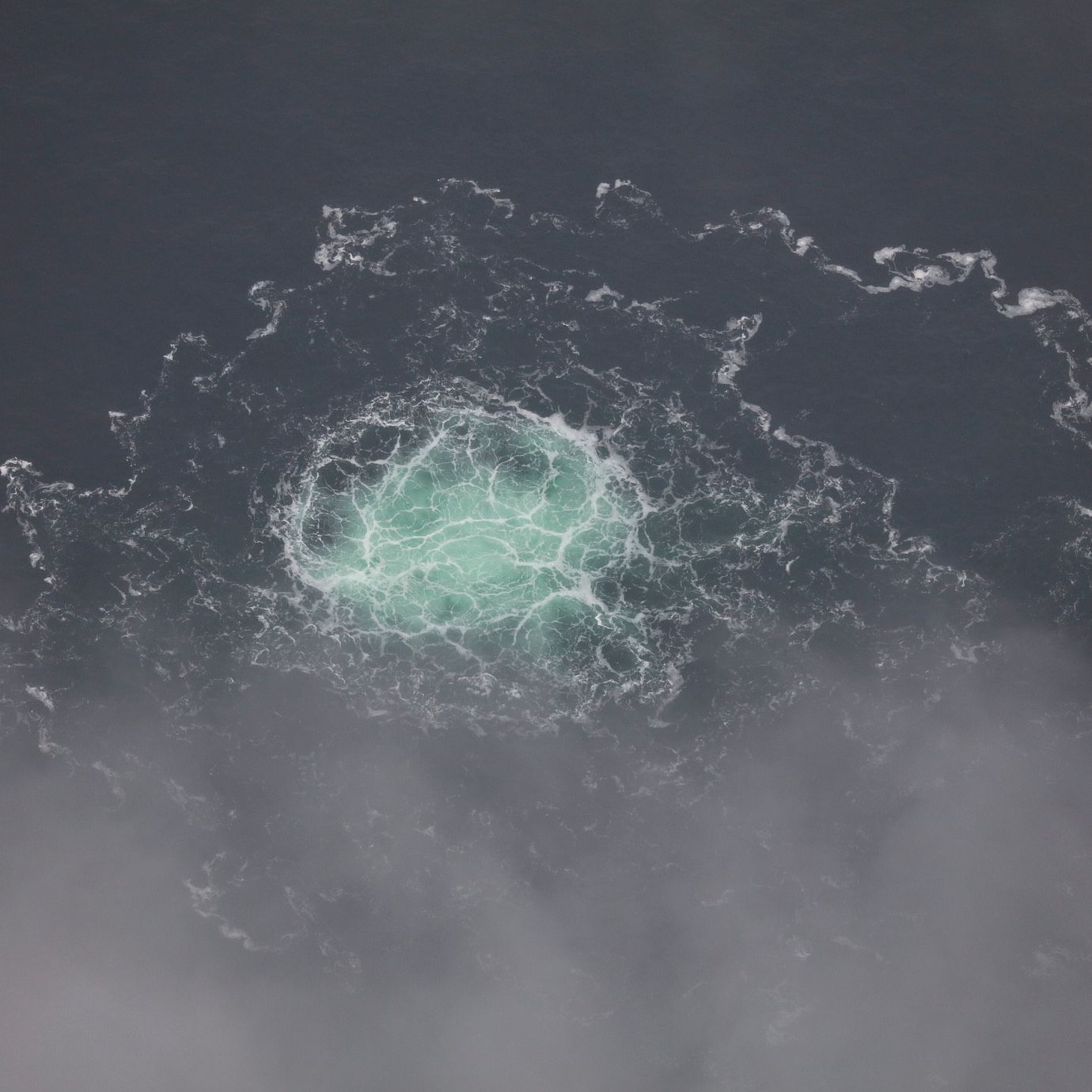
The tables turned in September 2022 when saboteurs blew up Nord Stream, Russia’s main pipeline route to Europe, under the Baltic Sea. The explosion accelerated Europe’s efforts to end dependency on Russian gas, with the proportion of its pipeline imports coming from the country dropping to 11.2 per cent in 2024 from 40 per cent prewar, leaving Gazprom’s business model in tatters.
Gazprom Neft, meanwhile, adapted to the G7’s price cap on oil exports and benefited from high prices. In 2023, it posted a Rbs641bn profit, while Gazprom reported almost the same amount (Rbs629bn) in losses — its worst year in modern history. As a result, Gazprom Neft’s share of the group’s earnings before interest, taxes, depreciation and amortisation (ebitda) almost doubled to 75 per cent.
This provoked one of the first major internal power struggles in the sector since the invasion, according to current and former senior Russian energy executives.
“Upstream has historically been Gazprom Neft’s priority for investment, and Gazprom wants control of all investment now”
Gazprom moved to end Gazprom Neft’s decades-long operational independence through a restructuring that aimed to undermine Dyukov and tighten control over its cash flows, they say. In 2024, Gazprom Neft raised its dividend from 50 to 75 per cent of profits, boosting payouts to its struggling parent which owns 90 per cent of it.
Some departments have been eliminated, while others, including budget, treasury and human resources, are now under Gazprom’s direct control.
Corporate changes triggered an exodus among Dyukov’s top lieutenants including Vadim Yakovlev, who had doubled the company’s oil production as a head of its upstream division. Yakovlev joined Gazprom’s major LNG production rival, independent producer Novatek.
Losing Yakovlev, who has since been replaced by a manager from Gazprom, was a blow to Dyukov, who had distanced himself from day-to-day work, says the former senior Russian energy executive. Dyukov “is a great guy with a legendary track record, but he’s not handled operational management for many years,” the person says. “He went to board meetings and the Kremlin, if he had to, while Yakovlev did the dirty work.”
“Upstream has historically been Gazprom Neft’s priority for investment, and Gazprom wants control of all investment now,” says a person close to Gazprom.
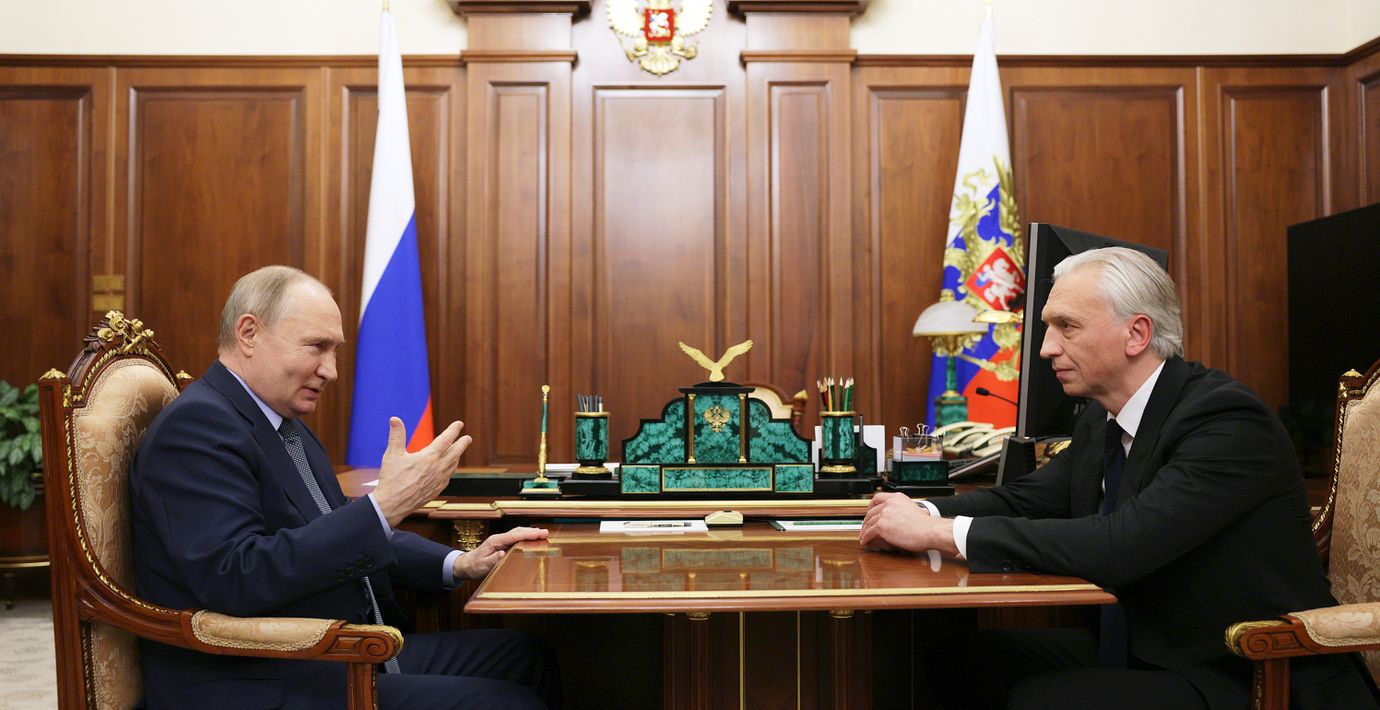
Now that key figures have been removed from under Dyukov, the conflict has subsided. But as long as Gazprom Neft continues to outperform its parent company, the tension is far from over.
The purpose of Gazprom’s transformation, according to Ilyukhina’s presentation, is to switch from “strong subsidiaries control a weak centre” to “a strong centre, compliant subsidiaries” model.
Gazprom is now working hard to recover its status.
The only possible way to replace its lost core market is by redirecting gas from the fields that once supplied Europe to China through the proposed Power of Siberia-2 pipeline. But when Putin visited Beijing last May, Miller was conspicuously absent amid intransigent demands from China on price and supply levels.
Instead, he flew to Tehran, seeking alternative revenue streams.
After Miller’s trip, Gazprom secured a 2 bcm a year pipeline deal with Iran, where outdated infrastructure causes supply disruptions even though it is the world’s third-largest natural gas producer.
In 2024, Gazprom increased exports to Central Asia, mainly Uzbekistan, and expanded pipeline supply via existing routes by 15 per cent overall — though volumes remain far below pre-invasion levels.
Gazprom has even floated unorthodox ideas to increase revenue, such as switching Russia’s long-distance trains to run on gas, according to two sources.
To fully restore financial stability, Gazprom needs a major western policy shift
The state has also stepped in to keep Gazprom afloat. Last year, it scrapped the Rbs600bn annual tax on Gazprom it imposed in late 2022, citing the need to “support investment.”
Gazprom has also benefited from consolidating its control over the Sakhalin Energy project to develop oil and gasfields in the Okhotsk Sea in Russia’s Far East, a joint venture with Shell whose stake was nationalised after it announced plans to quit the project. After buying it in 2024 at a steep discount, Gazprom reported an accounting profit of Rbs167.4bn.
These measures — some of which are simply shuffling money between different state pockets — were not enough to offset all of Gazprom woes. On March 17, it reported a loss of Rbs1.08tn for 2024 under Russian accounting standards, which cover only its core gas business — the worst result in its modern history. It is yet to release the international financial statement, which includes the subsidiaries’ results.
To fully restore financial stability, Gazprom needs a major western policy shift — a scenario that seems more plausible as Donald Trump pushes for an end to the war.
An ex-Stasi officer in East Germany and Putin’s close friend, Matthias Warnig, has also been advocating to restart the surviving Nord Stream 2 pipeline with backing from US investors.
Some EU officials are also in talks about restarting Russian pipeline gas sales, which sparked a backlash from some Brussels officials and eastern European diplomats. A person close to Gazprom says the company’s budget for the next three years does not factor in the revival of Nord Stream. “If it comes back, it’ll be a bonus,” they add.
But for now, Gazprom’s position remains precarious. In January, it asked the Russian government to safeguard its monopoly on pipeline gas exports until 2050 and “exclude competition” between Russian players in the world LNG market, where it is losing ground to Novatek.
It is also pushing for higher domestic gas prices, arguing that current price controls fail to generate enough funds for infrastructure investment.
Under Ilyukhina’s reforms, its business model would focus on the domestic market, offering everything from gas to electricity and financial services. But in recent years, Gazprom has lost key domestic clients, especially deep-pocketed businesses, to Rosneft, run by Putin’s other longtime ally, Igor Sechin.
Chasing the domestic market would be a “major shake-up”, according to Columbia’s Mitrova, likening a potential showdown to a scene from the sci-fi horror film Alien vs Predator.
But Mitrova is not entirely convinced that Gazprom, which is used to doing things its own way, is ready to embrace such a change.
“Hopes of NS2 reviving could be the brake that stops [the necessary transformation of a] Gazprom still longing for a return to the past.”
Additional reporting by David Sheppard in London
©The Financial Times Limited 2025. All Rights Reserved. FT and Financial Times are trademarks of the Financial Times Ltd. Not to be redistributed, copied or modified in any way.