
Spac-skaparna blir stormrika – men på vilkas bekostnad?
Investmentbolagen bakom spac-bolagen har kammat hem storvinster medan bolagen som köpts upp av skalbolagen inte blivit lika rikt belönade i transaktionen, skriver Wall Street Journal. Flera bolag har fallit på börsen efter sammanslagningar och det har genererat oro för att startup-bolagen ger andelar till spac-chefer eller kändisar som profiterar på andra aktieägares bekostnad och inte tillför något reellt värde till bolaget.
As SPAC Creators Get Rich, How Incentives Are Shared Remains Murky
Some investment executives who back SPACs keep lucrative benefits known as ‘sponsor promotes’ for themselves rather than share with clients
Juliet Chung and Amrith Ramkumar, The Wall Street Journal, 3 August 2021
Many investment executives who back special-purpose acquisition companies are scoring big paydays as more deals get completed. Some of their clients are missing out.
The divergence results from the varying methods SPAC creators use to share the lucrative incentives known as the “sponsor promote.” It typically consists of deeply discounted shares and other securities executives receive for risking capital to set up the SPAC and vet a company to take public. The promote typically allows creators to make tens of millions of dollars on paper on average—sometimes several times their initial investment—even if that company’s shares fall.
Altimeter Capital Management founder Brad Gerstner reached a $40 billion SPAC megadeal for app operator Grab Holdings Inc. in April, betting on the future of ride-sharing and food delivery in Southeast Asia. He, others at Altimeter and the SPAC’s board of directors are getting 90% of the promote in return, people familiar with the deal said. The rest is going to a Grab endowment fund to support social and environmental causes.
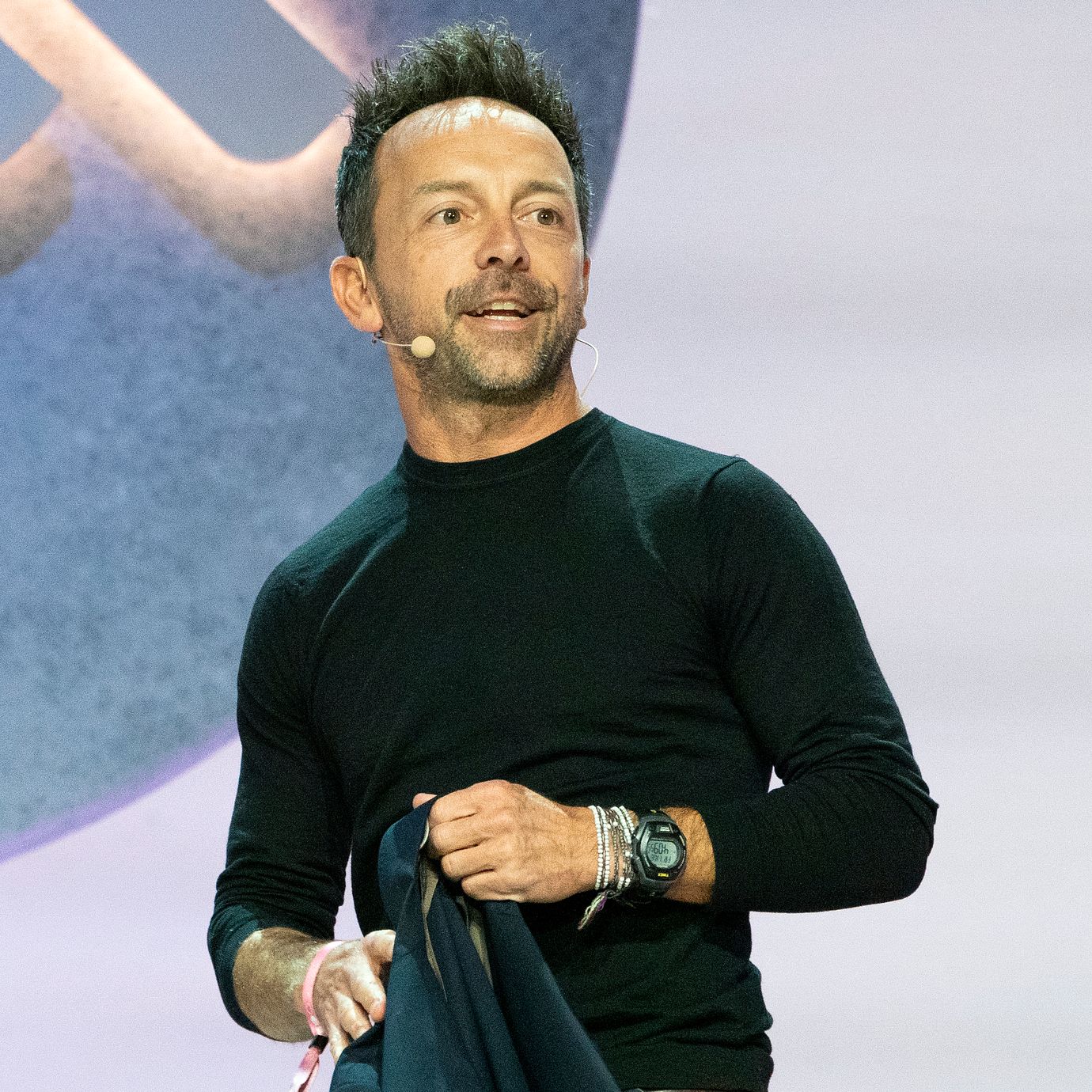
The shares and other securities that make up the promote in the Grab deal are valued at about $165 million at today’s prices and cost the sponsor roughly $12 million, according to New York University Law School professor Michael Ohlrogge, who studies SPACs.
Part of the Altimeter team’s promote will be reinvested in the firm’s capital markets business, which was started last year to help companies go public, according to a person familiar with the firm. Additionally, Altimeter took steps to reduce potential conflicts of interest with its clients and considers SPAC creation to be outside the mandate of its funds but beneficial to investors in them, another person familiar with the firm said; Altimeter’s increased profile resulting from its capital-markets activity has helped it secure investments in in-demand companies, that person said.
“There’s a lot of experimentation with what the market will bear while managers search for a new normal”
The economics of the promote for Mr. Gerstner’s Altimeter Growth Corp. SPAC stand at one extreme of arrangements for distributing SPAC windfalls, lawyers say. At the other end are deals where the benefits accrue mostly to investment funds and their clients, rather than to fund managers personally.
How promotes get distributed is murky. The Securities and Exchange Commission doesn’t require detailed disclosures about how they are shared, though it has said it is looking into the issue. Clients of investment firms whose principals create SPACs don’t always ask, or say they have limited means of pushing back against arrangements they don’t like.
“There’s a lot of experimentation with what the market will bear while managers search for a new normal,” said Daniel Forman, a capital markets partner at Proskauer Rose LLP.
Founder benefits are also in focus because shares of many companies going public through SPACs have fallen recently. Several such as Hyzon Motors Inc., ATI Physical Therapy Inc. and the Original Bark Co.—which operates online dog products retailer BarkBox—are down about 40% or more this year. The pullback has triggered concerns that startups are giving stakes to SPAC executives or celebrities who don’t add proportional value to the company and who are profiting at the expense of other stakeholders.
Some SPAC creators, like Oleg Nodelman of EcoR1 Capital LLC, have their funds directly sponsor SPACs. In a recent SPAC deal, Mr. Nodelman put more than 90% of the promote into his firm’s hedge funds and venture fund and gave the rest to the blank-check company’s outside directors. EcoR1 is a roughly $2.8 billion San Francisco-based firm investing in biotech companies.
Mr. Nodelman said in a statement he viewed any effort to invest in a biotech company as something the firm does for its funds and their investors rather than as a separate opportunity for the firm’s principals. “Treating our partners’ capital as if it were our own has always been in our DNA,” he said.
EcoR1’s flagship hedge fund has made roughly 36% a year since its 2013 start, according to people familiar with the firm.
If a SPAC clearly lies outside the mandate of an investment firm’s funds, clients likely would expect the promote to benefit the firm’ principals personally, advisers said. Some managers sponsoring SPACs say new investment products rarely benefit existing investors in other funds. The calculus becomes less clear if a fund itself could directly back the blank-check firm.
Also called a blank-check firm, a SPAC is a shell company that raises money and lists on a stock exchange to merge with a private company. SPAC deals have recently become a faster alternative to traditional initial public offerings. More than 100 SPAC mergers have been completed this year that collectively value companies at a record of roughly $240 billion, Dealogic data show.
In response to concerns about their incentives, some SPAC creators have put additional money into their deals, agreed not to sell the promote shares for multiple years or made their share sales subject to price thresholds. Altimeter executives have committed to hold their founder shares for three years.
In a SPAC deal to take HeartFlow Holding Inc. public, executives of Larry Robbins’ healthcare-focused Glenview Capital Management LLC are keeping three-quarters of the promote for themselves and others involved with the SPAC. The rest is going to Glenview’s hedge funds, which sometimes invest in private companies.
The SPAC team split up the promote that way “in the spirit of a good-faith partnership and fully disclosed the details in advance to our fund investors,” John Rodin, Glenview’s co-president and the SPAC’s CEO, said in a statement. The promote added to investors’ returns and helped Glenview—which manages about $4 billion—attract and keep talent, he said. Glenview’s flagship hedge fund has averaged 12.2% annually since its 2001 start, an investor said.
After earlier gains in companies including Twilio Inc. and videogame platform Roblox Corp. , Mr. Gerstner, 50 years old, vaulted to wide attention last year for Altimeter’s roughly $8 billion profit on its private investments in data warehousing firm Snowflake Inc. , which went public in 2020. He has criticized traditional IPOs as inefficient and having conflicts of interest.
Altimeter’s venture funds and hedge fund together manage about $15 billion; the hedge fund has averaged more than 25% a year since its 2008 start for clients who opted into private investments, said people familiar with its returns.
The Altimeter SPAC raised $500 million last October and Altimeter’s hedge fund is putting $750 million into Grab through a private investment in public equity, or PIPE. The total PIPE is more than $4 billion.