”Syriens nya ledare i hemliga samtal med Kreml”
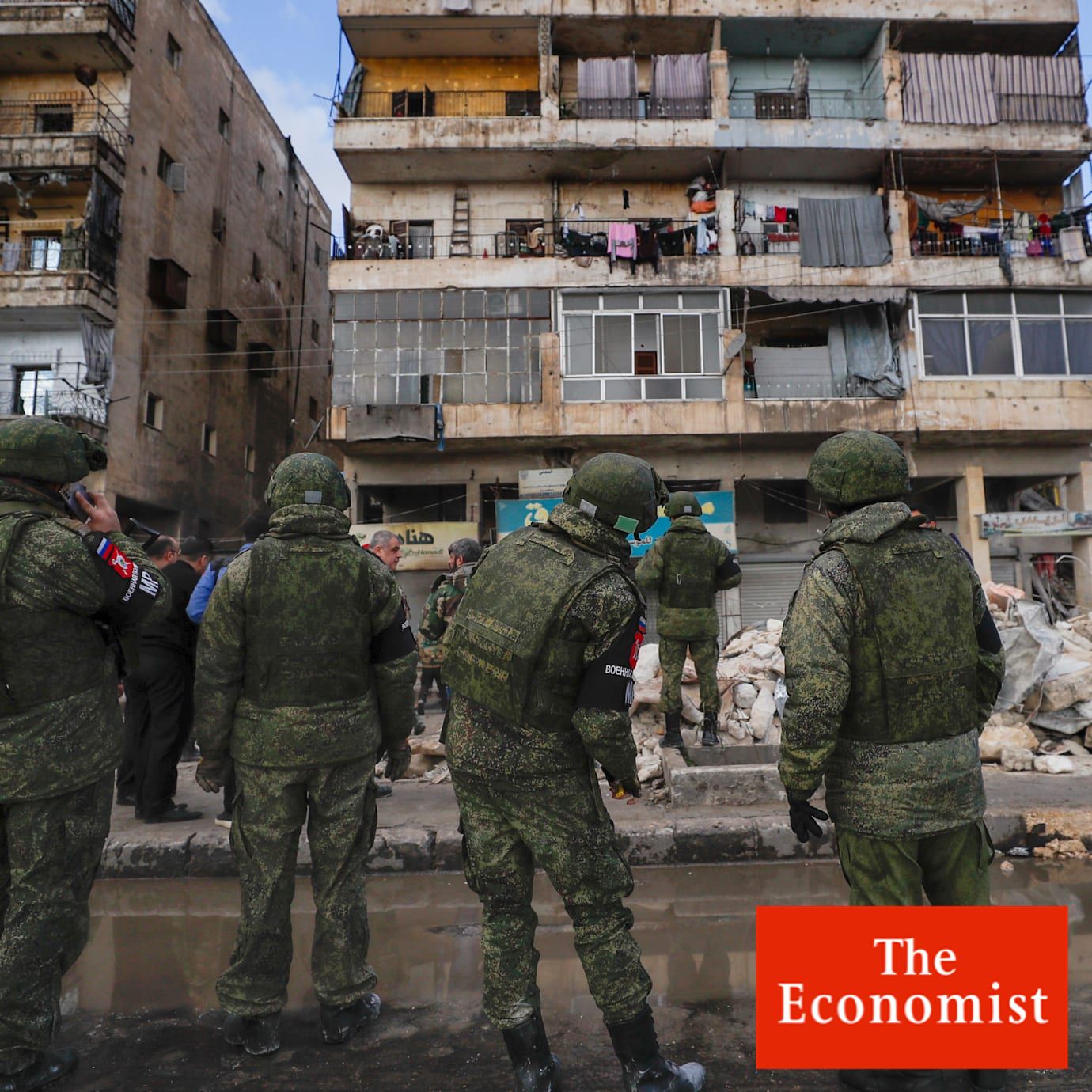
Efter kollapsen av Bashar al-Assads regim är Rysslands framtid i Syrien osäker. Många trodde att HTS-rebellerna skulle tvinga ut de ryska styrkorna i landet, men enligt The Economist har Ryssland och HTS inlett förhandlingar.
Ryssland hoppas kunna behålla sina militära baser i Syrien, medan Syriens nya ledare söker internationell legitimitet och ekonomiska partnerskap.
– Det finns inga röda linjer: det här handlar om intressen, inte ideologi, säger en källa till tidningen.
 The Economist
The secret talks between Syria’s new leaders and the Kremlin
They are negotiating with Russia about its military presence.
At the entrance to Khmeimim air base in western Syria, a portrait of Vladimir Putin keeps watch. A Russian soldier offers a salute to a convoy arriving from Homs. In recent days, the Kremlin has withdrawn hundreds of troops and military vehicles from other parts of Syria, in a mad scramble to consolidate forces at Khmeimim.
The runway is the one Bashar al-Assad used to escape to Moscow. Since the collapse of his bloody regime, Russia’s presence in Syria has been plunged into uncertainty. Many assumed that Hayat Tahrir al-Sham (HTS), the most powerful rebel group among those that overthrew the old regime, would chuck Russian forces out.
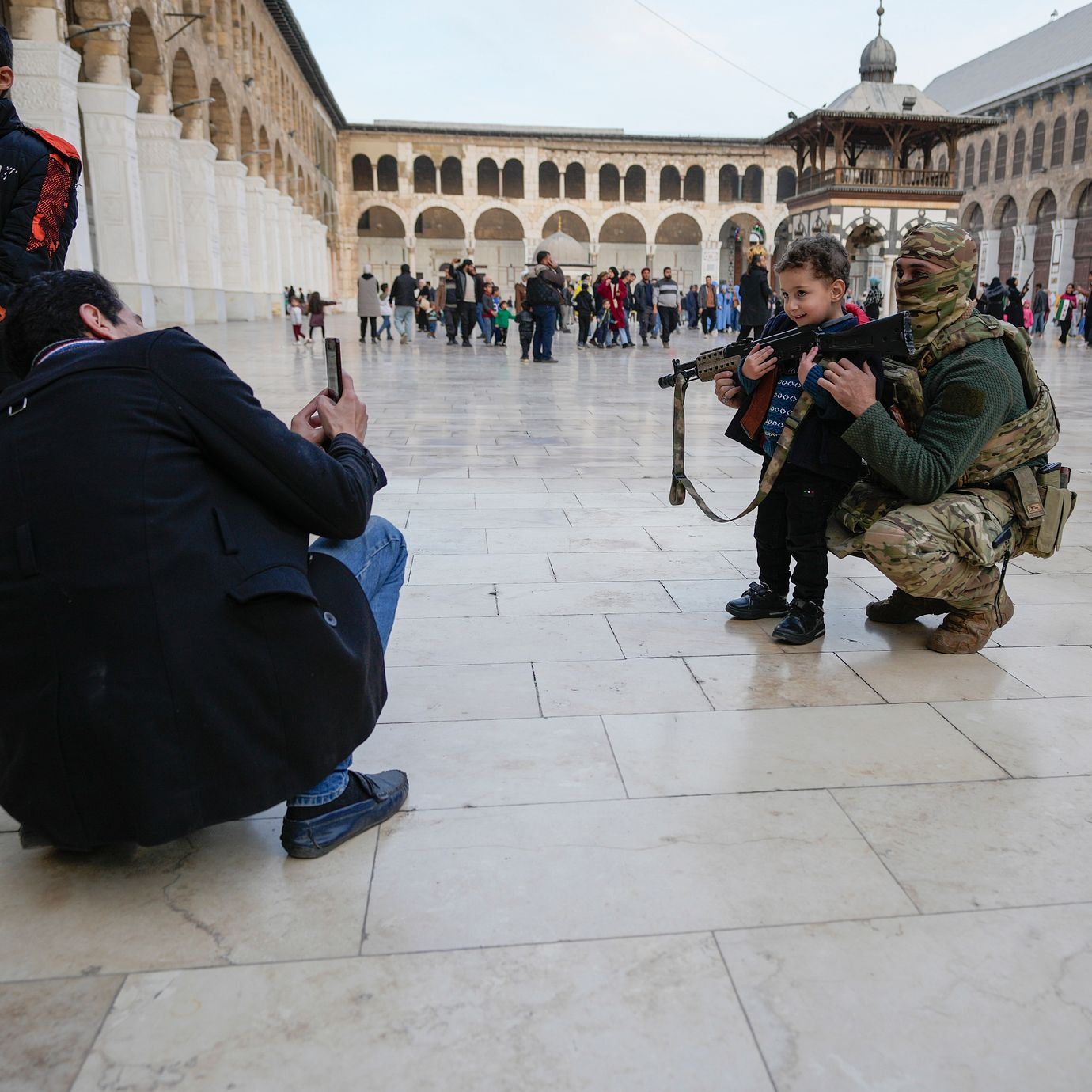
Yet according to reporting by The Economist, the two sides have now entered negotiations. An HTS source familiar with the talks says it is being pragmatic about Syria’s future relations with Russia. HTS has conceded that it will probably allow Russia to keep some or all of its bases. And it is likely to respect Russia’s lease at Tartus port, about 80km south of Khmeimim. That would mean Russia has retained access to its only deepwater naval facility on the Mediterranean. HTS also recognises it is unlikely to see Mr Assad extradited (no official request has been made). “There are no red lines: this is based on interests, not ideology,” says the source.
Russia, under Vladimir Putin, intervened in Syria’s civil war in 2015, to prop up Mr Assad at a time when it seemed that his regime might fall. In return, Mr Putin was awarded a number of key military bases. The two most important were the T4 base in the Homs desert, and the Khmeimim airbase. Even more crucially, in 2017, the Russians signed a 49-year lease for Tartus port, where they have had a longstanding presence dating back to the 1970s.
The Kremlin’s bases have been surrounded by opposition forces
Over the past decade Mr Putin’s air force has pulverised rebel-held areas on a daily basis, killing thousands of Syrians and keeping Mr Assad in power. When Mr Assad fled Syria, Moscow was the only place that offered him refuge. In the week since the regime fell, Russian transport aircraft have continued to fly out former regime officials, including former ministers, as well as extended members of the Assad family and the Makhloufs (relatives of the Assads who helped bankroll the former dictator and run the country) for hefty fees.
In what is reported to be his first statement released on Monday, Mr Assad said that he had fled the country via Khmeimim with Russia’s help on December 8th after it became clear that “the last army positions had fallen”.
In recent days Russia’s forces on the ground in Syria have been forced to co-ordinate with HTS, a group their government until very recently considered to be terrorists. The Kremlin’s bases have been surrounded by opposition forces. One HTS official says some are running out of food and water. Rubbish and sewage are building up. HTS is providing security for Russian convoys evacuating the T4 air base to go to Khmeimim.
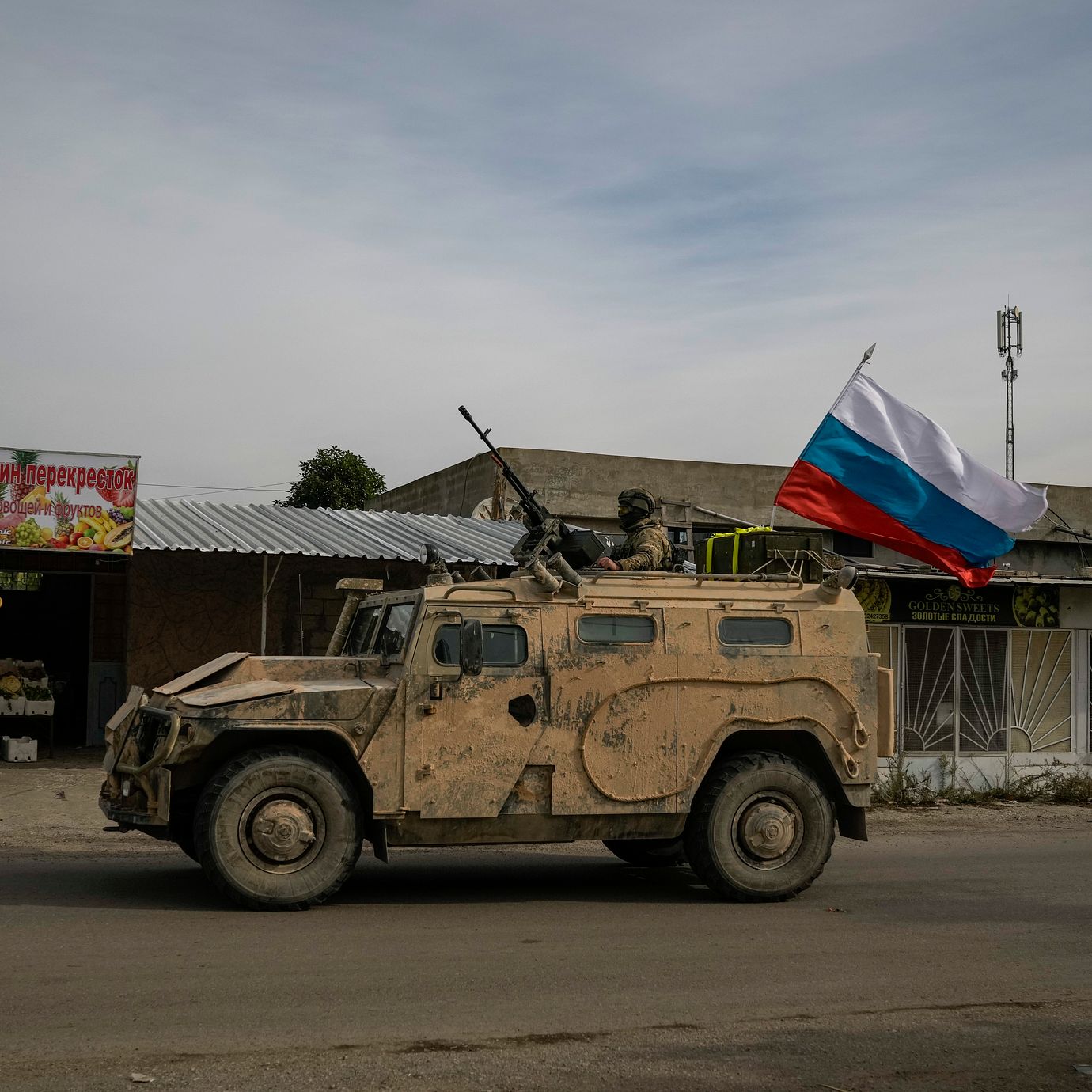
In the village of Khmeimim, shops have Russian on their signs. Soldiers posted at the air base spent roubles in the cafés and pharmacy. Some of the shop-keepers picked up a smattering of Russian. For almost a decade Russia’s presence was welcomed, despite the daily roar of its jets taking off to bomb Syrian hospitals in rebel-held parts of the country. Yet many Syrians are simmering with anger. At another entrance to the base a group of fidgety HTS fighters keep guard. “Russia is a terrorist state,” says one, “I hope they will leave.”
Russia has said it will give Syria humanitarian support in return for continued access to the port at Tartus and the Khmeimim airbase. But Syria’s new leaders say that will not be enough. They want diplomatic and economic ties with Russia that would provide at least some connection with the outside world. Meanwhile Ukraine, against whom Russia is fighting a long and bitter war, has offered wheat.
Despite the widespread loathing of Russia among many Syrians, HTS does not seem intent on revenge
Syria’s new leaders face difficult decisions. The HTS official says the group is keen to balance outsiders who are competing for influence. It does not want to line up definitively with any single power. But it does want international recognition. Members of HTS repeatedly point to the isolation of the Taliban in Afghanistan as a cautionary tale.
So far, despite the widespread loathing of Russia among many Syrians, HTS does not seem intent on revenge. A full Russian exit looks unlikely. For now they will take help from anyone who offers it. As the official explains: “We are at the first step of negotiations at this point. People are trying hard to stop the bloodshed; they would like to build a new life. We are forced to repair relations. The country is dead. People are very poor.”
© 2024 The Economist Newspaper Limited. All rights reserved.