Wikipedia (en)
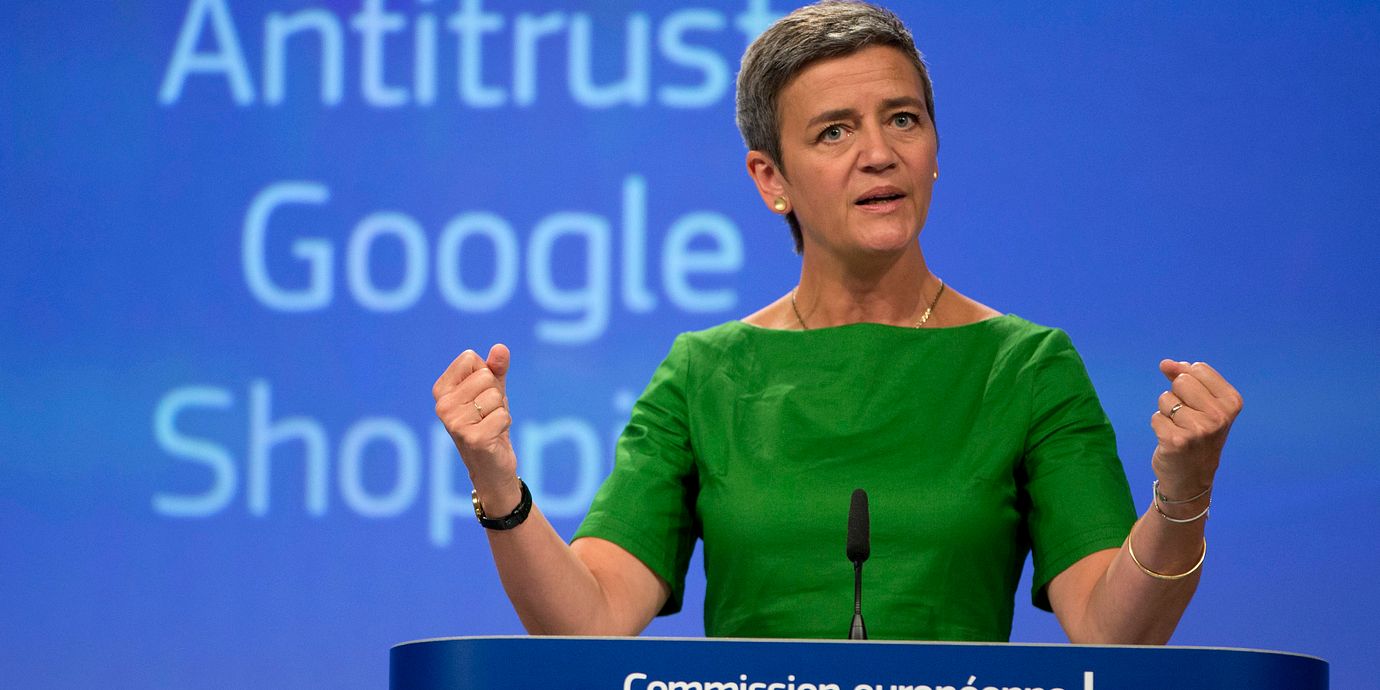
The Digital Markets Act (DMA) is a legislative proposal under consideration by the European Commission. The DMA intends to ensure a higher degree of competition in the European Digital Markets, by preventing large companies from abusing their market power and by allowing new players to enter the market. It establishes a list of obligations for designated Gatekeepers and in case of non-compliance, there will be enforced sanctions mechanisms, including fines of up to 10% of the worldwide turnover.This regulation targets the largest digital platforms operating in the European Union. They are also known as "Gatekeepers" due to the "durable" market position in some digital sectors and because they also meet certain criteria related to the number of users, their turnovers, or capitalisation. Even if the list of Gatekeepers has not been released yet, the "Big Tech" - GAFAM (Google, Amazon, Facebook, Apple, Microsoft) - are likely to be the main subjects of the act, but not the only ones.The list of obligations includes prohibitions on combining data collected from two different services belonging to the same company (for example Facebook and WhatsApp); provisions for the protection of platforms' business users (including advertisers and publishers); legal instruments against the self-preferencing methods used by platforms for promoting their own products (preferential results for Google's products when using Google Search); articles concerning the pre-installation of some services (Google Android); regulation related to bundling practices; provisions for ensuring interoperability, portability, and access to data for businesses and end-users of platforms.According to the European Commission, the main objective of this document is to regulate the behaviour of the Big Tech firms within the European Single Market and beyond. The Commission aims to guarantee a fair level of competition (“level playing field”) on the highly concentrated Digital European Markets, which are often characterised by a "winner takes all" configuration.The DMA covers eight different sectors and they are also known as Core Platforms Services (CPS). Due to the presence of Gatekeepers who, to a certain degree, affect the market contestability, the CPS are considered problematic by the European Commission: online search engines (ex: Google Search); online intermediation services (ex: Google Play, App store); social networks (ex: Facebook); video sharing platforms (ex: YouTube); communication platforms (ex: WhatsApp, Gmail); advertising services; operating systems (ex: Google Android); cloud services.The proposal has been submitted by the European Commission to the European Parliament and to the Council of the European Union on 15 December 2020. Along with the Digital Services Act (DSA), the DMA is part of the European Digital Strategy entitled “Shaping Europe's Digital Future”. The DMA was presented by the Executive Vice President of the European Commission for A Europe Fit for the Digital Age Margrethe Vestager and by the European Commissioner for Internal Market Thierry Breton, as members of the Von der Leyen Commission.This proposal is not expected to be implemented until 2023, as it has to be approved by the European Parliament and the Council.