Trots hånet av ”woke-kapitalism” – ESG på frammarsch

För sjätte året i rad rankar Barron’s USA:s mest hållbara företag. Genomgången visar att näringslivets omställning till en mer hållbar ekonomi fortsätter, trots hånet från republikanska politiker. De kallar ESG för vänstervriden woke-kapitalsim och vill förbjuda pensionsfonder att väga in ESG-kriterier i sina investeringsbeslut.
Företagen däremot, ser klimat- och hållbarhetsfaktorer som risker de måste hantera för att skydda sin framtida affär. Årets genomlysning visar på betydande framsteg inom återanvändning och återvinning, det vill säga cirkulär ekonomi. Rankningen visar också att 2021 överträffade 63 procent av de hundra mest hållbara företagen Wall Streets breda index.
 Barron's
Barron’s 100 Most Sustainable U.S. Companies
Amid a backlash against ESG, many companies are forging ahead with plans for a “circular economy” to cut waste and pollution. Here’s how some of the most sustainable companies are doing it.
ESG may sound like a meaningless acronym. To some politicians, it’s nothing less than a threat to American capitalism, and it needs to be reined in.
The term ESG refers to environmental, social, and governance ratings—basically evaluating company risks in regard to things like climate change, lack of diversity, and poor corporate governance. While it may sound well meaning, conservative politicians are attacking ESG as leftist “woke” capitalism. A Republican-led measure passed Congress this past week to block a rule allowing retirement funds to consider ESG factors when picking stocks; President Joe Biden said he will veto the measure. Former Vice President Mike Pence weighed in, deriding the White House on Twitter for “putting ESG and woke policies above hardworking Americans’ retirement accounts.”
The ESG backlash, however, isn’t stopping many companies from pursuing sustainability goals. And dozens of the largest ones are doing quite well, making progress on ESG targets and, in some cases, outperforming the broader stock market.
Which brings us to Barron’s 100 most sustainable companies.
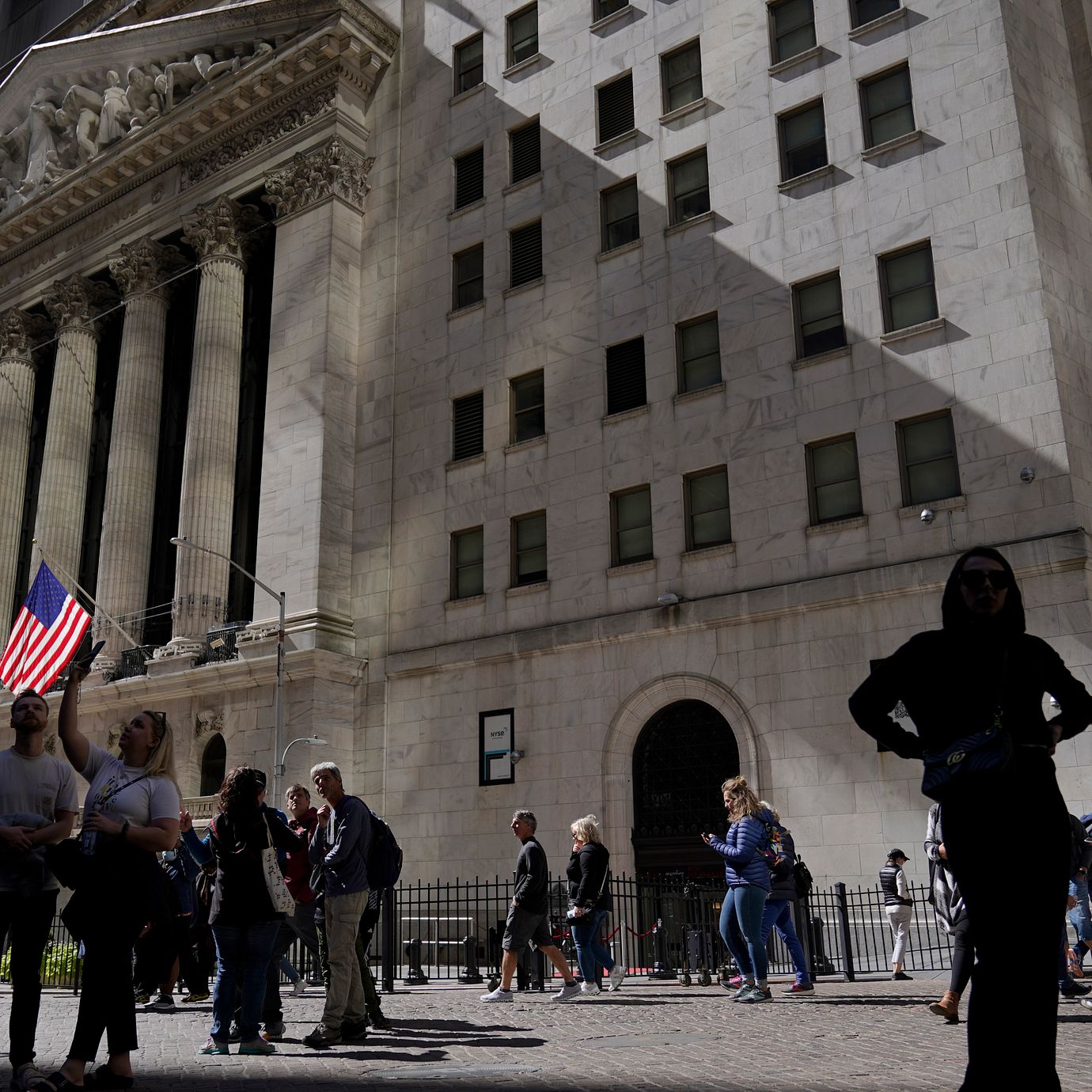
To make the list, our sixth annual ranking, companies were scored on a variety of ESG measures. Barron’s worked with Calvert Research and Management, a leader in ESG investing, to rank the companies. Calvert started with the largest 1,000 publicly traded U.S. companies by market cap. The top 100 firms achieved the highest scores across 230 ESG metrics, ranging from workplace diversity to greenhouse-gas emissions.
Along with progress on sustainability, many of the companies delivered strong results for shareholders. The top 100 returned an average negative 9.5% in 2022 versus negative 18.1% for the S&P 500 index. Moreover, 63% outperformed the index, up from 47% in 2021. The best performers were First Solar (ticker: FSLR), Merck (MRK), Halozyme Therapeutics (HALO), and Neurocrine Biosciences (NBIX). Other standout stocks included Campbell Soup (CPB), Hershey (HSY), Principal Financial Group (PFG), and Caterpillar (CAT).
A big theme in this year’s rankings was progress on a circular economy—keeping more products and materials recirculating in the economy to reduce waste and emissions. The efforts range from slashing the amount of virgin, or new, plastic in packaging to refurbishing heavy equipment for reuse.
“There’s a growing awareness that we have too much waste coming out of our economic system”
Caterpillar, for instance, made its debut on the list at No. 74. One reason: a push into refurbishing used equipment such as 34,000-lb. cast-iron engines that go into its mining trucks. The company says it reused 140 million pounds of metal last year, reducing greenhouse-gas emissions by 65% to 87% compared with production of new equipment. “Remanufacturing is at the heart of the enterprise strategy for services growth and sustainability,” says Brian Edwards, head of remanufacturing at Caterpillar. “Those two are inseparable.”
The push to reuse products arises from a growing consensus that recycling isn’t up to the job of sharply reducing pollution and waste. Recycling handles just 5% to 10% of global plastic waste produced annually. Tight supplies of recycled materials have led companies to use more virgin plastic, which is far less expensive now in some major categories of consumer products.
“There’s a growing awareness that we have too much waste coming out of our economic system, and particularly too much plastic waste,” says John Streur, chairman of Calvert, which is owned by Morgan Stanley (MS). “We don’t have the recycling and waste-disposal infrastructure to solve the problem. Companies are attempting to make progress on their own.”

Granted, ESG has gone from a well-intentioned exercise to quantify corporate risks on things like climate change—and perhaps help society and the planet—to a target of regulatory scrutiny and ridicule over what, if anything, it’s actually achieving. Critics assert the endeavor is rife with deceptive fund marketing practices and ambitious corporate promises that aren’t close to being met. Politicians like Florida Gov. Ron DeSantis, a vocal critic, say ESG shouldn’t be factored into state investment practices.
Many ESG-oriented funds, meanwhile, have missed market trends—notably a boom in energy stocks last year. ESG large-cap stock funds have a spotty record, trailing the S&P 500, on average, from 2012 to 2021, according to Morningstar.
Yet many companies seem determined to plow ahead. According to a survey of more than 600 companies conducted by Honeywell International (HON) last year, sustainability goals were perceived to be the top corporate priority, ahead of “digital transformation” and even profit growth. Part of it may be damage control—many companies face ESG-related risks, whether it’s from climate change or lack of workplace diversity. Activist shareholders and proxy campaigns have increased in ESG, prompting companies to ramp up progress. “The drive to reduce corporate exposure to ESG risk factors continues,” says Streur.
New Faces of Sustainability
With more companies focused on ESG, the ratings have increasingly bunched up. Chris Madden, a portfolio manager at Calvert, says scores are becoming tighter as more companies take sustainability seriously. “The ability for companies to stand out is becoming more difficult,” he says.
This year’s list includes three companies that earned the highest overall score, 76: Clorox (CLX), Intel (INTC), and Kimberly-Clark (KMB). Clorox came out a smidgen ahead, with a top weighted score of 76.09 versus Intel’s 75.68.
About a third of this year’s list consists of newcomers. They include No. 43–ranked WestRock (WRK), a paper and packaging company that has committed to having 100% of its products be recyclable, compostable, or reusable by 2025.
Sprouts Farmers Market (SFM), debuting at No. 57, allows shoppers to buy bulk products like nuts and grains using their own bags or containers, thus reducing packaging waste. Sprouts is also one of the few major grocery chains to recycle plastic itself, processing more than 500 tons of plastic film, according to its 2021 sustainability report.
Also making its debut this year is enterprise-software maker HubSpot (HUBS), landing at No. 98. The company performs well in key areas such as privacy, data security, workforce diversity, and safety, according to Calvert.
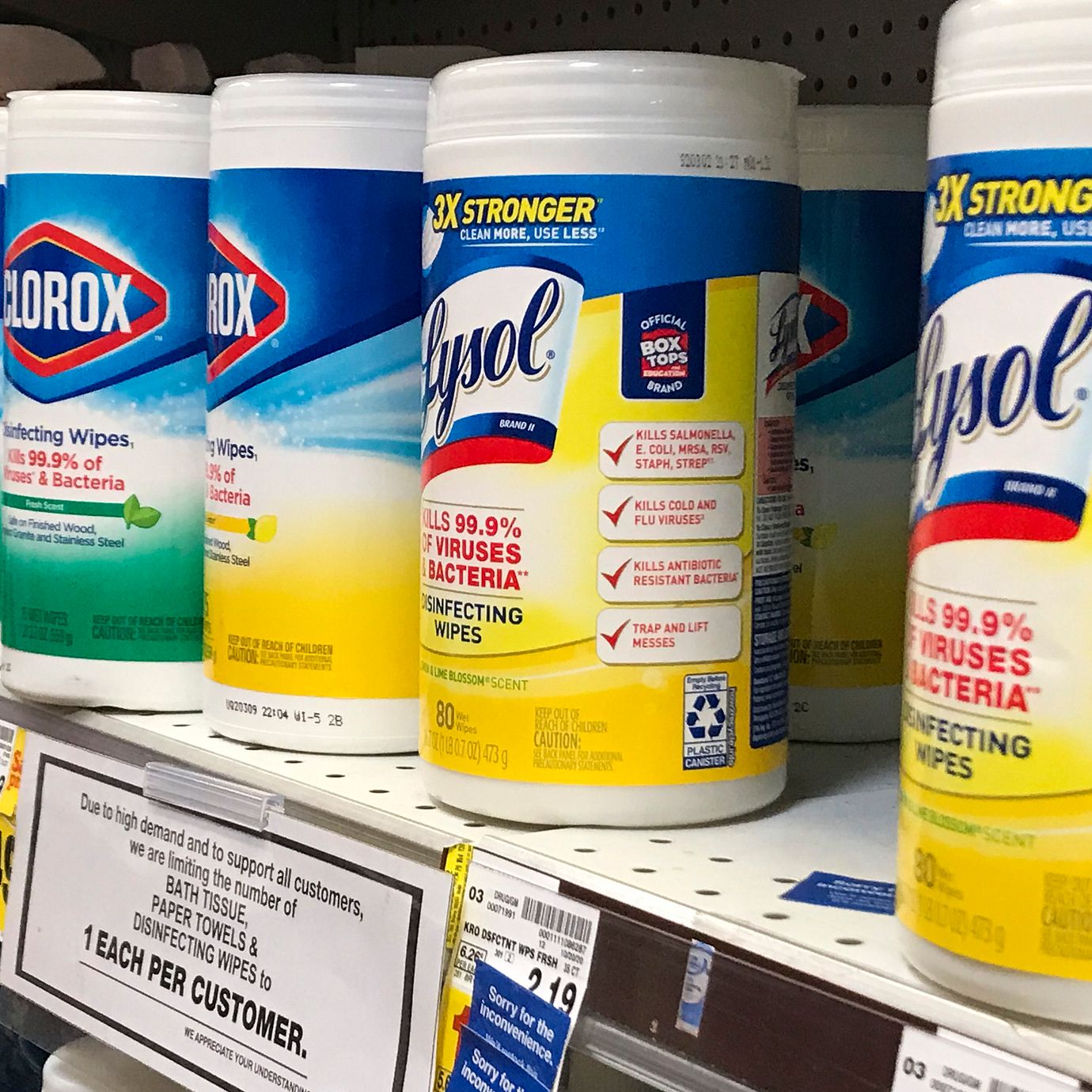
Clorox took top honors, thanks to strength in diversity, product safety, and progress in cutting plastic waste with products like refillable spray bottles, according to Calvert. Linda Rendle, the first woman to lead the company, hired Clorox’s first chief diversity officer, Shanique Bonelli-Moore. Overall, a quarter of Clorox’s board members are people of color, and half are women.
Clorox’s new refillable spray bottles, launched last year, epitomize its efforts to cut waste and nudge consumers to reuse products. The cleaning-spray bottles can be refilled up to 30 times with pods. Clorox says the system cuts plastic by 80% versus standard bottles—part of its efforts to take “aggressive action” to reduce waste, says Rendle.
The company is also working to cut its use of virgin plastic, making progress on a 2019 pact that it signed with the Ellen MacArthur Foundation. Clorox committed to a 50% cut in new plastic by 2030 and promised that 100% of its packaging will be recyclable, reusable, or compostable by 2025.
As of 2022, Rendle says, Clorox “was 84% of the way to the 100% goal.” The company also said it’s using 100% renewable electricity in the U.S. and Canada, and is targeting a policy of “zero waste to landfills.” Rendle says, “We avoid putting anything we possibly can in landfills.”
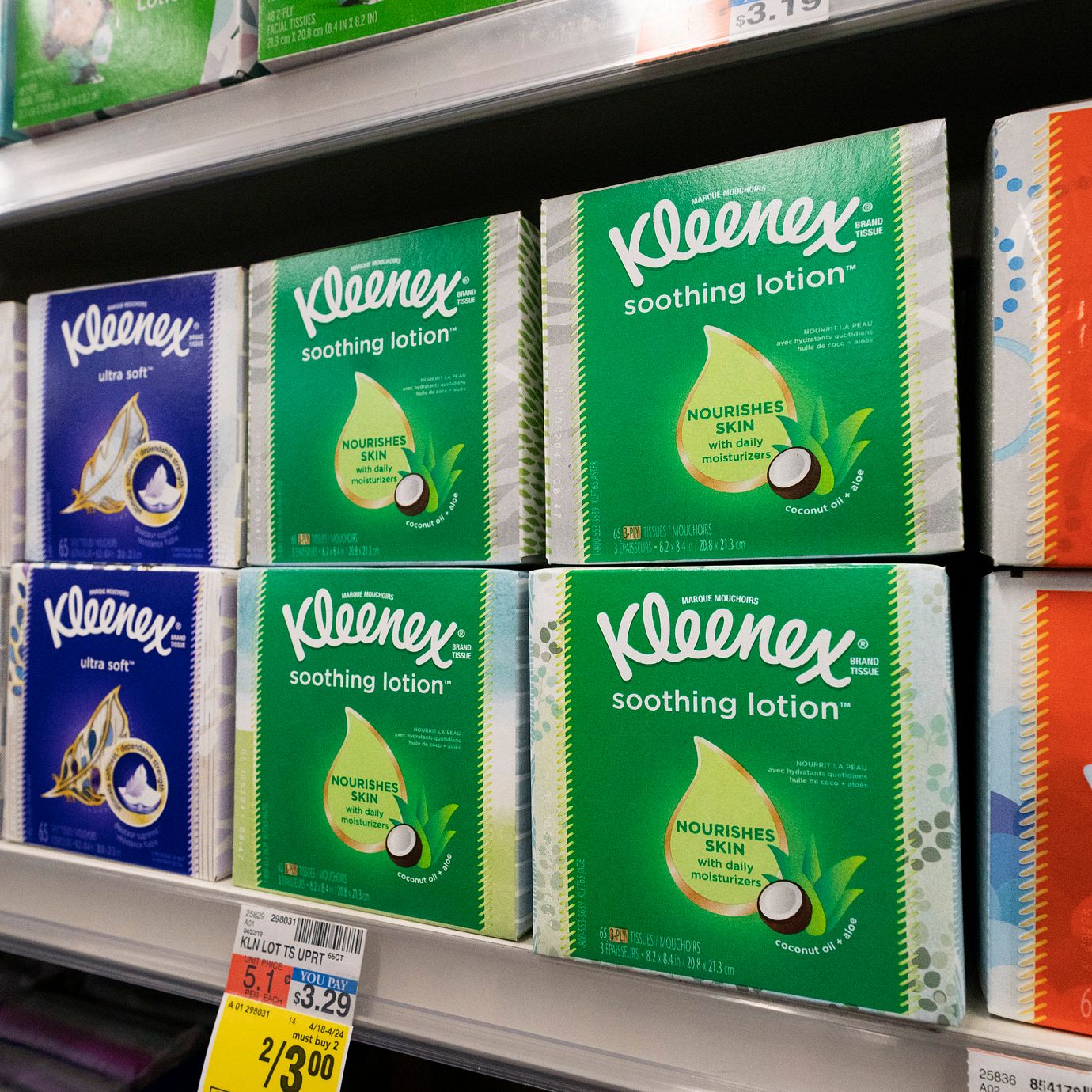
Kimberly-Clark made a big jump to third place from No. 23 last year. The maker of Kleenex tissues and Huggies diapers has committed to reducing its use of new, fossil-fuel-based plastics by 50% by the end of the decade from 2019 levels. It was only 1% of the way there, according to a recent report. But it’s faring better in another goal: for 100% of its packaging to be reusable, recyclable, or compostable by 2025. The company says it’s 84% of the way there.
“Concepts around the circular economy have begun to take root,” says Lisa Morden, vice president of safety, sustainability, and occupational health at Kimberly-Clark. The company is designing packaging with less plastic and replacing some fossil-fuel-based plastics with biodegradable material, she says. Kimberly-Clark is also recycling medical equipment like garments, face masks, and gloves, turning them into plastic pellets for things like flowerpots, lawn furniture, and bicycle racks.
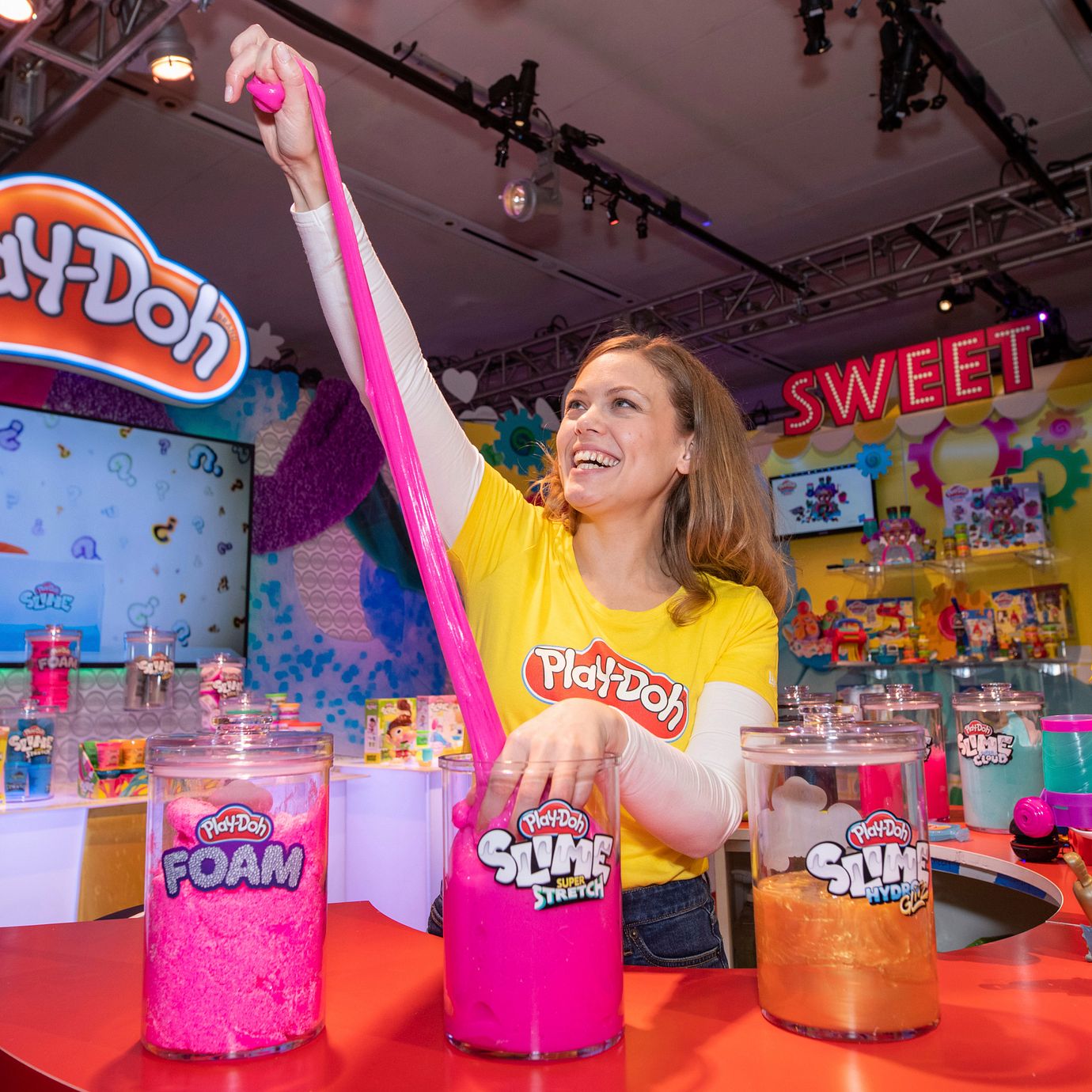
Hasbro (HAS) returned to the list after a two-year hiatus, landing at No. 10. Its leading ESG practices include efforts to ensure that workers at toy suppliers are treated fairly, according to Calvert. The company runs a global toy-recycling program, available in 12 countries, which reuses plastics and other materials.
The toy maker is trying to eliminate nearly all plastic from its single-use packaging, including bags, shrink wrap, and blister packs. But, cautions Kathrin Belliveau, its executive vice president and chief purpose officer, “There’s definitely not a one-size-fits-all solution” given the range of products the company sells. For example, collectibles such as Star Wars action figures will still come in full packaging, since superfans like to leave the figures encased in plastic. However, the packaging will be made out of plant-based or recycled material.
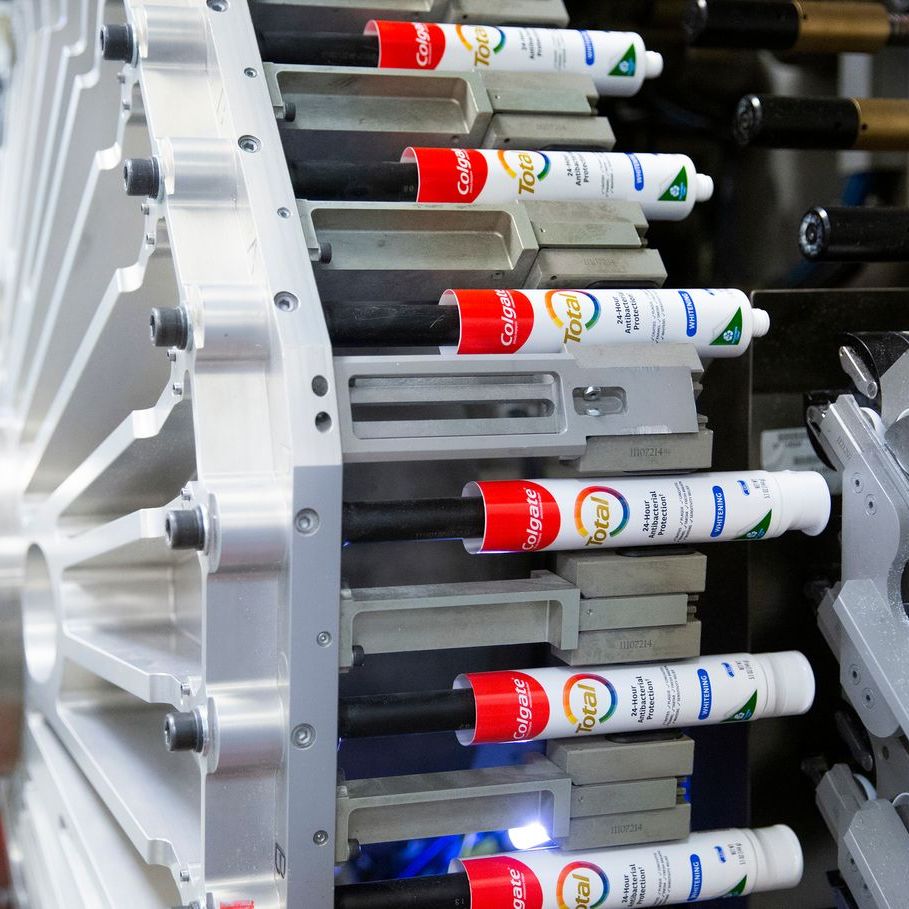
Colgate-Palmolive (CL), ranked 14th, cut its use of new plastic by 9% at the end of 2021, on its way to a targeted 33% reduction by 2025. Colgate is also working to convince shareholders that its sustainability initiatives aren’t just a feel-good exercise. “When we talk to investors, we use the terminology an ‘existential issue’ for us from a reputational standpoint because all of the packaging today is in plastic,” says Ann Tracy, chief sustainability officer at Colgate.
One area headed for an overhaul: toothpaste tubes. The world uses about 20 billion tubes a year, nearly half produced by Colgate, Tracy says. Since most tubes are made with mixed materials, they aren’t recycled. Colgate is trying to change that. In 2019, the company started making tubes from high-density polyethylene, or HDPE, the same No. 2 plastic used for milk and detergent bottles. Tracy says the company plans to switch to recyclable HDPE for all of its toothpaste by 2025. “We will meet the deadline, maybe even a little ahead of 2025,” she says.

Caterpillar, for its part, is trying to create more of a circular economy for its products through remanufacturing everything from engines to electronics and hydraulics equipment. Caterpillar remanufacturing—known as Cat Reman—turns components that would otherwise be scrapped into like-new condition. The benefits include less need for the raw materials, water, and energy associated with producing new parts.
While Cat Reman has been around since 1973, it only became its own division in 2021. Today, Cat Reman operates in seven manufacturing locations worldwide, capable of handling more than 8,000 parts used in energy and transportation, resource industries, and construction. The company says Reman products use up to 87% less energy, water, and material compared with manufacturing a new product. The business is remanufacturing an average 12,000 engines a year.
“Caterpillar products are built to be rebuilt,” says Edwards. While the company doesn’t break out revenue for Cat Reman, it could be a lucrative revenue stream—lifting Caterpillar’s bottom line while doing a bit of good for the planet.
How We Ranked the Companies
To build our list of most sustainable companies, Barron’s worked with Calvert, a leader in ESG investing. Starting with the 1,000 largest publicly traded companies by market value, Calvert ranked each one by how it performed in five key constituencies: shareholders, employees, customers, community, and the planet. Specifically, Calvert looked at more than 230 ESG performance indicators from seven rating companies, including ISS, MSCI, and Sustainalytics, along with using other data and Calvert’s internal research.
These data were organized into 28 topics that were then sorted into five categories. In the shareholder category, for example, topics included board structure, business ethics, and executive compensation. For employees, workplace diversity was a key topic. The planet category included greenhouse-gas, or GHG, emissions and related policies, biodiversity, and water stress. Calvert assigned a score of zero to 100 in each category, based on company performance. Then, it created a weighted average of the categories for each company, based on how financially material the category was in its industry. To make Barron’s list, a company had to be rated above the bottom quarter in each material stakeholder category. If it performed poorly in any key category that was financially material, it was disqualified.
The best 10 of Barron's 100 Most Sustainable U.S. Companies 2023
For our sixth ranking of the most sustainable companies, Calvert Research and Management scored the 1,000 largest publicly traded companies across 230 environmental, social, and governance or ESG, performance indicators.
1. Clorox / CLX
2. Intel / INTC
3. Kimberly-Clark / KMB
4. CBRE Group / CBRE
5. Waters / WAT
6. Jones Lang LaSalle / JLL
7. Best Buy / BBY
8. Carrier Global / CARR
9. Ecolab / ECL
10. Hasbro / HAS