Ubers resa från ungdomlig excess till ren lönsamhet

– Vi försökte inte ens vara lönsamma. Vi försökte vinna marknadsandelar genom att skapa en vana där passagerare kunde räkna med att få skjuts inom tio minuter eller mindre i vilken stad som helst, säger Emil Michael, dåvarande affärsutvecklingschef.
Mellan 2009 och 2017 pågick Ubers galna tillväxtresa. Sedan byttes den kritiserade vd:n Travis Kalanick ut mot Dara Khosrowshahi som gjorde företaget börsfäigt. Pandemin blev en ytterligare utmaning, men också en chans att växa inom hemkörning av mat. Bloomberg Business berättar historien om hur Uber växte upp och blev lönsamt.
 Bloomberg
How Uber Beat the Skeptics and Became Profitable
Once famous for hemorrhaging cash, the former poster child for Silicon Valley excess is all grown up.
Uber reported its first annual profit on Feb. 7. It was a milestone for the San Francisco-based ride-hailing and food delivery company, which was once infamous for hemorrhaging cash as it sought growth at all costs. Not only is Uber now solidly in the black, but it also was recently admitted into the S&P 500, and on Feb. 14 its board authorized a plan to return as much as $7 billion to shareholders.
In other words, the former poster child for Silicon Valley disruption appears to be all grown up. Here’s a look back at the distinct eras in the company’s bumpy path to profitability.
Growth at All Costs
Uber Technologies Inc. was founded in 2009 and rose to prominence in an era in which low interest rates kept the venture capital flowing freely. Under the brash leadership style of co-founder and then-Chief Executive Officer Travis Kalanick, it spent heavily to entice black-car drivers and customers to match up on its on-demand car service app. This made for-hire car service much more accessible and came with the novelty of pressing a button on a phone and having a private ride available in a matter of minutes.
To create enough volume, the company guaranteed drivers $500 for the first 10 trips and offered $20 in free rides to customers who referred their friends, says Emil Michael, chief business officer at the time. “It cost a lot of money,” he says. “Those of us in the market were not even trying to be profitable. We were trying to gain market share and create a habit where riders could reliably get a ride in 10 minutes or less in any city.”
”We were trying to gain market share and create a habit where riders could reliably get a ride in 10 minutes or less in any city”
Uber also played a cat-and-mouse game with municipal regulators, dodging local laws that regulated taxicabs. It infuriated local officials with antics such as evading authorities by serving up a fake version of its app to inspectors and other officials to thwart sting operations that would “entrap” its drivers.
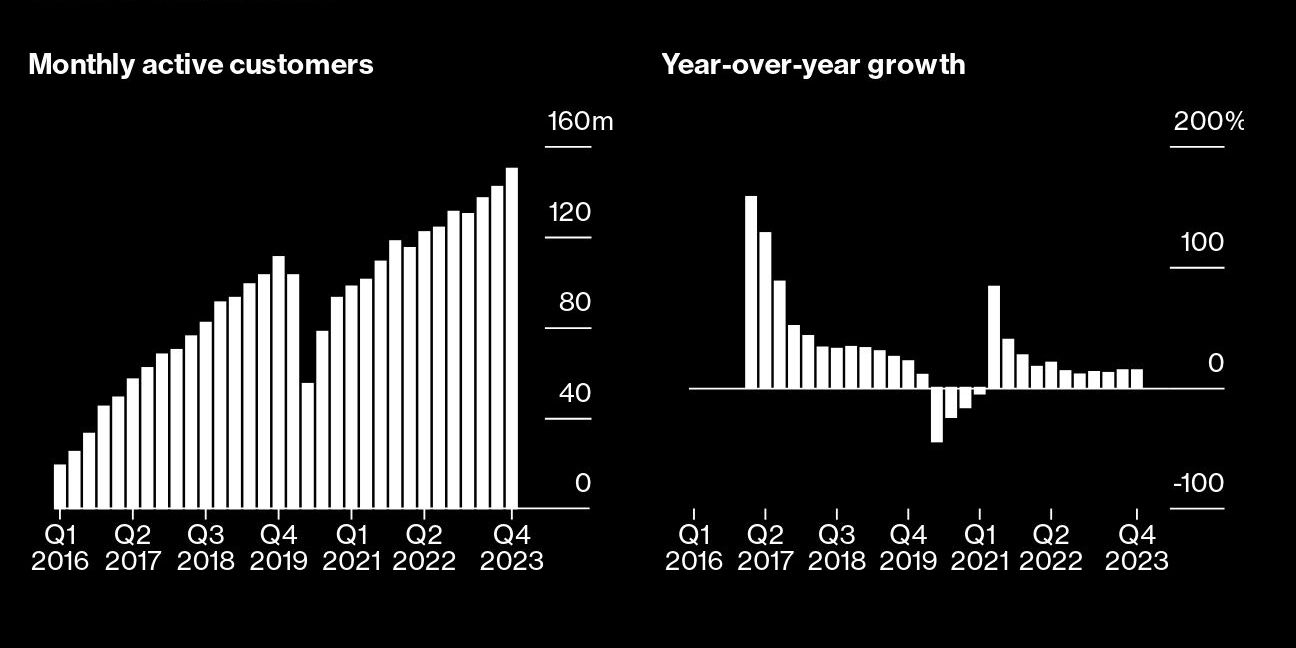
Uber didn’t mind that this aggressive approach made it enemies as long as it also helped secure strong growth and market position. The company drew riders away not only from taxis but also from public transit. By 2016, seven years after its founding, the company was valued at $69 billion, with 45 million monthly active users. Lyft Inc., its most direct rival, had 6.6 million users four years after its inception.
In addition to its core business, Uber started an ambitious autonomous driving operation and bought its way into the bike- and scooter-sharing market. The combination of several money-losing businesses wasn’t a formula for near-term profitability. By 2018 it had accumulated $7.87 billion in losses.
The Unicorn Stumbles
Uber’s public perception problems went beyond city officials. A series of media exposés about a toxic workplace culture, Kalanick’s personal behavior and mounting regulatory probes around its business practices drew concern from board members and investors regarding the legal risks the CEO’s combative personality posed. These issues led to his ouster in 2017. Former Expedia Group Inc. CEO Dara Khosrowshahi was hired to overhaul the company.
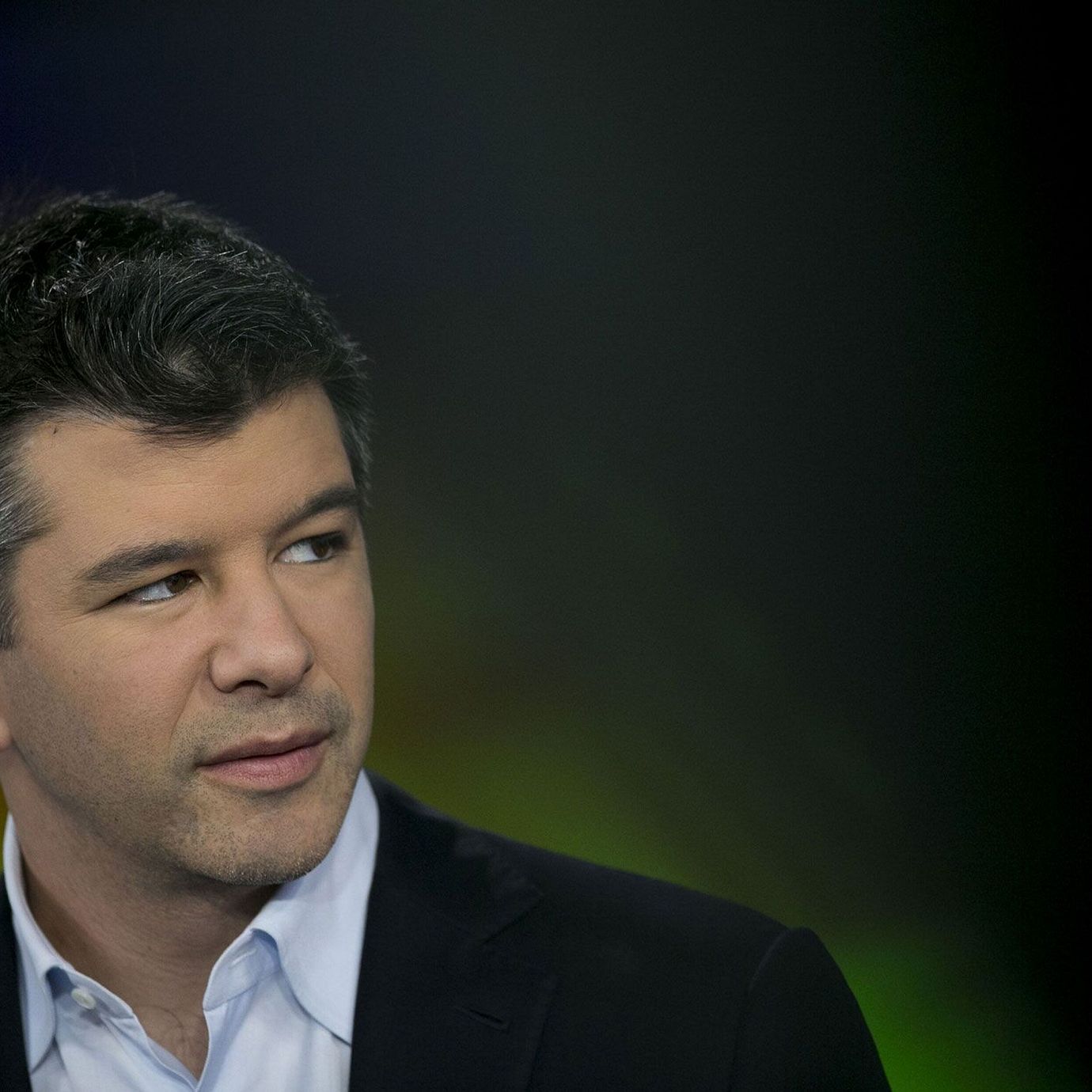
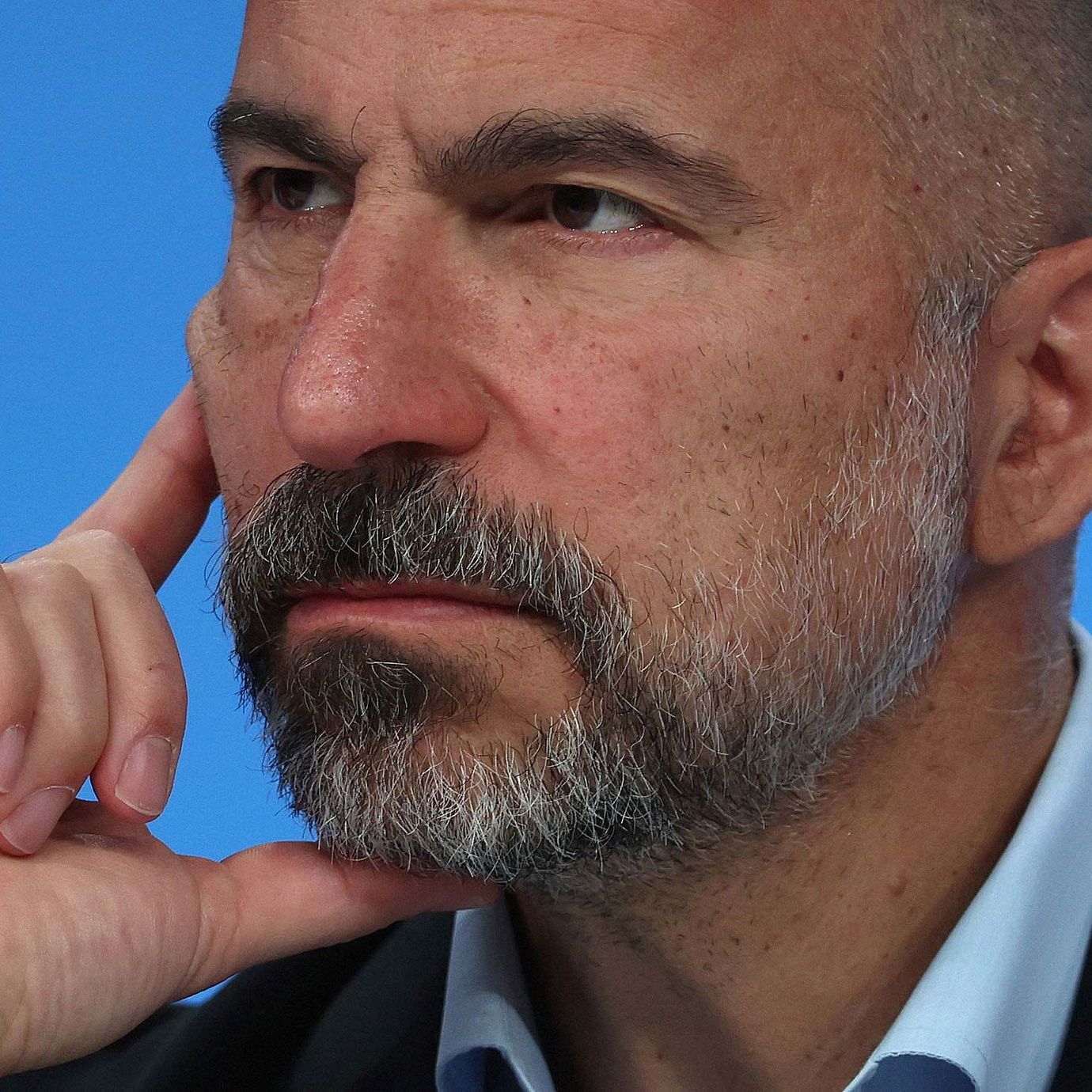
Khosrowshahi’s leadership was a stark departure from the Kalanick era. He struck a conciliatory tone when he introduced himself in an advertisement titled “Moving Forward,” part of a $500 million global campaign to repair the company’s image. The 2018 hiring of longtime banking executive Nelson Chai as chief financial officer also marked the shift toward being more disciplined about costs, which set it on its path to becoming a public company with a healthy balance sheet.
“When Dara joined, he had a lot to fix,” Chai says. “When I joined, he really needed a partner—his words, not mine: ‘another adult in the room’—to help with the company. It was really not operating like a public company would or should. And frankly, obviously, the whole financial side was quite challenged.”
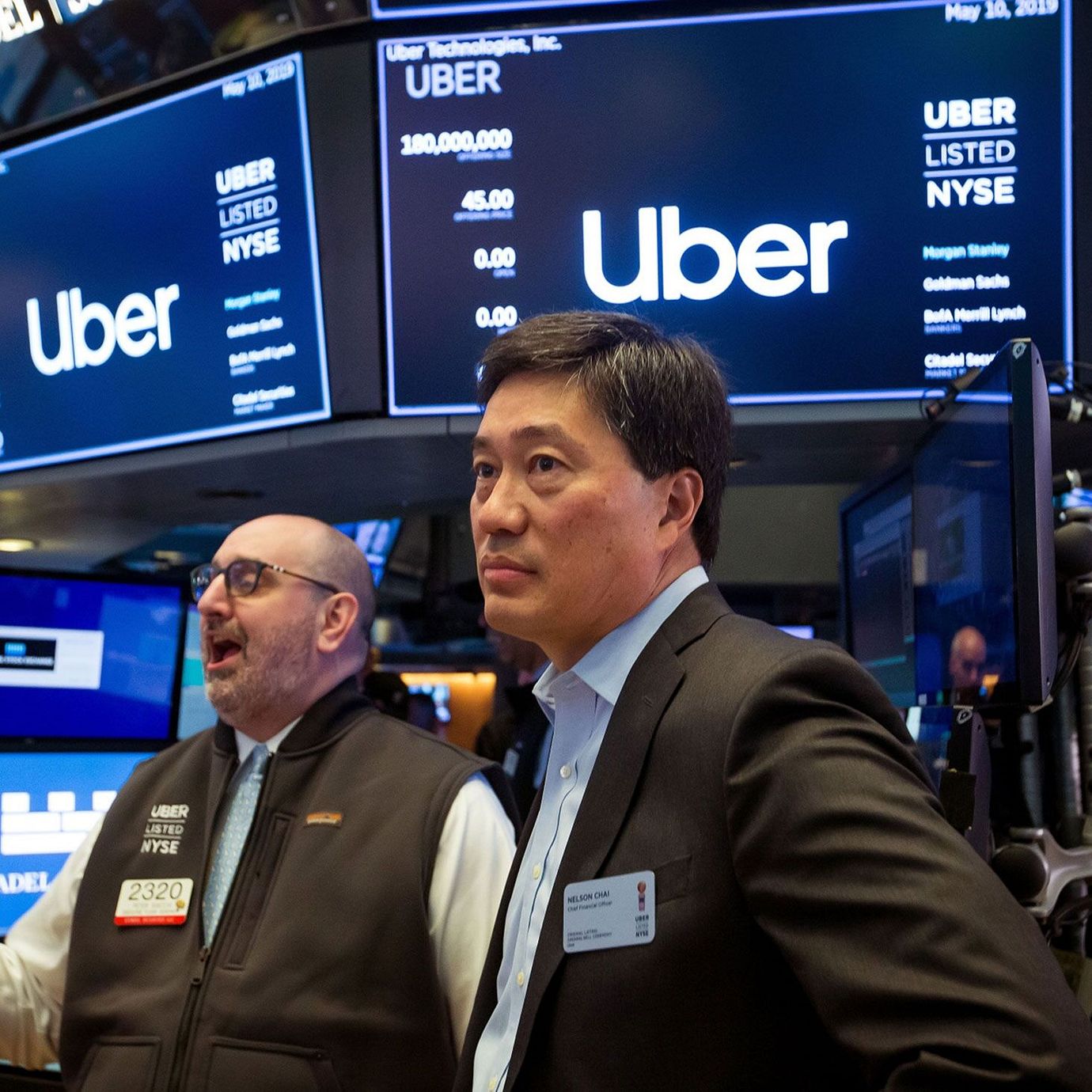
After Chai and new Chief Accounting Officer Glen Ceremony built out the controls and processes needed to operate a public company, Uber was able to raise $8.1 billion for its eventual debut on the New York Stock Exchange in 2019.
Still, investors were skeptical about the growth trajectory of the company and the broader ride-hailing industry. Uber fell 7.6% on its first day trading on the exchange, making it one of the worst US initial public offering debuts in a decade amid a tumultuous time in public markets.
A Pandemic Opportunity
Covid-19 turned out to be a critical moment for Uber. The company was forced to evaluate its investment priorities, Chai says, when the pandemic decimated its core ride-hail business. Uber offloaded the loss-making bikes and scooters business it had bought in 2018 and wound down its autonomous vehicle division, which had stopped testing vehicles after one struck and killed a woman in Arizona. It departed some overseas markets and let go of 20% of its workforce. The company has kept its head count relatively unchanged since then.
Uber also invested heavily in the food and grocery delivery business, allowing it to capitalize on pandemic-induced lockdowns. It acquired the food delivery app Postmates, the alcohol delivery company Drizly and Latin American grocery delivery company Cornershop. These deals in new markets meant that Uber continued to accumulate losses before it was able to grow the delivery segment into a profitable one. But in a sign of discipline around mounting costs, Uber later cut jobs at the acquired companies and folded their brands into its primary app.
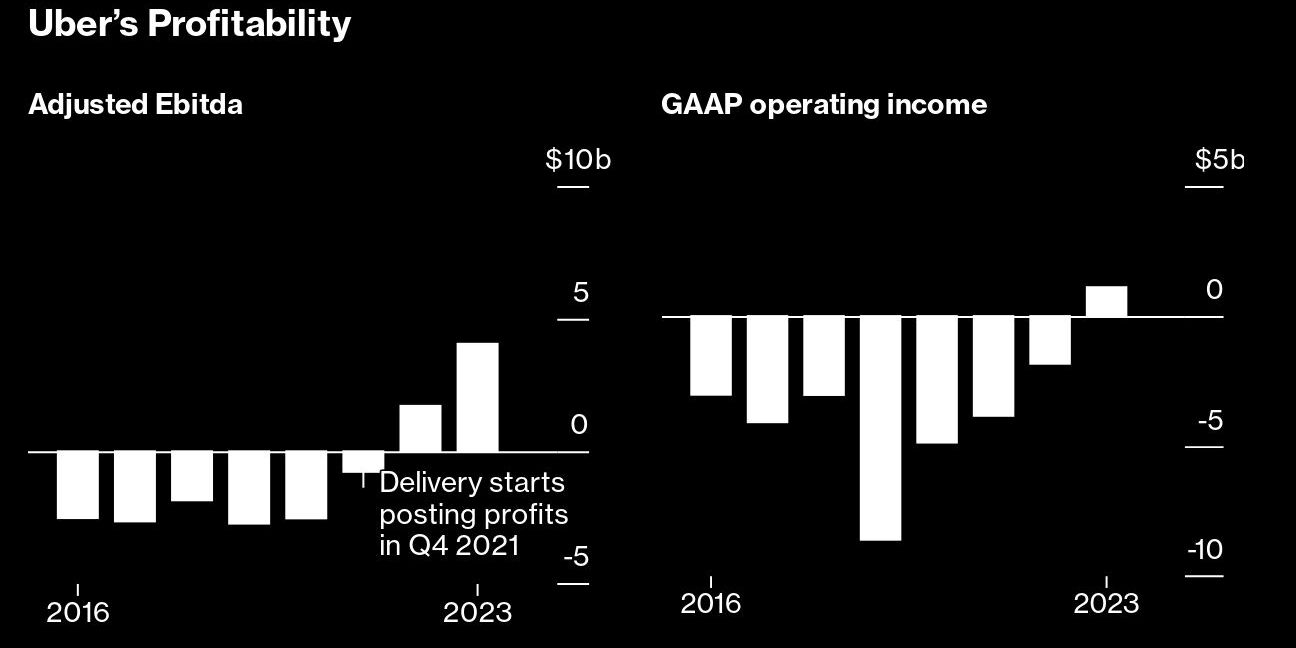
Uber also spent on discounts and incentives to lure users and drivers back to the platform as the pandemic eased. By 2022 it had lost more than $30 billion. Still, investors were drawn to the potential benefits of Uber’s scale. The company managed to gain more users and drivers than ever, and began to spend less to attract new users than it had in its early days of subsidizing rides and offering steep discounts. Uber also indirectly benefits from higher interest rates, which have cut down on competition by making it harder for potential rivals to find investment.
Future Challenges
Uber and other gig economy companies continue to face legal scrutiny as drivers demand more pay and better benefits. The industry spent millions of dollars to pass legislation in 2020 in California that kept drivers classified as independent contractors rather than as full-time workers, which would significantly increase costs. But drivers and labor groups have continued to raise concerns about Uber’s opaque pricing model, which determines the cut the company takes from each ride. Monthly earnings of Uber drivers and couriers in 2023 fell 17% from a year earlier, according to an analysis of data based on 500,000 gig drivers by Gridwise, an app that drivers use to track their earnings. Some analysts argue that Uber has become profitable largely by skimping on driver payments.
Uber maintains that the overall portion it takes from drivers has remained more or less steady. It said that median rideshare driver earnings in the US in the fourth quarter of 2023 fell 5.7%, to $33 per utilized hour from $35 a year earlier, as incentives retreated, but that measure has grown almost 30% over the past six years. The earnings metric doesn’t account for the time spent waiting between pickups and for expenses such as gas and car maintenance.
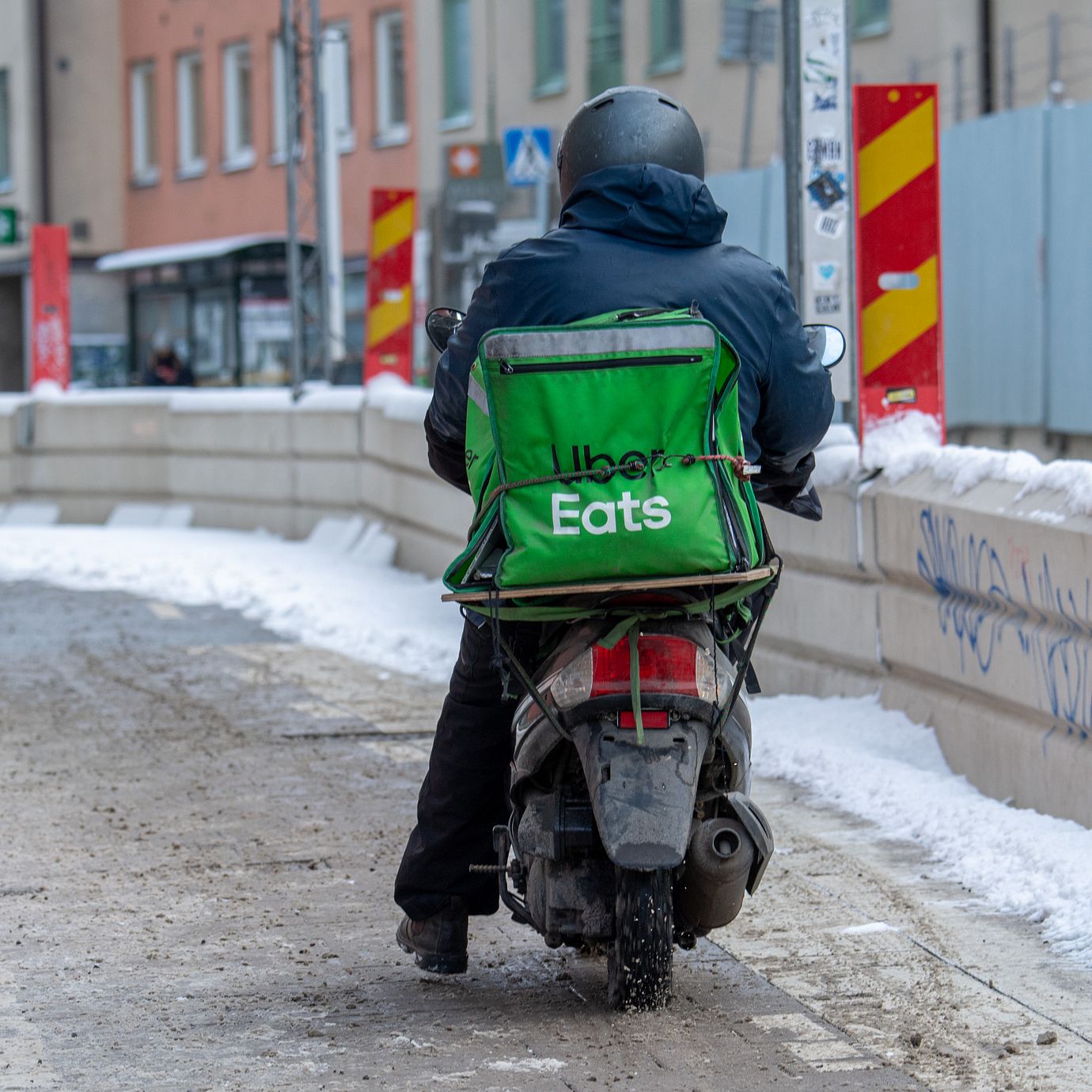
In markets where labor regulations have kicked in, Uber and its peers have mostly passed on the cost to customers. After New York City mandated a minimum pay standard for delivery drivers, Uber added a $2 courier fee to all orders. To soften the shock to consumers, the company modified its app to move the tipping option to after checkout, resulting in a massive reduction in tips for workers, even as their overall pay rose to meet the new standard. It also introduced a scheduling system to limit the number of drivers who can deliver at a given time, effectively controlling its costs.
By and large, customers seem willing to pay the premium for the rising cost of Uber’s services. And even with ongoing regulatory risks, Uber’s dominance puts pressure on officials to accommodate the company. “It’s showing a lot of the regulators that this is what the consumers prefer,” says Ali Mogharabi, a senior equity analyst at Morningstar Inc. who’s been covering Uber since 2019. “At the end of the day, regulators keep that in mind.”
For more articles like this please visit us at bloomberg.com