Varmare klimat svårstoppat – kan vi då anpassa oss?
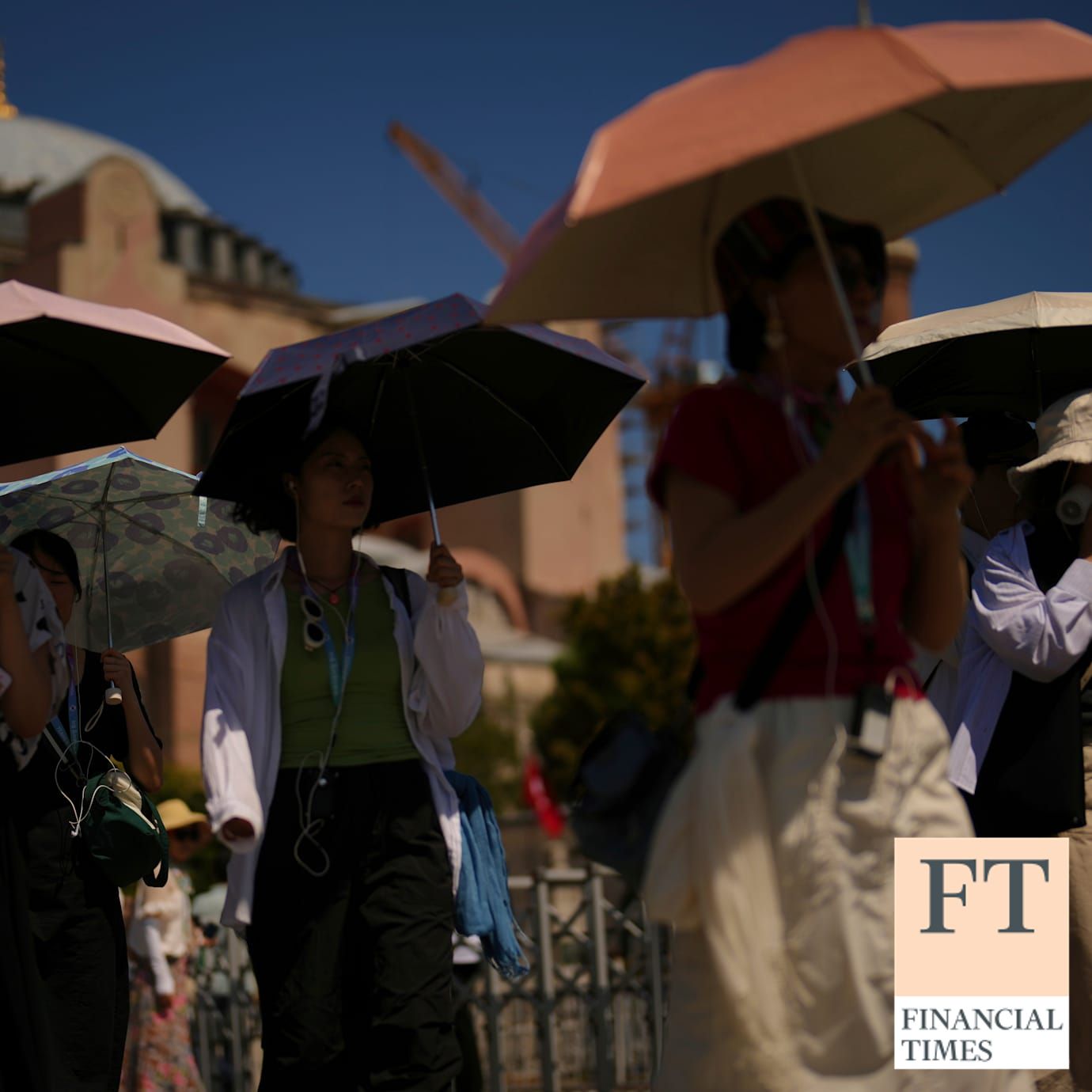
Politik för att dämpa global uppvärmning räcker inte. Anpassning är ”absolut nödvändigt” när alltmer frekventa värmerekord och naturkatastrofer drabbar världen, säger FN:s klimatchef Simon Stiell till Financial Times.
Det handlar om allt från översvämningsskydd till förändrade jordbruksmetoder. Frågan har seglat högt upp på agendan när världsledare möts vid COP30-toppmötet i Brasilien.
Samtidigt varnar experter för risker med missriktade åtgärder. Dåligt utformade skyddsvallar och felplanterade träd riskerar att förvärra problemen.
 Financial Times
The world is struggling to halt climate change. But can it adapt?
At COP30, ‘adaptation’ to global warming is high on the agenda as efforts to reduce emissions stall.
The citizens of Phoenix, Arizona, are well versed in the reality of living with blazing temperatures. But even in the US’s sunniest large city, which is located in the Sonoran Desert, the past few summers have been exceptional.
This year, temperatures soared to 118F (47.8C) in Phoenix, a new August high. The year before, the city experienced a record-breaking 113 consecutive days of at least 100F, while the city’s hottest four summers on the books have all happened since 2020.
“Traditionally our weather has been an enormous strength, but these summers have been extremely difficult. And they have gone on longer,” says Kate Gallego, the mayor of Phoenix, pointing out that last year the Halloween “pumpkins melted” as the searing heat stretched into October.
Phoenix, like other cities and countries across the globe, is now scrambling to adapt to a warming world, which scientists say is making extreme weather events from heatwaves to floods more frequent and intense.
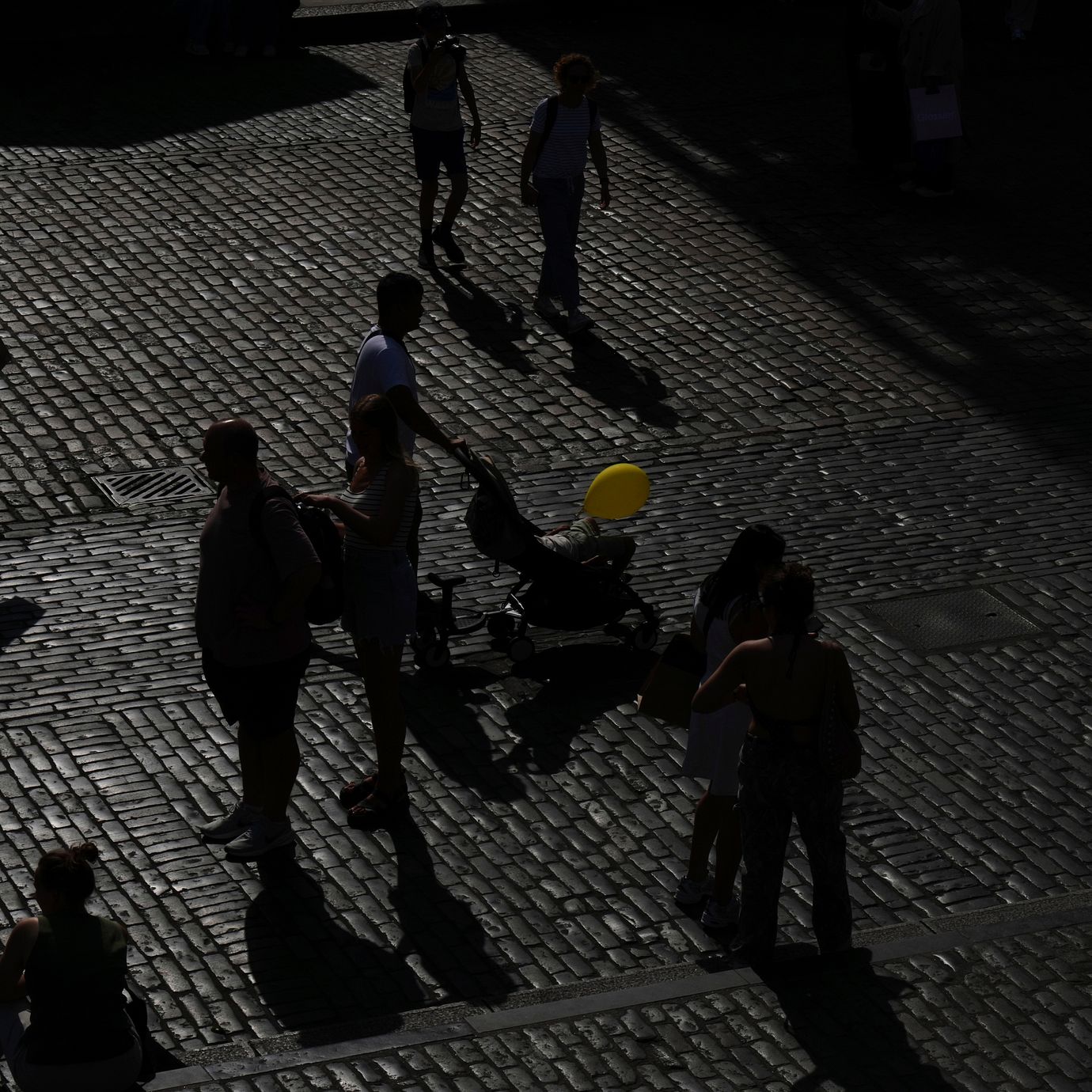
So-called adaptation and resilience, the actions and changes needed to prevent, minimise, withstand and recover from the ravages of climate change, are climbing up the agenda as greenhouse gas emissions continue to rise and the world grapples with record-breaking hot years and extreme weather disasters.
Just last month, Hurricane Melissa became the strongest storm on record to hit Jamaica, killing scores of people and causing damage equivalent to almost one-third of GDP, according to the country’s prime minister, Andrew Holness.
Simon Stiell, head of the UN’s climate change arm, says that as global warming bites, adaptation — which covers everything from flood defences to changing agricultural practices — “is absolutely essential”.
“It means protecting communities from worsening floods, droughts, wildfires and storms. It also means protecting economies,” he says. “Global supply chains, food systems, vital healthcare facilities and energy security all depend on climate resilience.”

At this week’s UN COP30 climate summit in Brazil, adaptation is high on the agenda, with countries due to agree on indicators aimed at tracking progress on shoring up economies against climate change. The question of how to finance adaptation is also expected to be discussed.
There are also growing concerns that global action to tackle climate change is stalling as US President Donald Trump, who recently called it a “con job”, piles pressure on countries to roll back green efforts.
Many environmentalists think that governments and businesses are being too slow to react to climate change, that countries lack the financing required to ready themselves and that in the rush to adapt, communities could face unintended consequences. At the same time, there are fears that a focus on adaptation will distract and divert finances from efforts to reduce emissions.
“People think [climate change is] an issue for the future . . . But it looks like those climate impacts are coming further forward than we expected,” says Susannah Fisher, an academic and author of Sink or Swim. “We have started to lay the groundwork [for adaptation], but it’s not quite going far enough.”
Climate change “are coming through faster, more severely and at lower temperature increases than we anticipated”
For years, the immediate impact of climate change was viewed as a problem facing the developing world. Those countries continue to face catastrophic risks and consequences linked to climate change, but the rich world is also starting to feel its effects.
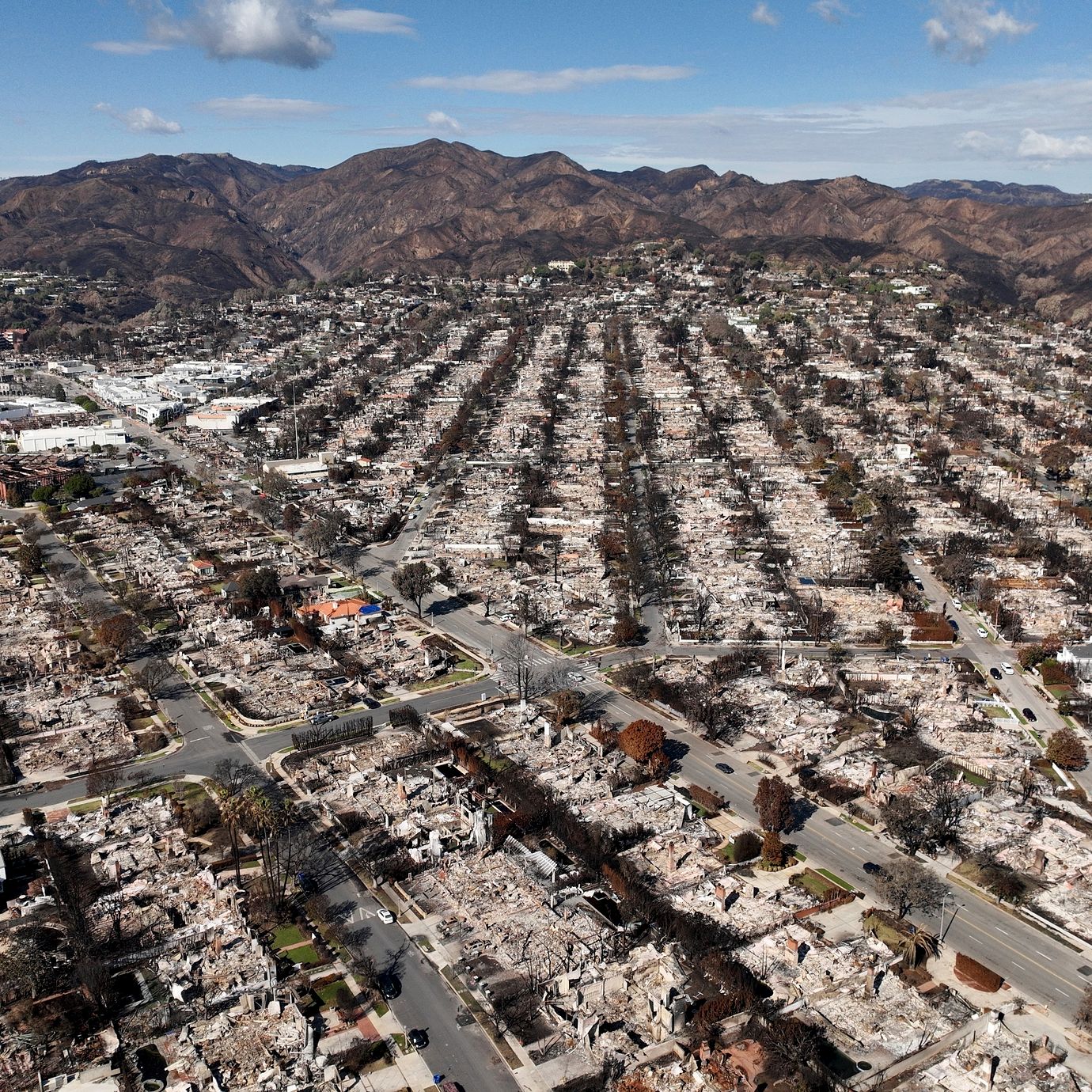
Climate change worsened recent disasters such as the wildfires that caused an estimated $61bn of damage in Los Angeles, flooding in Texas and Valencia that killed hundreds of people and extreme heat across Europe that shuttered businesses during the summer, according to scientists.
Then there are the slow-motion threats, says Maria da Graça Carvalho, Portugal’s environment and energy minister, such as desertification, coastal erosion and water stress linked to global warming that are already affecting the southern European country.
“We really need to have measures to prevent these phenomena from happening and to also have finance to have infrastructure that protects us,” she says.
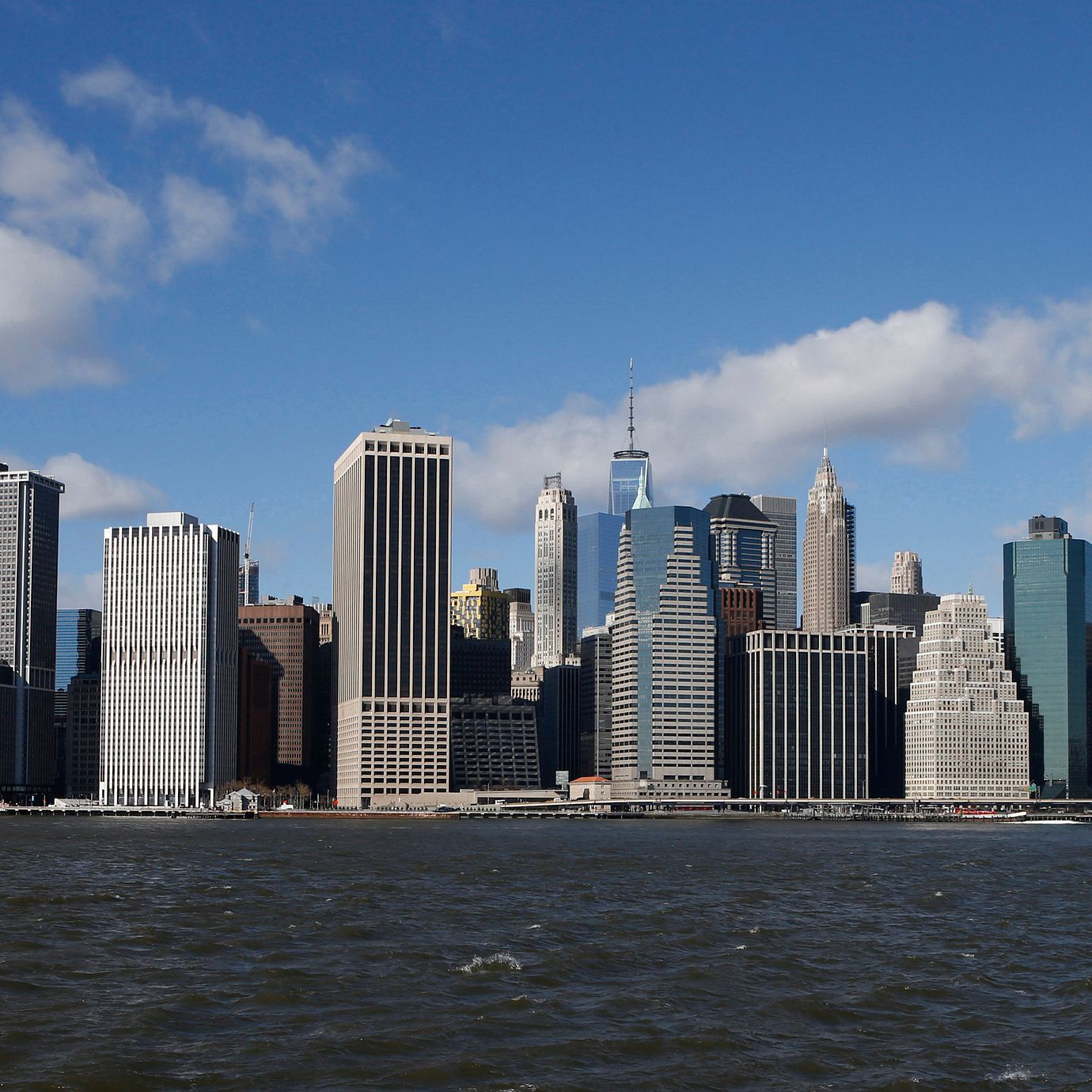
Nicholas Stern, economist and author of The Growth Story of the 21st Century: The Economics and Opportunity of Climate Action, says the effects of climate change “are coming through faster, more severely and at lower temperature increases than we anticipated”.
Such disasters have occurred as the world has warmed to an estimated 1.3C above the pre-industrial level. But a steeper temperature rise and ever more severe consequences are expected. Within a decade, the lower threshold of the 2015 Paris agreement to limit the global temperature rise to 1.5C above the pre-industrial level could be breached, while existing government pledges and plans put the world on course for a rise of up to 2.8C.
In October, the UK government’s independent climate adviser said Britain should prepare for a global rise of at least 2C above the pre-industrial average by 2050, a level at which scientists have warned of catastrophic effects for the world, including more intense storms.
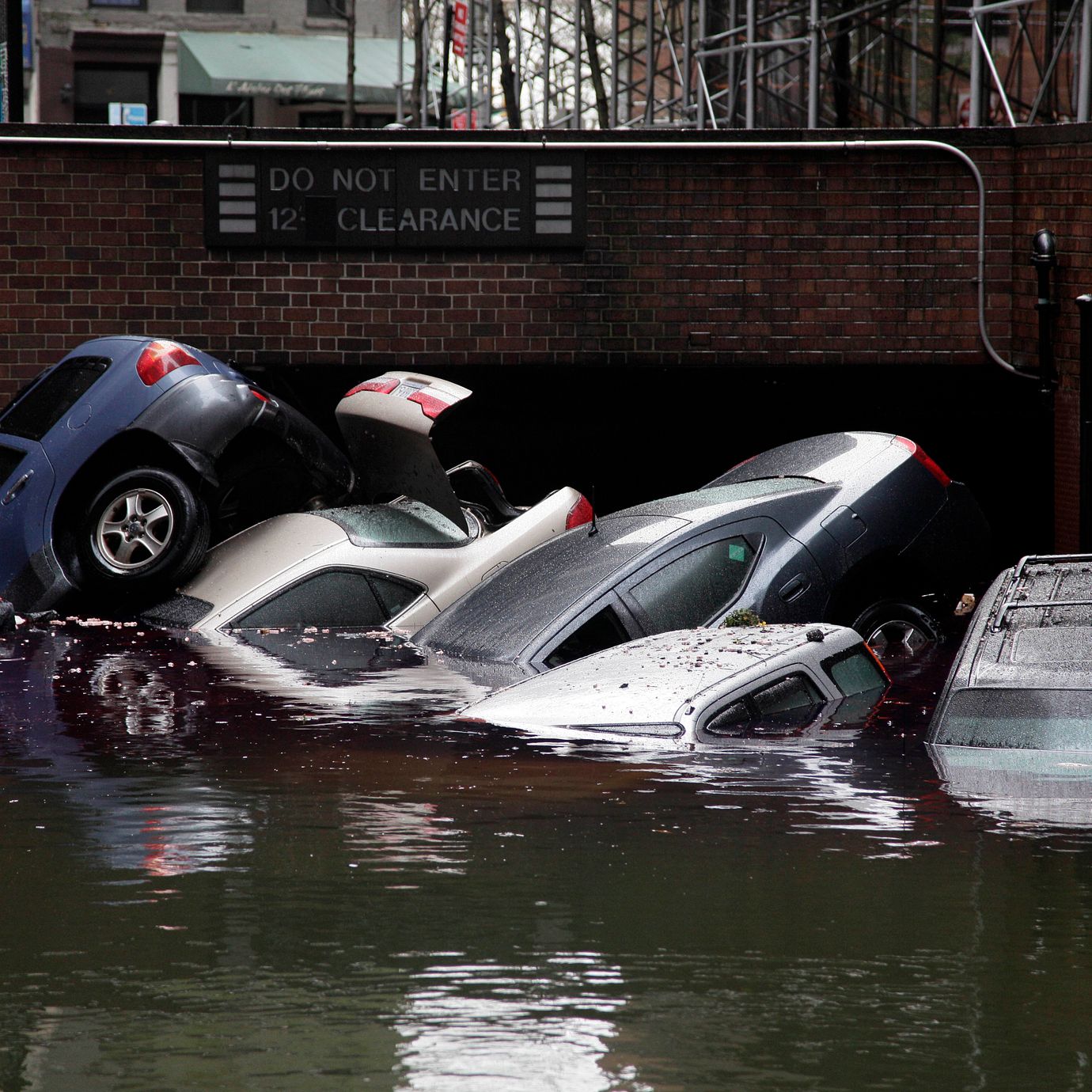
“It is clear we are not yet adapted for the changes in weather and climate that we are living with today, let alone those that are expected over coming decades,” wrote Baroness Brown of Cambridge, chair of the adaptation committee at the UK’s Climate Change Committee.
Climate change is already hitting the global economy. Combined losses linked to climate change topped at least $1.4tn last year across 25 markets, according to data provider BloombergNEF. Data from the US suggests that after a serious extreme weather event, about 40 per cent of small businesses in the affected area do not reopen, and a further 25 per cent close within a year of the catastrophe.
Stern argues that as well as working to reduce greenhouse gas emissions, countries need to urgently invest in adaptation to avoid dire economic consequences. “If you don’t adapt, you undermine growth and you go backwards,” he says.
Just 11 developed countries — and 67 developing countries — have submitted national adaptation plans, which look at medium and long-term climate adaptation needs, to the UN’s climate arm.
In reality, many of the best efforts around adaptation in the developed world are being implemented at city or local level, rather than by national governments, says Emma Howard Boyd, who led last year’s London Climate Resilience Review into how well prepared the UK capital is.
Over in Phoenix, tens of millions of dollars are being invested to make the city “heat ready”, including through art installations that provide shade. More than 7,000 trees — which provide both shading and cooling through a process called evapotranspiration — have also been planted in the past year.
Some of the city’s building codes have been overhauled, including requiring developers to provide more shade, while a sealant has been applied to 100 miles of roads to reduce the surface temperature.
These measures are crucial to dealing with both climate change and the urban heat island effect, where the concrete, asphalt and brick of built-up areas absorb and retain more heat than surrounding greener areas, says Gallego, the mayor. “We know there are very real investments we can make that will make this city more comfortable and liveable,” she says. “We’re designing the city more intelligently.”
Climate centres, where people can access a cooler space during stifling temperatures, have also been introduced in Phoenix. Cities such as Barcelona and Buenos Aires have also rolled out cooling centres, while Paris, London and Athens are planting trees and shrubs to deal with heat.
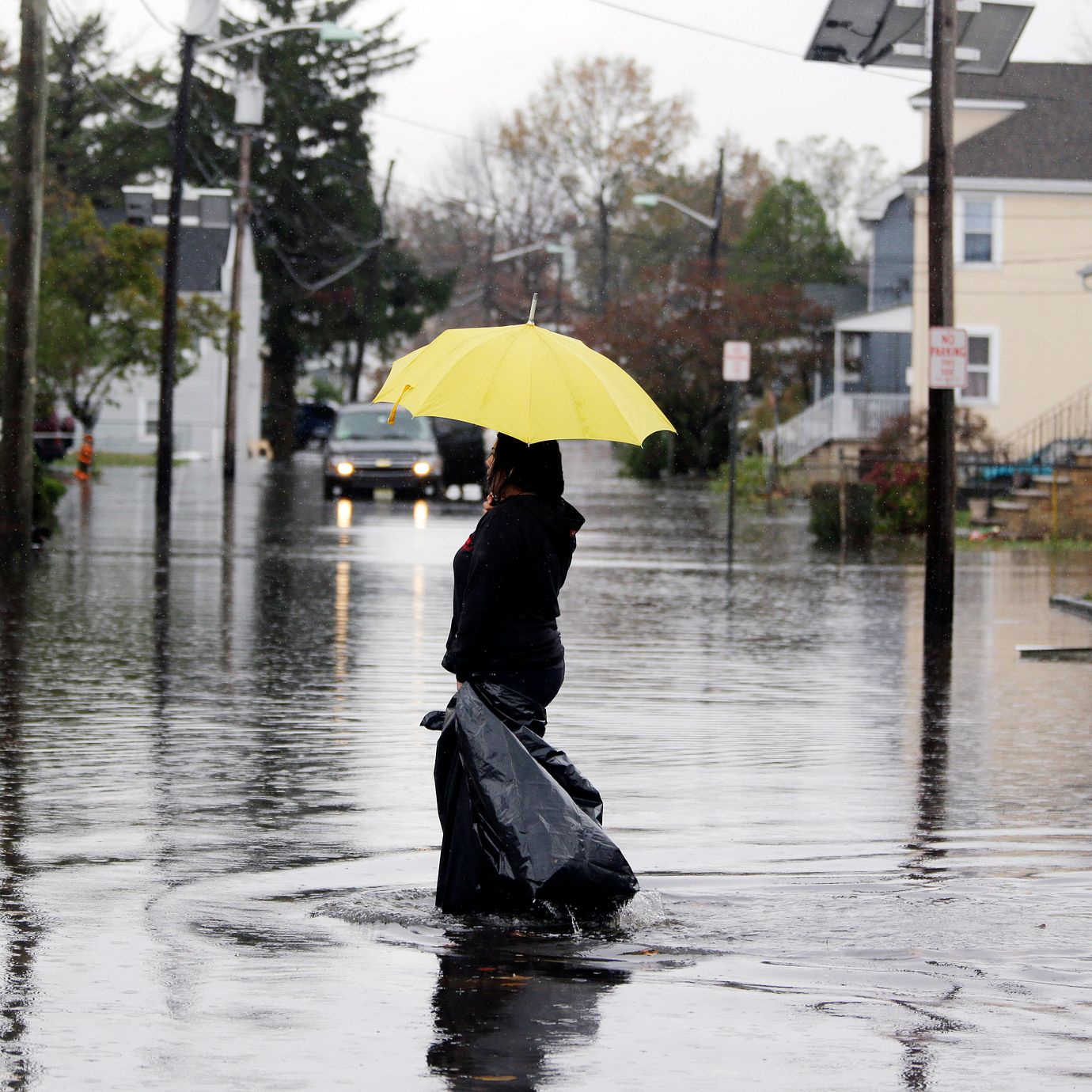
Many cities are also expanding efforts to deal with flooding, including Lisbon, Copenhagen and New York. Following a series of extreme rainfall events, the Danish capital is in the midst of a €1.5bn project to update its sewer system and transform parks into temporary rainfall reservoirs.
New York is building new defences to deal with storm surges, as well as overhauling its sewer system to better deal with flooding. Lisbon is rolling out two major stormwater tunnels aimed at diverting and retaining rainwater.
In some cases, city officials see adaptation measures such as planting trees — or urban greening — as an “easier win” with voters than mitigation to reduce or prevent greenhouse gas emissions, such as installing renewable energy, says Peter Eckersley at Nottingham Business School, part of Nottingham Trent University. But he adds that many cities struggle to develop comprehensive adaptation plans.
Companies too are struggling with how to adapt. This year, S&P Global Ratings found 35 per cent of companies it analysed had an adaptation plan, up from about a fifth in 2022. Separate S&P analysis warned that all 29 sectors it examined, from food to transportation, would have at least moderate direct exposure to climate hazards by 2030.
With inconsistencies in how cities, countries and businesses approach adaptation and a rush to take action without fully understanding the consequences, there are fears cases of so-called maladaptation will rise. The Intergovernmental Panel on Climate Change, the global body of scientific experts, warned in 2023 that maladaptation was now happening in some regions.
Experts cite examples of trees being planted in urban areas to help with cooling, only to die because of a lack of water access or being unsuitable for that climate.
But the consequences could be more devastating, such as building a sea wall or flood defence in one area that inadvertently pushes flooding to another location. A 2020 study cited a case from Fiji, where seawalls built to protect people from rising sea levels in fact made those living close by more exposed by preventing draining of stormwater.
Another growing concern is that adaptation risks deepening the divide between rich and poor, as the wealthy climate-proof their homes and neighbourhoods while the impoverished struggle to afford the changes needed and governments are slow to respond.
“We are entering a perilous era in which the wealthy — in both developed and developing nations — insulate themselves behind climate-resilient walls while the poor are left exposed,” André Corrêa do Lago, COP30 president-designate, wrote in a letter to countries last month.
Even when there has been an extreme event, there are growing examples where little is done to alleviate the future risk of further climate-related disasters. In Los Angeles, for example, some houses damaged in this year’s wildfires have been rebuilt without making them more fire resistant.
And while adaptation is crucial, there are also “adaptation limits”, the IPCC has warned. Friederike Otto, a professor of climate science at the Centre for Environmental Policy, Imperial College London, says: “Adaptation and resilience efforts will ultimately become ineffective without a rapid and sustained shift away from fossil fuels as the limits of adaptation are being reached.”
For now, one of the biggest questions is how to pay for adaptation as governments grapple with already stretched budgets and climate change falls down priority lists.
This issue is expected to be a flashpoint at COP30, with developing countries and small islands pushing for the rich world to provide more financing.
Right now, very little is being spent on adaptation and resilience, standing at just $69bn between 2021 and 2022, according to the Climate Policy Initiative. The UN Environment Programme said last month that developing countries received $26bn in international public adaptation financing in 2023, down from $28bn. Yet it argued that developing countries will need between $310bn and $365bn per year in international adaptation finance by 2035.
“Even amid tight budgets and competing priorities, the reality is simple: if we do not invest in adaptation now, we will face escalating costs every year,” says Inger Andersen, executive director of the UNEP.
While there is an upfront cost to adaptation, there is a long-term benefit, argues Stern, the economist. A study this year by the World Resources Institute, which looked at 320 adaptation and resilience investments across 12 countries totalling $133bn, found that every $1 invested generated more than $10 in benefits over 10 years.
”This is an investment opportunity”
But for both politicians and business leaders, prioritising preparation for something that might happen can be difficult to justify. Andrew Wilson, deputy secretary-general at the International Chamber of Commerce, says many companies struggle to “calculate return on investment” for adaptation measures.
“You build flood defences . . . but there’s no way of really quantifying the benefit or the financial return from not having your factory or facilities flooded once every 10 years,” he says.
Still, Danya Liu, a climate adaptation specialist at BloombergNEF, argues countries that are most active in addressing the physical risks of climate change are likely to attract business investment in the future, as companies seek out safer and more resilient locations.
In Italy, adaptation is a “core strategic priority”, both for national security and economic competitiveness, says Gilberto Pichetto Fratin, the country’s climate minister.
“We see adaptation as an industrial and economic opportunity,” he says, pointing to the Mose system in Venice, a collection of 78 mobile flood barriers aimed at protecting the canal city from rising sea levels, high tides and storm surges.
“Our national expertise is now directed at developing and exporting advanced technological solutions,” he adds.
Paul Munday, a global climate adaptation and resilience specialist at S&P Global Ratings, says the rush for adaptation is opening up new opportunities for both businesses and investors.
“This is an investment opportunity. People are going to need to make their homes more resilient. And companies are going to need to make their offices and their supply chains more resilient,” he says.
Some companies are already pushing into this area, including developing drought-resistant crops or early warning systems to alert citizens to impending dangers.
New financial products linked to adaptation and resilience are also being rolled out, such as Tokyo’s plan for the first-ever certified climate resilience bonds, with proceeds aimed at funding projects to protect the city from natural disasters and the effects of climate change.
In Brazil this week, the world’s most important climate talks need to deliver “tangible outcomes on adaptation”, says COP30 boss Corrêa do Lago.
A veteran of COPs, who attended his first in 2002, he initially “believed that to concentrate on adaptation was somehow to give up on mitigation”.
“But I completely changed my mind with the acceleration of extreme events,” he says, adding that adaptation is now “the first half of our survival”.
©The Financial Times Limited 2025. All Rights Reserved. FT and Financial Times are trademarks of the Financial Times Ltd. Not to be redistributed, copied or modified in any way.