Västs strategi brister: ”Putin inte desperat ännu”
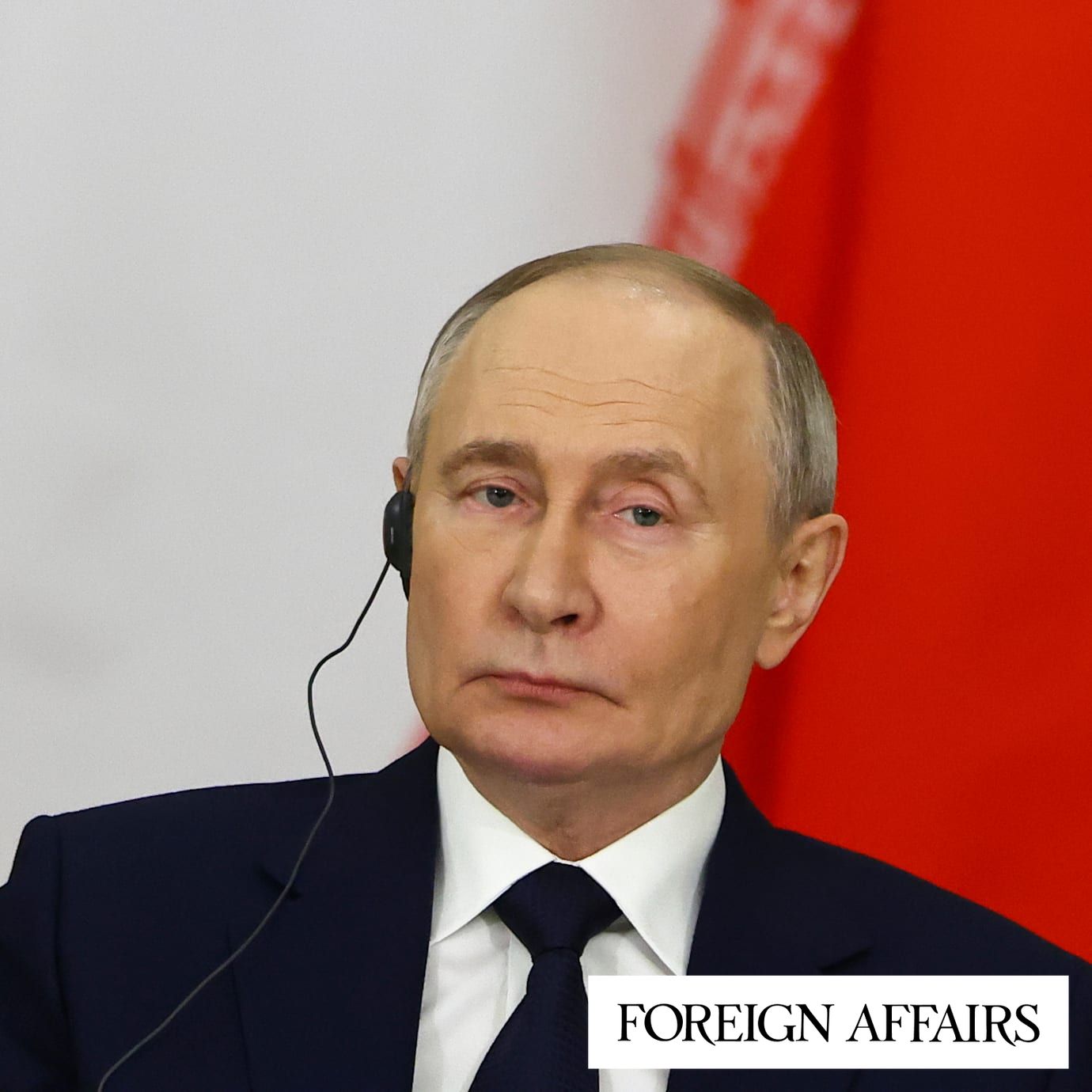
Donald Trump har lovat ett snabbt slut på kriget i Ukraina. Med risken att behöva fortsätta kriget utan USA:s stöd överväger Ukraina och väst att nå en uppgörelse med Ryssland. Förhoppningen är att Putin, under ekonomisk press, ska tvingas till förhandlingsbordet.
Men även om Putins strategi är ohållbar i längden och de ekonomiska sprickorna i Ryssland blir allt tydligare, återstår ett problem: Situationen är inte så akut att det påverkar krigets utveckling på ett avgörande sätt, skriver ekonomen och Rysslandsexperten Alexandra Prokopenko i Foreign Affairs.
”Under åtminstone det kommande året bör Kreml kunna hålla sin överhettade ekonomi från att explodera i en fullskalig kris”, menar hon.
 Foreign Affairs
Putin Is Not Yet Desperate
Economic Pain Won’t Turn the Tide in Ukraine.
The newly inaugurated U.S. President Donald Trump has promised a swift end to the war in Ukraine. Faced with the unattractive alternative of continuing to fight without the assurance of further U.S. backing, Kyiv and its Western partners are now considering how to secure an acceptable deal with Moscow. In his Senate confirmation hearing to become U.S. secretary of state, Florida Senator Marco Rubio cited economic sanctions on Russia as a key source of leverage that could bring about a peaceful resolution. Finnish Foreign Minister Elina Valtonen, meanwhile, has stated that “time is not on Russia’s side,” especially if the West ramps up aid to Ukraine and intensifies the sanctions on Moscow. By applying enough pressure now, the thinking goes, Ukraine and its backers can enter talks from a favorable position, and Russian President Vladimir Putin will be forced to engage in good-faith negotiations that end in a satisfactory settlement.
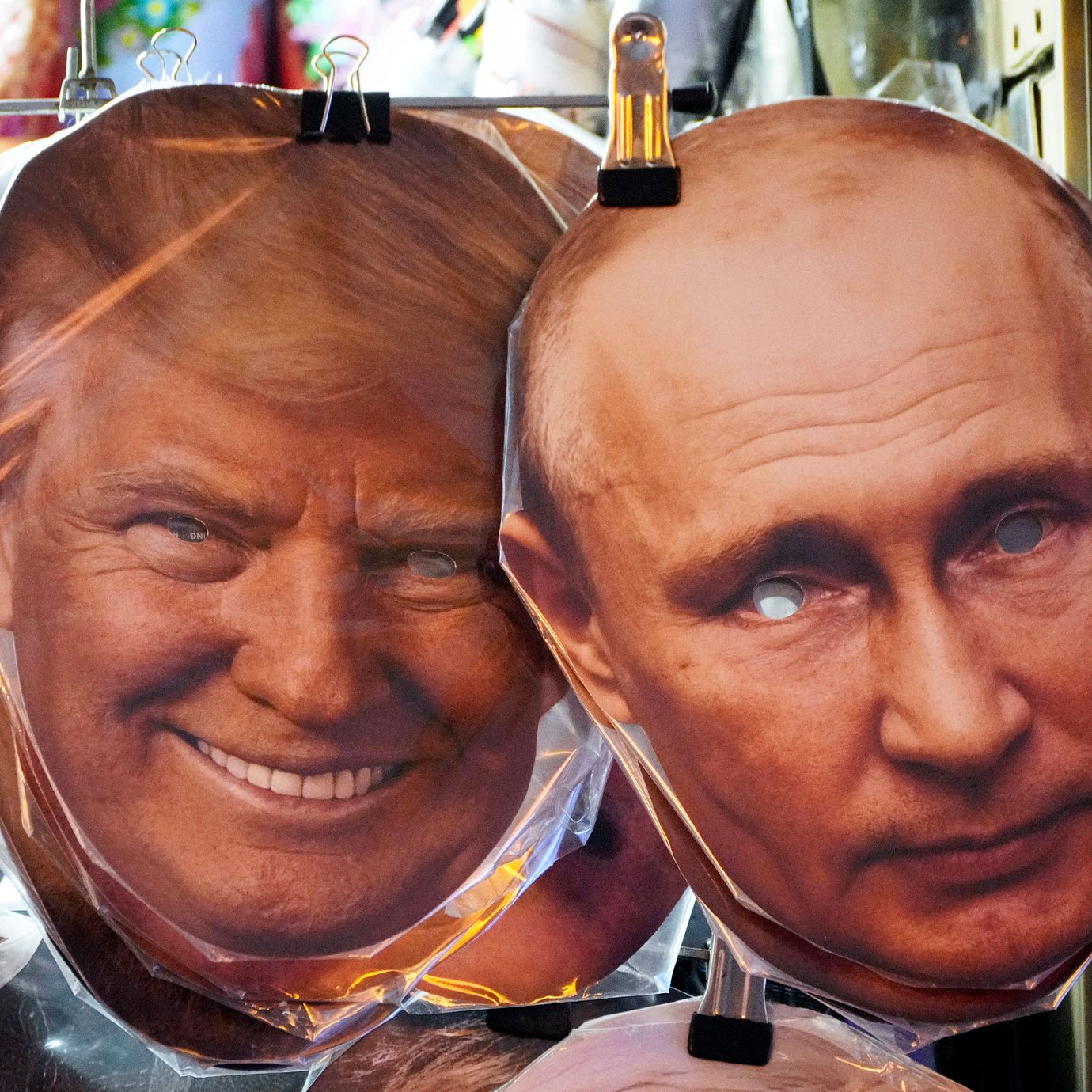
It is true that Putin’s current strategy is unsustainable. He is trying to simultaneously wage war in Ukraine, maintain high social and infrastructure spending to create an illusion of normality for his domestic constituents, and preserve macroeconomic stability. It is impossible to do all three in perpetuity. Achieving the first and second goals requires large outlays of cash, which fuel inflation and thus prevent the achievement of the third goal. And the cracks in the Russian economy are becoming increasingly apparent.
Putin will likely still have the resources to sustain his brutal campaign in Ukraine
The problem for the West is timing. Political leaders want the war to end quickly. Some analysts have also suggested that in the coming months, the pressure on Russia could be so great that Putin will have to seek an off-ramp to stabilize the economy and safeguard his hold on power. But Western hopes rest on a false assumption. Russia’s economic challenges are not yet so acute that they will make a meaningful difference in the war in the near term. For at least the next year, the Kremlin should be able to keep its overheating economy from exploding into a full-blown crisis. Putin will likely still have the resources to sustain his brutal campaign in Ukraine—and perhaps the incentive to wait out the West.
War above all
The Kremlin is prioritizing the war above all else. Defense and security needs have dominated federal spending every year since the full-scale invasion in 2022, reaching 40 percent of total expenditures in the 2025 budget and representing more than eight percent of the country’s GDP. Most of this money has gone to arms production and military salaries. Since the beginning of the war, Russia has doubled its production of armored vehicles, and some ammunition manufacturers have ramped up production fivefold. Russia has also begun to mass produce inexpensive Shahed military drones, originally designed in Iran, in order to conserve its arsenal of relatively expensive missiles. Meanwhile, Moscow is devoting significant funds to expand its army. The military recruits 20,000 to 30,000 soldiers every month, offering hefty enlistment payments to lure men to the frontlines. The estimated cost of this recruitment effort is between $16 billion and $25 billion a year—a figure that excludes additional expenses to provide handouts for wounded soldiers and to compensate the families of the deceased because official statistics are classified.
The Kremlin’s spending spree has propped up the economy, and on the surface, growth and low unemployment have given the appearance of stability. From 2022 to 2024, additional government spending amounted to a fiscal stimulus of more than ten percent of total GDP. Banks issued preferential loans worth more than $150 billion, and overall corporate credit expanded by almost 20 percent in 2024. This money was mostly allocated to the construction, agricultural, and retail sectors, as well as to the military-industrial complex. The latter became a key driver of economic growth. Manufacturing industries—the sector to which the military-industrial complex belongs—grew by 7.6 percent in the first nine months of 2024, according to official statistics. Wholesale and retail trade, which are driven by consumer demand, grew by 8 percent. Unemployment in Russia almost halved between February 2022 and December 2024, falling from 4.1 percent to 2.3 percent.
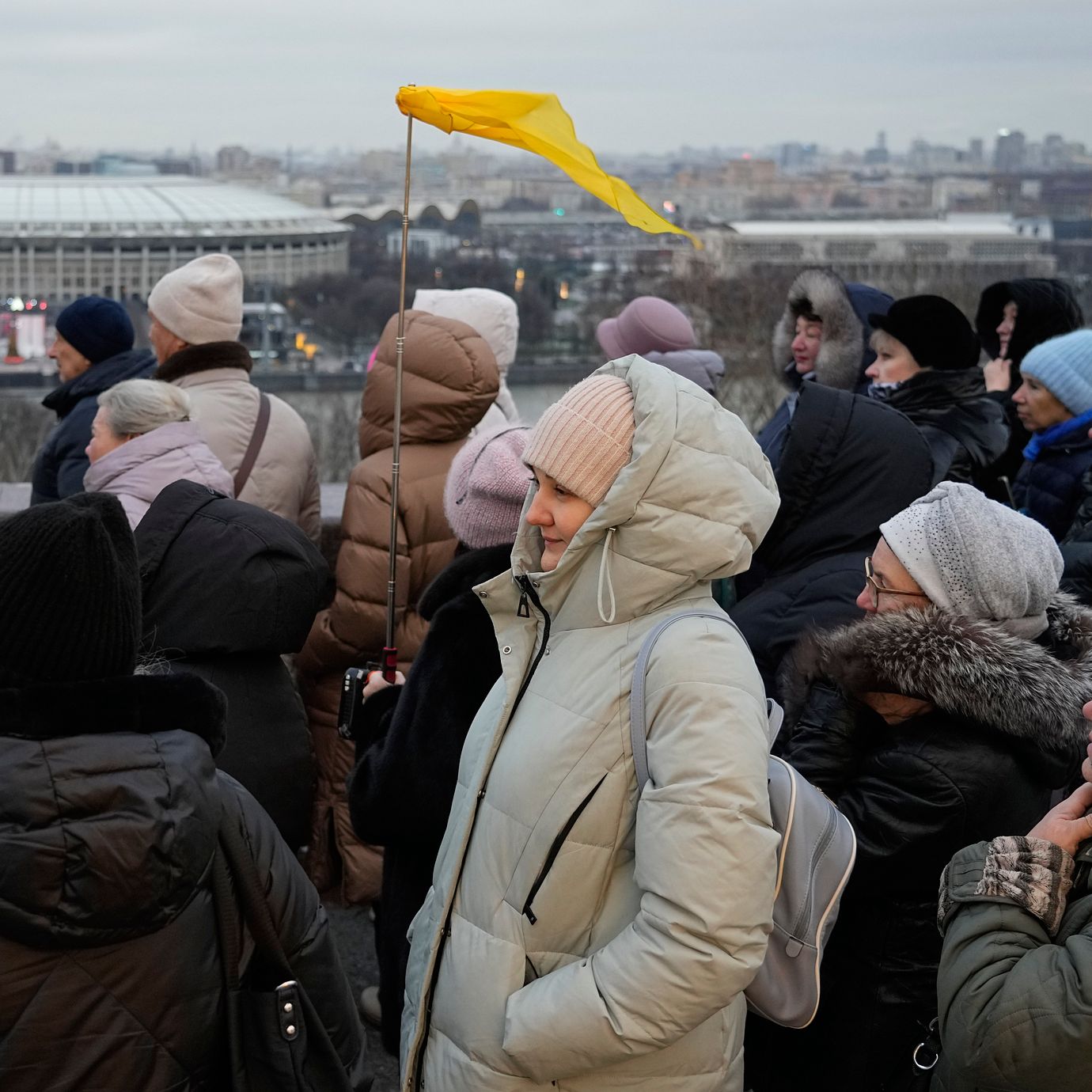
But the initial wartime economic expansion is slowing down. Between the second and third quarters of 2024, Russian GDP growth dropped from 4.1 percent to 3.1 percent. Industries involved in defense production are still expanding, but at rates well below their peaks in 2023. The Russian economy, in other words, is starting to hit a wall.
Heightened war spending is also creating distortions. The government is funding its 2025 military budget by raising taxes on households and corporations and funneling almost all the additional revenue directly to the military. Outside the defense sectors, meanwhile, budgets for social services, national economic programs, and even internal security and law enforcement are either stagnating or getting cut. The deprioritization of the civilian economy will put the brakes on growth and exacerbate social inequalities. Chronic underfunding in parts of the government will take a toll, too. Without sufficient resources or staff, institutions such as the Interior Ministry and the Federal Penitentiary Service will struggle to fulfill their mandates, leading to a rise in criminality and domestic insecurity.
Cracks in the foundation
Structural constraints on Russia’s economic growth will become increasingly difficult to ignore. Most important, the country is running out of production capacity and has a workforce deficit. Factories are operating at 81 percent of capacity, compared with prewar levels of less than 60 percent, and 73 percent of firms report labor shortages. An estimated 1.6 million jobs remained unfilled in December as unemployment numbers dipped. The tight labor market has driven up wages, particularly in industrial areas. In the Kurgan region, where Russia’s only producer of armored personnel carriers is located, salaries have soared by 33 percent since 2022. Pay has risen nearly as much in the Volga and Ural regions, two defense manufacturing hubs. This wage growth has squeezed business profitability, and its uneven distribution has worsened preexisting regional inequalities.
Domestic demand is rising, a result of aggressive war-related spending by the state and increased consumption by households that are profiting from rapid growth in both military and civilian wages. But because of the limits on production, the Russian economy cannot meet this demand, and it has therefore become more reliant on imports. The greater demand for foreign currency has weakened the ruble, which, combined with rising wages, has produced inflation.
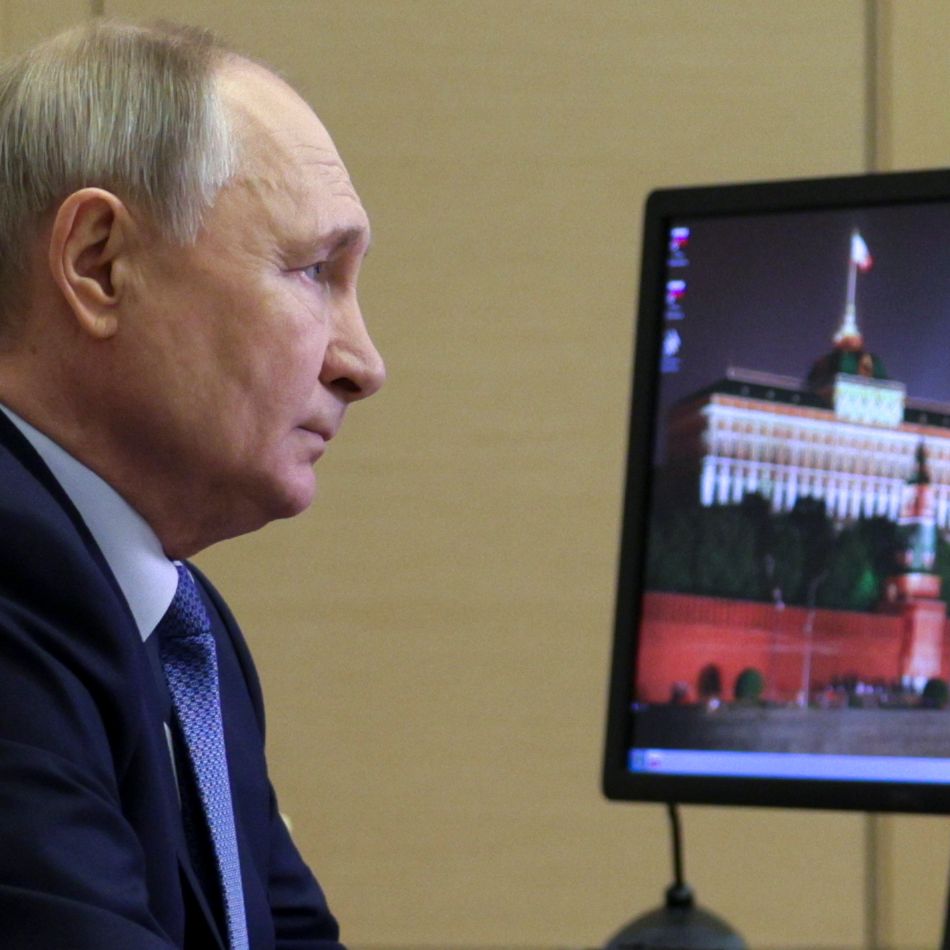
That inflation, a direct consequence of the Kremlin’s pivot to a war economy, imposes a significant cost on Putin’s core supporters. For some households, wages are rising faster than inflation. But the wages and benefits of pensioners and public-sector workers, including teachers, doctors, and law enforcement personnel, are tied to the official inflation rate, reported at nine percent in December. And depending on their consumption patterns, many households encounter a real inflation rate upward of 20 percent. Everything is becoming more expensive, from food and services to cars and housing and utilities. These rising costs are generating inequality and starting to fuel dissatisfaction, especially as the Kremlin prioritizes spending on defense over spending on social programs, utilities infrastructure, and other forms of support that could alleviate people’s economic burden.
The government’s tools for stabilizing the ruble are limited
The Russian government has found inflation difficult to control. Although the central bank previously aimed to reduce inflation to four percent by 2025, it delayed this target to mid-2026. A related problem, the weakening ruble exchange rate—the result of increased demand for imports generating a higher need for foreign currency—has also proved intractable. The government’s tools for stabilizing the ruble are limited. In peacetime, more foreign currency was flowing into Russia through international funds; the central bank could also intervene in the financial market to flatten fluctuations in the value of the ruble. But sanctions have frozen half of Russia’s foreign exchange reserves, and the central bank is saving the rest for emergencies. Capital controls introduced in 2023 have constrained the central bank’s ability to use monetary policy effectively, and already sky-high interest rates leave little room for further hikes. The Russian National Wealth Fund, too, has few liquid assets it could use to strengthen the ruble exchange rate.
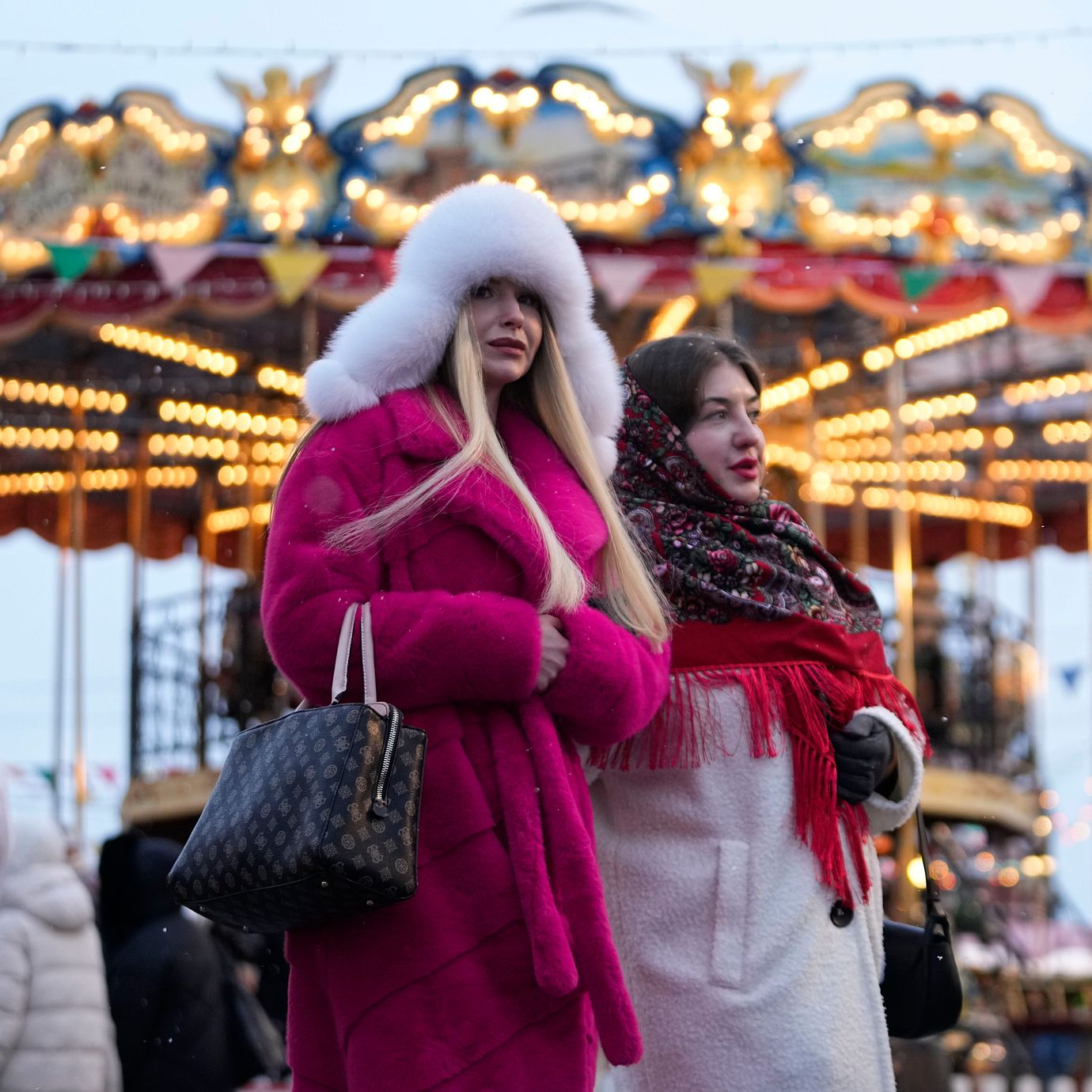
These problems are likely to persist as a result of sanctions and the resource-driven nature of Russia’s economy. Geography limits Russia’s export volumes: its buyers are primarily in China, India, and a few other Asian countries that Russia can reach only by sea. As new tankers are sanctioned, the ability of Russian companies to transport goods is increasingly constrained, and difficulties with cross-border transactions and the threat of secondary sanctions make it hard to find new customers. Overall, sanctions raise operational costs for Russian exporters. Foreign currency earnings are thus unlikely to increase. With Russia’s current account surplus eroded by surging expenditures and its import dependency deepening the ruble’s weakness and fueling inflation, interest rates will remain in the double digits for the foreseeable future. Business margins are shrinking, and there is little room to turn things around with technology exports—Russia lacks technological innovation with high export potential, a consequence, in part, of nearly three years of sanctions and war—or through productivity growth, which has been stifled by sanctions that prevent technology imports that could boost labor efficiency.
The long game
Putin may be able to manage the economic fallout of his war in the short term. Businesses can survive a year of double-digit interest rates on loans if they cancel investments. With $31 billion in the National Wealth Fund, the government should be able to solve, temporarily, the financial problems of corporations it deems “too big to fail”—although it may have only enough cash on hand to throw money at a problem once. The authorities could create a larger financial cushion by issuing war bonds that entrepreneurs and households are obliged to buy. Substantial payouts to soldiers and the broader spike in salaries have also improved standards of living for many Russians, which for now is keeping a lid on public discontent and giving the Kremlin some breathing room.
Inflation will produce more pain across Russian society, and the costs of a war-driven economy will mount
By 2026, the limits of Russia’s economic model will be impossible to ignore. Federal budget projections for 2026 and 2027 foresee modest reductions in defense spending, but given the high expense of replenishing depleted arsenals and the vested interests of Russia’s military-industrial complex, a more significant drawdown is unlikely even if the war in Ukraine ends this year. In the meantime, inflation will produce more pain across Russian society, and the costs of a war-driven economy will mount, worsening structural problems and pushing Russia toward a reckoning.
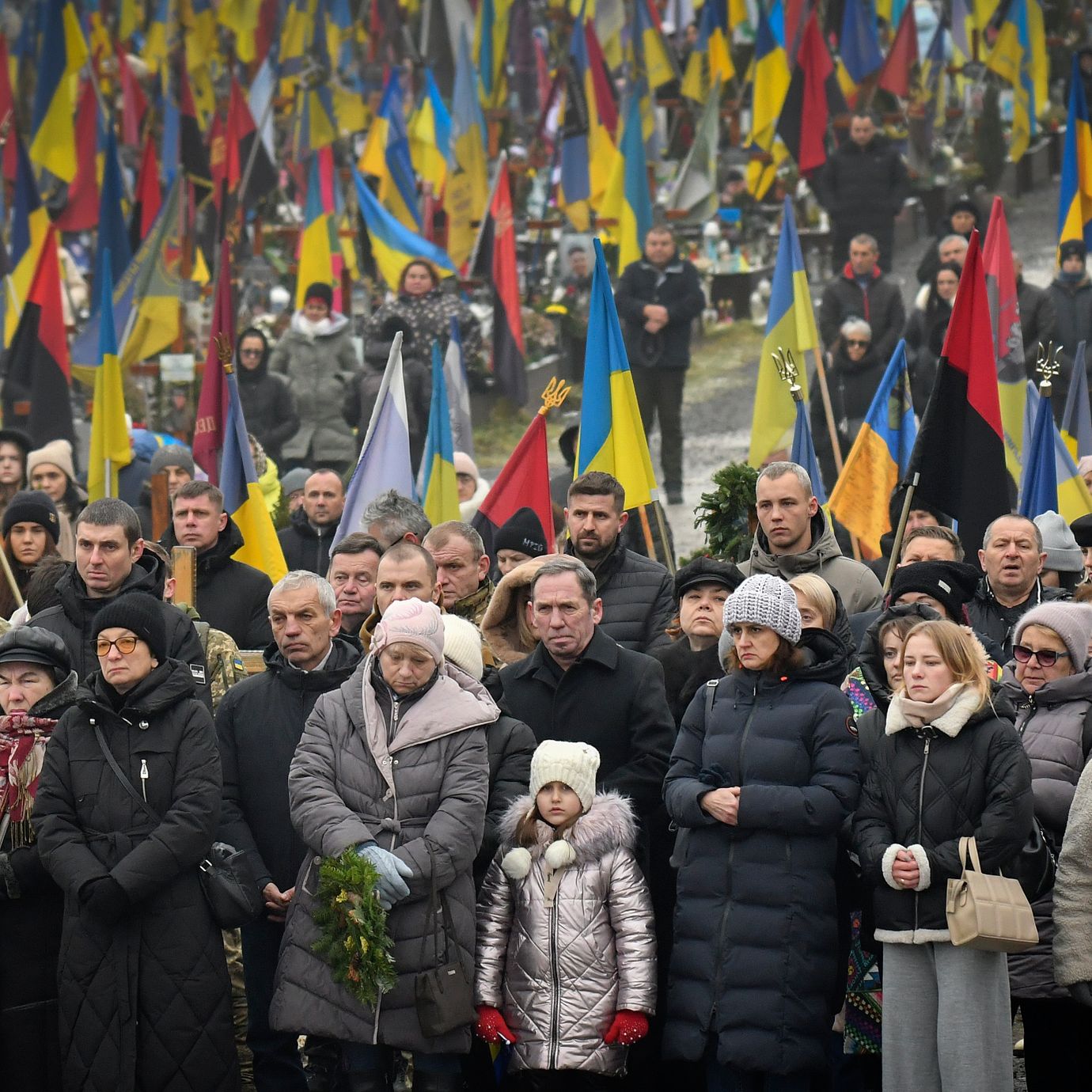
Until that reckoning arrives, however, simmering economic problems are unlikely to overpower the forces that keep Putin bent on continuing the war in Ukraine. The possibility of popular pressure is low. For many Russians, dignity has come to mean state-provided salaries and pensions rather than political or civil liberties. Public sentiment may change as inflation continues to bite. But the idea that Putin’s wartime leadership means economic prosperity and national pride, and that peace would bring decline and humiliation, will be difficult to shake from the public consciousness.
Putin’s ultimate goal remains unchanged. He wants to deny Kyiv the ability to chart an independent foreign policy and maintain a strong military—in essence, to take away Ukraine’s sovereignty. None of the cease-fire proposals currently on the table meet his maximalist demands. For Putin, Ukraine is not merely a geopolitical flashpoint but an obsession that dictates his long-term strategy. If he were to agree to a cessation of hostilities in the near term, it would likely be part of a plan to regroup, restock, and prepare for renewed aggression. In Putin’s current calculus, the specter of a sovereign, self-reliant Ukraine poses a far graver threat to Russia than the more distant prospect of economic degradation.
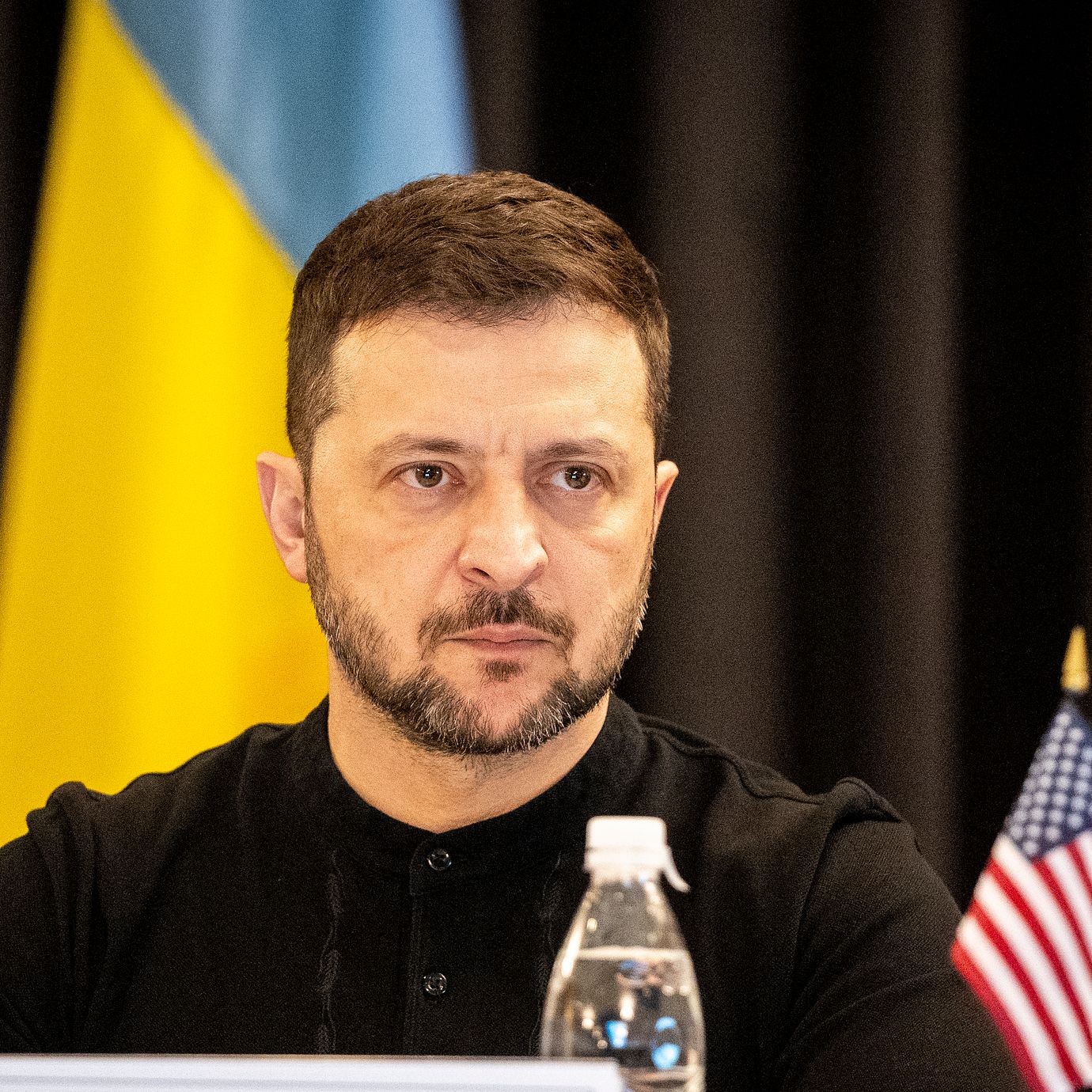
If Western capitals cannot bank on the imminent collapse of the Russian economy, they must face the reality that Russia will pose an immense challenge for the next year or more. The United States and Europe will need to sustain Ukraine through this critical period, working together to bolster sanctions enforcement and finding ways to manage potential shifts in U.S. policy or fractures within the European Union. Eventually, the cumulative toll of Russia’s war economy will need to be paid. The West should be planning for that contingency now in order to capitalize on the opportunity when economic collapse becomes an urgent, unavoidable reality for Putin. But Ukraine’s backers should not expect that moment to arrive any time soon.
© 2025 Council on Foreign Relations, publisher of Foreign Affairs. Distributed by Tribune Content Agency. Read the original article at Foreign Affairs.