Växande marknad för hållbar choklad – startups skippar kakao
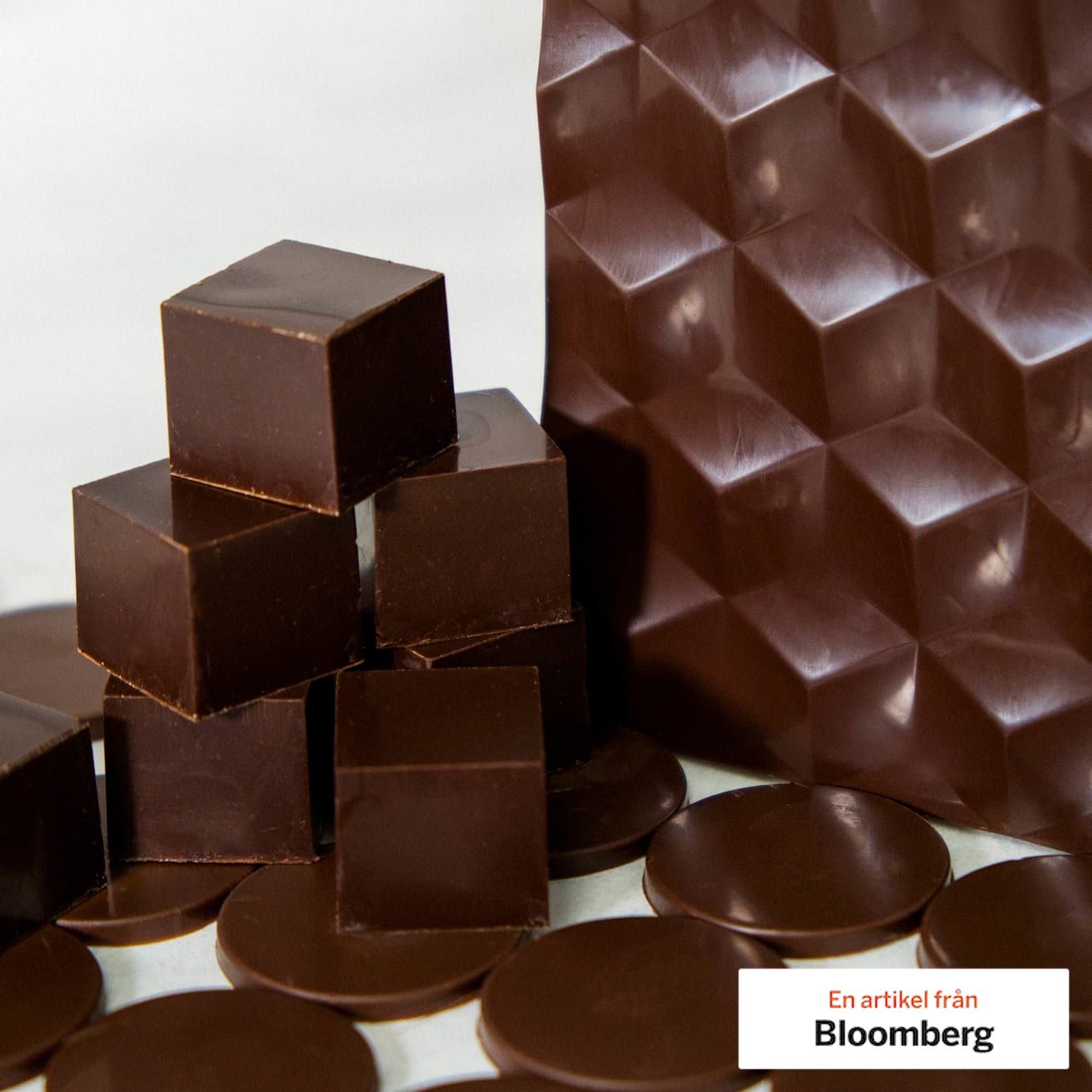
Kakao förknippas till stor del med barnarbete och avskogning, vilket är ett etiskt dilemma både för producenterna och konsumenterna. Den växande konsumentmedvetenheten om kakaons mörkare sidor har öppnat dörrarna för nya aktörer som marknadsför sina chokladprodukter som hållbara och etiska.
Bland dem finns det brittiska start-up-bolaget WNWN, som nu säger sig ha svaret på hur konsumenter ska få njuta av choklad utan att ha skuldkänslor: Johannesbröd och korn. WNWN har tagit fram en ”övertygande” och helt kakaofri choklad, skriver Bloomberg.
 Bloomberg
Fake Chocolate Sidesteps Cocoa’s Biggest Problems
Upstarts that make surprisingly tasty imitation treats are touting supply chains free from ethical and environmental issues.
For thousands of years, humans have been drawn to chocolate. Its production these days, though, is linked to widespread deforestation and child labor, posing an ethical quandary for consumers. A British startup says it has the answer: a guilt-free alternative to chocolate that can be indistinguishable from the real thing.
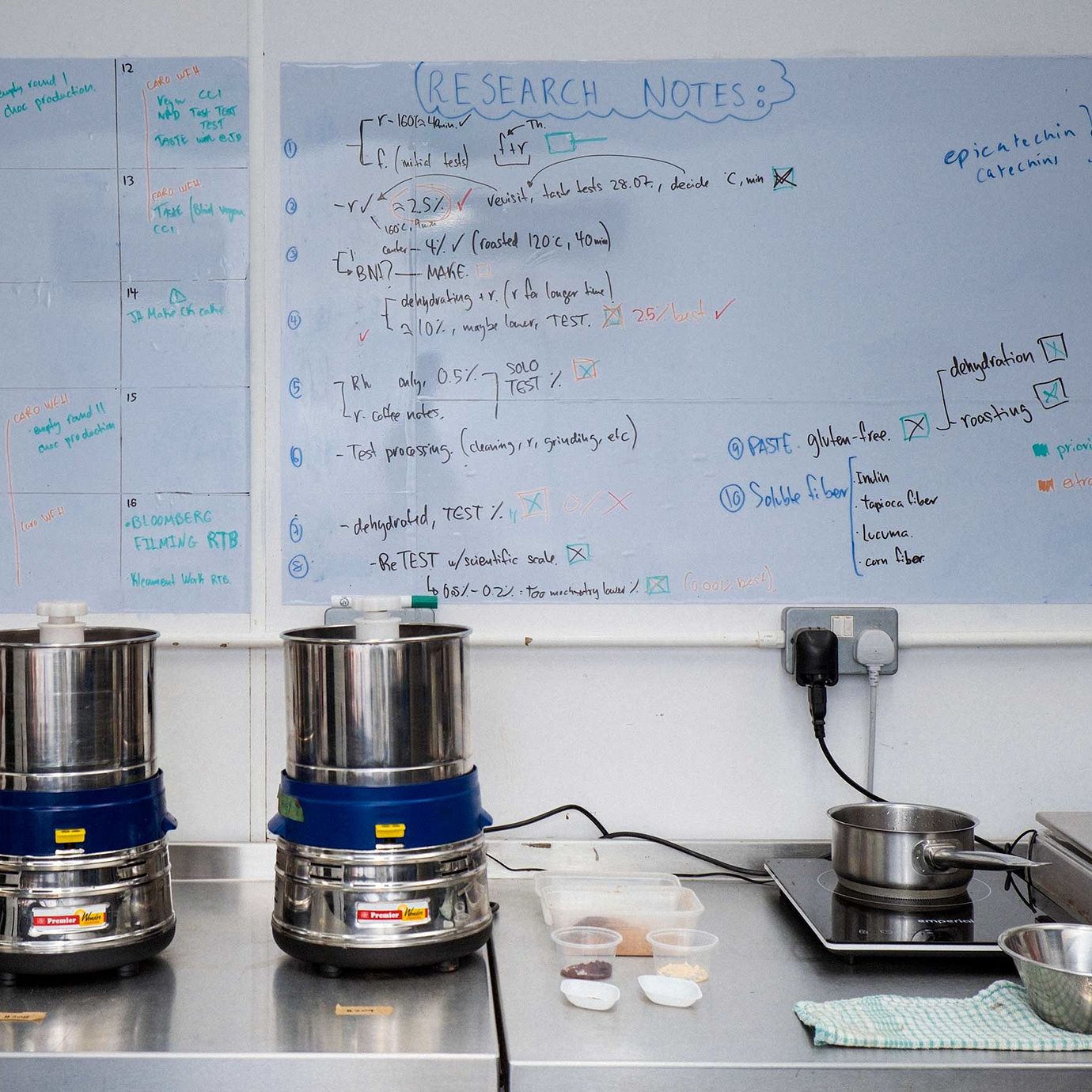
Chocolate’s irresistible flavors depend on the fermentation of cocoa that occurs shortly after harvesting, when beans are piled under banana leaves and left for several days. In its east London facility, WNWN Food Labs Ltd. aims to replicate that process using British barley and carob from Southern Europe. Squares sampled by Bloomberg Businessweek journalists were convincing imitations of cocoa-based bonbons in terms of taste, texture and appearance; a hazelnut variety was a more believable substitute than the milk chocolate one.
WNWN—pronounced “win, win,” and originally derived from the phrase “waste not, want not”—uses gas chromatography mass spectrometry techniques employed by vegan food manufacturers to analyze a particular chocolate’s flavors and aromas at the molecular level and to identify traits it wants to mimic. “The real drivers of the flavor creation, the way we tease these flavor molecules out of our plant-based substrate ingredients, is the fermentation,” says Johnny Drain, WNWN’s co-founder and chief technology officer. Other startups with similar ambitions include Munich-based Planet A Foods, which makes fake chocolate treats from fermented oats, and California Cultured Inc., which uses cacao cells to produce lab-grown chocolate in Davis, California.
Two decades ago, big chocolate makers such as Nestlé, Mars and Hershey signed what’s called the Harkin-Engel Protocol, a pledge to end the worst forms of child labor in their supply chains. But the US Department of Labor estimates that 1.56 million children still work in the industry. And after cattle, oil palm and soy, cocoa is the commodity that’s replaced the most forests globally. Ivory Coast, the top cocoa producer, has lost about 85% of its forests since the 1960s, mainly as a result of the trade.
Candy companies have set targets for cocoa purchases that are certified as ethical by groups such as Fairtrade International and Rainforest Alliance. They’re trying to improve the traceability of beans beyond their direct suppliers. They’ve started educational initiatives and programs to help families get children back into school. But nonprofit campaigners argue there’s a simpler solution to the industry’s ills: Companies need to pay more for their cocoa. Ghana and Ivory Coast have imposed surcharges and premiums on cocoa exports to bolster farmers’ livelihoods, but some buyers have been able to negotiate out of paying up, particularly during times of weaker demand.
Growing consumer awareness about cocoa’s dark side has opened the door to entrants selling premium-priced bars that are advertised as sustainable and ethical. The most notable is Amsterdam-based Tony’s Chocolonely Bars BV, founded in 2005 by three journalists, which says it can trace 100% of the beans it sources. But even Tony’s finds child labor in its supply chain.
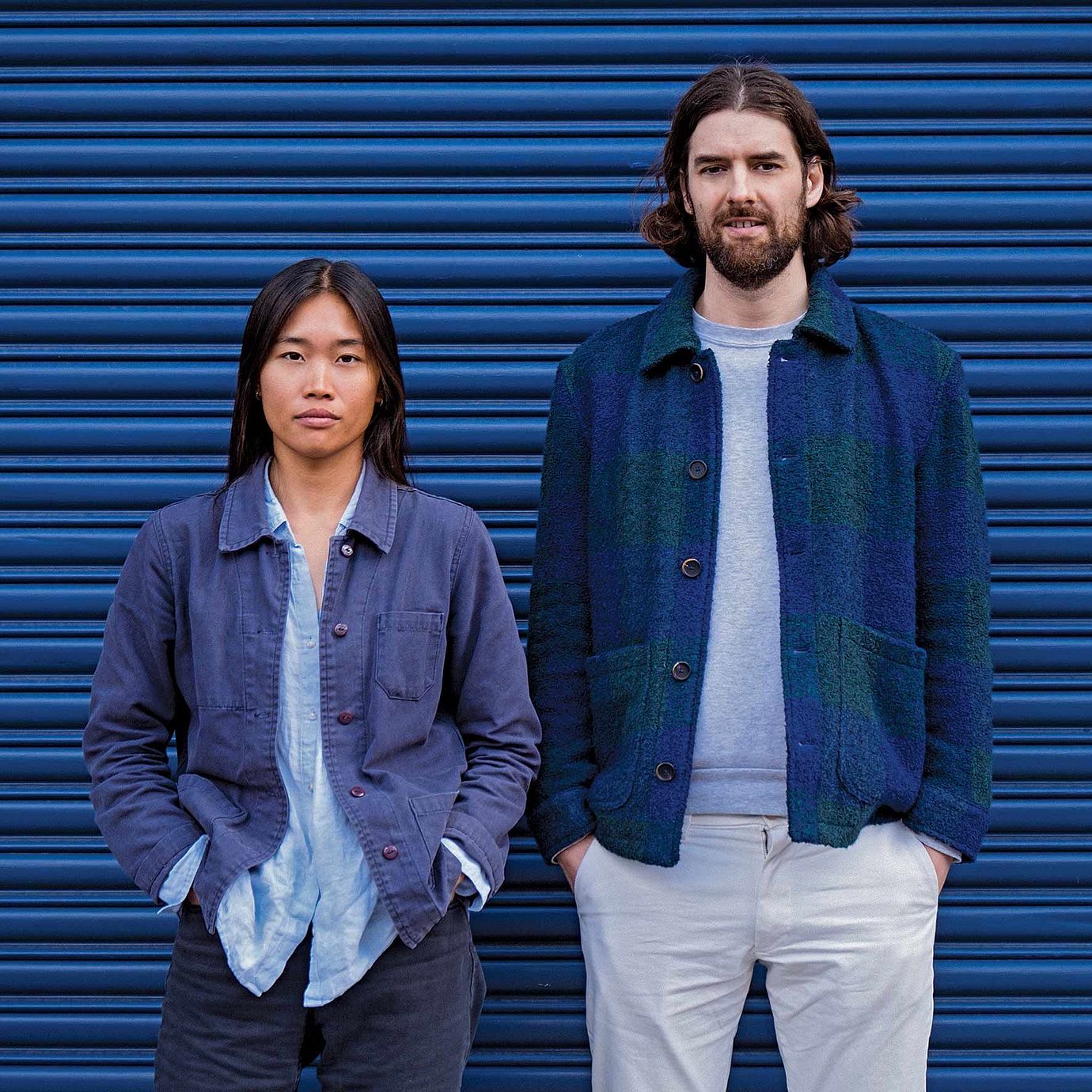
WNWN says it’s better to just avoid cocoa altogether. Drain, who’s worked as a gastronomic consultant for restaurants including Copenhagen’s Noma and Mirazur in Menton, France, founded the company in 2021 with Ahrum Pak, a former investment banker. They secured $1 million from FoodLabs, a Berlin venture capital fund, and are working on a seed financing round.
The company plans to open a factory in Portugal next year where it aims to produce up to 150,000 kilograms (331,000 pounds) per month. It released two limited-edition bars in 2022 and plans to make one product available in UK supermarkets next year. Eventually it wants to supply major food companies with alternatives to chocolate and other ingredients that pose sustainability and ethical issues, such as vanilla and coffee. “We call ourselves an alternative ingredients company,” says Pak, co-founder and CEO. Drain says opting for alternative ingredients could allow Nestlé SA to use 60% less water in the making of its Kit Kat, and reduce the greenhouse gas emissions impact of the bar’s production by 80%.
Nestlé declined to comment on the prospects for cocoa-free chocolate. A spokesperson says the company sources half of its cocoa through its Cocoa Plan, which aims to curb child labor and tackle deforestation in producing countries. The company’s initiatives include offering farmers cash incentives for keeping their kids in school and adopting regenerative agriculture practices.

One challenge for makers of imitation chocolate is that they’re going after the same target market as such brands as Tony’s Chocolonely, and it’s unclear whether consumers will make the switch, says Arlin Wasserman, founder of food consulting firm Changing Tastes. It’s also difficult for people to ascertain which brands are really succeeding at weeding out child labor, he says. “Most of the chocolate products that I see are all making a claim to address the issue,” says Wasserman.
The cocoa-free companies can learn from producers of meat substitutes, says Cyrille Filott, global strategist for consumer foods, packaging and logistics at Rabobank. “Initially it is about creating attention, which requires a lot of money,” Filott says. “And from there, hopefully the product has a good taste and texture.”
Drain insists that taste and texture are areas where WNWN’s products shine. “It’s not just a carob chocolate bar,” he says. “It’s a facsimile, analogous to chocolate.”
More stories like this are available on bloomberg.com.