Wall Street Journal: Vad är stagflation och är vi på väg dit?
Kriget och pandemin har ställt världsekonomin inför två stora problem samtidigt: stigande priser och svag tillväxt. Inflationen har redan gjort entre och nu riskerar den få sällskap av en recession, skriver Wall Street Journal.
Kombinationen kallas stagflation och är en giftig blandning som bakbinder centralbankernas förmåga att hjälpa ekonomin på fötter. Tar de i för hårt riskerar det att kapa djupt i företagens intäkter och utlösa massarbetslöshet. Men är åtgärderna för svaga får de inte stopp på inflationen.
Misslyckas de med båda kan vi fastna i en period av hög arbetslöshet och stigande priser som är svår att ta sig ur.
What Is Stagflation? What to Know About the World Bank’s Global Economic Outlook
A new warning says the Covid-19 pandemic and Russia’s invasion of Ukraine mean the global economy might be on the brink of high prices and low economic growth
By Harriet Torry, The Wall Street Journal, 6 June 2022
Stagflation—a toxic cocktail of stagnating growth and rising prices—is generally viewed as a relic of the 1970s. But economists are warning it could make a comeback.
What is stagflation?
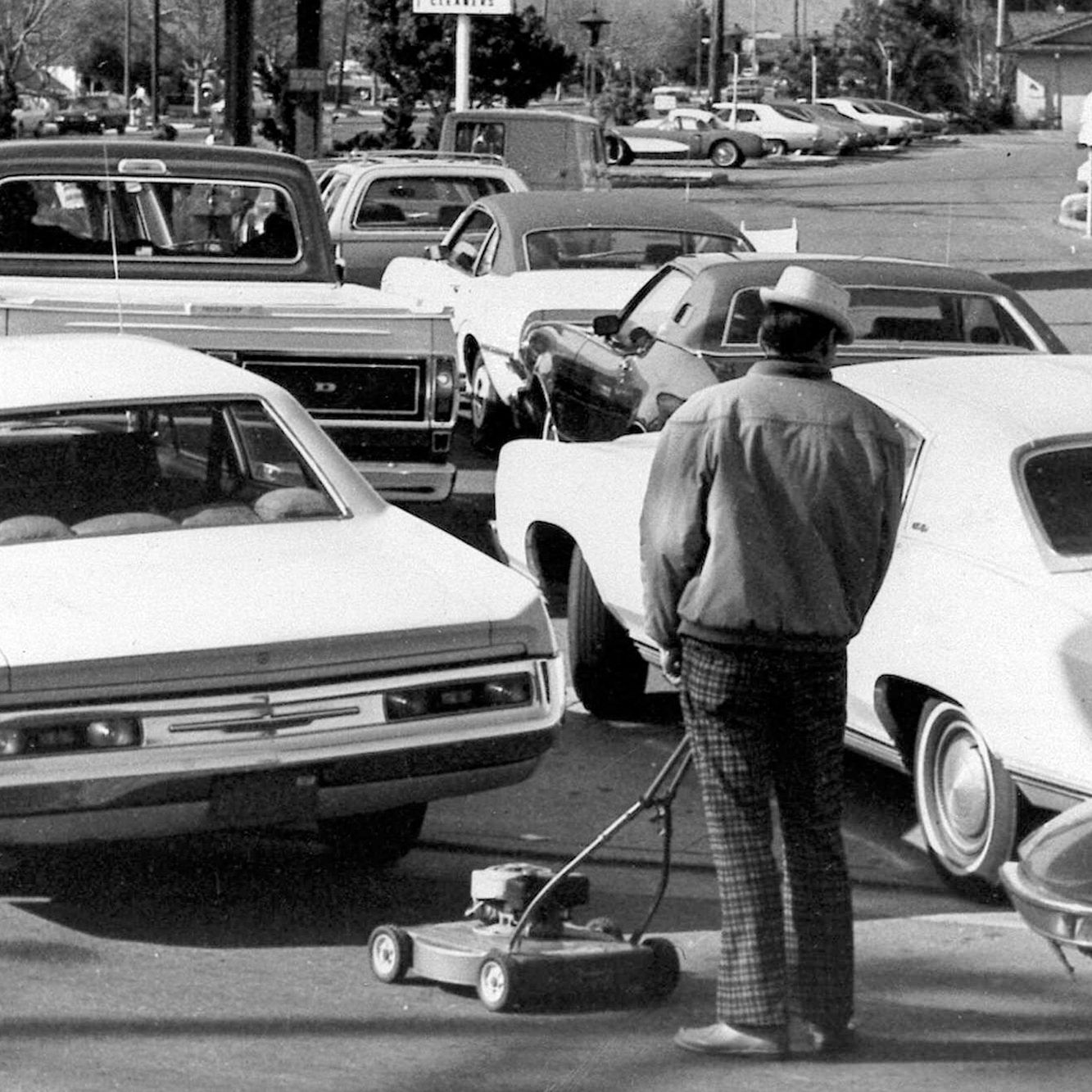
The term is broadly defined as sluggish growth tied with rising inflation. Economists haven’t given it much thought since the 1970s, when U.S. consumers lined up to fill their cars with high-price gasoline and the jobless rate hit 9%.
Earlier this week, the World Bank sharply lowered its growth forecast for the global economy this year and warned of several years of high inflation and tepid growth reminiscent of the stagflation of the 1970s.
Stagflation spells trouble for the economy. Rising inflation erodes consumer purchasing power, and weaker demand hurts companies’ profits and causes layoffs.
Stagflation also puts the Federal Reserve in a bind because the central bank’s job is to keep both inflation and unemployment low. The Fed can raise interest rates to curb inflation—a path it has started on and intends to continue this year—but if it moves too aggressively it risks strangling spending and tipping the economy into a recession.
Why is stagflation a risk now?
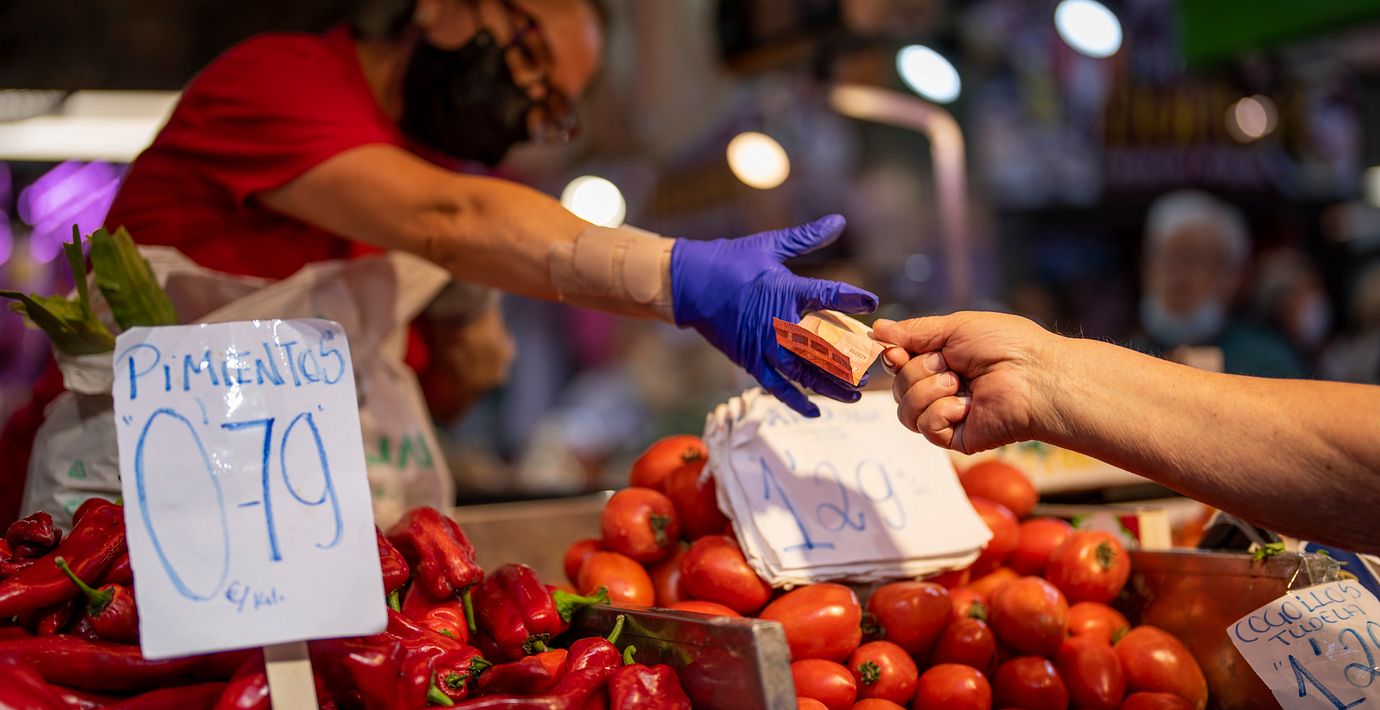
Inflation is close to a 40-year high, and economists are worried about economic growth because of the war in Ukraine as well as lockdowns in China and supply-chain disruptions related to the Covid-19 pandemic.

Are we in a period of stagflation now?
Not necessarily. Inflation is high, but unemployment remains near a half-century low. The U.S. economy contracted in the first quarter as supply disruptions weighed on output, but most economists expect growth will resume in the second quarter because of strength in consumer and business spending. Stagflation would be a sustained period of both higher inflation and slower growth, not just one quarter.
Stagflation remains a risk to the U.S. economy, and there are similarities between the situation in the 1970s and today. Surging prices for oil and food are pushing up the cost of living, and business executives are voicing concerns about the outlook for the economy.
But the key difference between the situation in the 1970s and today is employment. During the 1970s and early 1980s, the unemployment rate at times was around 10%. It was just 3.6% in May 2022. U.S. layoff announcements, for now, are few and far between.
What is the difference between stagflation and inflation?
Inflation refers to an increase in prices for goods and services. The Fed likes to see a bit of inflation. It targets 2% inflation a year, because that signals healthy demand in the economy. But if inflation rises too quickly, the rapid price increases erode households’ purchasing power. Stagflation is a situation in which prices are rising, but demand is weakening and economic growth is slowing or contracting. As a result, businesses make less money and cut jobs, driving up unemployment. At worst, that pushes the economy into a recession.
Has stagflation happened before?
Yes, stagflation occurred from the early 1970s to the early 1980s, when surging commodity prices and double-digit inflation collided with high unemployment.
British Parliamentarian Iain Macleod is credited with first using the word stagflation in 1965. “We now have the worst of both worlds—not just inflation on the one side or stagnation on the other, but both of them together. We have a sort of ‘stagflation’ situation.”
Its seeds were planted in the late 1960s, when President Lyndon B. Johnson revved up growth with spending on the Vietnam War and his Great Society programs. Fed Chairman William McChesney Martin, meanwhile, failed to tighten monetary policy sufficiently to rein in that growth.
“We now have the worst of both worlds—not just inflation on the one side or stagnation on the other, but both of them together”
In the early 1970s, President Richard Nixon, with the acquiescence of Fed Chairman Arthur Burns, tried to tame inflation by imposing controls on wage and price increases. The job became harder in 1973 after the Arab oil embargo drastically drove up energy prices, and overall inflation. Mr. Burns persistently underestimated inflation pressure: In part, he didn’t realize that the economy’s potential growth rate had fallen and that an influx of young, inexperienced baby boomers into the workforce had made it harder to get unemployment down to early-1960s levels.
As a result, even when the Fed raised rates, pushing the economy into a severe recession in 1974-75, inflation and unemployment didn’t fall back to the levels of the previous decade.
The stagflation of the 1970s ended painfully. Fed Chairman Paul Volcker drastically boosted interest rates to 20% in 1981, triggering a recession and double-digit unemployment.