Wyoming vill bli modell för kryptovänliga lagar i USA
Den amerikanska politikern Cynthia Lummis köpte sin första bitcoin 2013 med hjälp av ett barnbarn. Åtta år senare är senatorn för Wyoming en av Kapitoliums starkaste förespråkare av kryptovalutor och blockkedjeteknik. Hennes delstat röstade igenom en rad kryptovänliga lagar 2018 och 2019, ett drag som har lockat flera kryptobolag till landets minst befolkade stat. Nu hoppas hon att resten av landet ska följa efter och att hennes delstat ska bli en inspirationskälla för federala lagar, skriver Bloomberg.
Crypto-Savvy U.S. Senator Sees the Future in Wyoming
Cynthia Lummis wants the federal government to follow her state’s regulation-lite approach to digital currencies.
Sophia Cai, Bloomberg Businessweek, 26 August 2021
In 2013 then-Representative Cynthia Lummis first heard about a new form of currency from her daughter and son-in-law, who helped Lummis buy her first Bitcoin for $330. Eight years later the first-term Republican senator from Wyoming has become one of Capitol Hill’s most ardent supporters of cryptocurrencies and the blockchain technology that powers them. Her state is at the forefront of trying to regulate the fast-evolving digital asset sector after the passage of a slate of crypto-friendly laws in 2018 and 2019.
Driven by curiosity about the subject and advocacy for her state, Lummis, 66, who’s combined a career in government with tending steer on her family’s ranch, regularly attends conferences and workshops on cryptocurrency and has developed a working knowledge of digital money, which initially “sounded so intangible,” she says. (She’s also acquired four more bitcoins; their cumulative value hovered around $250,000 as of Aug. 25.) Earlier this year, in response to a cryptocurrency meme, she even donned a pair of red “laser eyes” on Twitter in support of Bitcoin’s price target of $100,000.
Now Lummis aims to persuade her fellow members of Congress to emulate Wyoming’s hands-off approach toward regulating crypto, which has led several prominent companies, such as crypto exchange Kraken and blockchain platform Cardano, to move to the nation’s least populous state. In addition to exempting digital currencies from property taxation and standardizing regulatory language, Wyoming has also encouraged crypto miners to use natural gas that’s an unwanted byproduct of oil drilling to power their hugely energy-intensive activity.
“We needed to do something that didn’t depend on coal, oil, and gas — those were industries that were waning”
Those changes laid the groundwork for the chartering in 2019 of Wyoming’s crypto banks, otherwise known as special purpose depository institutions, or SPDI (“speedy”) banks — the first fully regulated financial institutions in the U.S. that hold cryptocurrency in addition to fiat currency.
“For a state like Wyoming, cryptocurrency provides an alternative store of value as well as the technology that diversifies our economy,” says Chris Rothfuss, a Wyoming state senator who chairs the chamber’s blockchain committee. “We needed to do something that didn’t depend on coal, oil, and gas — those were industries that were waning.”
Lummis cites Wyoming as a model for federal regulation of the $1.6 trillion market. “Wyoming in fact had so successfully innovated in this regulatory and legislative space that it was ready for prime time, in a very big way,” says Lummis, sitting on a long couch in her Senate office.
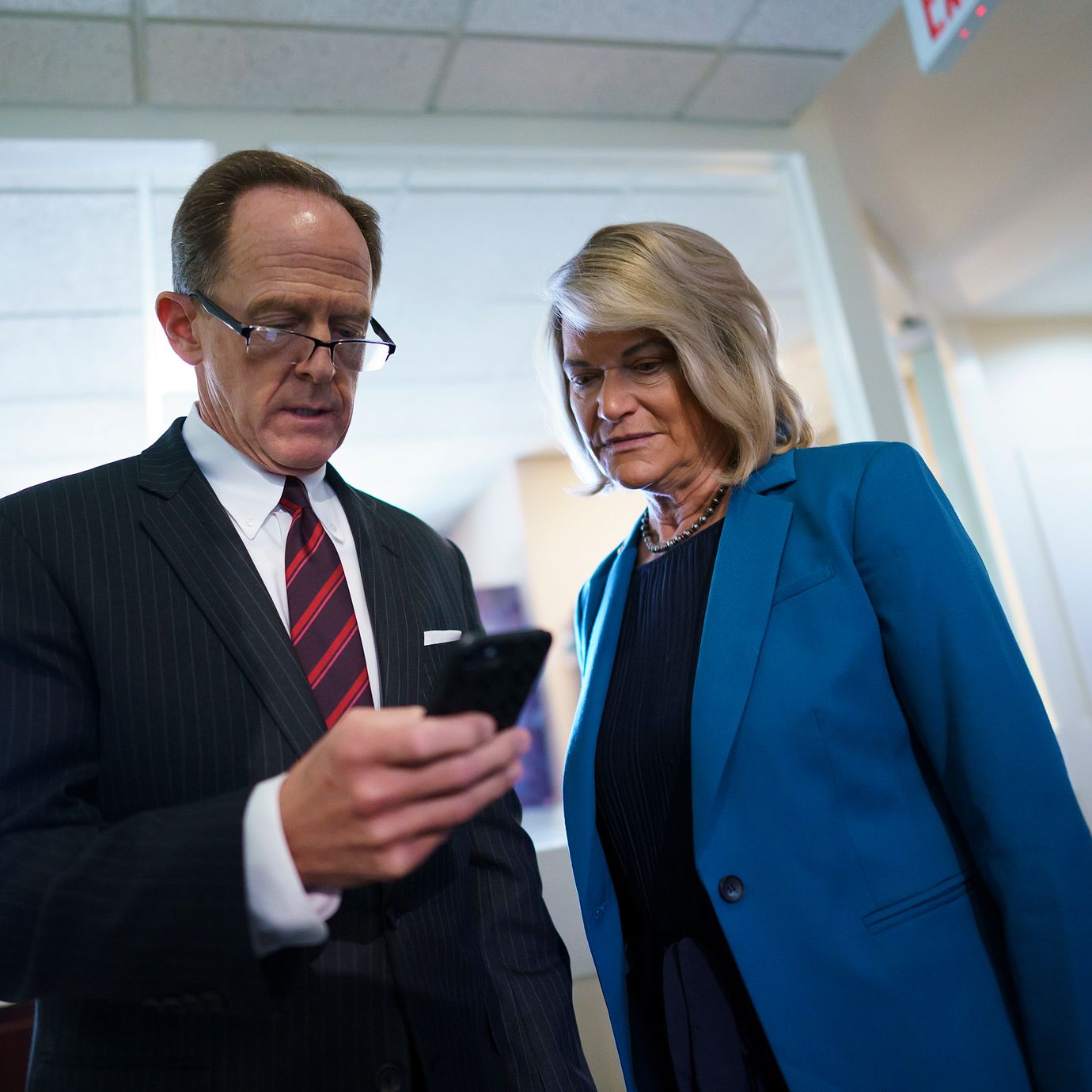
She was among a bipartisan trio of senators who tried to change a provision in the $550 billion infrastructure bill that raised taxes by requiring cryptocurrency exchanges to report information to the IRS. Lummis, Pennsylvania Republican Pat Toomey, and Oregon Democrat Ron Wyden introduced an amendment that would have exempted crypto miners and software developers from reporting, arguing that they didn’t have enough information to comply. Critics said the amendment would create loopholes in a way that would allow tax avoidance to proliferate.
“The bigger it gets and the more it stays outside the financial system — something goes wrong, [...] I don’t want the U.S. taxpayer to be the one that gets called on to back this up”
The amendment was blocked, but the effort highlights the growing political tensions around the rise of cryptocurrencies such as Bitcoin, Ethereum, and Dogecoin, as well as stablecoins, a form of cryptocurrency pegged to another asset to reduce its volatility. Securities and Exchange Commission Chair Gary Gensler recently said at an Aspen Institute forum that the sector is “rife with fraud, scams, and abuses.” In an interview in August with Bloomberg Businessweek, he signaled that he would use his agency’s authorities for robust oversight. “If somebody wants to speculate, that’s their choice, but we have a role as a nation to protect those investors against fraud,” he said.
The issue has scrambled party lines in Congress. Ohio Senator Rob Portman, a Republican, joined Democrats Kyrsten Sinema of Arizona and Mark Warner of Virginia in backing a separate, narrower amendment to counter the one that Lummis brought.
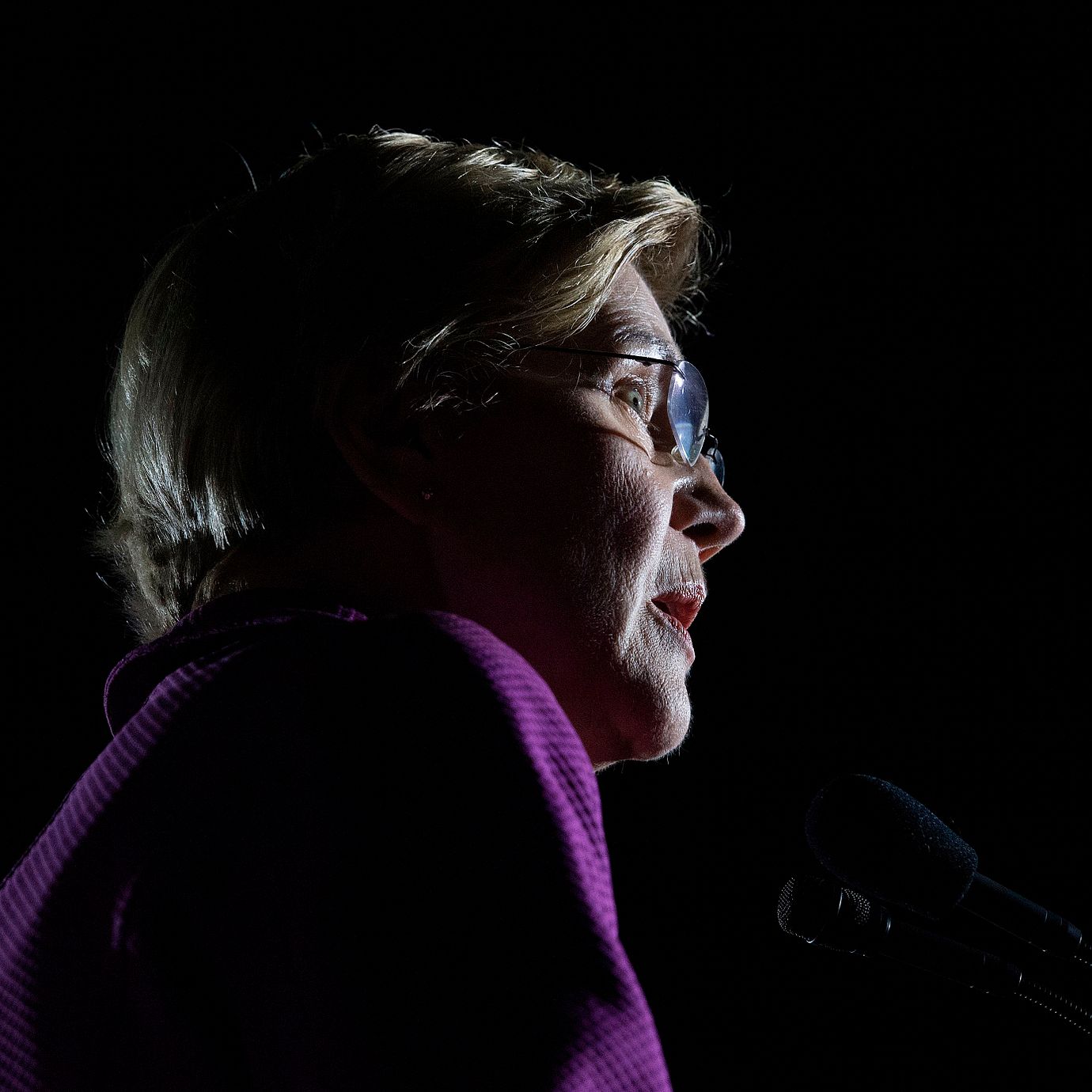
Democratic Senator Elizabeth Warren says cryptocurrency is the “Wild West” of the U.S. financial system and has pressed regulators to protect consumers and taxpayers. “The bigger it gets and the more it stays outside the financial system — something goes wrong, there’s a run on crypto or elsewhere in the economy — I don’t want the U.S. taxpayer to be the one that gets called on to back this up,” she said on Aug. 4 in an interview on Bloomberg Television.
The Biden administration weighed in on the Senate battle over crypto amendments in early August by supporting the one advanced by Portman, Sinema, and Warner, which it said would “ensure that high-income taxpayers are contributing what they owe under the law.” The Senate passed the bipartisan bill with the original provision intact.
Among the worries of federal regulators and lawmakers is that crypto is fueling ransomware attacks, making it possible to extort huge payments from large companies, hospitals, and city governments under the cover of near anonymity. Lummis says that cryptocurrency can sometimes be more traceable than cash. She hopes to get legislation passed that would establish a digital asset working group with federal regulators, including representatives from the SEC and the Commodity Futures Trading Commission. She envisions a more comprehensive regulatory framework in the next three or four years, paving the way for more institutions to use Bitcoin as legal tender.
That will be an uphill climb given Congress’s lack of familiarity with crypto and its already crowded agenda, says Isaac Boltansky, a policy analyst with investment firm Compass Point Research & Trading. “Senator Lummis is going be a persistent and loud voice with financial regulators when they come knocking, and one of the first people we’re all going to be looking to,” he says, “but I think that’s all that we should expect from her.”
More stories like this are available on bloomberg.com.