Theranos-skandalen mot vägs ände – nu kommer andra domen
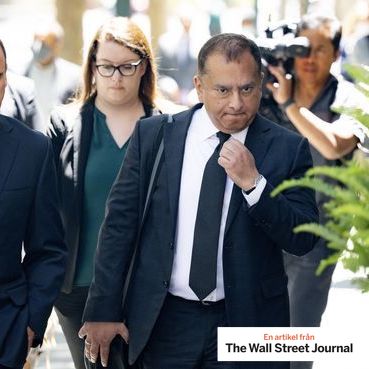
Theranos grundare Elizabeth Holmes dömdes för en månad sedan till över 11 års fängelse för bedrägeri i den skandalomsusade härvan kring det en gång så hajpade blodanalysbolaget. På onsdag är det den andra delen i Theranos-duon, den forne vd:n Ramesh ”Sunny” Balwani, som ska få sin dom.
Han lär sannolikt få ett ännu hårdare straff än Holmes eftersom hans bedrägerier inte bara lurade superrika investerare, utan även patienter, säger experter till Wall Street Journal.
 The Wall Street Journal
Theranos Ex-President Sunny Balwani to Be Sentenced Wednesday
Former executive at blood-testing startup faces longer prison term than his boss after founder Elizabeth Holmes was sentenced to 11¼ years
Theranos Inc.’s former No. 2 executive could face an unusual white-collar criminal punishment: the possibility of being sentenced to a longer prison term than his boss, who was at the center of the fraud at her company, some criminal defense attorneys said.
Ramesh “Sunny” Balwani faces sentencing in federal court Wednesday after being convicted of 12 counts of wire fraud and conspiracy. He denied all the charges, and his lawyers are asking for probation.
Mr. Balwani’s former business partner and ex-girlfriend, Theranos founder Elizabeth Holmes, was sentenced last month to 11¼ years for four counts of criminal fraud tied to her now defunct blood-testing startup. The 38-year-old Ms. Holmes, the ex-Theranos chief executive who is pregnant with her second child, had what defense lawyers said was a more compelling argumentthan Mr. Balwani for leniency.
“You can certainly see that Holmes’s sentence functions as a floor for Balwani,” said Michael Yaeger, an attorney at Carlton Fields P.A. and owner of sentencing consulting firm Empirical Justice Inc.
Judges are required by law to avoid unwarranted differences in sentences issued for similar crimes, lawyers said. A large disparity in sentences could appear particularly unfair in a case like Theranos where the defendants have very similar crimes, neither have a criminal history and neither cooperated with the government, said white-collar defense attorney and former federal prosecutor Andrey Spektor.
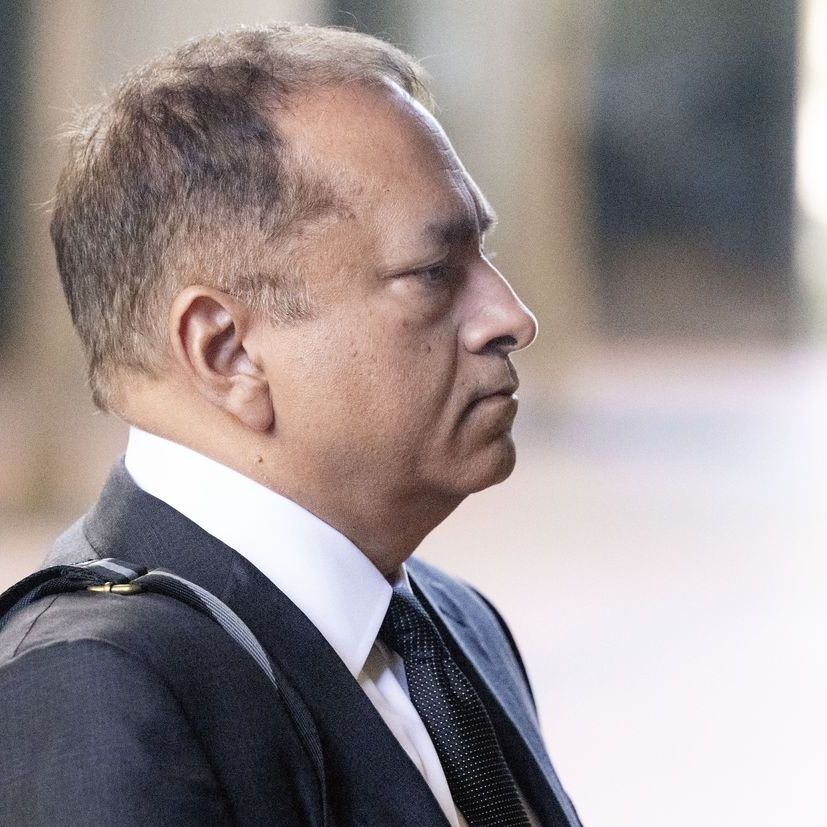
U.S. District Judge Edward Davila could choose to give Mr. Balwani more time in prison than Ms. Holmes because he was found guilty on eight additional counts, lawyers said. Judge Davila, who also oversaw Ms. Holmes’s trial,could find that investors suffered a larger loss due to Mr. Balwani’s fraud, or that Mr. Balwani recklessly put patients at risk of death or serious bodily injury, both of which could add years to his sentence.
The 57-year-old Mr. Balwani, who previously worked for software companies and helped run an e-commerce startup and had no medical credentials, had direct oversight of Theranos’s lab, and often rebuffed the concerns staff brought to him about problems with the lab’s procedures and test results, according to testimony from his trial. Mr. Balwani was Theranos’s president and chief operating officer for about six years, until 2016, two years before the company collapsed.
Mr. Balwani’s lawyers argued that when problems in the lab arose, Mr. Balwani was told they were fixed, and the jury’s verdict didn’t involve finding that Mr. Balwani knew Theranos was risking bodily harm to patients.
Should Judge Davila decide that Mr. Balwani should be penalized for risking patient health, that would increase his sentencing range to between 14 years and 17½ years, according to federal sentencing guidelines.
”Balwani will be different. He was found guilty of patient crimes”
One patient who testified in Mr. Balwani’s trial, Brent Bingham, said he believed Mr. Balwani’s sentence should be harsher than that of Ms. Holmes, who was convicted of defrauding mostly wealthy investors.
“The super rich who invested aren’t hurt that much,” Mr. Bingham, 69, said in an interview after Ms. Holmes’s sentencing. “Balwani will be different. He was found guilty of patient crimes.”
Mr. Balwani was convicted in July of seven counts of wire fraud and conspiracy against investors in the Silicon Valley startup, and five counts of fraud and conspiracy against patients who used Theranos blood tests. His trial showed that Theranos’s blood-testing devices were unreliable and often produced inaccurate results, and that Mr. Balwani and Ms. Holmes lied about the company’s technology, finances and business prospects.
Ms. Holmes in January was convicted on four counts of conspiracy and wire fraud against Theranos investors. She was acquitted on the charges she defrauded patients, and the jury couldn’t reach a verdict on another three fraud counts. The pair were indicted together in 2018 but Judge Davila severed the case in March 2020, leading to separate trials with separate juries.

The possibility of additional prison time puts Mr. Balwani in the rare position of a No. 2 executive facing a potentially tougher sentence than his former boss, who was both the CEO and the company’s controlling shareholder. At Adelphia Communications Corp., Chief Financial Officer Timothy Rigas was sentenced to 17 years in prison for looting the cable company of more than $100 million and lying about its financial condition. His father, the company founder and former CEO, was sentenced to 12 years.
A sentence that extends much beyond that of Ms. Holmes would make Mr. Balwani’s punishment among the stiffest in white-collar sentencing in recent years, on par with offenders who led some of the biggest business fraud scandals of the past two decades.
Ms. Holmes appealed the court’s decision in her case last week, and her opening brief is due March 3 with the U.S. Court of Appeals in San Francisco. Ms. Holmes is scheduled to report to prison on April 27, 2023, but she has requested to remain free throughout her appeal.
Government prosecutors have requested a 15-year sentence for Mr. Balwani. A report from a probation officer, who provides an objective recommendation for the judge’s consideration, suggests a nine-year sentence. These are identical to the recommendations for Ms. Holmes.
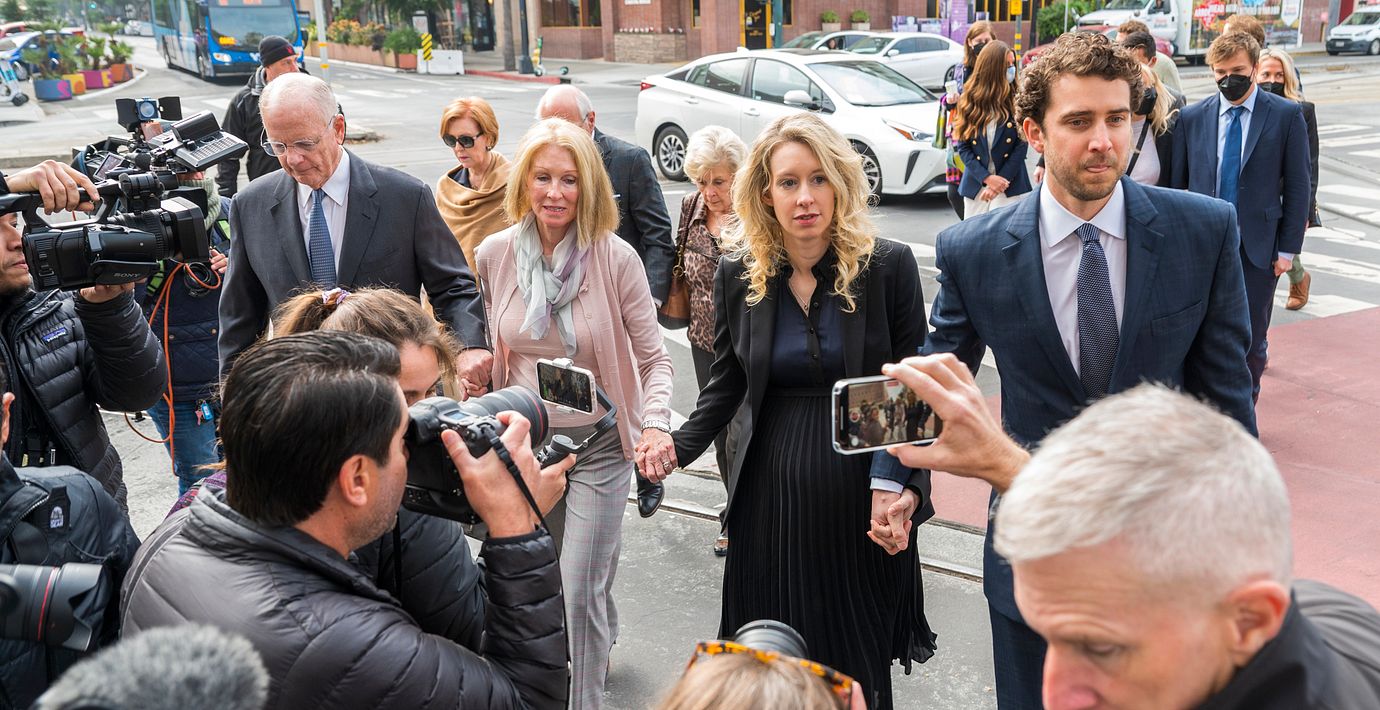
Judge Davila made clear during Ms. Holmes’s sentencing that he considered her fraud a serious matter and would adhere closely to federal sentencing guidelines. That doesn’t bode well for Mr. Balwani, whose request to limit his punishment to probation or home confinement seems like an improbable wish, lawyers said.
“He is really pushing a boulder uphill on this,” said criminal defense attorney Michael Weinstein.
The probation officer found that Mr. Balwani’s crimes fall into the most serious offense category specified by U.S. sentencing guidelines, and which carries a life prison term for top offenders.
According to an analysis from the government, since 2017 there have been 29 offenders with similar crimes and a similar criminal history to Mr. Balwani. The median prison term for those 29 offenders was 12 years.
Judge Davila declined to find Ms. Holmes responsible for risking patient death or bodily harm because a jury had acquitted her of all patient-related charges.
In Mr. Balwani’s trial, some former Theranos employees blamed him for the company’s lab failures.One lab worker, Erika Cheung, who raised concerns about quality-control failures in Theranos’s lab, said in her trial testimony that Mr. Balwani told her he was tired of employees voicing doubts about Theranos’s devices and that she was “to process patient samples without question.”
Unnamed former Theranos employer in a letter in support of Balwani
“Sunny always had the best intentions when it came to Theranos” and always kept “the patient experience in mind”
A former lab director testified that Mr. Balwani got angry when he was approached about problems in the lab. In an email, Mr. Balwani told another Theranos lab director that the job he was hired to do was “an on-call consulting role” with minimal time commitment.
“Balwani’s conduct toward patients created a significant risk of death or serious injury as a result of misdiagnosis; an inaccurate test result could cause a patient to undergo an unnecessary treatment that could harm them, or to forego a necessary treatment that could save them,” the government wrote in a filing last week.
The defense has sought to pin the blame on Ms. Holmes. Mr. Balwani’s lawyers said he wasn’t involved in Ms. Holmes’s decision to forge documents that falsely claimed pharmaceutical companies had validated Theranos’s technology—among the most incriminating evidence against Ms. Holmes in her trial.
The defense submitted more than 60 letters of support for Mr. Balwani from family members; pushcart vendors and disabled individuals who are recipients of donations from the charities Mr. Balwani helps fund in India, where much of his family resided; and from former Theranos employees, who didn’t sign their names.
“Sunny always had the best intentions when it came to Theranos” and always kept “the patient experience in mind,” one of the former employees wrote.