Abu Dhabis utträde skakar Opec: ”Början på slutet”
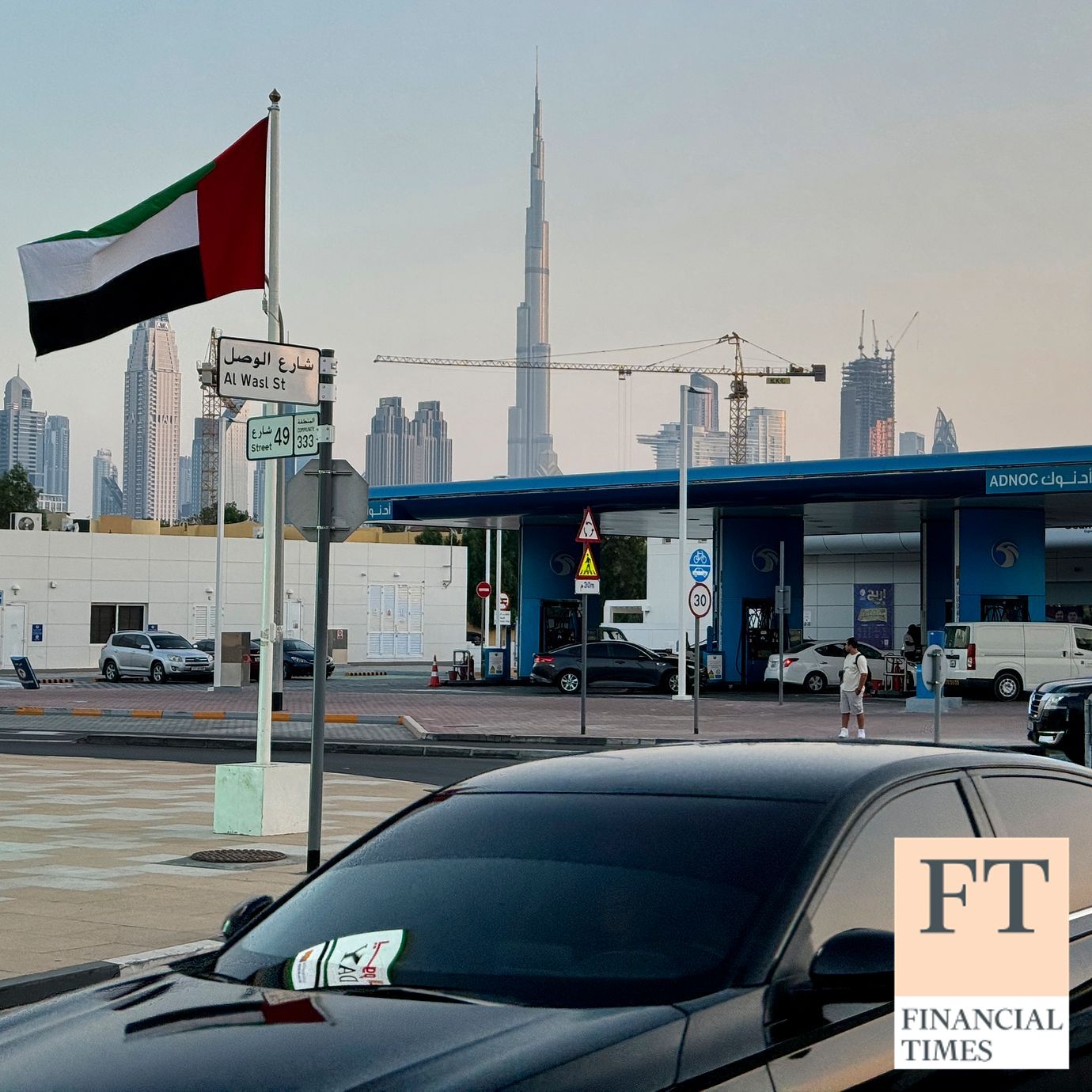
Förenade arabemiratens besked om att lämna Opec blottar en fördjupad spricka i den 66-åriga oljekartellen, skriver Financial Times. Marknaden reagerade knappt, eftersom kriget med Iran och stängningen av Hormuzsundet väger tyngre. Men på sikt kan avhoppet försvaga Opecs grepp om oljepriset.
– Det här är början på slutet för Opec, säger Saul Kavonic, energianalytiker vid MST Financial.
Bakom beslutet finns en lång konflikt med Saudiarabien om växande produktionskapacitet och krav på större kvoter.
 Financial Times
‘The beginning of the end of Opec’: can the oil cartel survive the UAE’s exit?
Abu Dhabi’s surprise decision to leave the oil cartel raises doubts over its future.
When the United Arab Emirates said on Tuesday it planned to leave Opec, threatening the global cartel’s ability to survive, oil markets merely shrugged.
Brent crude rose for a seventh day as traders paid closer attention to developments in the Iran war than the fallout from the 66-year-old oil cartel losing its third-biggest producer and one of its most influential members.
The muted oil price reaction is a reflection of the outsized importance of global shortages arising from the closure of the Strait of Hormuz. But it is also a symptom of Opec’s declining relevance to global oil markets.
“This is the beginning of the end of Opec,” said Saul Kavonic, an energy analyst at MST Financial. “Saudi Arabia will struggle to keep the rest of Opec together. We could see other members follow suit, including Venezuela.”
Founded in 1960 by countries rebelling against the control of their resources by foreign oil companies, Opec emerged as a major power in 1973 when an alliance of its Arab members carried out an embargo on countries supporting Israel, including the US, to devastating effect.
But its influence has waned in recent decades as countries outside the cartel, particularly the US, increased oil production. Excluding the UAE, Opec produced around a quarter of the world’s oil last year, down from around a half at the peak of its control.
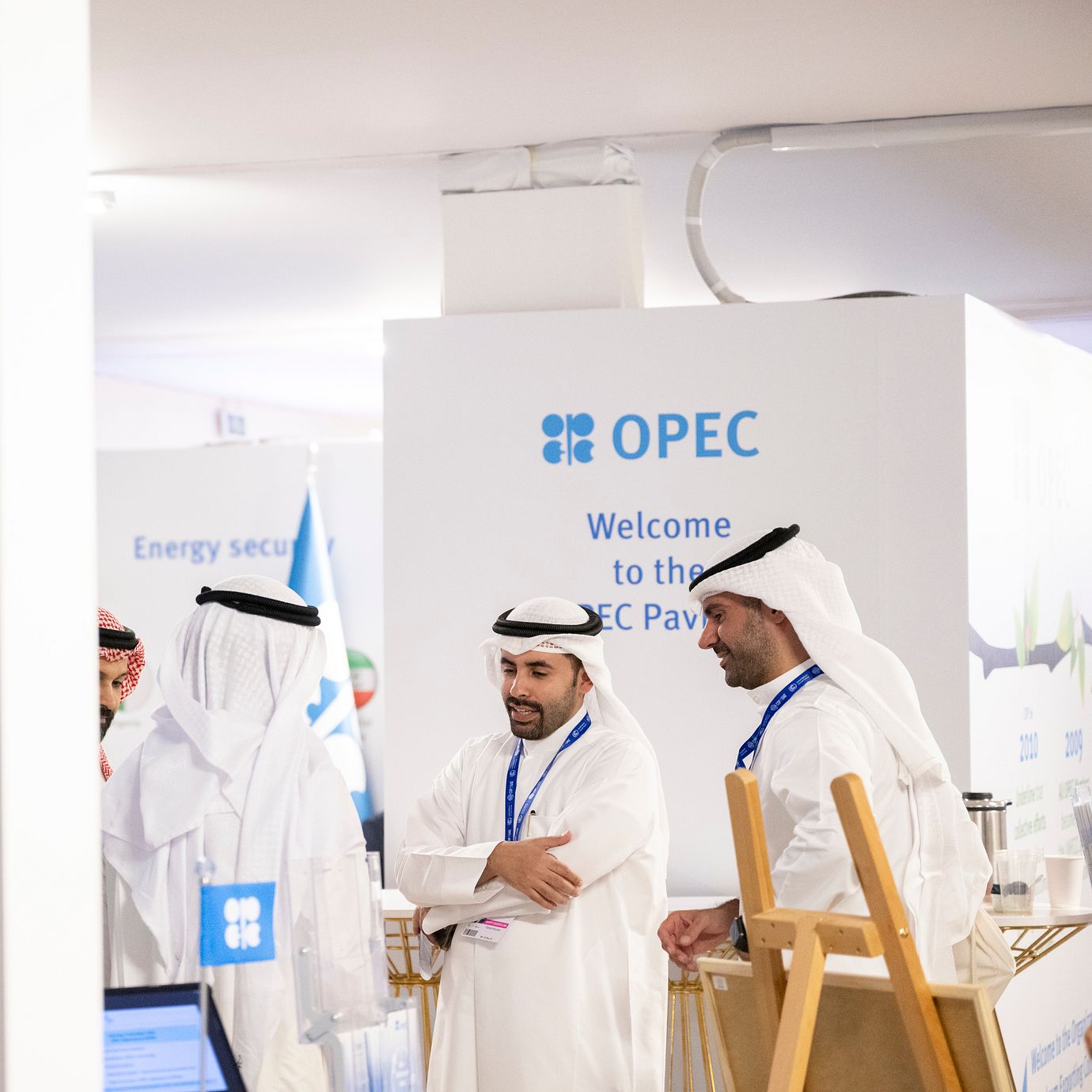
The expansion of the group to 10 other countries under the so-called Opec+ alliance a decade ago increased some influence. But patchy adherence to output caps and limited firepower to add or subtract barrels from the market have blunted the impact of the group’s decisions.
Meanwhile, markets have become increasingly attuned to statements from the US, including President Donald Trump’s social media accounts.
“The Iran war has shown that the US can have as much, if not more, influence over global oil flows than Opec,” said Kavonic.
Iran’s control of the Strait of Hormuz, a narrow waterway through which one-fifth of the world’s oil usually passes, is a further blow to Opec’s ability to control the market. More than half of the cartel’s oil production comes from Saudi Arabia, Iraq and Kuwait. Tehran has shown it can halt most of those flows immediately.
“It completely dilutes Opec’s market power and puts Iran in control of the vast majority of Opec’s exports,” said Joel Hancock, a senior commodities analyst at Natixis Bank. “Under this status quo, Opec loses a lot of market power and effectively becomes an instrument of Iran’s foreign policy.”
Still, while the UAE’s departure from Opec is unlikely to affect oil prices in the short term, it is likely to weigh on oil prices in the longer term as the UAE will be able to produce more, according to analysts at UBS.
“Its departure therefore removes one of the core pillars underpinning Opec’s ability to manage the market”
People close to the Saudi government downplayed the move on Tuesday. “The UAE’s exit will not have much impact on global oil markets, as it has been and still is exceeding its production quotas,” Mohammad al-Sabban, Saudi Arabia’s former senior oil adviser, said on X. “It has always been ‘the naughty boy’.”
The relationship between the UAE and Opec de facto leader Saudi Arabia had soured in recent years. The two countries offered a united front at crucial moments in the alliance’s history, driven by their shared interest in stable oil markets and maintaining cohesion between Gulf states.
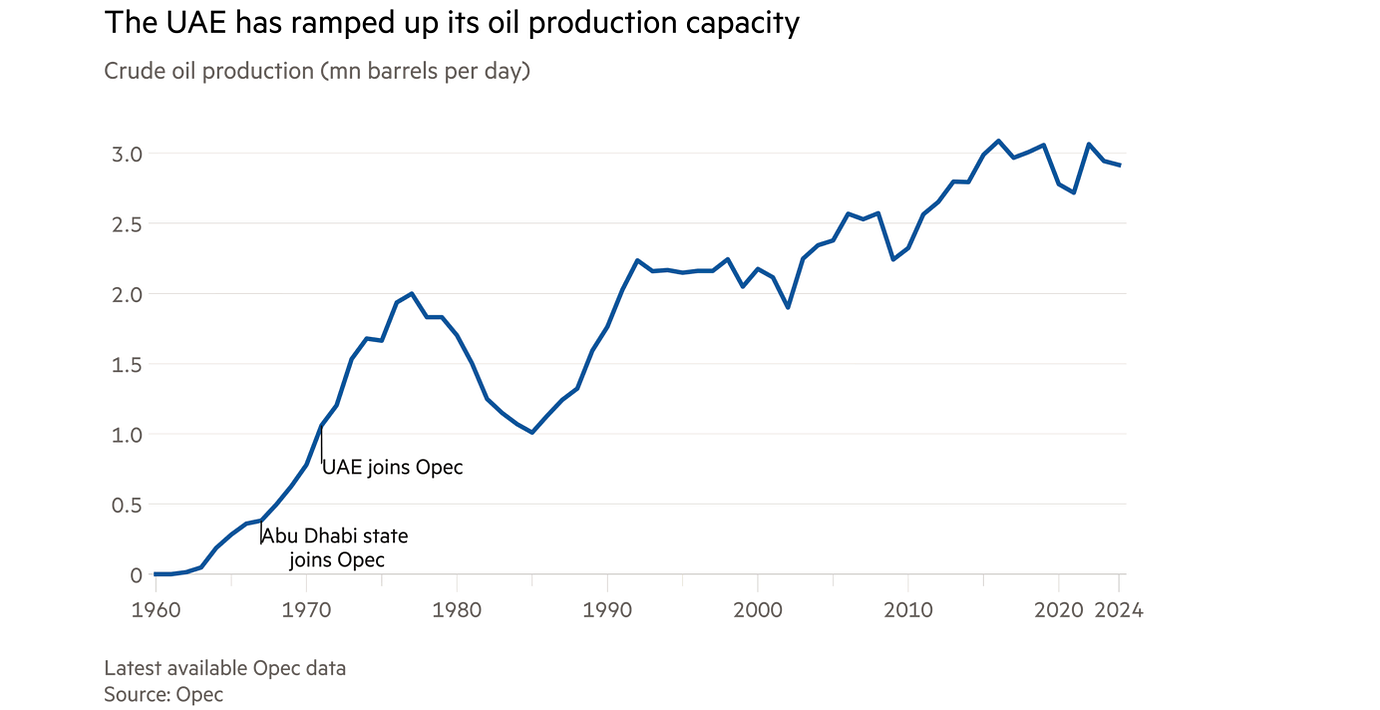
But they have been on a collision course for almost a decade since Abu Dhabi set a target to expand its oil production capacity from 3mn to 5mn barrels a day (b/d), originally with a deadline of 2030, but later revised to 2027. As the UAE’s ability to produce more oil grew, it needed a larger Opec quota.
Saudi Arabia initially resisted the move, fearing its neighbour’s growing importance as an oil producer and a dilution of the group’s main tool for swaying oil prices. But in 2021, Abu Dhabi managed to secure a bigger slice of Opec’s total output by threatening to leave. Since then, it has faced repeated accusations of pumping above its agreed limits.
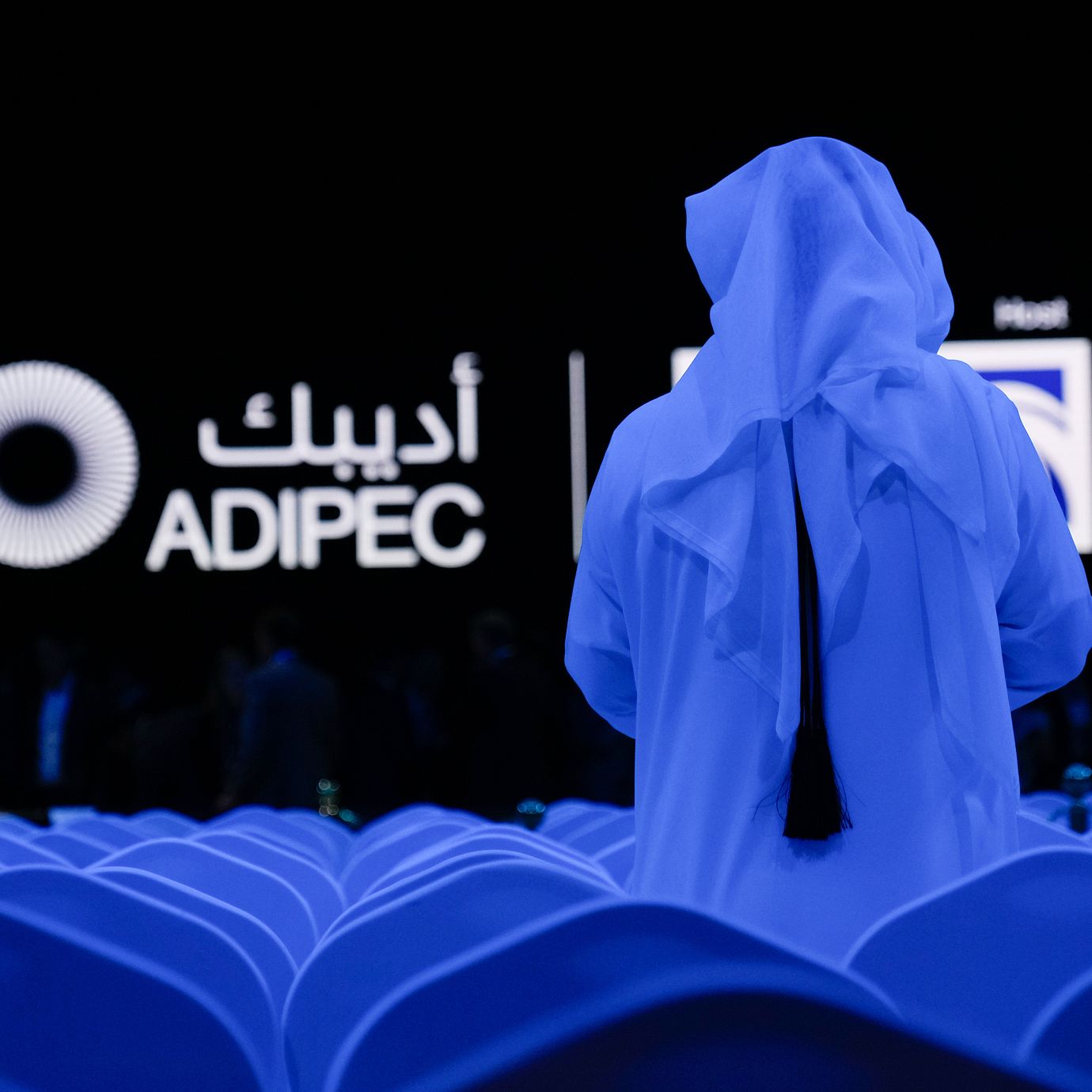
The departure of the UAE could make Opec decision-making smoother as Saudi Arabia will be able to consolidate its power. However, it will also lead the kingdom’s policymakers to question whether they can shoulder the full burden of implementing Opec’s cuts.
“Alongside Saudi Arabia, [the UAE] is one of the few members with meaningful spare capacity, the mechanism through which the group exerts market influence and responds to supply shocks,” said Jorge León, head of geopolitical analysis at Rystad Energy and a former Opec employee.
“Its departure therefore removes one of the core pillars underpinning Opec’s ability to manage the market,” he said.
The UAE is not the first country to leave Opec since its creation; in recent years, Indonesia, Qatar, Ecuador and Angola have all departed.
But Raad Alkadiri, a veteran Opec watcher and senior associate at the Center for Strategic and International Studies, said what was “striking” about the UAE’s announcement was the timing.
“This smacks of a political motive far more than an oil market motive,” said Alkadiri. “It speaks to the geopolitical faultlines in the Middle East as much as it does to anything market related in the short- to medium-term.”
Relations between the UAE and Saudi Arabia were already at a low ebb due to alignments with warring factions in Yemen and growing rivalry as competing business hubs in the region. The Iran war exacerbated those differences.
The UAE’s departure would probably not be “fatal” for the group unless it triggered a ripple of other departures.
“The end of Opec has been written a whole host of times, and Opec has been able to adapt,” said Alkadiri. But he noted that if Venezuela, Iraq or Iran considered a departure, that would significantly weaken the group. “Those countries may now have more leverage in Opec decision-making than they did before”.
Nevertheless, the wider Opec+ alliance still accounts for around 40 per cent of global oil output even after the UAE’s departure. Holding this wider group together will be key to Opec’s future, said Alkadiri. “If Saudi leadership holds that more fragile alliance together, the impact of the UAE departure can be managed.”
Some analysts believe the UAE will come to regret the move. “I would not be surprised if in the future the UAE reconsiders its decision,” said Bob McNally, the founder of energy analysts Rapidan, explaining that without careful management of the market, oil prices could become highly volatile, particularly if there is a glut of crude.
“When we next have oversupply, there will be a similar pressure on major producers to collaborate,” he said. “What’s less clear is when we will have oversupply again. It could be near term if we have a massive recession like in 2008, or it could be many years from now.”
Additional reporting by Jamie Smyth in New York. Data visualisation by Janina Conboye
©The Financial Times Limited 2026. All Rights Reserved. FT and Financial Times are trademarks of the Financial Times Ltd. Not to be redistributed, copied or modified in any way.