Är guldet det nya krypto för oroliga investerare?
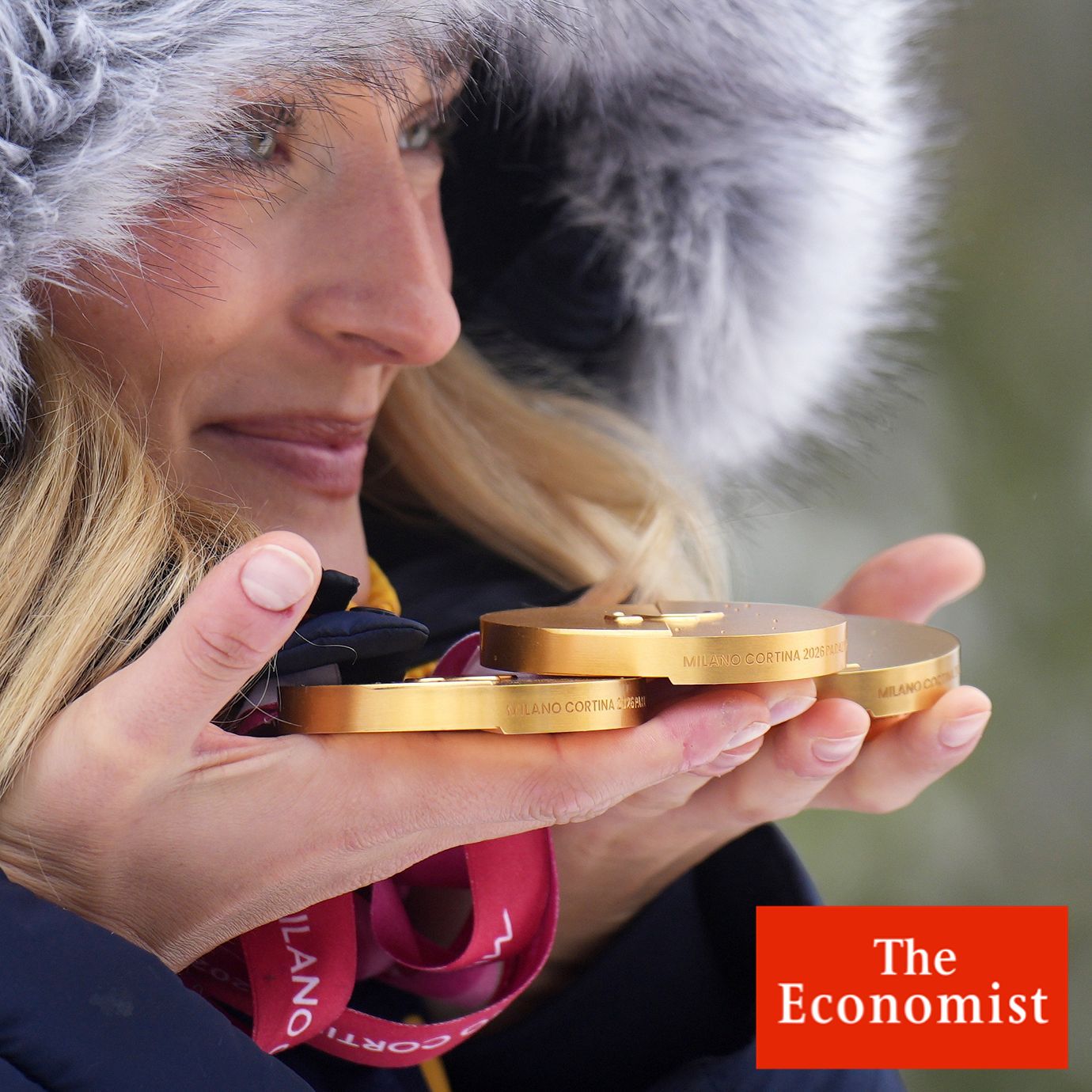
Guld brukar stiga när världen skakar, men efter Irankriget har priset i stället fallit kraftigt.
Förklaringen är bland annat stigande realräntor, centralbanker som säljer och ett växande inslag av spekulation. Där bitcoin en gång kallades ”digitalt guld”, som kom att följa marknadens riskaptit, tycks nu även guldet uppvisa samma drag.
”Nu ser även guldet ut som meme-handel”, skriver The Economist.
 The Economist
After Iran, gold is looking less glittery
Is the yellow metal the new crypto?
Conventionally, investors want the assets they hold to make them money—and not just owing to rising valuations. Bonds spit out coupons; stocks offer dividends. Gold is different. It emanates no cashflows. Its smattering of real-world uses, in jewellery-making or electronics, hardly justifies its hefty presence in many portfolios.
The best reason to hold gold is as insurance against a blow-up, real or metaphorical. The hope is that millennia of human fascination with the stuff mean its value will never fall to nothing. The metal has also long had the helpful property of getting more valuable when other assets are in trouble.
The unprecedented energy shock caused by the American-Israeli war against Iran should be exactly when gold comes into its own. After all, gold jumped in value when Russia invaded Ukraine in 2022 and did even better when Iran last seriously roiled oil markets, after its revolution of 1979. Yet since the war began on February 28th, gold has plunged by about 15%, more than global equities. Some hedge.
Yet neither rising real yields nor central banks’ sales fully explain gold’s recent behaviour
Part of what is going on is gold’s tendency to move in the opposite direction to the yield on inflation-protected government bonds (and so in line with their price). That is because investors see gold itself as akin to an inflation-linked bond with a zero coupon. A lump of metal issues no interest payments but at least the value of the principal should be protected against rising prices. If those inflation-indexed payouts rise, gold loses appeal. Real yields have leapt since America began bombing Iran—by 0.4 percentage points on ten-year American Treasuries. This reflects a riskier global environment and angst that higher oil prices will stoke inflation, forcing central banks to raise interest rates.
Another explanation is central banks’ management of the yellow metal. In countries spooked by the prospect of Western sanctions—like Russia, whose foreign-currency reserves were frozen after it invaded Ukraine—gold can serve as a handy hedge against weaponisation of the dollar. Elsewhere it offers a way to diversify their reserves. But when its value jumps, as it has in the past few years, cashing out some of the profits from the rally starts looking attractive to central bankers eager to buttress their country’s currency or governments keen to generate cash for other purposes.
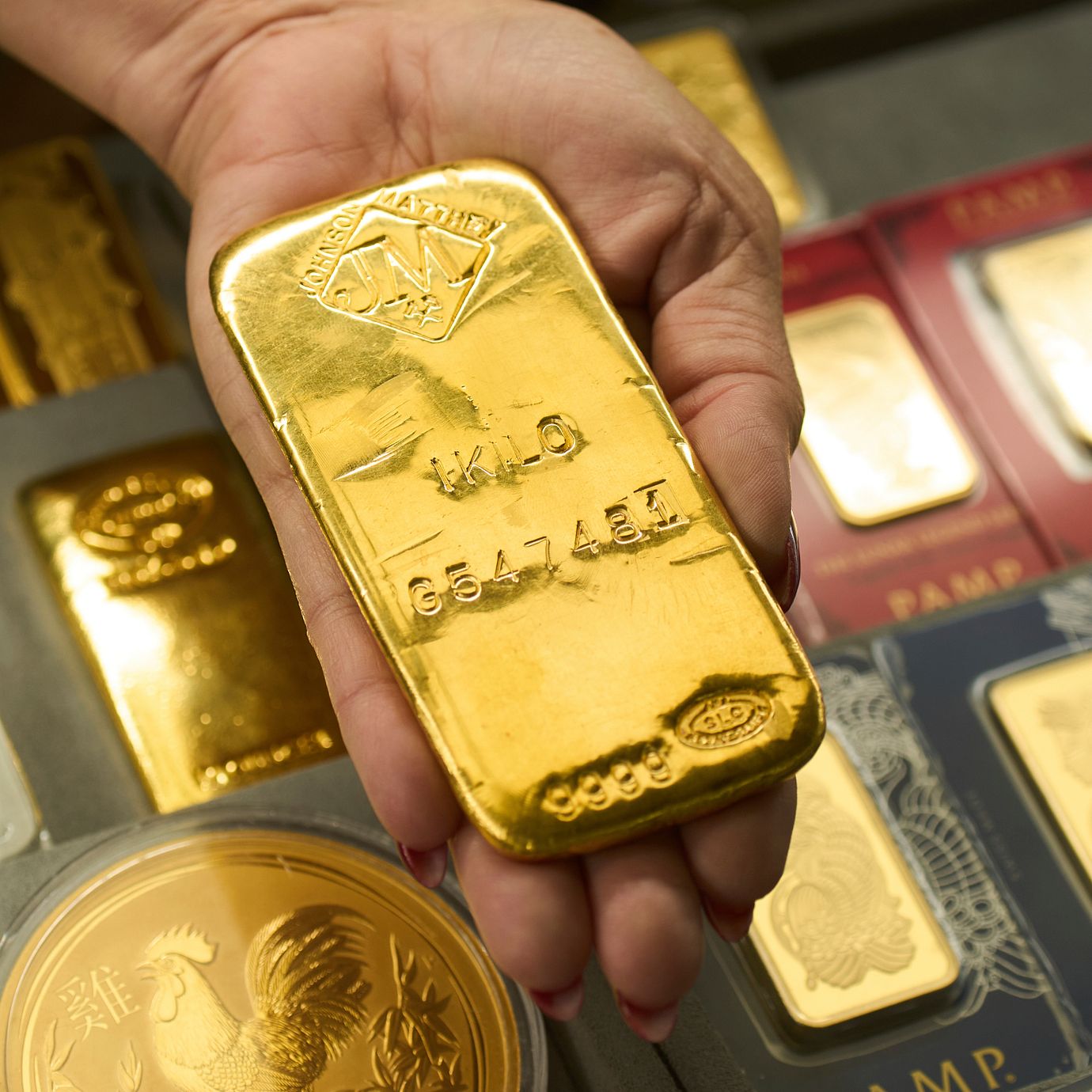
In the fortnight to March 20th Turkey sold $8bn-worth of gold to prop up the lira. India may be doing something similar. The governor of Poland’s central bank recently mused about locking in some of the profits from the run-up to help bankroll defence spending. Other such opportunistic divestments would explain some of the latest drop.
Yet neither rising real yields nor central banks’ sales fully explain gold’s recent behaviour. Another explanation of what is going on with gold is to think of it as becoming like the asset that was meant to replace it. Bitcoin was once heralded as “digital gold”—a haven protecting investors against inflation and profligate governments, and insulated from the long arm of Uncle Sam. Instead it developed the unfortunate habit of trading in line with the market’s basest, speculative animal spirits.
Now gold, too, is looking like a meme trade. Its rise, by some 60% between last summer and late February, coincided with a boom in gold exchange-traded funds. These increased their holdings by 25% in the past year, to around 4,200 tonnes. Its fall is being accelerated by some of those speculative bets being unwound.
The momentum-chasers will inevitably find another asset to take them “to the moon”
The past few weeks show, in other words, that gold is not a universal hedge. Still, gold’s chief historic appeal is not as protection against Gulf wars, or even an energy shock, but against the debasement of money. This is a giant risk amid mounting public debts, which governments may seek to inflate away. You would expect gold to rise when America wages another expensive war and other indebted countries consider subsidising citizens’ energy bills—but if only other things are equal. When the meme traders outnumber the debasement traders, and when institutional investors sell at a profit to cover losses on other assets, other things aren’t equal.
In time, the momentum-chasers will inevitably find another asset to take them “to the moon”. The debasement trade will then reassert itself and gold may regain a semblance of its safe-haven status. Knowing what price will purge the last of the fair-weather gold bugs is another matter altogether.
© 2026 The Economist Newspaper Limited. All rights reserved.