Bloomberg: Dåligt för Twitter om Musks köp går igenom
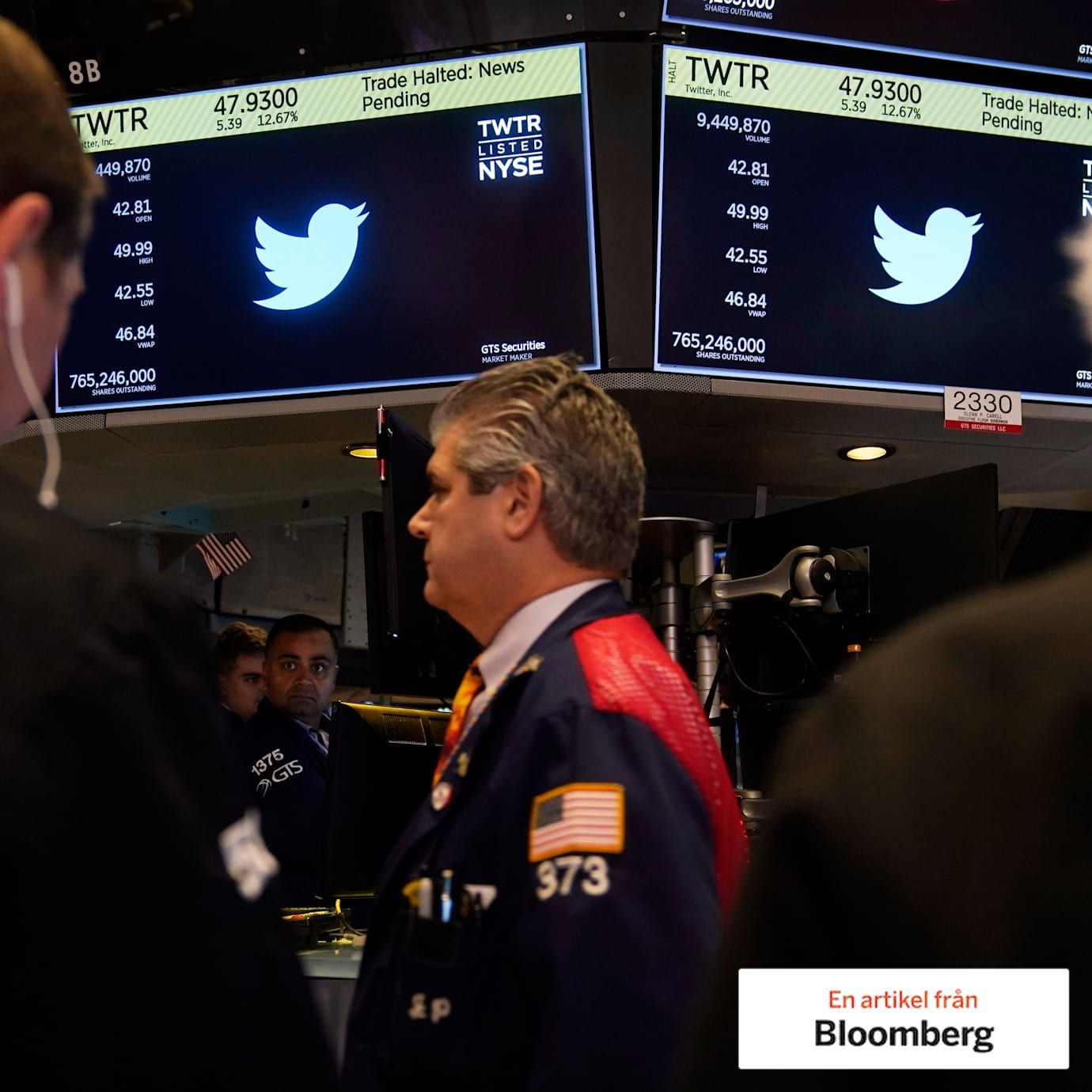
Parterna har på sig till den 28 oktober för att komma överens om detaljerna i affären som i så fall innebär att Musk köper Twitter för 44 miljarder dollar. Om det blir av kommer aktieägarna att få 54,20 dollar per aktie. Men för företaget och dess anställda kommer det inte att komma något gott ur affären, skriver Bloomberg.
Twitter har ägnat åratal åt att försöka städa upp på plattformen. Med Musk, själv ett ”stolt troll”, vid rodret kommer ansträngningar att vridas tillbaka, skriver tidningen i ett initierat reportage.
 Bloomberg
Twitter Faces Only Bad Outcomes If the $44 Billion Musk Deal Closes
When Twitter Inc. co-founder Jack Dorsey invited Elon Musk to speak at a companywide retreat in early 2020, he asked the Tesla Inc. chief executive officer a prescient hypothetical question. “If you were running Twitter—by the way, do you want to run Twitter?” Dorsey joked as employees laughed. “What would you do?”
Musk, who at the time was neither the world’s richest man nor Twitter’s biggest headache, took the question seriously. “I think it would be helpful to differentiate between real” and fake accounts, he replied, his face projected onto several giant video screens inside the Houston convention center as more than 4,000 Twitter employees sat listening. Musk specifically called out “botnets” and “troll armies” for trying to manipulate the social media network. “What’s real public opinion, and what’s not?” he asked.
Two and a half years later, Musk’s thoughts about what’s ailing Twitter are far more than a curiosity. His offer in April to purchase the company for $44 billion—and the ugly fight that ensued when he tried to pull out of the deal—has transfixed the business world for months. A court case to determine whether Twitter could force Musk to stick to the terms of the acquisition was scheduled to begin on Oct. 17. But Musk blinked at the last second, saying he’d buy the company for the original price after all, and the judge gave the two sides until Oct. 28 to sort out the details before proceeding with the trial.
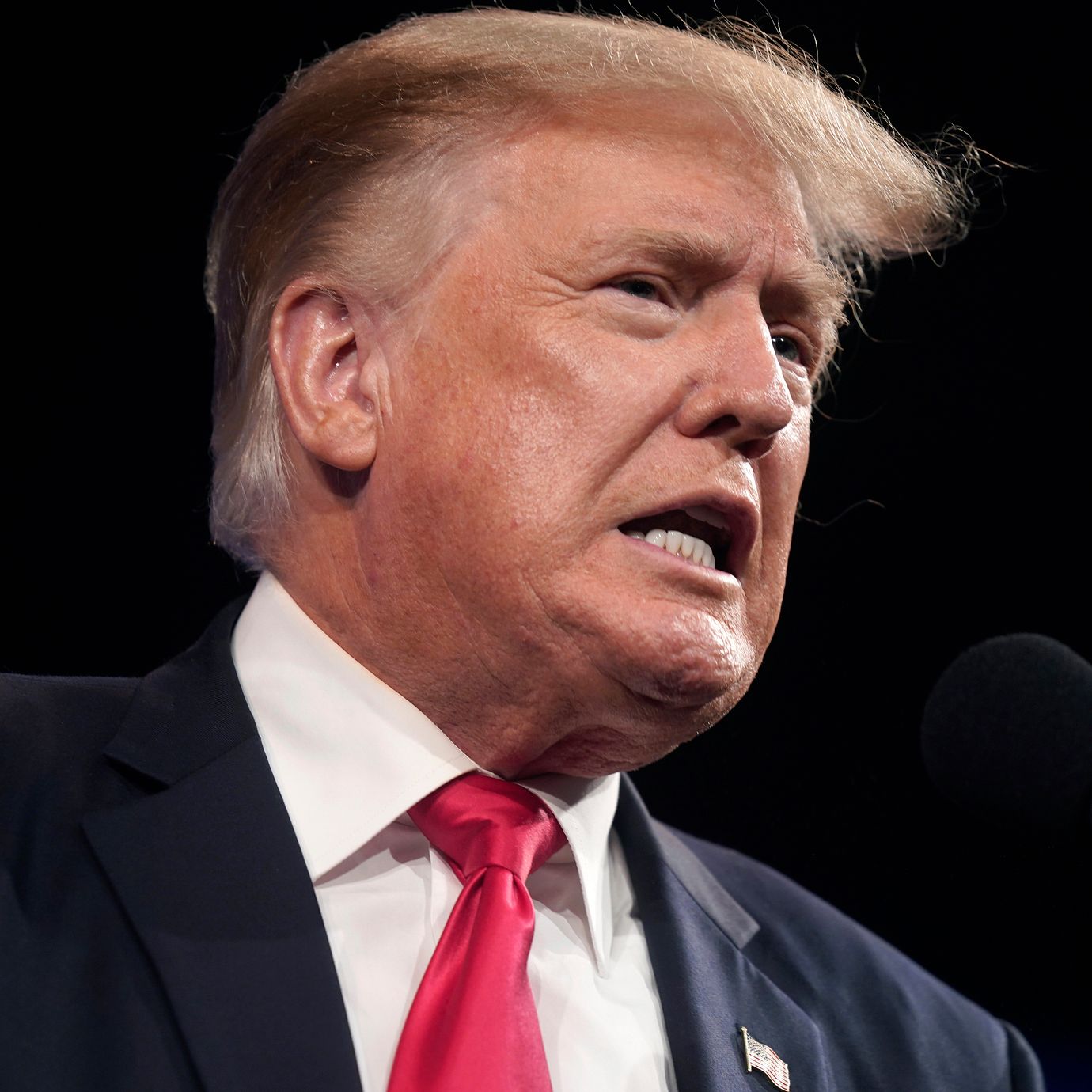
If the deal does close, Twitter’s shareholders will be paid $54.20 a share, and Musk will have full control over the company. That’s bound to lead to some awkward times around the office: Musk has publicly trashed Twitter’s top management and alienated its 7,000-plus employees, and Twitter’s lawyers have contended that he’s a dishonest hypocrite who deliberately damaged the company’s reputation in the throes of his buyer’s remorse. Financially, it’s easy to understand why Musk wanted out. He made his offer when the stock market was far better, and he’s inheriting a business that has, according to Wall Street standards, underachieved for years.
But the stakes of the Twitter drama have always been about more than the numbers, given its role in US political and social life. Musk has said the company has inappropriately stymied free speech. He’s also said he’d loosen Twitter’s content guidelines and allow former President Donald Trump to return to the platform, reversing his ban for inciting violence during the Jan. 6 attack on the US Capitol. The political right in the US has celebrated this stance, not least because it drives liberals up a wall. But Twitter’s most ardent fans already refer to the network as a toxic hellscape; Musk’s critics fear his plans to limit content moderation will make it significantly worse in ways that will reverberate far beyond the company itself.
“Is it too early to get a DRINK?”
If the negotiations somehow fall apart again and Musk then persuades the judge to let him out of the deal, Twitter’s stock price—which has been stabilized by investors betting the acquisition would go through at its stated value—will likely crater. Billions of dollars in market value will have been destroyed. And the company will be right back where it was early this year, as a prominent social network that’s never been able to build the kind of world-beating business that rival networks such as Facebook and YouTube have.
For Twitter, there are no good outcomes to the Elon affair.
The sourness was already in the air when Musk addressed Twitter’s staff on June 16, almost two months after having first reached an agreement to buy the company. Twitter employees often make less money than their peers at other large tech companies, and many are true believers in the idea that the social network is playing a more vital role in the world than, say, Meta Platforms Inc. or Alphabet Inc. Many object not only to Musk’s views on content moderation but also to his personal support of right-wing politicians. Further, they’re turned off by an allegation that he sexually harassed a SpaceX flight attendant, which he’s denied. During the call, Musk didn’t seem to win over the skeptics. As he alluded to the end of remote work and the potential for layoffs, some employees took to Slack to mock their soon-to-be boss, with many of the posts later published by Project Veritas:
“Y’all told me this man was a genius.”
“Why do I feel like he was not prepared for this meeting?”
“Is it too early to get a DRINK?”
The meeting was the low point of what had already been a depressing spring inside Twitter, and things would soon get worse. After several years of consistent profitability, the company reported a loss in net income in July, as well as a drop in revenue from the same period a year earlier. The next week it announced that it was closing or downsizing offices in New York, San Francisco, Sydney, and several other cities, and that came after it had already halted hiring and rescinded job offers to some candidates. On top of it all, Twitter also fired a few key senior executives and called off an employee retreat scheduled for early 2023 at Disneyland.
The meeting also offered a glimpse of what could come with Musk at the helm. Twitter’s board will be dissolved. Musk is also likely to restructure teams internally, and many employees in the groups he’s criticized—including legal, policy, and communications—are bracing for the real possibility they’ll soon be out of work. Others aren’t waiting around. At a companywide all-hands meeting in late August, executives announced that employee attrition had risen to 18%.
It seems almost certain Musk will remove CEO Parag Agrawal, as well as Twitter’s top lawyer, Vijaya Gadde, who oversees all content moderation. Text messages included in court filings show that Musk and Agrawal quickly found themselves at odds. In early April, when Musk was still just planning to join Twitter’s board, he sent a series of tweets criticizing the company, including one asking whether celebrities using the service less was a sign that the platform was “dying.” Agrawal texted Musk: “You are free to tweet ‘is Twitter dying?’ or anything else about Twitter—but it’s my responsibility to tell you that it’s not helping me make Twitter better in the current context.” Musk fired back within a minute: “What did you get done this week?” Then, 40 seconds later: “I’m not joining the board. This is a waste of time.”
A few weeks later, Dorsey—who’d picked Agrawal to succeed him as CEO and encouraged Musk to buy Twitter—made a failed attempt to get the two men to bury the hatchet in a phone call. “At least it became clear that you can’t work together,” Dorsey texted Musk afterward. “That was clarifying.”
In terms of operations, Musk’s most visible impact will likely be his relaxation of Twitter’s efforts to stop misinformation and abuse. The company has spent years trying to prevent coordinated deception and trolling on its service, but Musk is a proud troll himself. His approach to content moderation is essentially “everything goes,” and he told Twitter employees that users should be allowed to post “pretty outrageous things.”
Another focus for Musk, presumably, will be an attempt to reduce the prevalence of the bot accounts that he flagged back in 2020 as such a problem. When he tried to unwind the acquisition, he stated his reason was that Twitter’s management had misrepresented how many of its users weren’t real people. The company’s quarterly earnings include a line saying bots and spam accounts make up less than 5% of its overall reported user base. Musk claims the number is far higher, but he hasn’t provided any proof and says Twitter has stymied his efforts to analyze its user base. When Agrawal tweeted in May that Twitter’s internal estimates for the previous 12 months were actually well below 5%, Musk responded by tweeting back a poop emoji.

Musk has vowed to eliminate bots. His plans to do so have been vague, though they’d likely include attempts to verify the person operating an account. This would be a dramatic change of policy for a company that’s allowed anonymous accounts since its creation.
Exactly how involved Musk plans to be in forcing any of these changes remains unclear, especially given his responsibilities to his other companies. The last guy who ran Twitter—Dorsey—also had two jobs, but he tweeted in May that he’d “never be CEO again” and now seems almost entirely focused on promoting the cryptocurrency Bitcoin. “There’s a lot of chores if you’re the CEO,” Musk told Twitter employees in June when asked about his expected role. But even if someone else holds that title, it’s no mystery who Musk intends to have the final say. “I don’t really care what the title is,” he said, “but obviously people do need to listen to me.”
For more articles like this please visit us at bloomberg.com