Detroit visar vägen i strejktrend: Är det fackets comeback i USA?
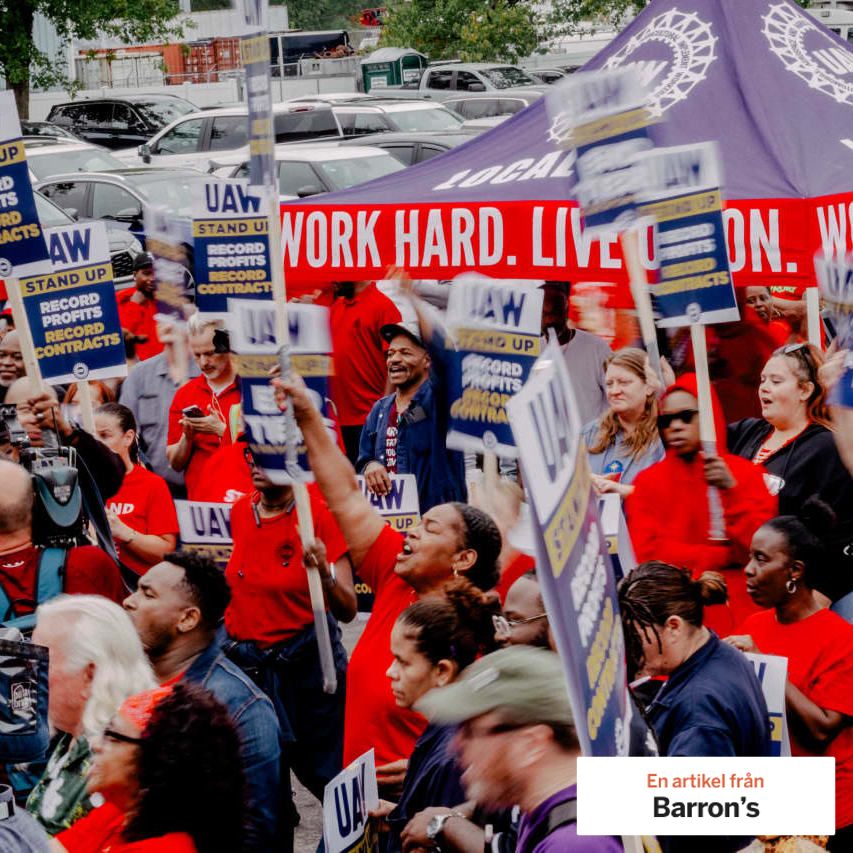
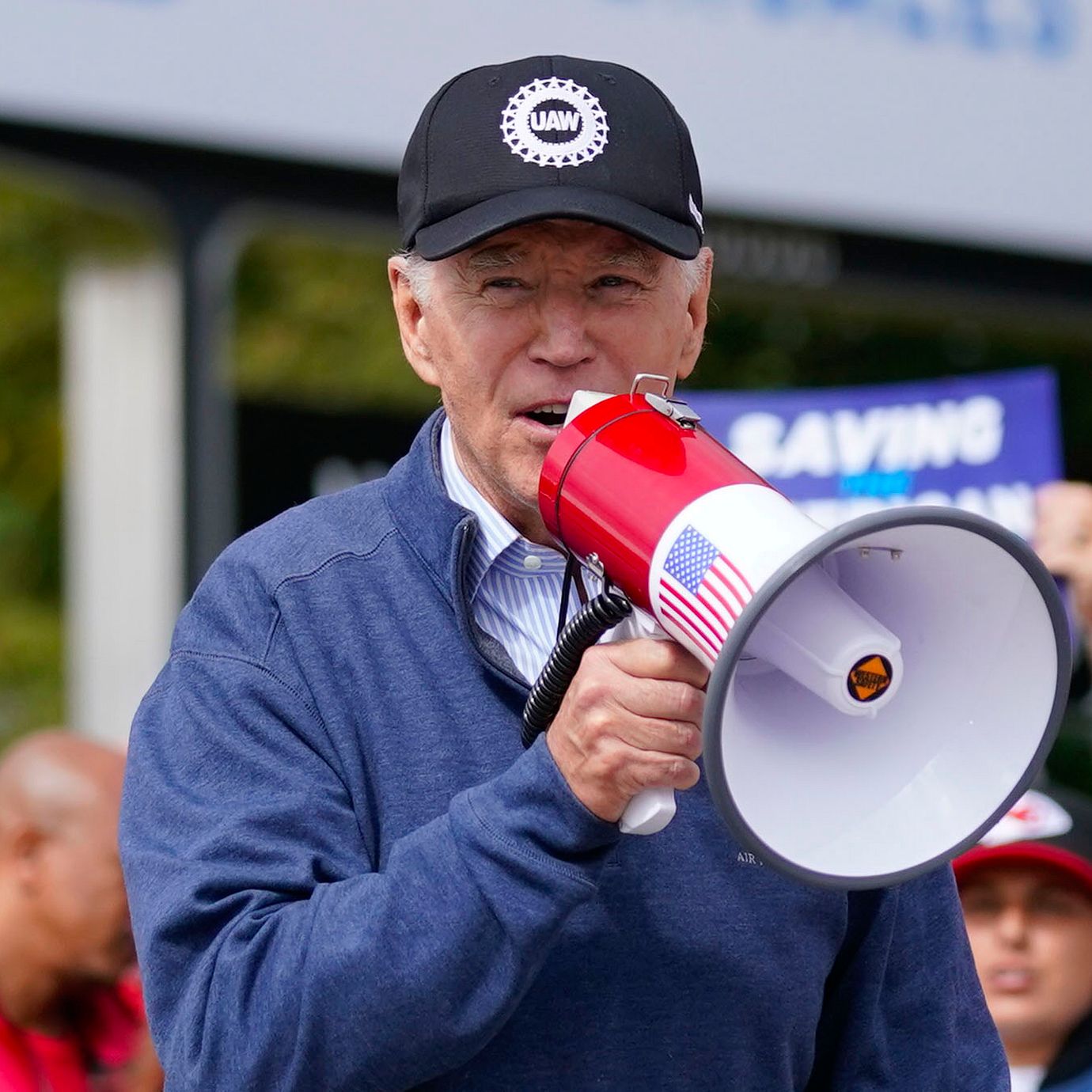
Förra veckan besökte USA:s president Joe Biden en grupp strejkvakter från United Auto Workers i Detroit. Enligt Barron’s Magazine har någonting liknande aldrig hänt förut och tidningen menar att den amerikanska fackföreningsrörelsen efter decennier av tillbakagång nu har momentum.
Politiker i båda lägren vill ta hem produktion till USA samtidigt som allt fler erkänner att arbetare har hamnat på efterkälken när vd-lönerna har höjts. Men även om tre fjärdedelar av amerikanerna stödjer fackföreningar är det bara 6 procent av de privatanställda som är medlemmar i något fackförbund – ner från 17 procent för fyra decennier sedan.
 Barron's
Detroit and Hollywood Are Just the Advance Guard. Expect More Strikes.
After decades of losing ground to corporate cost-cutting and globalization, labor unions face their biggest opportunity in years to forge a comeback. It won't be easy.
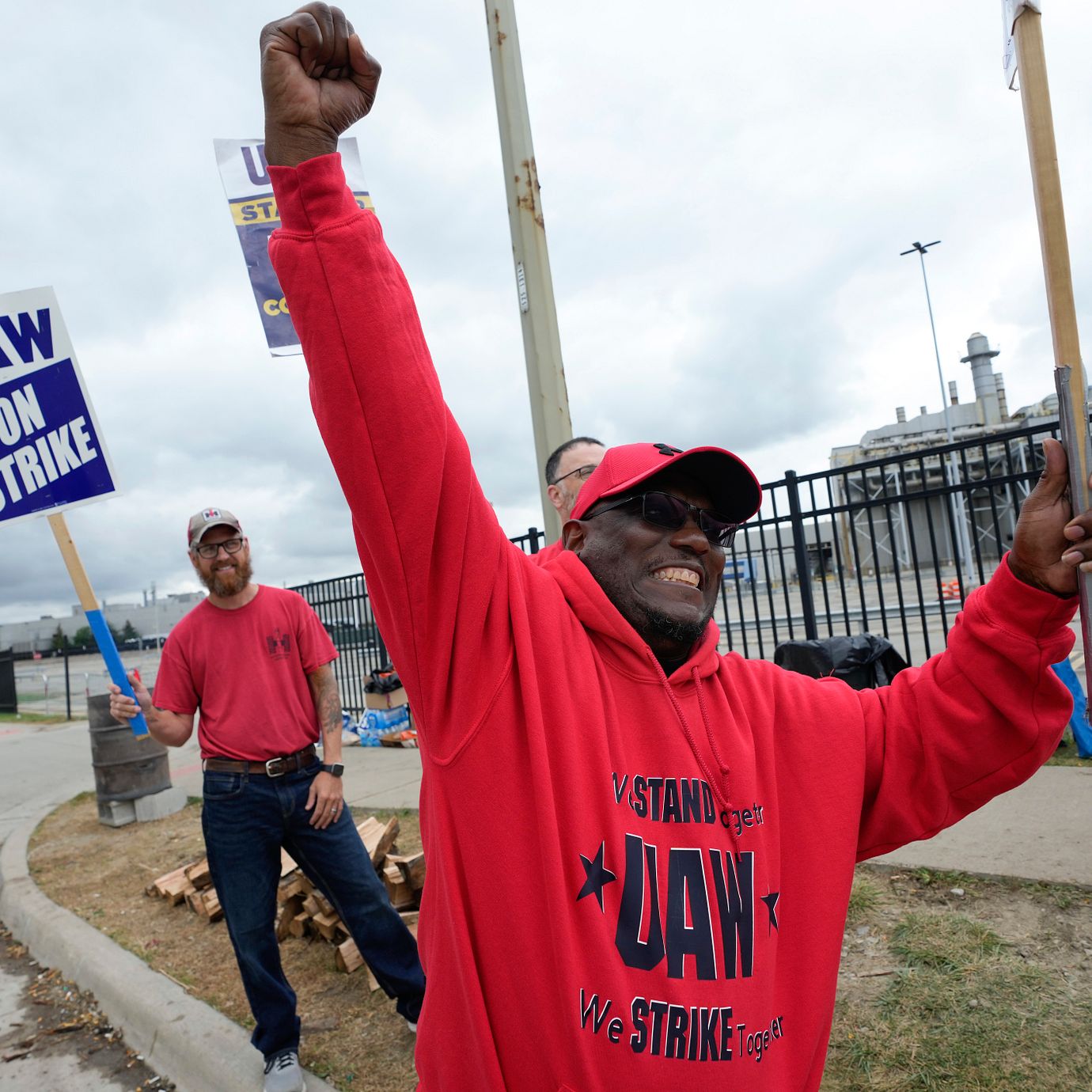
Picket lines across the U.S. swelled in recent weeks as thousands of members of the United Auto Workers walked off the job in a historic strike that simultaneously targeted the Big Three Detroit auto makers.
Erika White spent about 10 hours with the strikers, even though she doesn’t have a direct stake in the outcome of the UAW’s negotiations with Ford Motor (ticker: F), General Motors (GM), and Stellantis (STLA). As president of the Communications Workers of America Local 4319 in a Toledo, Ohio, suburb, White says she has been following the UAW’s internal reforms and bargaining in hopes that success will reverberate across organized labor.
Every labor leader and member has to start thinking more strategically, White says. “We have to take risks to get things done because not one thing in this country has been gained without a fight,” she says. “It’s time that we have to be more creative.”
After decades of losing ground to corporate cost-cutting and globalization, unions face their biggest opportunity in years to forge a comeback. For many, the moment is right as politicians in both political parties focus on bringing manufacturing jobs back to the U.S. There’s also a growing recognition that workers have been left behind even as CEO pay rises to new heights. This past week, President Joe Biden took the unprecedented step of joining a UAW picket line in Michigan.
White, a longtime telecommunications specialist for AT&T, is among a range of workers closely watching the recent showdowns between labor and business in the belief that what affects one union affects them all. The outcomes will help determine the success or failure of future bargaining and mobilization efforts. But while worker activism may increase, efforts to modernize unions for the 21st century still face an uphill climb.
At stake in the auto talks and other negotiations is the balance of power between labor and management after years of tilting away from labor. The auto makers say they have already made generous offers and that contracts that are too costly would put them at a steep disadvantage to Tesla (TSLA) and other nonunion competitors. More broadly, a UAW victory would encourage workers in other unions to take more aggressive stands at the bargaining table—potentially complicating the Federal Reserve’s effort to tame inflation.
“If these big negotiations lead to good settlements for the workforce, we will see more activity blossom in other settings,” says Thomas Kochan, a Massachusetts Institute of Technology professor and co-director of the Sloan Institute for Work and Employment Research. “If [workers] end up in long strikes that don’t achieve their objectives, then I think there’ll be the lesson that even with a lot of power, workers can’t seem to organize.”
Building Momentum
Fueled by the long-term impact of relatively slow wage growth, soaring rates of wealth inequality, and rising household costs, workers in a range of industries are taking more-aggressive approaches to contract talks.
“The income inequality has gotten to a breaking point,” D. Taylor, international president of Unite Here, which primarily represents workers in hotels and other hospitality sectors, tells Barron’s. “Nobody expects Corporate America to come to their rescue, and nor do they expect the government—so they’re looking around for what institution can actually truly help them, and I think that’s where the labor movement should and needs to be.”
Public perception is encouraging the pushback, as well. Three-quarters of Americans support employee unions in general, according to a survey of more than 2,100 U.S. adults conducted by the Harris Poll after the UAW strikes began in September. That’s up four percentage points from January 2022.
The tight labor market of recent years has provided workers with more leverage, further boosting calls for worker activism. Yet even as that eases, union activity may not. Historically, strike waves and organizing activity have taken place even when there have been very high levels of unemployment, says Tod Rutherford, a labor expert and professor at Syracuse University.
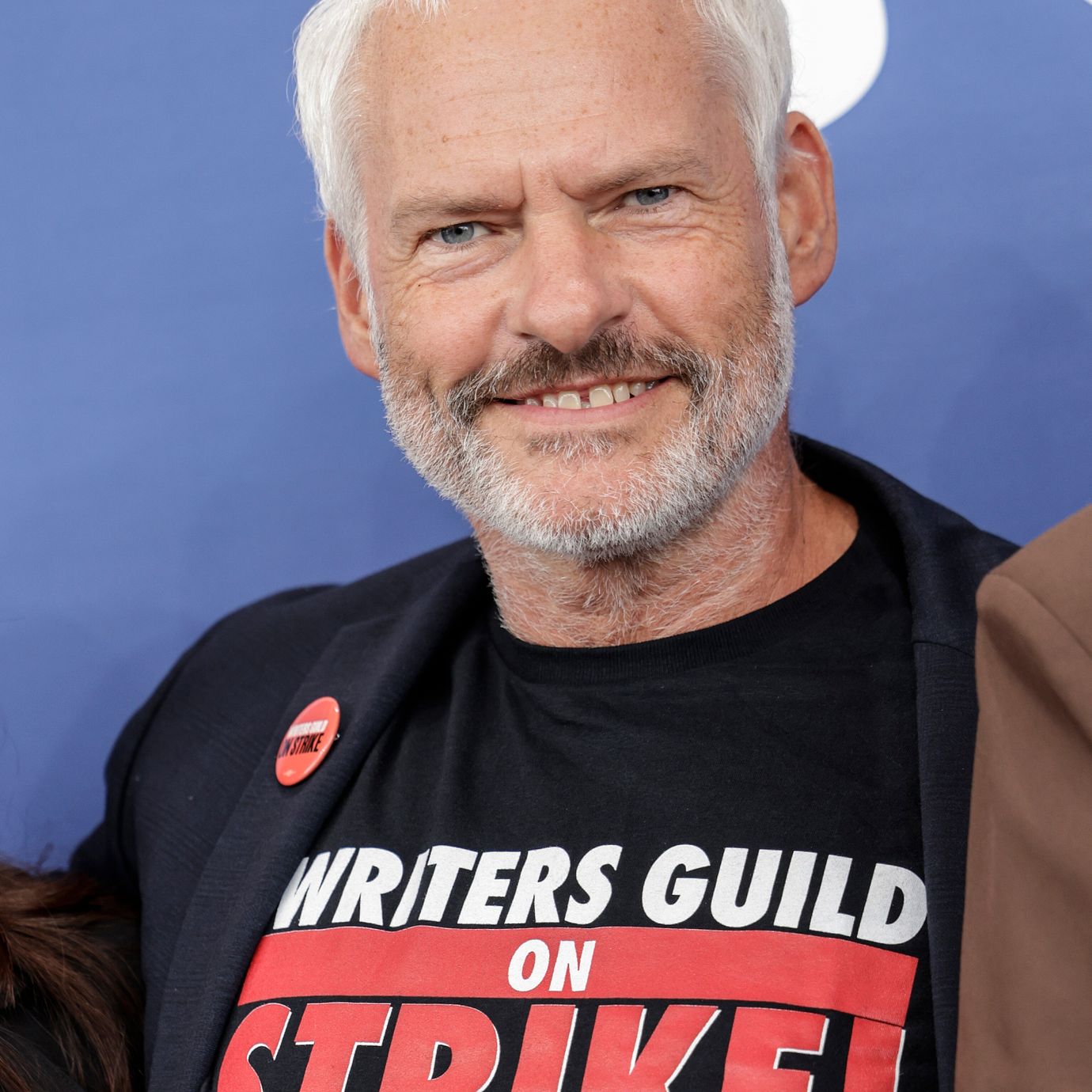
Recent wins—such as the Teamsters’ contract with United Parcel Service (UPS) and airline pilots’ big raises at American Airlines Group (AAL), Delta Air Lines (DAL), and United Airlines Holdings (UAL) earlier this year—have spurred other ambitious demands and expectations. After 148 days, the Writers Guild reached an agreement with film and television studios this past week that union leaders termed “exceptional,” fueling hopes that SAG-AFTRA will be able to soon reach a similar deal for actors.
“When we go through a period like this, there is an imitation, or contagion, effect,” says MIT’s Kochan.
This past summer, there were 113 strikes, according to Cornell University’s Labor Action Tracker. In August, strikes amounted to a total of 4.1 million workdays, according to Bureau of Labor Statistics data. That’s the highest level since 2000.
Those levels look poised to continue or even grow during the fourth quarter. About 53,000 Las Vegas hospitality workers represented by the Culinary Workers and Bartenders Unions voted to authorize a strike this week, while roughly 26,000 American Airlines flight attendants and 10,000 Southwest pilots authorized strikes at the end of August. Strike authorizations give union leaders the ability to call a strike if contract agreements aren’t reached. About 75,000 Kaiser healthcare workers plan a three-day strike on Oct. 4 that could disrupt access to care for up to 12 million people.
Only 7.2 million or 6% of the U.S. private workforce is unionized, down from nearly 17% four decades ago. In the case of auto workers, the UAW is employing a novel but risky ever-expanding strike tactic that targets key facilities to keep the auto makers guessing. On Friday, the UAW expanded its strikes to include another Ford assembly plant in Chicago and a GM facility in Lansing, Mich., meaning about 25,000 of its approximately 150,000 Big Three members are on strike.
“Now, we’re proactive for the first time”
“Is it death by a thousand cuts? I don’t know, but to be able to cause some pain to each company—which has never been done…that’s a beautiful thing,” UAW regional director David Green tells Barron’s. “The UAW, as an organization, has been reactiveto everything in my lifetime. Now, we’re proactive for the first time.”
While up to 150,000 UAW members may ultimately be involved in the continuing strike efforts, every vehicle that rolls off assembly lines of a Detroit Big Three auto maker contains from 8,000 to 12,000 different components manufactured by roughly 5,600 U.S. suppliers, according to the Washington, D.C.-based American Automotive Policy Council’s 2020 Economic Contribution Report. For many of those suppliers, contracts from the Big Three can account for up to 70% of their business, and these auto-parts companies collectively employ 871,000 workers in the U.S.
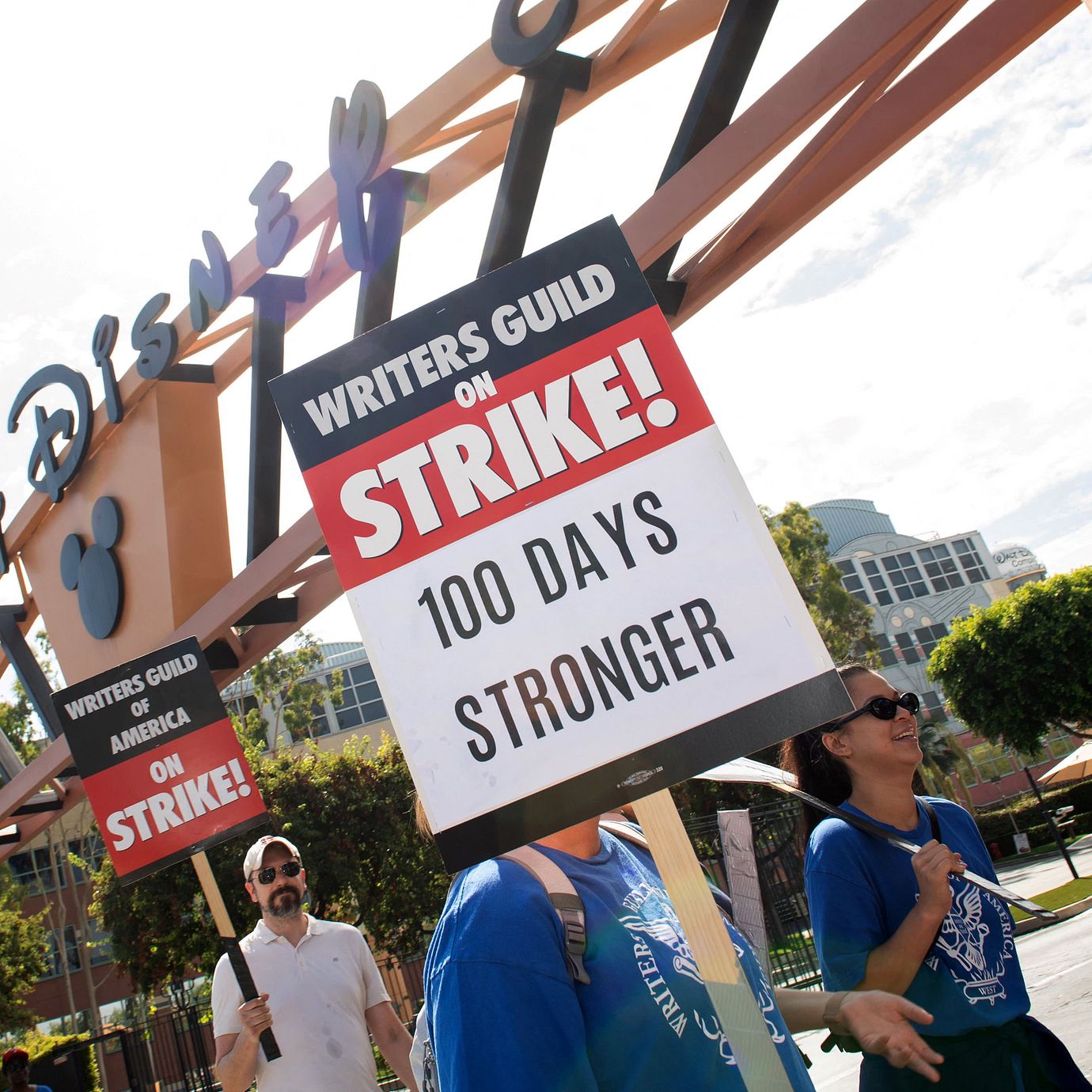
The strike activity nationwide has had only minimal impact on unemployment and job openings so far, but the Big Three Detroit auto makers are suffering $15 million a day in lost income, before taxes or interest, from the three manufacturing plants initially targeted, according to Benchmark analyst Michael Ward. Research shows that companies facing successful unionization efforts could lose up to 10% of shareholder value, according to Sanjai Bhagat, professor of finance at the University of Colorado at Boulder. The stock market response is based, in large part, on the assumed inefficiencies caused by the union.
Some argue that the costs of these strikes also are starting to hit consumer prices. “The decision by the United Auto Workers to initiate a strike will have far-reaching negative consequences for our economy,” said Suzanne Clark, president and CEO, U.S. Chamber of Commerce, in a statement. She said the UAW strikes could increase costs for new cars, and cause a sudden loss in income for those in related industries and for restaurants and local businesses whose customers are now on strike.
Uphill Battle
The recent momentum for organized labor arguably started in 2018 with a West Virginia teachers’ strike, which resulted in 5% wage gains and spawned copycat walkouts that raised educator pay in Arizona and Oklahoma. Since then, there has been an uptick in union activity. There were 2,510 union representation petitions filed at the National Labor Relations Board, or NLRB, for fiscal-year 2022, up from 1,597 filed in 2018. During the first six months of fiscal-year 2023, there have been 1,200 filed so far, slightly ahead of the 2022 pace during the same period.
Some of those mobilization efforts have concentrated on sectors and employers that haven’t been traditional union targets in the past, such as Starbucks (SBUX) and Amazon.com (AMZN). Since late 2021, workers at about 350 U.S. Starbucks locations have voted to primarily join Workers United out of a potential 9,480 company-owned U.S. Starbucks stores.
Despite the new momentum, unions have a steep climb to reverse the decades-long decline. Recent union drives, while gaining attention, haven’t produced a plethora of new labor contracts. Many existing union members also are working under expired agreements while negotiations drag on.
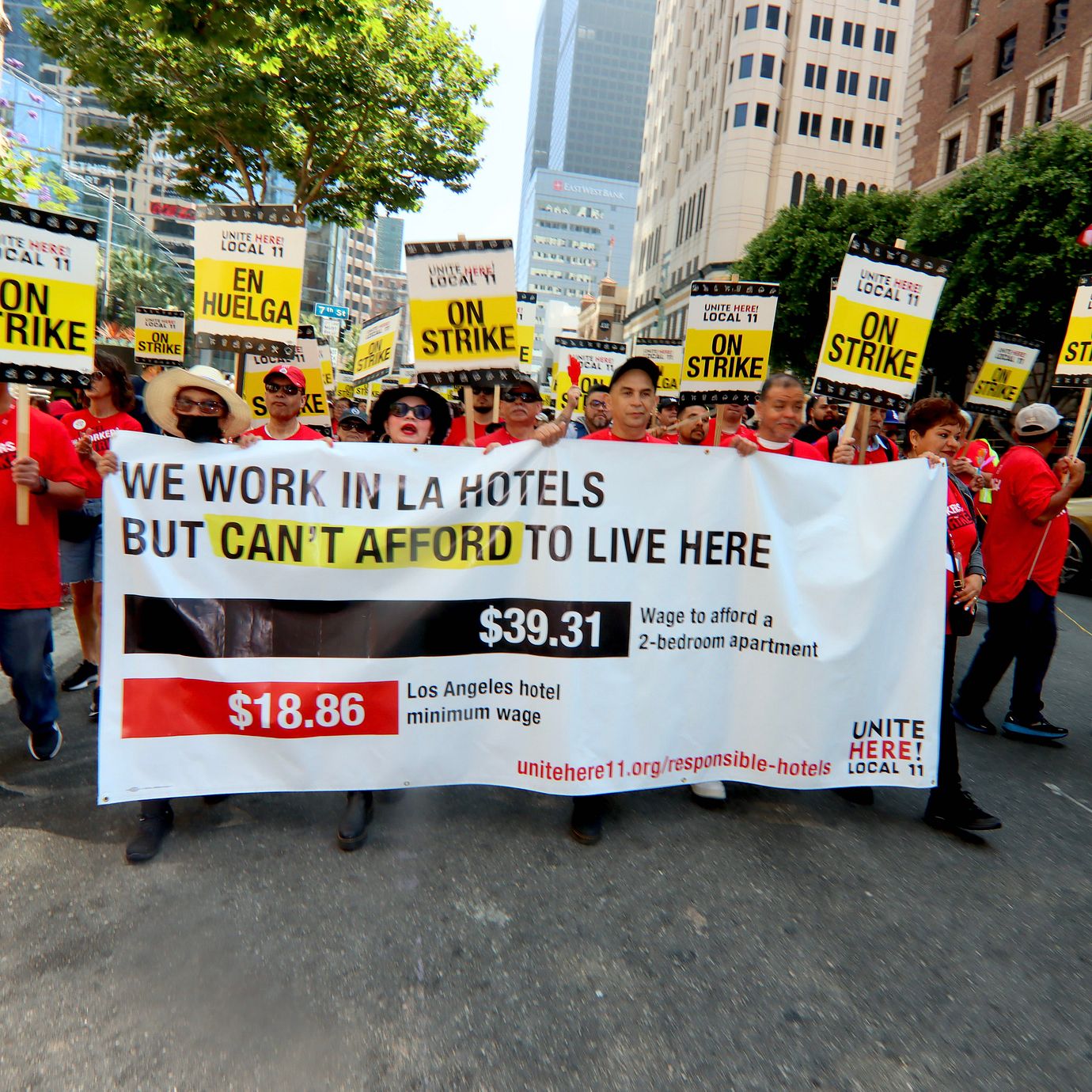
Current laws and regulations do little to help, says Margaret Poydock, a senior policy analyst with the Economic Policy Institute, a nonprofit think tank. Union advocates say the NLRB is limited in its ability to protect workers, providing weak antiretaliation and whistleblower protections. And the federal Protecting the Right to Organize Act—which would allow the NLRB to impose financial penalties on employers that violate workers’ rights and provide for arbitration to resolve bargaining gridlocks—has little chance of passage if Republicans control either chamber.
It’s going to take a mass activist movement of workers standing up for themselves to roll back decades of union declines, says Christian Sweeney, deputy director of organizing for the AFL-CIO, an umbrella organization for unions. “Organizing begets more organizing.”
But new members and younger workers provide some optimism for union advocates. “There’s something in the air. Young people, old people, union members are standing up and saying, ‘ enough,’” says Brent Booker, general president of the Laborers’ International Union of North America.
Joy Vaughn joined union efforts at Dallas Fort Worth International Airport about a month after she started working as a baggage handler 18 months ago. Vaughn, who makes $15 an hour, says she joined to gain better pay and benefits, as well as improved working conditions at the airport.
“Things have got to get better,” Vaughn says. “I’m not only fighting for myself, but also I’m fighting for generations to come and those around me.”