Europas rustning ger jobb – men experter varnar för övertro
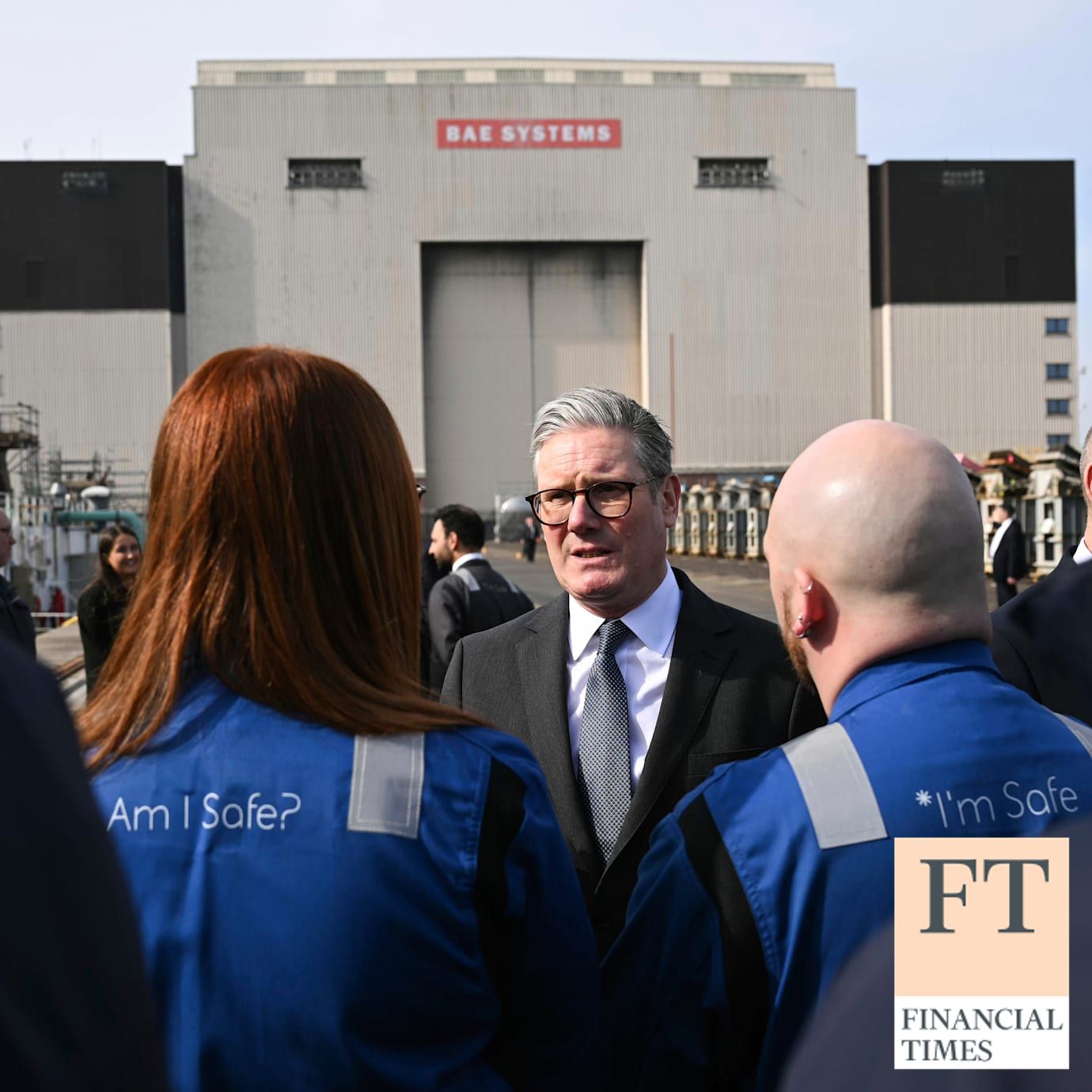
Europas nya försvarsboom väcker hopp i städer som brittiska Barrow och tyska Freisen. Efter årtionden av nedgång kan ökade militärbudgetar skapa jobb och industriell återhämtning. Men experter varnar för övertro.
– Europas försvarsambitioner riskerar att krocka med verkligheten, säger Louis Knight på analysfirman Third Bridge.
För att få långsiktig effekt krävs satsningar på forskning, småbolag och infrastruktur – inte bara fler stridsvagnar, skriver Financial Times.
 Financial Times
Will higher defence spending boost the European economy?
Deindustrialising regions hope for investment and jobs, but much will depend on how the extra money is spent.
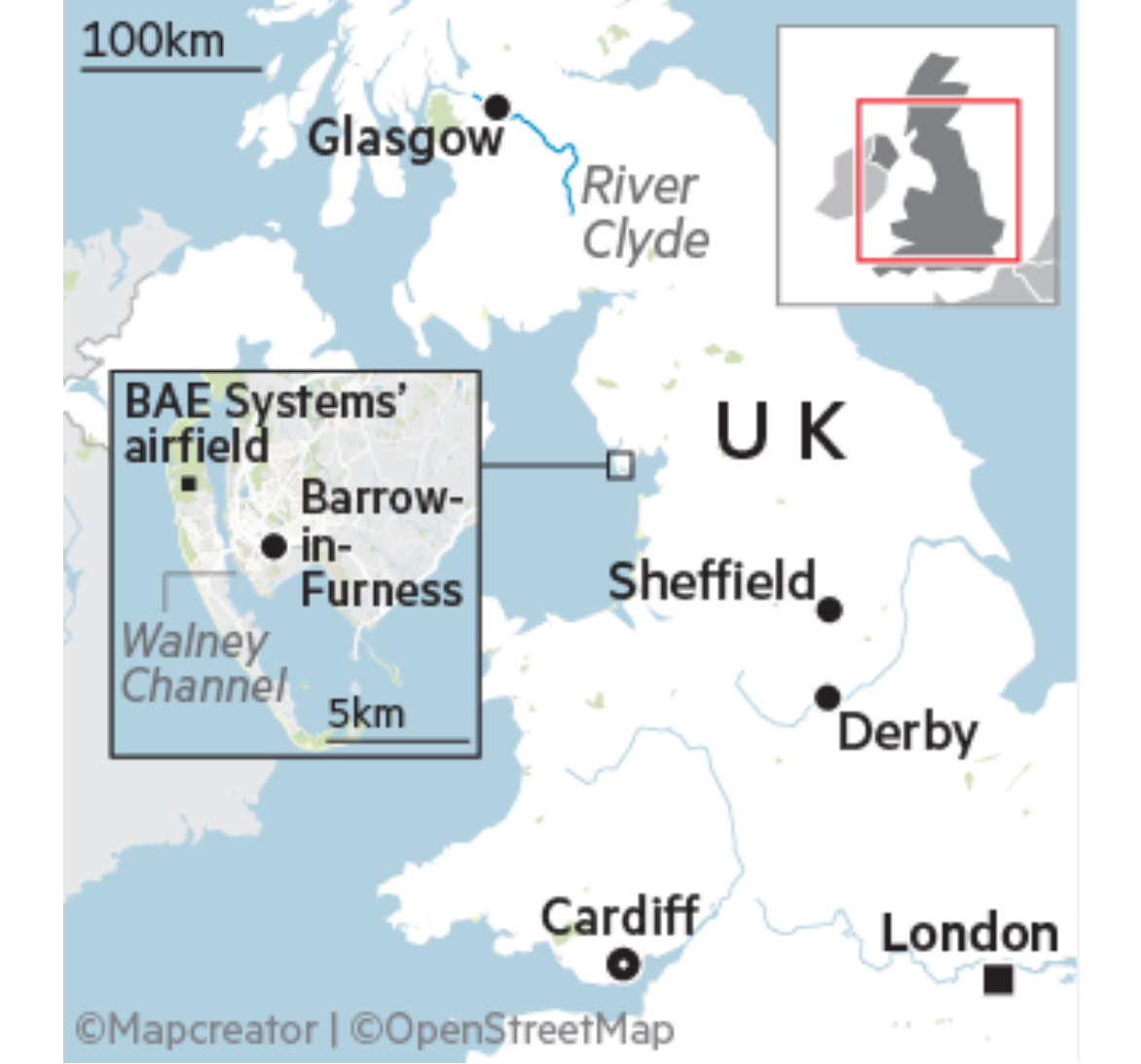
On a grey morning in September, a series of small passenger aircraft landed at the BAE Systems’ airfield near Barrow-in-Furness, a rainy town on the Cumbrian coast of England.
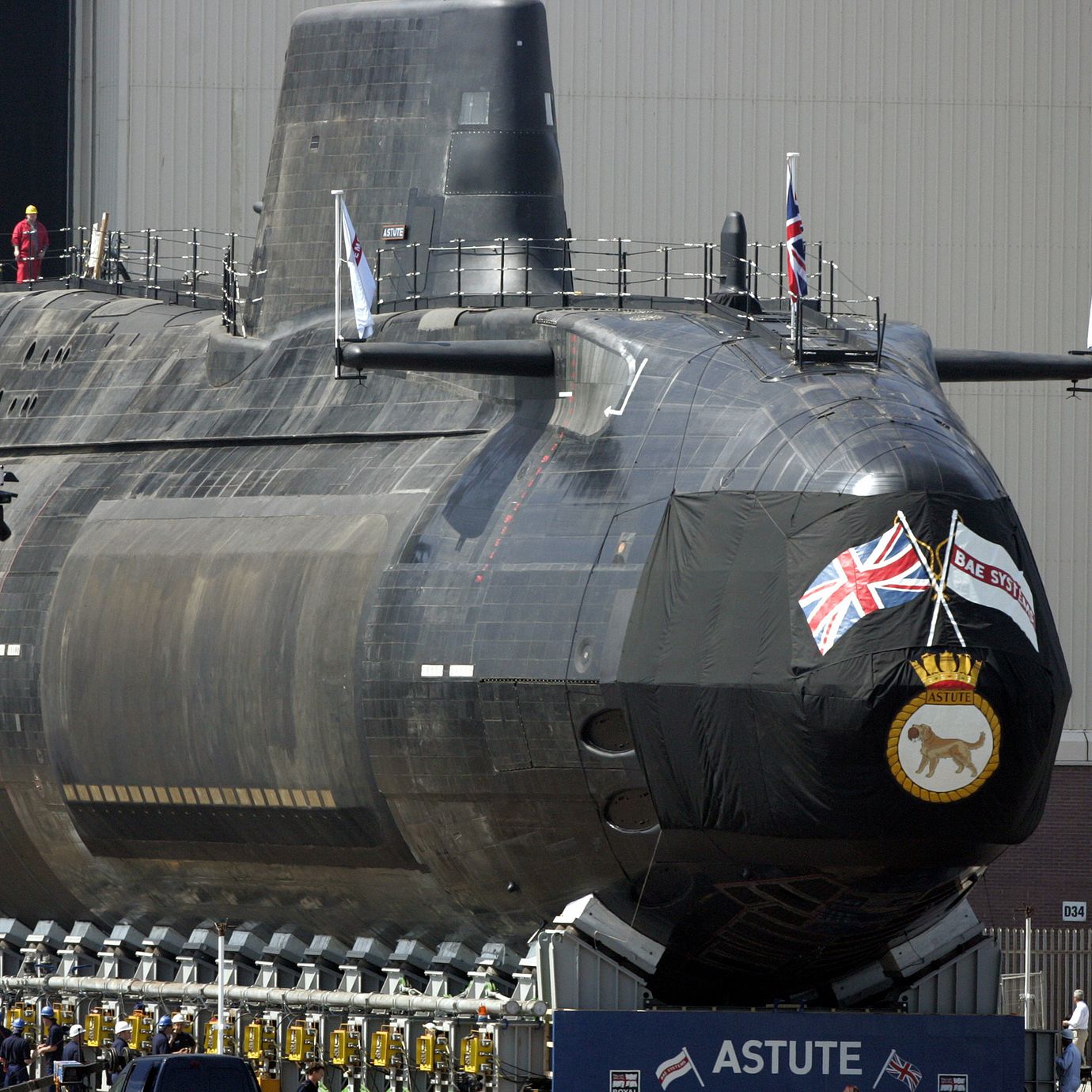
Aboard were Britain’s King Charles III and defence secretary John Healey; John Phelan, the US secretary of the navy; and assorted other dignitaries. They were in Barrow to watch the commissioning of HMS Agamemnon, one of the UK’s latest Astute-class attack submarines.
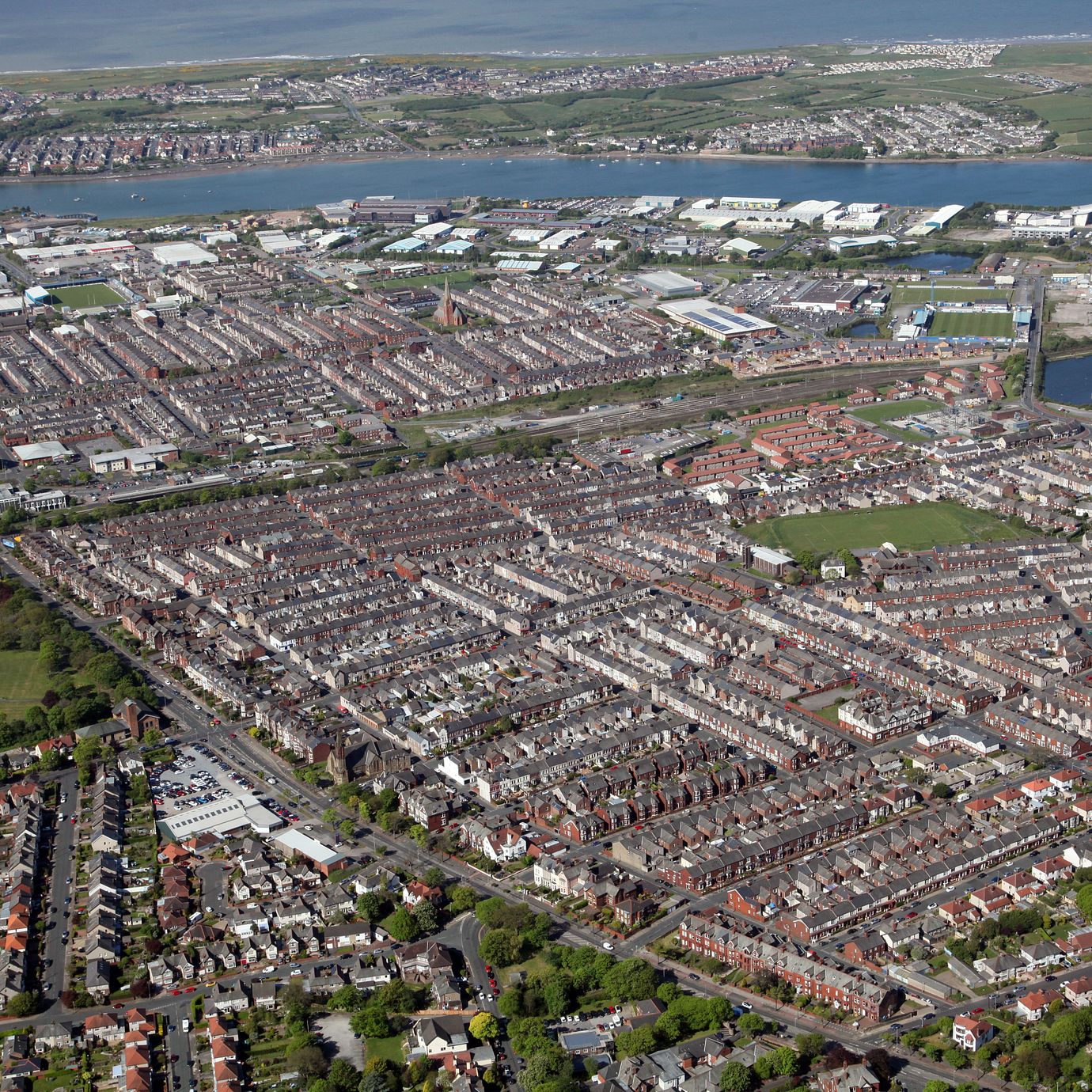
It was a rare turn in the spotlight for a town that has fallen on hard times since the end of the cold war. Barrovians used to gather on the banks of the Walney channel to cheer as subs were towed out to commence sea trials. Since 1991, that ritual has taken place only nine times. The submarine workforce fell from a peak of 16,000 to little over 4,000 in the 1990s, according to the town’s mayor, Fred Chatfield.
“The economy here was in a state of total collapse,” says Chatfield. He traces an arc in the air with his finger to illustrate the fortunes of the town that has built every one of the 312 submarines produced in the UK since 1901.
“Here is the first world war,” he says, his index finger sweeping up, then down. Two more peaks represent the second world war, then the cold war. “When they started doing nuclear submarines, times were good. Then, after 1988 we hit bottom.” On many metrics, Barrow is one of the most deprived places in England.
But Chatfield and others now have hope that the tide is turning, as the UK and other European countries plan to ratchet up spending on defence in response to Russia’s invasion of Ukraine and a more isolationist US under President Donald Trump.
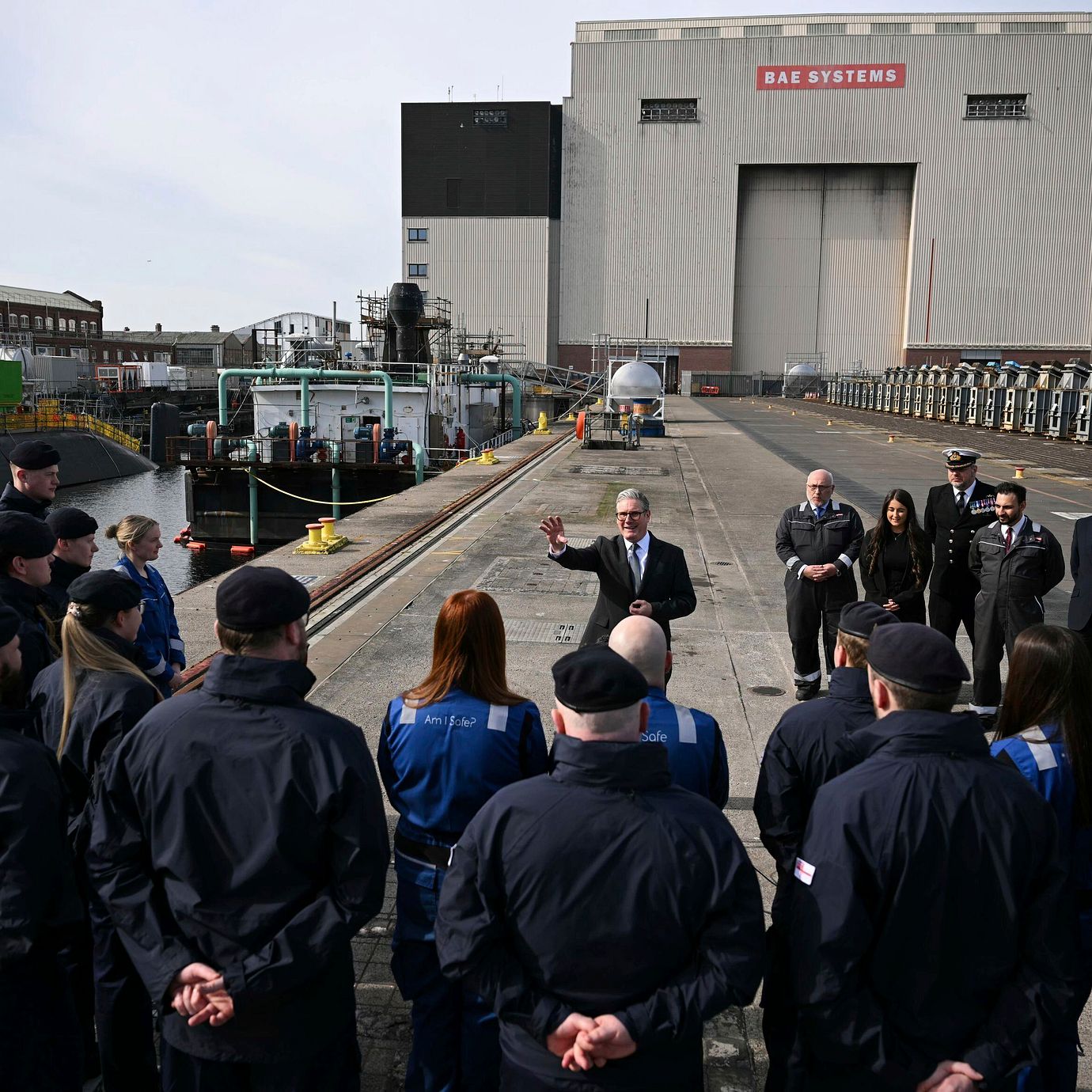
Even as Agamemnon is prepared for service, the first steel is being cut for HMS King George VI, one of four Dreadnought-class vessels that will carry the UK’s at-sea nuclear deterrent. After a three-decade hiatus, submarines are back at the centre of the Royal Navy’s plans, amid a new focus on Russia and the North Sea.
Over the coming 15-20 years, the yards at Barrow — owned by FTSE 100 defence contractor BAE Systems — are set to complete four Dreadnought submarines, followed by up to 12 Aukus-class attack submarines, designed to patrol the north Atlantic’s shipping lanes starting in the late 2030s.
“Now we are at the start of a new boom, but the hard part is convincing everyone that we are going to be a boom town,” says Chatfield. Walking around the high street, he points to empty store fronts. “We didn’t take the king here,” he says.
Barrow is a microcosm of a Europe-wide debate. Leaders across the continent hope that higher defence spending will not only shield the continent against new threats but also generate much-needed economic growth — especially in those areas hit hard by the decline of traditional industries — and stimulate research and development.
Lord Simon Case, former head of the UK Cabinet Office and chair of Team Barrow, a government-supported organisation aiming to improve skills and education levels in the town, says the country has tended to demand a lot from places like Barrow in wartime. “But in peacetime, we have this terrible habit of turning our backs on [them].”
Many economists are sceptical that it can deliver on these often divergent expectations. If the increase is to actually buy significantly more equipment, rather than simply driving prices higher, then Europe will need to make its spending more efficient, rapidly expand its manufacturing capacity and eliminate its many supply chain bottlenecks.
The sheer size of the proposed ramp-up in defence spending — the Institute for Fiscal Studies estimates the UK alone will spend the equivalent of £36bn more per year for a decade — means it will provide a short-term boost to GDP, although not necessarily as big as if the money were spent on other areas. Moreover, economists say that will only endure if the money helps to rebuild skills and infrastructure and boost exports.
It must also spur innovations by smaller companies to boost productivity across the economy, rather than simply swelling the profits of the giant multinational companies that make big-ticket items such as tanks and missiles.
It is a huge challenge. “European defence growth ambitions could be due for a reality check,” says Louis Knight of Third Bridge, an equity research firm, who warns that the continent has a “depleted industrial base that’s critically ill-equipped for the ongoing surge in demand”.
Germany plans to spend €650bn on defence from 2025 to the end of 2029 — more than double the amount it spent in the preceding five years
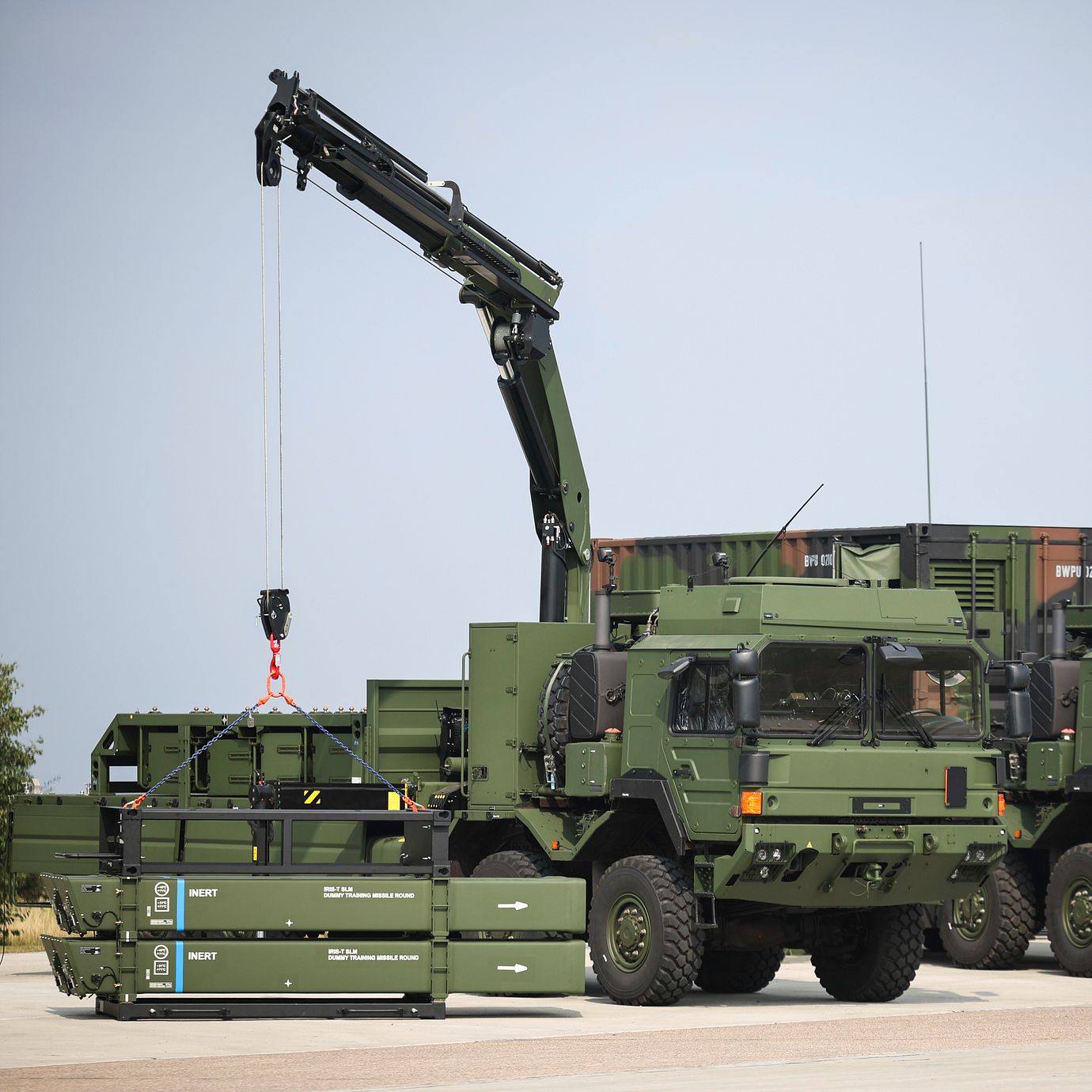
In the tiny Saarland town of Nonnweiler, whose other big employer is a frozen pizza business, family-owned missile maker Diehl Defence is expanding its production site, in response to rising demand for products such as its Iris-T air defence system.
Germany plans to spend €650bn on defence from 2025 to the end of 2029 — more than double the amount it spent in the preceding five years. This boom, instigated by former chancellor Olaf Scholz’s Zeitenwende speech and continued by his successor, Friedrich Merz, is already trickling down to places such as Saarland, nestled on the border with Luxembourg and France.
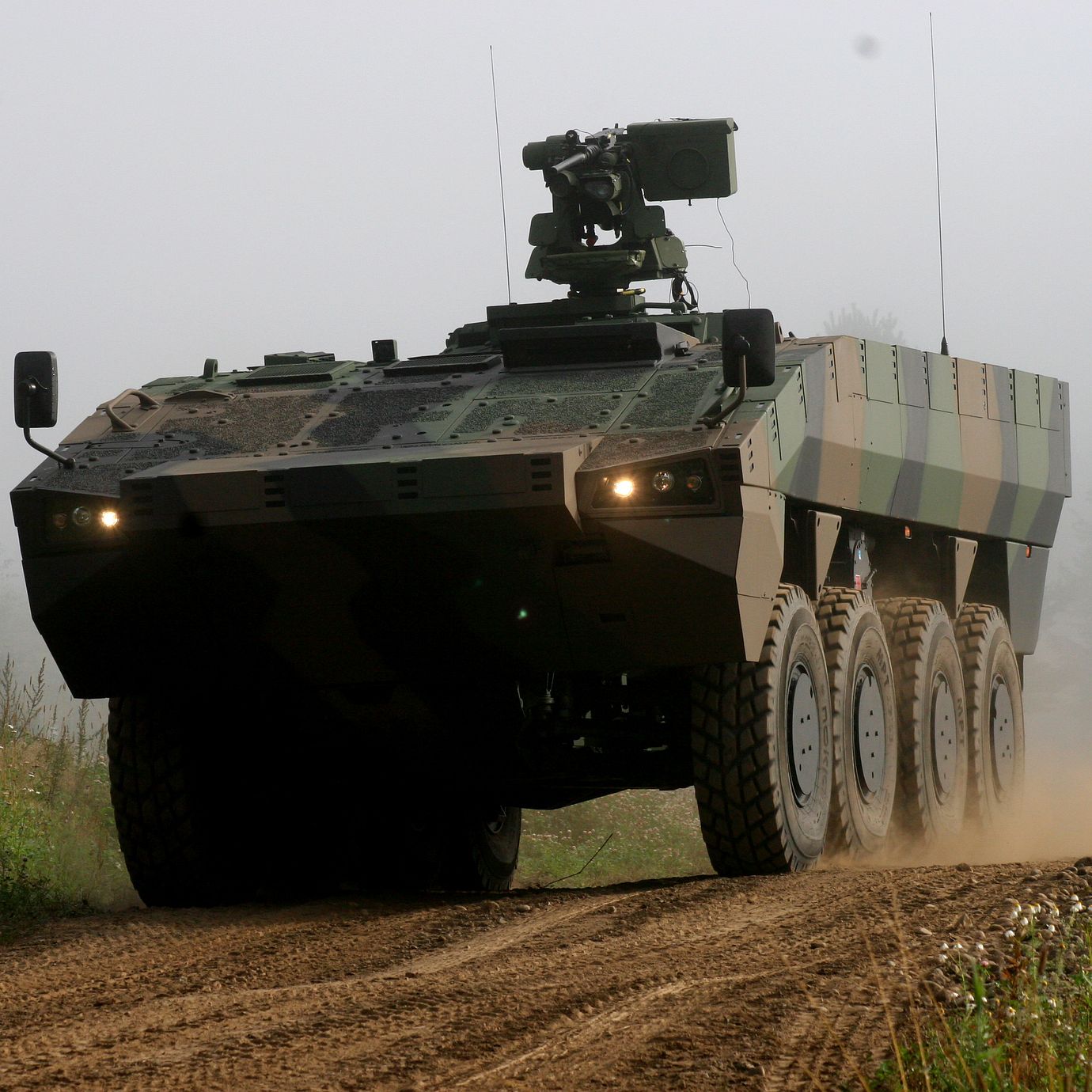
In Freisen, about 20 minutes’ drive from Nonnweiler, a division of Franco-German military vehicle maker KNDS that maintains tanks is expected to add hundreds of new roles to its 700-strong local headcount. Finnish defence contractor Patria plans to build up to 3,500 armoured personnel carriers it is contracted to deliver to the German army at the Freisen facility as part of a commitment to local production.
Christoph Cords, chief executive of the KNDS subsidiary, says the contract will guarantee work for decades. “When you deliver vehicles you also have to maintain them . . . So for the next 20, 30, 40 years, you have work.”
The government also last month announced plans for a €380mn upgrade of a local army maintenance facility in the neighbouring town of St Wendel.
The state of Saarland is suffering from the same pressures that have caused more than three years of stagnation in the EU’s largest economy — and raised the spectre of widespread deindustrialisation as the all-important auto industry falters. This month, the last car will roll off the line at a Ford factory in Saarlouis, while Bosch has announced around 1,200 job cuts in a nearby plant producing diesel engine components.
Paul Hollingsworth, head of developed market economics at BNP Paribas, argues that Berlin can press ahead with its vast procurement programme without crowding out the private sector precisely because the country’s industrial sector increasingly has underutilised capacity.
“In the European economy we are at a key moment in time, where the export-led growth model from before the pandemic has gone and a lot of countries will see demographic decline,” says Hollingsworth. “The bet now is to ensure the economy can grow through domestic demand.”
There are examples of factories being turned over to military production; KNDS has converted a train plant in Görlitz, a town on the border with Poland, to make parts for tanks, while employers in Osnabrück, in Lower Saxony, want the state government to help the arms giant Rheinmetall take over a Volkswagen site that is at risk of closure.
“Pretty much everyone has a car. Tanks — luckily, I must say — are niche products”
But experts warn that such conversions are long and complex processes, and that defence spending, however much it grows, could never replace a sector such as automotive, which generated sales of €540bn last year and employs close to 800,000 people.
“One thing won’t just simply substitute for the other,” says Julian Schneider, of the local St Wendel Land Economic Development Association. “Pretty much everyone has a car. Tanks — luckily, I must say — are niche products.”
Expanding capacity means that “there are a lot of things that must happen simultaneously”, says former UK civil service chief Case. “We can send a huge demand signal, but it takes a long time for the capital to flow down the supply chain — and we don’t have the 20 years that normally would take.”
On the river Clyde near Glasgow, where BAE Systems builds surface warships, about £300mn has been invested in a new facility, robotics and other equipment, doubling production capacity.
Ritchie Linford, delivery director of manufacture and construction at BAE, says the company could now “bring the manufacturing disciplines from the automotive industry, from the volume manufacturing industry into how we build ships”.
Finding skilled workers, to replace the thousands who have retired or been made redundant in previous rounds of retrenchment, is another key issue. Rolls-Royce, which has processed the fuel and built the reactor vessels for all the Royal Navy’s nuclear submarines at a plant in Derbyshire for more than six decades, recently opened two satellite offices in Cardiff and Glasgow.
Lee Warren, engineering and technology director at Rolls-Royce Submarines, says that as it doubles its planned production rates, there is an opportunity to “address some of the recent challenges” facing south Wales following the closure of the blast furnaces at Port Talbot, which has led to more than 2,500 job losses in the area.
Claus Vistesen, chief Eurozone economist at consultancy Pantheon Macroeconomics, suggests that without additional manufacturing capacity, a lot of the new spending “will be inflationary — you spend a lot, with higher prices, for the same goods”.
He points to the huge sums spent buying artillery shells for Ukraine. Prices have increased dramatically, but the supply of shells has failed to catch up.
Even if Europe does manage to spend most of its swelling defence budget at home, rather than on US-made hardware, the big question is whether the economy will benefit beyond the initial sugar rush of growth.
“You get less GDP than you spend. This is definitely not something you would do for short-term economic gain”
Typically, defence spending has a “fiscal multiplier” below one, meaning that each pound or euro spent boosts GDP by a smaller amount. “You get less GDP than you spend. This is definitely not something you would do for short-term economic gain,” says Ethan Ilzetzki, a professor at the London School of Economics.
For governments facing tight fiscal constraints, investing in other areas — transport infrastructure, the energy transition, or education — would usually look like a better bet, he adds.
But defence spending can have more positive long-term effects if, as the European Central Bank noted in a recent analysis, it is frontloaded, funded by borrowing and focused on productivity-enhancing research and development.
Guntram Wolff, senior fellow at Brussels-based think-tank Bruegel, is sceptical that churning out more tanks or artillery will bring long-term gains. However, if European governments direct their money towards new technologies, this will “have a chance of having broader economic benefits”, he says, arguing they should “boost spending on research and development and invest in modernising their own armed forces”.
Paolo Surico, a professor at the London Business School, also advocates this approach, albeit with the caveat that public R&D in areas like health and education still brings bigger economic returns than defence innovation.
His research suggests that extra military spending worth 1 per cent of GDP could boost output by up to 2 per cent in the long term and boost productivity — providing the money is concentrated on R&D.
“US defence spending has been critical to an ecosystem that has made them head the innovation race for the last 50 years,” he says, pointing to advances in nuclear energy and GPS that flowed from military research programmes.
He estimates that defence R&D in Europe is just 0.04 per cent of GDP across the EU and 0.12 per cent in the UK — way below the 0.62 per cent recorded in the US, and that US venture capital involvement in defence industry activity is far greater than in Europe.
Securing such benefits will require European governments to tilt more procurement towards small, high-tech firms developing dual-use technologies and away from multinational contractors such as BAE Systems and Rolls-Royce, Surico adds.
Healey, the UK defence secretary, has committed to increasing direct spending with SMEs to £7.5bn by 2028, a 50 per cent increase compared with recent levels. “We want to make the UK the best place in the world to start and grow a defence firm,” he said during a September visit to Bristol-based Rowden Technologies, a start-up that makes mesh radio sets for the army.
“Our relationship with the town is symbiotic”
But many smaller companies complain that prime contractors still dominate because they have the resources to wait years for formal paperwork and payment from the notoriously slow-moving Ministry of Defence.
Mimi Keshani, co-founder of digital training simulation start-up Hadean, says the problem for SMEs “is not capital, it is contracts”. She recalls a discussion about one particularly slow-moving order, in which the official from the ministry asked: “Can’t you survive one more year, until we can sign a contract?”
Lisa Quest, a partner at consultancy Oliver Wyman who led the UK’s Defence and Economic Growth Taskforce, says Whitehall needs to increase the speed to market. “This means changing the way in which the defence ministry procures, and looking at directly contracting with parts of the supply chain.”
There is also a tension between the purely military aims of increased spending — providing Europe with the defence capability it needs to contain Russia with less help from the US — and all the other objectives.
“The problem is that we need those pounds to do an awful lot of work,” says Case. “They must rejuvenate national industry, raise living standards, add skills and reignite tech R&D.”
Rejuvenating industrial centres is also a focus of the recently published defence industrial strategy, which stipulates that Plymouth, Cardiff, Glasgow, Belfast and Sheffield will share £250mn of “defence growth deals.”
The government has also pledged £220mn over 10 years to help revive Barrow and train skilled workers. BAE has bought four empty shops to help revive its high street. “Our relationship with the town is symbiotic,” says Janet Garner, BAE’s future workforce director.
Job creation in less prosperous regions is one reason why defence spending tends to bring bigger benefits to households at the bottom of the wealth distribution, according to the ECB’s research. There is less of a boost for richer households, who anticipate higher taxes in future to pay for the spending surge.
Ilzetzki, who is relatively bullish about the potential for longer-term economic gains, says the mood “has shifted 180 degrees” since the start of the year, with increased defence spending now regarded as an opportunity rather than a burden.
“The perception was that there had been an economic peace dividend since the end of the cold war and that we were going to squander that,” he says. “I was trying to convince policymakers they could do a defence build-up without it being an economic disaster.
“Now, there’s an expectation of miracles.”
©The Financial Times Limited 2025. All Rights Reserved. FT and Financial Times are trademarks of the Financial Times Ltd. Not to be redistributed, copied or modified in any way.